In the realm of electronics, axial capacitors stand as fundamental components, playing a crucial role in storing and releasing electrical energy. From smoothing voltage fluctuations in power supplies to fine-tuning audio circuits, these cylindrical wonders are indispensable. This article dives into the world of axial capacitors, dissecting their types, applications, and selection considerations to help you master their use in various projects. Just like a reliable axis stabilizes a spinning wheel, the axial capacitor ensures the smooth operation of electronic circuits.
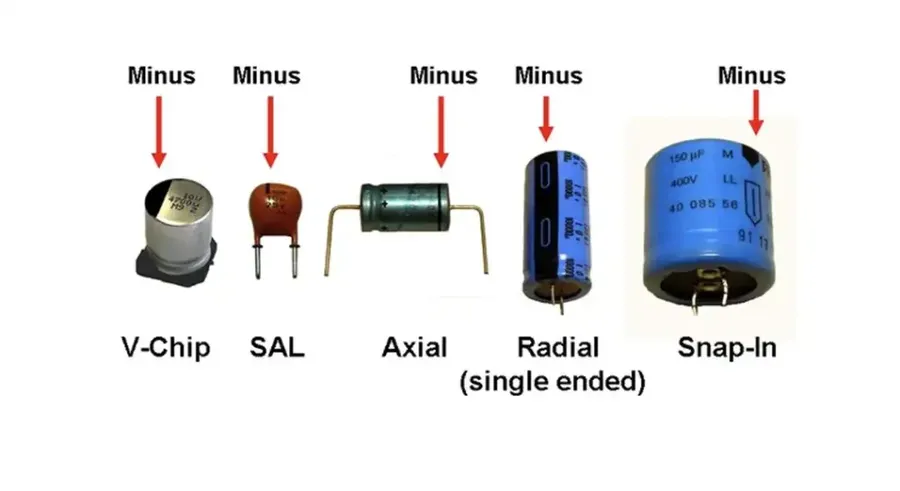
An axial capacitor is a fundamental electronic component characterized by its cylindrical body and two leads extending from opposite ends along its central axis. This design contrasts with radial capacitors, where both leads originate from the same end. The primary function of an axial capacitor, like all capacitors, is to store electrical energy in an electric field, which can then be released as needed. This storage capability is crucial in many electronic circuits for filtering, smoothing, timing, and energy storage applications.
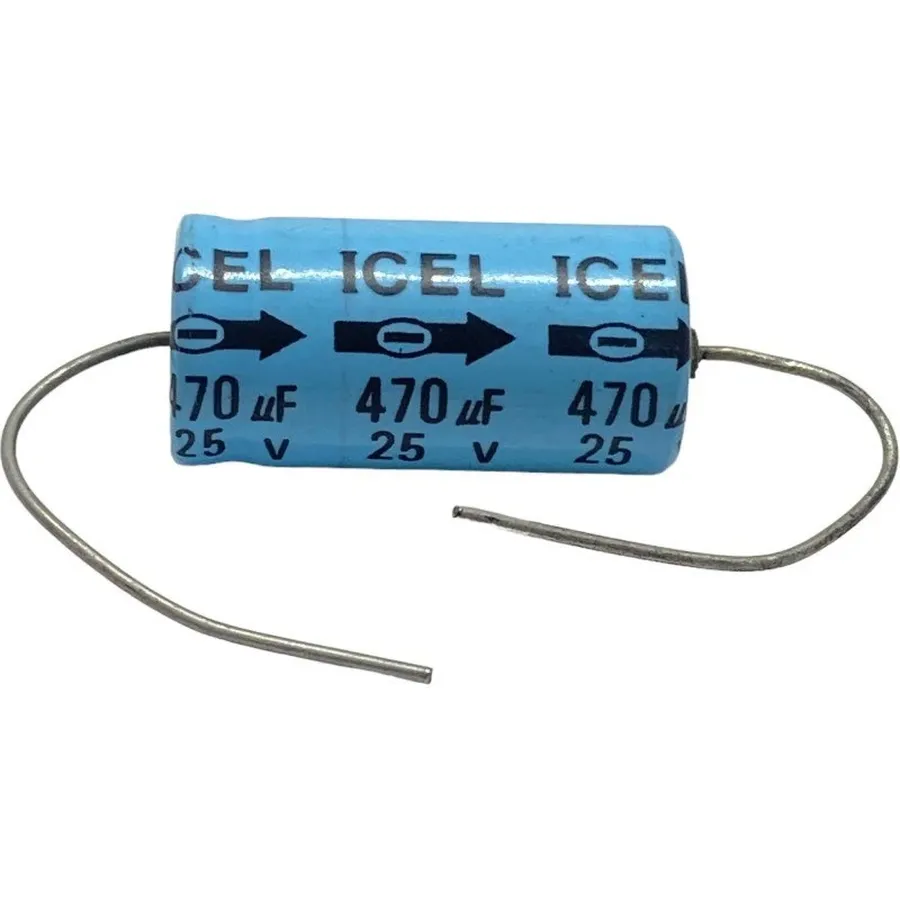
Axial capacitors, distinguished by their leads extending along the central axis, are manufactured using various dielectric materials, resulting in diverse types with unique performance characteristics suited for specific applications. The main categories include electrolytic, ceramic (encompassing monolithic variants), tantalum, and film capacitors, each offering distinct advantages and limitations.
| Capacitor Type | Dielectric Material | Typical Capacitance Range | Key Characteristics | Typical Applications |
|---|---|---|---|---|
| Electrolytic | Electrolyte (liquid or solid) | High (µF to mF) | High capacitance, polarized, suitable for low-frequency applications | Power supplies, filtering |
| Ceramic (Monolithic) | Ceramic (e.g., barium titanate) | Low to Medium (pF to µF) | High stability, low ESR, suitable for high-frequency applications | Bypassing, coupling, high-frequency circuits |
| Tantalum | Tantalum pentoxide | Medium (µF) | Compact size, good stability, polarized, reliable | Portable electronics, filtering |
| Film | Plastic film (e.g., polyester, polypropylene) | Low to Medium (pF to µF) | Low losses, high precision, non-polarized | Audio, precision timing circuits |
Each type of axial capacitor caters to different needs within electronic circuits. Electrolytic capacitors, known for their high capacitance, are ideal for power supply applications, while ceramic monolithic capacitors, offer superior stability and low ESR making them essential for high-frequency applications. Tantalum capacitors provide a balance of performance and size, and film capacitors are chosen for their high precision and low losses.
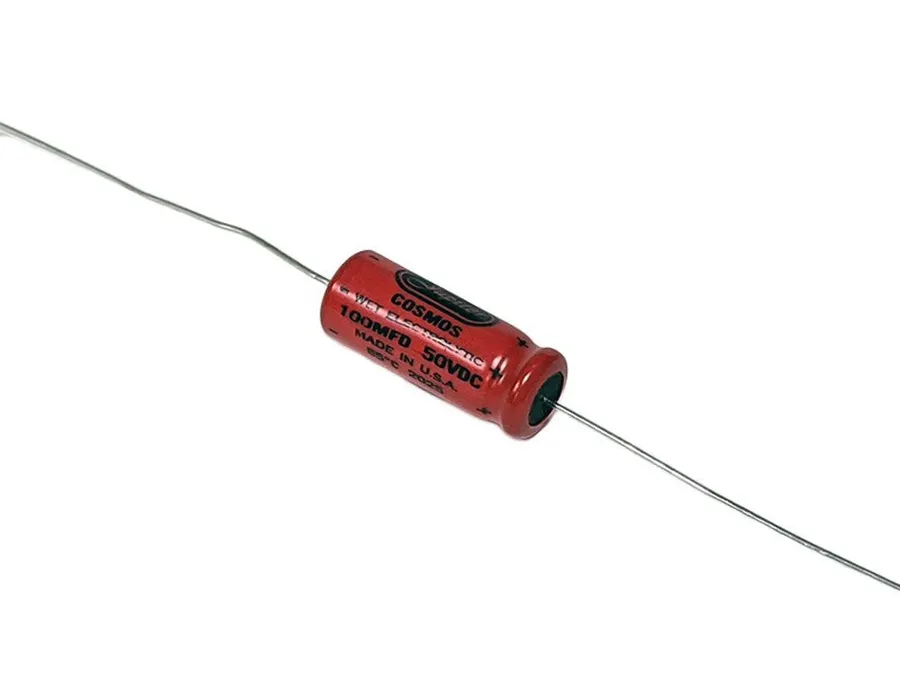
Electrolytic axial capacitors are a specific type of capacitor characterized by their high capacitance values, making them suitable for applications requiring substantial charge storage, particularly in power supply filtering and energy storage. These components are identifiable by their axial leads extending from each end and the use of an electrolyte, which is key to their high capacitance capability.
Key features and characteristics of electrolytic axial capacitors include:
The selection of an electrolytic axial capacitor requires careful consideration of the specific application requirements, including the necessary capacitance value, voltage rating, temperature tolerance, and expected lifespan.
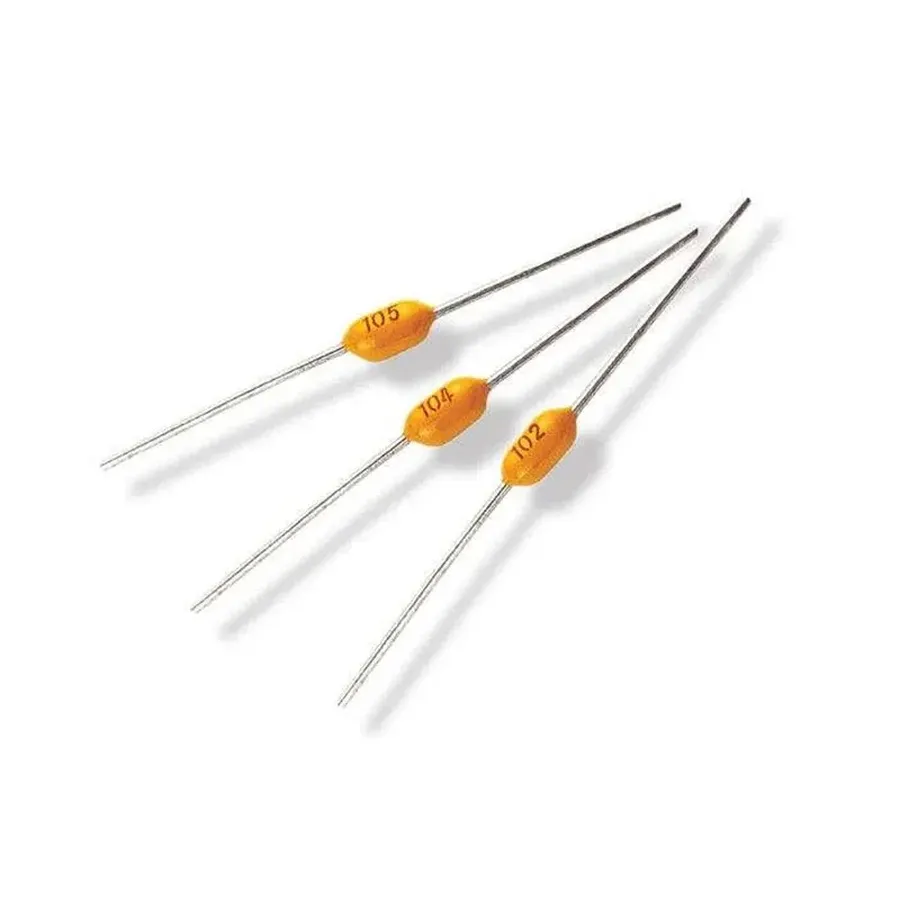
Monolithic axial capacitors, a subset of ceramic capacitors, are characterized by their construction as a single block of ceramic dielectric material with leads extending axially from each end. These capacitors are particularly well-suited for high-frequency applications due to their low inductance and high stability. Their compact size further contributes to their appeal in modern electronic designs where space is often a premium.
Monolithic axial capacitors are primarily constructed using a layered structure. This construction technique allows for very precise control of the capacitance value. The ceramic material's inherent stability leads to low temperature coefficients and predictable behavior over a wide range of operating conditions. These characteristics make monolithic axial capacitors essential in demanding applications such as high-frequency circuits, signal processing, and precision timing.
| Feature | Description |
|---|---|
| Construction | Single block of ceramic dielectric with axial leads |
| Primary Material | Ceramic dielectric (e.g., barium titanate) |
| Capacitance Range | Typically low to medium (pF to nF) |
| Voltage Rating | Moderate, depending on the specific ceramic material used |
| Temperature Stability | High stability, low temperature coefficient |
| Frequency Application | Ideal for high-frequency circuits |
| Advantages | Compact, high stability, low inductance, low ESR |
| Disadvantages | Limited capacitance range compared to other types |
Key considerations when utilizing monolithic axial capacitors include their limited capacitance range compared to electrolytic capacitors. Their low equivalent series resistance (ESR) contributes to minimal losses in high-frequency circuits. While their temperature stability is excellent, careful consideration of the specific ceramic material used is important in very high temperature applications. The ceramic material type dictates the capacitance stability and its behavior with temperature fluctuations. For example, NPO (COG) ceramics have the highest stability, while X7R ceramics provide higher capacitance with a tradeoff in stability.
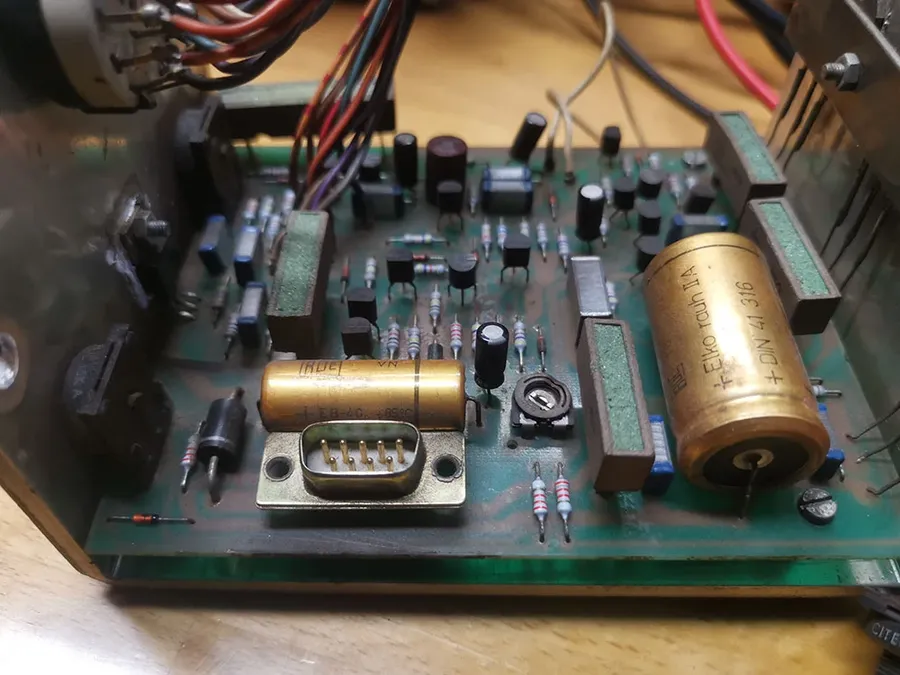
Axial capacitors, characterized by their leads extending along the central axis, find extensive use across diverse electronic applications due to their unique form factor and electrical properties. Their applications range from power conditioning to signal processing and are integral in various consumer and industrial products. The selection of an axial capacitor depends significantly on the type of application and the specific performance requirements.
| Application | Capacitor Type | Key Requirement | Specific Use Case |
|---|---|---|---|
| Power Supplies | Electrolytic | High Capacitance, Low ESR | Bulk energy storage, Ripple reduction |
| Audio Equipment | Film/Electrolytic | Low Distortion, Stable capacitance | Signal Coupling, Audio filtering |
| Automotive Electronics | Tantalum/Electrolytic | Reliability, Temperature stability | ECU, Infotainment systems |
| Signal Filtering | Ceramic/Film | Frequency response, Precision | Low-pass, High-pass filtering |
| Timing Circuits | Film/Ceramic | Stability, Accuracy | Oscillator circuits, Timing |
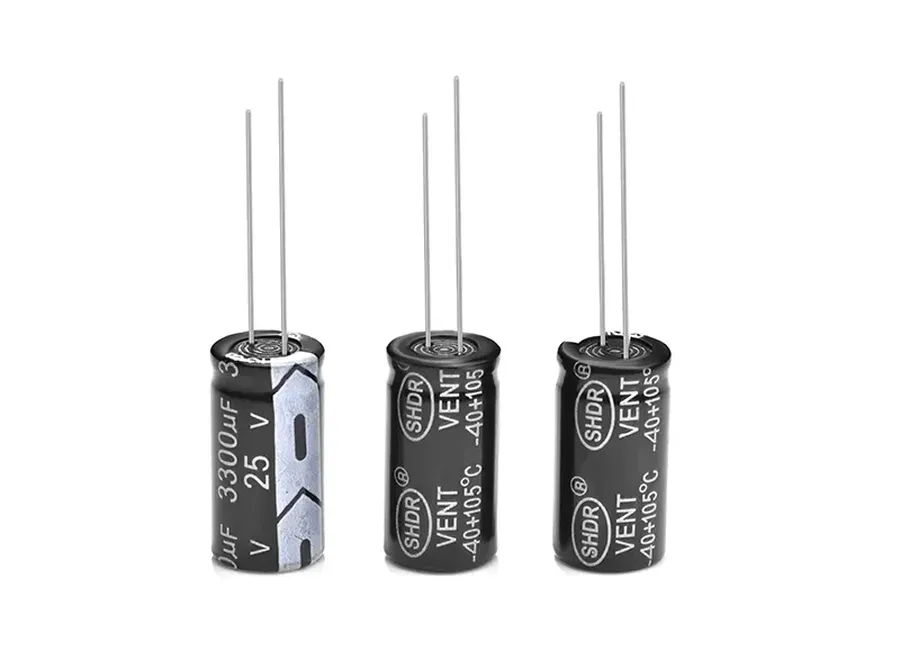
Axial and radial capacitors are distinguished primarily by the orientation of their leads, impacting their mounting and suitability for various circuit board layouts. This difference in form factor significantly affects their integration into electronic designs, with axial capacitors having leads extending from each end along their central axis, while radial capacitors have both leads extending from the same end.
| Feature | Axial Capacitor | Radial Capacitor |
|---|---|---|
| Lead Orientation | Leads extend from each end, along the central axis. | Leads extend from the same end. |
| Mounting Style | Typically mounted horizontally on the PCB, sometimes vertically with support. | Typically mounted vertically on the PCB. |
| PCB Layout Impact | Requires more horizontal space; suitable for point-to-point wiring and older designs. | Requires less horizontal space, preferred for dense, modern PCBs. |
| Height Profile | Can have a lower height profile compared to radial types, when mounted horizontally. | Often has a taller profile than axially mounted counterparts. |
| Applications | Suited for older designs, circuits where point-to-point wiring is utilized, or space is not a premium concern. | Favored in modern PCB designs requiring high component density and vertical mounting, better for through-hole PCBs. |
Choosing the appropriate axial capacitor for a given application is crucial for optimal circuit performance and reliability. This selection process involves considering several key parameters, each playing a significant role in the capacitor's behavior and suitability. These parameters include capacitance, voltage rating, temperature rating, tolerance, and equivalent series resistance (ESR).
| Parameter | Description | Importance |
|---|---|---|
| Capacitance (C) | The measure of a capacitor's ability to store an electrical charge, expressed in Farads (F) or its submultiples. | Determines the amount of charge the capacitor can hold and how it interacts within the circuit. Must match design requirements. |
| Voltage Rating (V) | The maximum voltage that the capacitor can safely withstand without dielectric breakdown. | Exceeding this rating can cause irreversible damage or failure. Should be higher than expected peak circuit voltage. |
| Temperature Rating (°C) | The temperature range within which the capacitor is designed to operate reliably. | Operating beyond the specified temperature limits can affect performance and lifespan. Crucial for selecting the appropriate dielectric material and construction. |
| Tolerance (%) | The allowable deviation in actual capacitance from its stated value. | Reflects manufacturing variability and impacts circuit precision. Tighter tolerance parts come with a higher cost, use when precision is required. |
| Equivalent Series Resistance (ESR) | The effective series resistance within the capacitor. It contributes to heat generation and reduces the effective performance at high frequencies. | Significantly affects capacitor performance at high frequencies, and must be considered for circuit efficiency and stability in power supplies and high-frequency circuits. |
Polarity is a critical consideration for electrolytic axial capacitors, distinguishing them from non-polarized types like ceramic or film capacitors. Electrolytic capacitors, due to their construction involving an electrolyte, possess a defined positive and negative terminal. Correctly observing and implementing this polarity during circuit installation is paramount for proper capacitor function and circuit integrity.
The positive terminal of an electrolytic axial capacitor is typically indicated by a marking on the capacitor body, such as a stripe, arrow, or the plus sign (+). Failure to install the capacitor with the correct polarity can result in a variety of problems.
While non-polarized capacitors (ceramic, film) do not have this polarity concern, understanding the importance of axial electrolytic capacitor polarity is vital for the reliability and longevity of electronic circuits. Adhering to these guidelines will ensure the intended performance of electronic devices that depend on these components.
This section addresses common queries regarding axial capacitors, providing clear and concise answers to enhance your understanding of these components. We'll cover fundamental questions about their definition, interchangeability with radial capacitors, packaging rationale, and key distinctions.
In conclusion, axial capacitors serve a vital role across numerous electronic applications, from stabilizing power supplies to enhancing audio fidelity. Understanding their types, specifications, and selection criteria is crucial for effective circuit design. Whether dealing with robust electrolytic axial capacitors or compact monolithic designs, a firm grasp of their differences and proper implementation is key to achieving optimal circuit performance. The reliable axial capacitor provides the crucial stability and performance demanded by countless applications in modern electronics.

