From the tiny components in our smartphones to the robust elements in industrial machinery, resistors are fundamental to electronics. At DigiKey, a vast selection of resistors are available for every conceivable project. This article is designed to demystify the process of selecting the perfect resistor, by diving into key considerations like resistor types, color codes, and more. We'll translate the technical jargon into practical knowledge, ensuring you can confidently choose the right DigiKey resistor for your next project, whether it's a basic circuit or a complex electronic system.
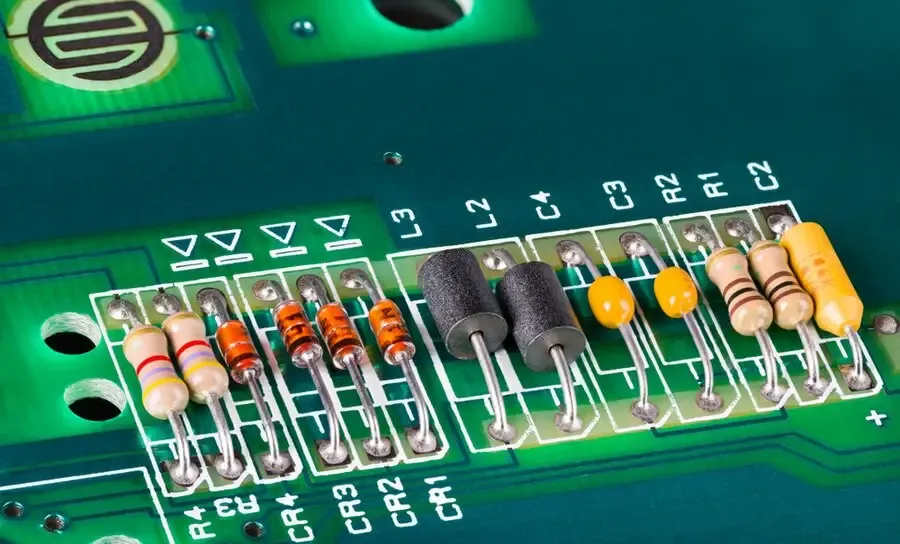
Resistors are fundamental passive electronic components that impede the flow of electrical current within a circuit. Their primary function revolves around controlling current, dividing voltage, and, as a byproduct, generating heat. This control allows for the precise management of electrical characteristics crucial for proper circuit operation. Without resistors, circuits would be unpredictable and often nonfunctional, leading to component damage and unreliable behavior.
| Function | Description | Application Example |
|---|---|---|
| Current Limitation | Restricting current flow to protect LEDs or other sensitive components. | Connecting a resistor in series with an LED to limit current and prevent burnout. |
| Voltage Division | Creating a specific voltage level from a higher source voltage. | Using a voltage divider network to bias a transistor at a specific operating point. |
| Heat Generation | Converting electrical energy into heat for various applications. | Using a high power resistor as a heating element. |
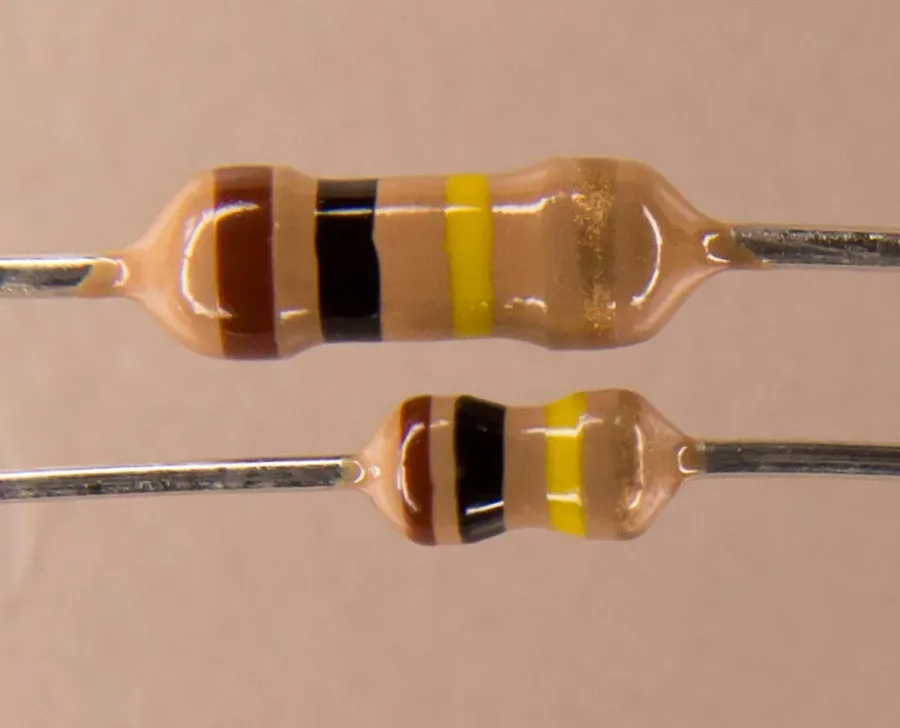
DigiKey offers a comprehensive selection of resistors, catering to a wide array of electronic applications. These components are fundamental to circuit design, providing precise control over current flow, voltage levels, and heat dissipation. Understanding the various types available is crucial for selecting the appropriate component for any given project.
| Resistor Type | Description | Typical Applications | Mounting Method |
|---|---|---|---|
| Through-Hole Resistors | Resistors with leads designed to be inserted through holes in a printed circuit board (PCB). | Prototyping, breadboarding, hobby electronics, older or less dense circuit designs. | Through-hole soldering |
| Surface Mount (SMD) Resistors | Small, leadless resistors designed to be mounted directly onto the surface of a PCB. | High-density circuit designs, mass production, compact electronic devices. | Surface mount soldering, reflow soldering |
| Chip Resistors | A specific type of SMD resistor, usually very small and rectangular. | General-purpose SMD applications, often very small and low profile. | Surface mount soldering, reflow soldering |
| Power Resistors | Resistors designed to handle significant amounts of power and dissipate heat. | Power supplies, motor control, high-current circuits. | Various, including through-hole and SMD |
| Precision Resistors | Resistors with tight tolerance, often used in measurement and control applications. | Instrumentation, high-accuracy circuits, sensor interfaces. | Various, including through-hole and SMD |
| Variable Resistors (Potentiometers and Trimmers) | Resistors with adjustable resistance values. | Adjustable circuit parameters, user interfaces, calibration. | Various, including through-hole and SMD |
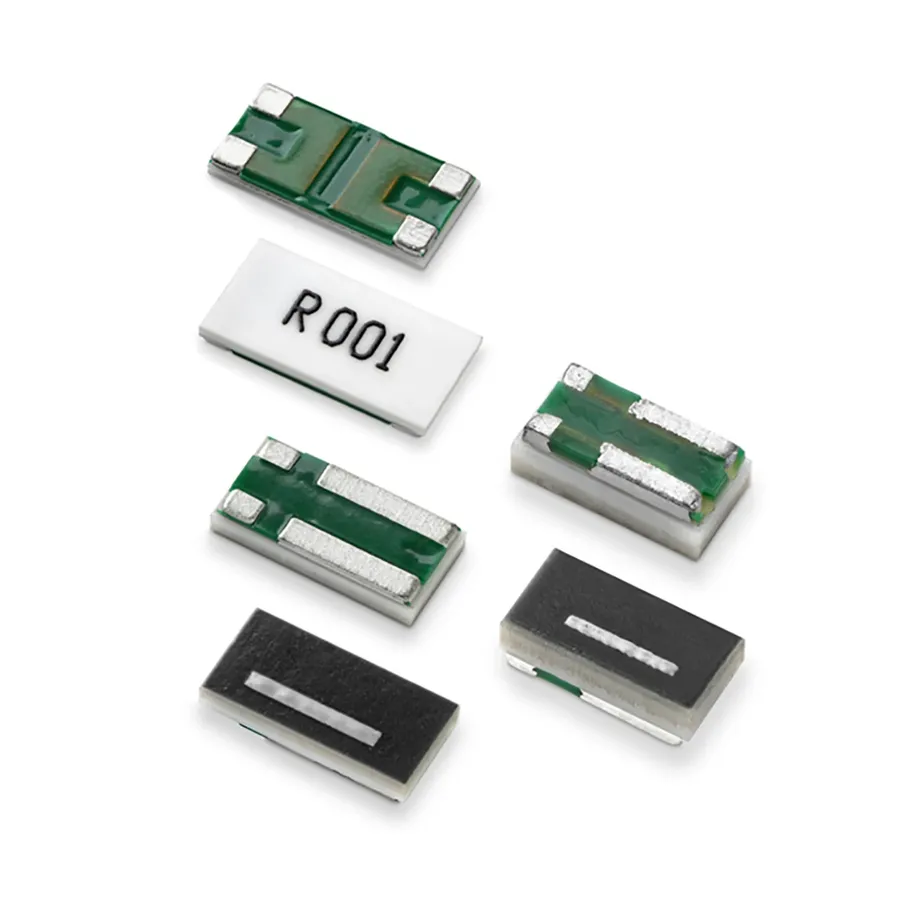
The selection between through-hole and surface mount (SMD) resistors is a fundamental decision in circuit design, dictated by factors such as mounting technique, ease of use, and application suitability. Each type presents unique advantages and disadvantages, directly impacting manufacturing costs, space constraints, and overall circuit performance. Understanding these differences is crucial for optimal design choices when sourcing from a distributor like DigiKey.
| Feature | Through-Hole Resistors | SMD Resistors |
|---|---|---|
| Mounting | Leads are inserted into holes on the PCB | Soldered directly onto the surface of the PCB |
| Ease of Use | Easier for prototyping and manual assembly | Requires automated assembly processes |
| Size and Density | Larger size, lower component density on PCB | Smaller size, higher component density on PCB |
| Cost | Generally higher cost | Generally lower cost |
| Robustness | More robust to mechanical stress | More sensitive to mechanical stress |
| Heat Dissipation | Better heat dissipation due to larger surface area and lead connections | Potentially limited heat dissipation due to smaller size |
| Availability from DigiKey | Wide variety available, including high power | Extensive selection from miniature to power SMD versions |
| Ideal for | Prototyping, hobby projects, circuits with mechanical stress or high power requirements | High-volume production, compact devices, where space is at a premium |
| Real-world Example | Power supplies, audio amplifiers, where through-hole components are more easily accessed. | Consumer electronics, wearables, where space-saving is a critical design factor. |
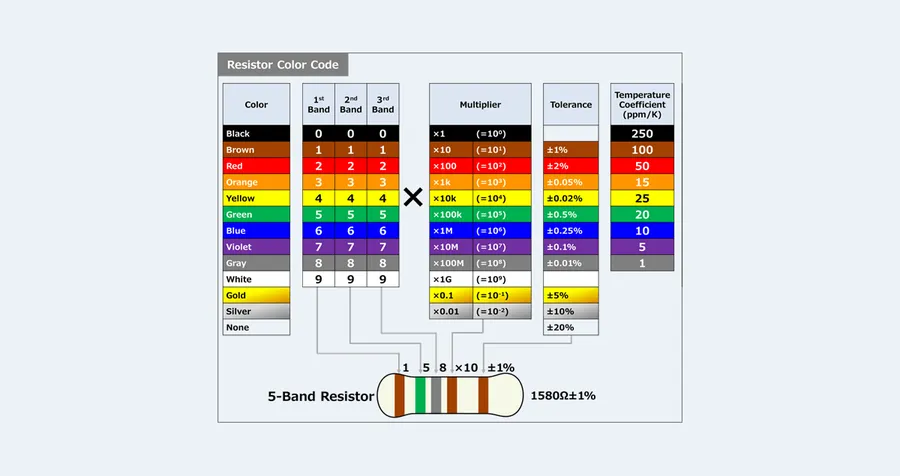
Resistor color codes provide a standardized method for indicating a resistor's value, tolerance, and temperature coefficient. These codes are crucial for identifying the characteristics of through-hole resistors, ensuring that the correct component is used in a circuit. Understanding these codes allows engineers and hobbyists to select and use resistors accurately, avoiding potential circuit malfunction or damage.
The color coding system typically employs a series of colored bands around the resistor body, each representing a numerical value or a multiplier, tolerance, or temperature coefficient. Different systems exist (4-band, 5-band, and 6-band) but the fundamental principles remain consistent, and can be determined by using a calculator which is provided by DigiKey.
| Color | Digit | Multiplier | Tolerance | Temp. Coefficient (ppm/°C) |
|---|---|---|---|---|
| Black | 0 | 1 | ±20% | N/A |
| Brown | 1 | 10 | ±1% | ±100 |
| Red | 2 | 100 | ±2% | ±50 |
| Orange | 3 | 1,000 | N/A | ±15 |
| Yellow | 4 | 10,000 | N/A | ±25 |
| Green | 5 | 100,000 | ±0.5% | N/A |
| Blue | 6 | 1,000,000 | ±0.25% | N/A |
| Violet | 7 | 10,000,000 | ±0.1% | N/A |
| Grey | 8 | N/A | ±0.05% | N/A |
| White | 9 | N/A | N/A | N/A |
| Gold | N/A | 0.1 | ±5% | N/A |
| Silver | N/A | 0.01 | ±10% | N/A |
| None | N/A | N/A | ±20% | N/A |
The 4-band system uses the first two bands to indicate the numerical value, the third band represents the multiplier and the fourth band represents tolerance. A 5-band system has 3 bands for numerical value, a multiplier band, and a tolerance band. The 6-band system adds a temperature coefficient band after the tolerance band.
DigiKey provides a color code calculator that simplifies the interpretation of resistor color codes. This tool allows users to input the color bands of a resistor and quickly obtain its resistance value, tolerance, and temperature coefficient. The calculator can be a time saver, and helps minimize errors especially for engineers who are not working with resistors frequently.
To use the calculator, simply select the colors of each band in the correct order, starting from the end closest to the edge of the resistor. The calculator will then output the resistance value, tolerance, and temperature coefficient. For example, a resistor with bands of brown, black, red, and gold would be interpreted as 1.0 kΩ with a 5% tolerance. To ensure accuracy, always confirm the band colors using sufficient lighting and proper color vision.
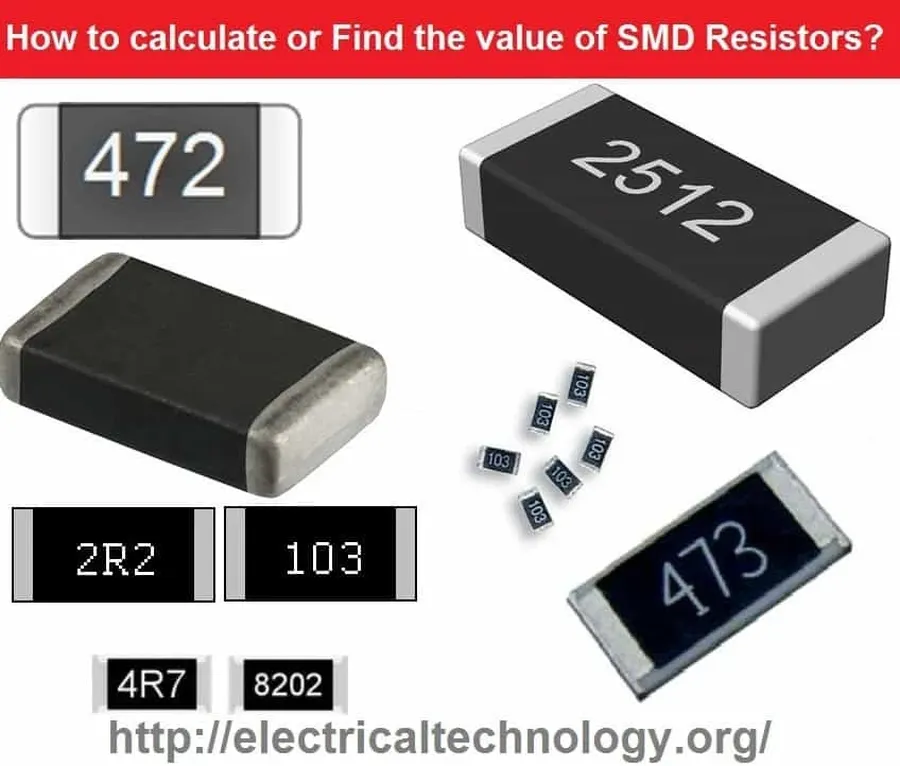
Surface Mount Device (SMD) resistors, due to their small size, utilize numerical and alphanumeric codes rather than color bands to indicate their resistance value and tolerance. Understanding these codes is crucial for accurate circuit assembly and troubleshooting. This section will explore how to interpret these codes and effectively use a DigiKey SMD resistor code calculator.
SMD resistor codes vary in format and complexity, often depending on the manufacturer and resistor type. The most common coding systems include three-digit, four-digit, and alphanumeric codes.
| Code Type | Description | Example | Interpretation |
|---|---|---|---|
| Three-digit | The first two digits are the significant figures, and the third is the multiplier. | 102 | 10 * 10^2 = 1000 ohms or 1kΩ |
| Four-digit | The first three digits are the significant figures, and the fourth is the multiplier. | 1002 | 100 * 10^2 = 10,000 ohms or 10kΩ |
| Alphanumeric (EIA-96) | Uses a two-character code, with the first character representing the significant figures and the second character the multiplier. | 01C | 100 * 10^2 = 10000 ohms or 10kΩ |
It is essential to note that the interpretation of these codes varies between manufacturers, especially with alphanumeric codes. Therefore, it is crucial to consult datasheets and use a reliable SMD resistor code calculator, such as the one available on DigiKey's website, to ensure proper interpretation.
Incorrectly reading SMD resistor codes is a common pitfall that can lead to circuit malfunctions. For example, confusing a '1' with a '7' or misinterpreting the multiplier can lead to substantial deviations from the designed circuit parameters. Another common mistake is the failure to correctly read the alphanumeric EIA-96 code which can lead to incorrect values if an incorrect interpretation is used.
To avoid these errors, it is highly recommended to use a DigiKey SMD resistor code calculator. These calculators are designed to accurately translate both numerical and EIA-96 alphanumeric codes, ensuring proper component selection. Using the calculator typically involves entering the code printed on the resistor, which will output the resistance value and tolerance. These tools are invaluable to achieve accurate circuit performance.
Selecting the correct resistor for a circuit requires careful consideration of several key specifications, primarily resistance value, power rating, tolerance, and temperature coefficient. These parameters dictate how the resistor will perform within the circuit, impacting functionality, reliability and longevity. Choosing incorrectly can lead to circuit malfunction, component damage, or reduced efficiency.
| Specification | Description | Importance |
|---|---|---|
| Resistance Value (Ohms, Ω) | The primary characteristic of a resistor, measured in ohms. Indicates the opposition to current flow. | Determines circuit behavior, including voltage division and current limiting. Incorrect value will cause the circuit to malfunction. |
| Power Rating (Watts, W) | The maximum power a resistor can dissipate safely, measured in watts. | Ensures the resistor doesn't overheat and fail. Insufficient power rating leads to damage or failure. |
| Tolerance (%) | The permissible deviation of the actual resistance value from the stated value. | Affects the accuracy of the circuit. Lower tolerances provide better circuit precision. |
| Temperature Coefficient (PPM/°C) | The change in resistance value per degree Celsius change in temperature, measured in parts per million per degree Celsius. | Indicates the stability of the resistor under thermal changes. Critical for applications that require high stability. |
When selecting a resistor on DigiKey, pay close attention to these specifications. Consider the circuit's requirements, including the operating voltage, expected current, and environmental conditions. Always select a power rating well above the expected power dissipation to ensure a safe operating margin. Also, select a tolerance that is adequate for the required level of circuit precision. For circuits that are subject to large temperature variations, it is important to select a resistor with a low temperature coefficient.
This section addresses common questions about selecting and using resistors, focusing on practical considerations for various applications. Understanding these concepts will greatly assist in choosing the correct resistors for your circuit design from DigiKey.
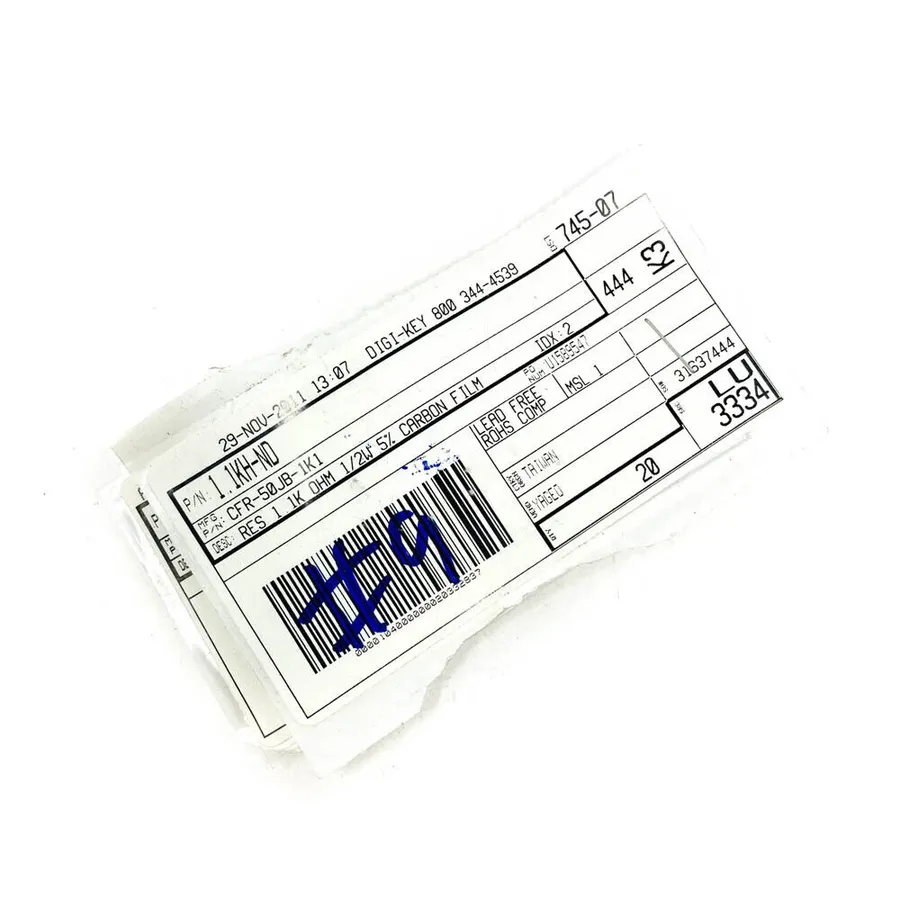
Selecting the correct resistor for a project using DigiKey involves a systematic approach leveraging their powerful search and filtering tools. This guide provides a practical, step-by-step method to efficiently navigate DigiKey's extensive catalog, ensuring you find the ideal components for your specific needs, considering factors like price, specification, and availability.
It is important to note, that these steps provide a generalized guide, but the specific filters used should be dictated by the demands of the project. Always refer to relevant datasheets and technical documentation to ensure components chosen meet all project specifications. Regularly check datasheets for any updates or revisions. If encountering issues, Digikey's customer service team can provide additional support.
Beyond standard resistors, specialized types cater to unique demands in electronic design. This section introduces precision, high-power, and other advanced resistor types, along with guidance on selecting them from DigiKey, while also addressing environmental factors affecting long-term reliability.
The following table outlines key considerations when selecting these advanced resistors:
| Resistor Type | Key Characteristics | Typical Applications | DigiKey Selection Considerations |
|---|---|---|---|
| Precision Resistors | Very low tolerance (e.g., 0.1% or better), low temperature coefficient of resistance (TCR) | High-accuracy circuits (instrumentation, medical devices), sensitive analog circuits. | Focus on specific tolerance, TCR, long term stability, and verify datasheets for performance ratings. |
| High-Power Resistors | Designed to handle significant power dissipation (heat), typically available in larger packages with better heat sinking. | Power supplies, motor control, high current circuits, automotive electronics. | Prioritize power rating, thermal resistance (heat dissipation), pulse handling capabilities, and derate according to ambient operating temperature. |
| Specialized Resistors | Includes fusible resistors (fail-safe protection), zero-ohm links (circuit configuration), current sense resistors (measurement), and temperature sensitive resistors (thermistors). | Circuit protection, configurable circuits, current monitoring, temperature sensing and compensation. | Select according to the exact needs of the circuit, verifying functional characteristics and operational ratings for these specialized resistors. |
Environmental factors also play a crucial role in resistor reliability. Resistors are rated for specific operating temperature ranges, which should be aligned with the intended application to prevent performance degradation and failure. Environmental humidity, altitude, and chemical exposure can also accelerate degradation.
In conclusion, selecting the right resistor from DigiKey involves understanding their fundamental role in circuits, various types available, and how to decipher their markings and specifications. By considering factors such as resistance, power, tolerance, and mounting method, you can confidently choose the optimal resistor for any project. DigiKey's extensive catalog, combined with this guide, will empower you to confidently navigate the world of resistors and select the right component for your next project. Remember, a properly selected resistor, including a Digikey resistor, is critical for the success of your electronic project, ensuring functionality, performance, and longevity.

