Soldering, a fundamental skill in electronics and jewelry making, relies heavily on a suitable soldering board. Just as an artist needs a canvas, a craftsman needs the right surface. A well-chosen soldering board not only provides a safe and stable platform but also significantly impacts the quality of the finished product. This article will guide you through the selection process, ensuring that your soldering projects are both precise and successful, focusing on the aspects of safety, material, and heat resistance relevant to various applications.
A soldering board is a critical component of any soldering setup, serving as a stable, heat-resistant surface that significantly enhances both safety and the quality of soldering work. Beyond simply protecting your workbench from the high temperatures involved in soldering, these boards contribute to the consistency and reliability of soldered joints by providing a secure and even platform for the work.
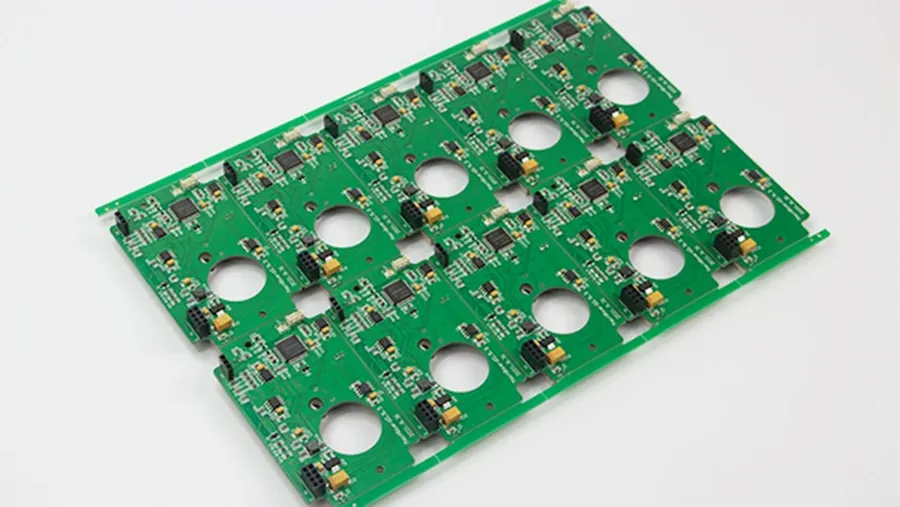
Selecting the correct soldering board is crucial for successful and safe soldering. Different materials offer varying degrees of heat resistance, durability, and suitability for specific applications. Understanding these differences allows for informed decisions, ensuring project success, safety, and efficiency.
Soldering boards are crafted from several key materials, each with unique characteristics:
The distinction between 'hard' and 'soft' soldering boards primarily refers to their density and material composition. Hard boards, like those made from ceramic, provide a rigid, stable surface and are preferable for high-heat applications. Soft boards, often charcoal, are more porous and may require more careful handling and maintenance, but offer unique benefits such as preventing oxidation. Ultimately, the optimal choice hinges on the type of soldering project, heat requirements, and user preference.
| Material | Heat Resistance | Durability | Typical Applications | Hard/Soft |
|---|---|---|---|---|
| Ceramic | High | High, but brittle | Jewelry, small electronics | Hard |
| Charcoal | High | Moderate, can crumble | Metalworking, casting | Soft |
| Solderite | High | High | General soldering tasks | Hard |
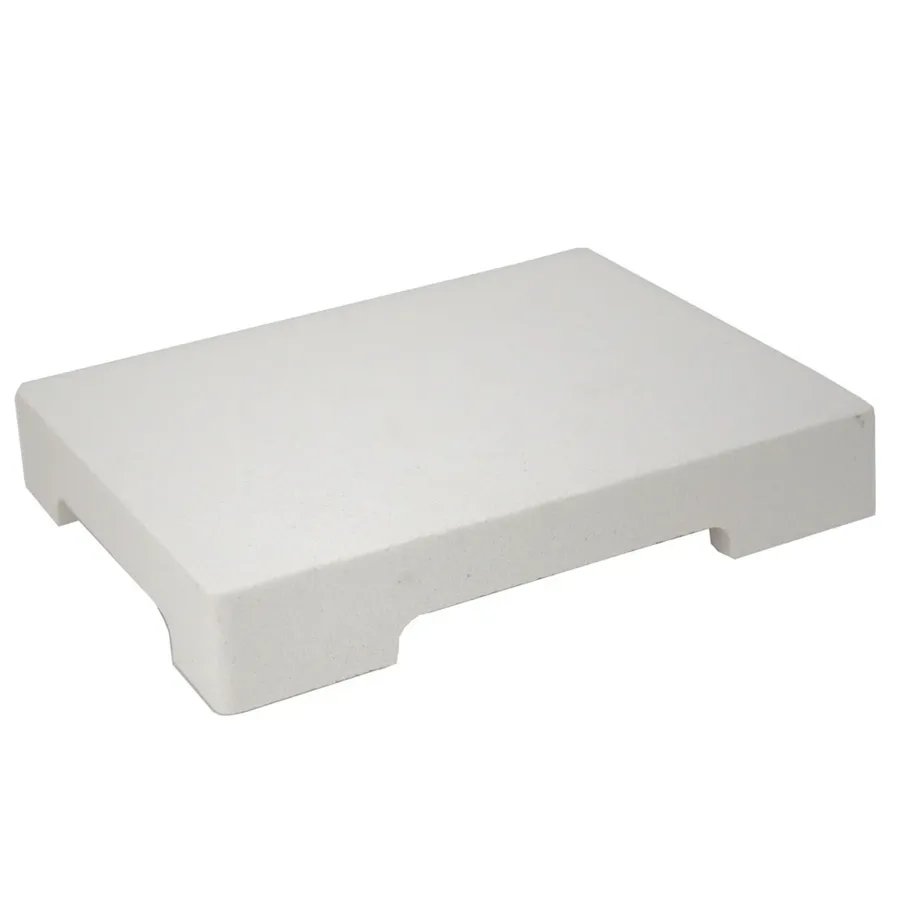
Ceramic soldering boards are a preferred choice for many soldering applications due to their exceptional heat resistance and ability to distribute heat evenly, which significantly enhances the soldering process. Their robustness at high temperatures makes them ideal for tasks requiring consistent heat without board degradation.
These properties make ceramic boards particularly well-suited for delicate work, such as jewelry making, and precision tasks, like small electronics repair. The controlled heat distribution is crucial when dealing with temperature-sensitive components. In jewelry making, the ability to withstand direct torch flame allows for complex soldering maneuvers without damaging the board, while in electronics, the even heat helps ensure that components are soldered correctly without overheating.
| Feature | Benefit |
|---|---|
| High Temperature Resistance | Suitable for high-heat applications |
| Even Heat Distribution | Prevents hot spots and ensures consistent soldering |
| Durable | Resistant to wear and tear and chemical reactions, long lasting |
| Non-reactive | Prevents contamination of solder joints |
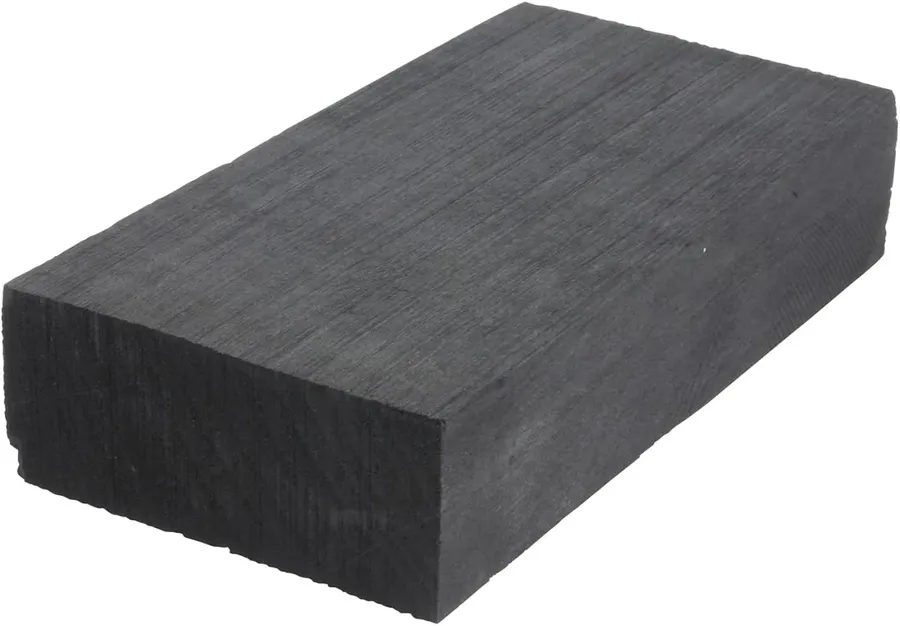
Charcoal soldering blocks are indispensable for specific metalworking applications, prized for their unique combination of heat resistance, anti-oxidation properties, and structural support capabilities. Unlike other soldering surfaces, charcoal blocks offer a reducing environment that minimizes scale formation during heating, crucial for maintaining the integrity of metals, especially during high-temperature processes.
The key advantage of using charcoal blocks lies in their porous structure. This allows for the dissipation of heat, reducing the risk of overheating localized spots on the work piece. Furthermore, they are not inert; the charcoal reacts with oxygen at high temperatures, creating a carbon monoxide atmosphere around the soldering area. This reduces the available oxygen, preventing oxidation of the metals being worked on, which would lead to brittle joints and a poor finish.
Charcoal blocks are not just for oxidation prevention. Their relative softness and ability to hold pins firmly make them ideal for supporting complex arrangements of metal components during soldering. This is particularly beneficial for intricate jewelry designs and larger metal pieces. In casting processes, charcoal blocks can be carved or shaped to create molds, which directly takes advantage of their capacity to withstand high temperatures.
Given these attributes, charcoal soldering blocks are primarily beneficial for tasks involving precious metals where preventing oxidation is paramount. They are also useful in casting processes where their mold-making capabilities are advantageous, and in scenarios that need a system of pins to hold complex geometries.
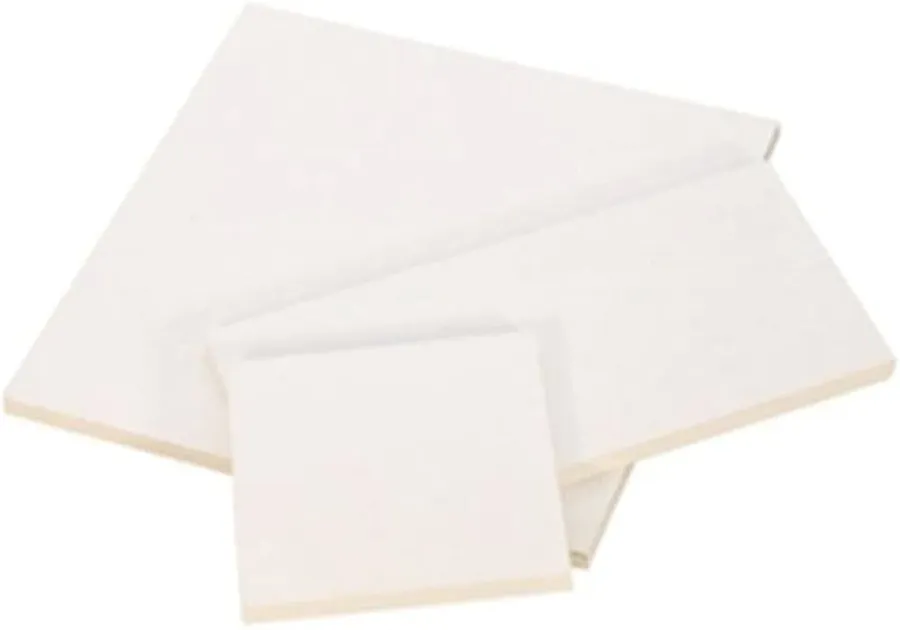
Solderite boards have emerged as a popular choice for soldering, particularly in contemporary applications, due to their unique combination of properties. Unlike traditional materials, Solderite offers a smooth, non-reactive surface coupled with excellent heat reflection and rapid cooling capabilities, thereby enhancing the efficiency and precision of soldering tasks. These characteristics make them a valuable asset in both hobbyist and professional settings.
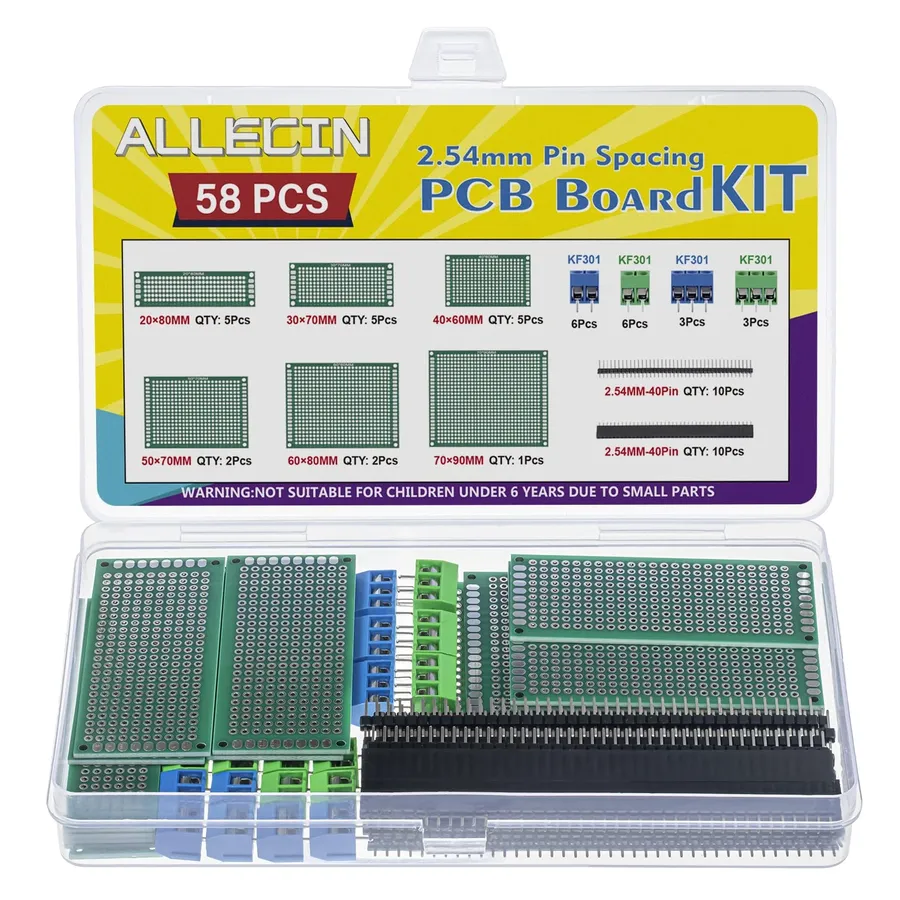
The dimensions and form of a soldering board significantly impact the efficiency and convenience of soldering operations. Selecting the appropriate size and shape tailored to the specific project requirements ensures optimal stability, accessibility, and workspace management. The right fit is crucial for consistent, high-quality solder joints.
Soldering boards come in a variety of sizes, typically ranging from small, handheld models suitable for intricate jewelry work to larger, more substantial boards designed for handling larger electronic assemblies or metalworking projects. The shape of a soldering board may be square, rectangular, circular or free-form to best support the type of work you do.
When choosing a soldering board size, consider the following factors:
In summary, the right size and shape of a soldering board greatly contribute to the comfort and effectiveness of the solderer. Thoughtful consideration of typical project dimensions and work environment will contribute to a more successful soldering workflow.
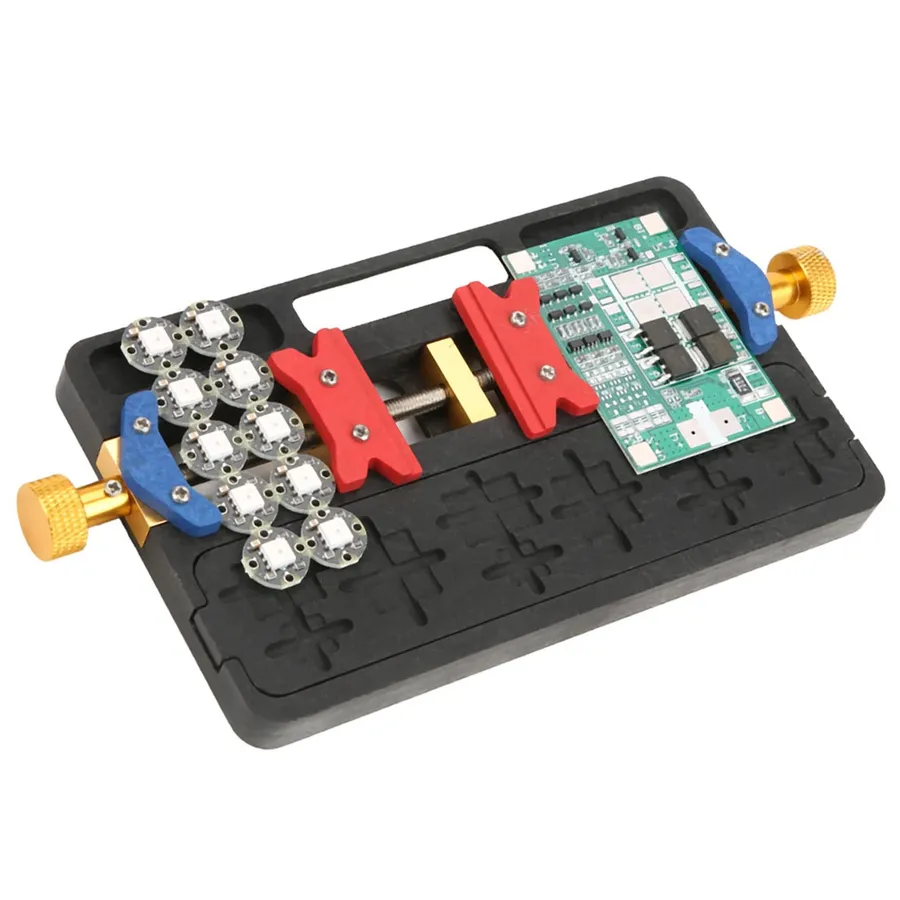
Enhancing the soldering process often involves more than just the board itself. The right accessories can significantly improve precision, stability, and overall workflow, transforming a basic setup into a professional soldering station. These add-ons are designed to address specific challenges, making intricate tasks easier and more consistent.
This section addresses common queries regarding soldering boards, focusing on alternative materials, safety measures, and the necessity of protective equipment. These answers are designed to provide practical guidance for users.
Selecting the appropriate soldering board is crucial for achieving optimal results and ensuring safety. This section provides a comparative analysis of different soldering board types, materials, and their respective applications, presented in a table format for easy reference. This comparison will assist users in making an informed decision based on their specific soldering requirements.
| Board Type | Material | Heat Resistance | Durability | Surface Properties | Typical Use Cases | Advantages | Disadvantages |
|---|---|---|---|---|---|---|---|
| Ceramic | Ceramic Compounds | High (Up to 1300°C) | High | Smooth, Even | Jewelry Making, Small Electronics, High-Temperature Soldering | Excellent heat distribution, inert, resistant to thermal shock | Can be brittle, prone to cracking with impact |
| Charcoal | Compressed Charcoal | High (Up to 1000°C) | Moderate | Porous, Heat Reflective | Metal Casting, Larger Soldering Pieces, Oxidation Prevention | Prevents oxidation, helps maintain even heat distribution , suitable for use with pins | Can be brittle, needs careful handling, produces dust, and not ideal for fine work |
| Solderite | Proprietary Composite | High (Up to 1000°C) | Moderate | Smooth, Reflective | General Soldering, Electronics, Jewelry Making | Excellent heat reflection, smooth surface, rapid cool-down, lightweight | Less durable compared to ceramic and charcoal, can be sensitive to thermal shock |
Choosing the correct soldering board is vital for success in any soldering project, be it electronics or jewelry. By understanding the differences in materials like ceramic, charcoal, and Solderite, and considering factors like size, shape, and additional accessories, you can create a safer, more efficient, and precise soldering environment. Investing in the proper soldering board is an investment in the quality and outcome of your projects. Whether you’re a beginner or an experienced professional, having the right equipment, including a high-quality soldering board, can significantly enhance your soldering experience and results, ensuring your creations are not only well-made but also safe to produce.

