From the blinking LEDs on our gadgets to the powerful processors in our computers, diodes and transistors are the unsung heroes of the electronic age. These tiny semiconductor devices, essential components in everything from simple circuits to complex systems, form the backbone of modern technology. This article explores the differences and functionalities of these essential components, uncovering their crucial role in the digital world.
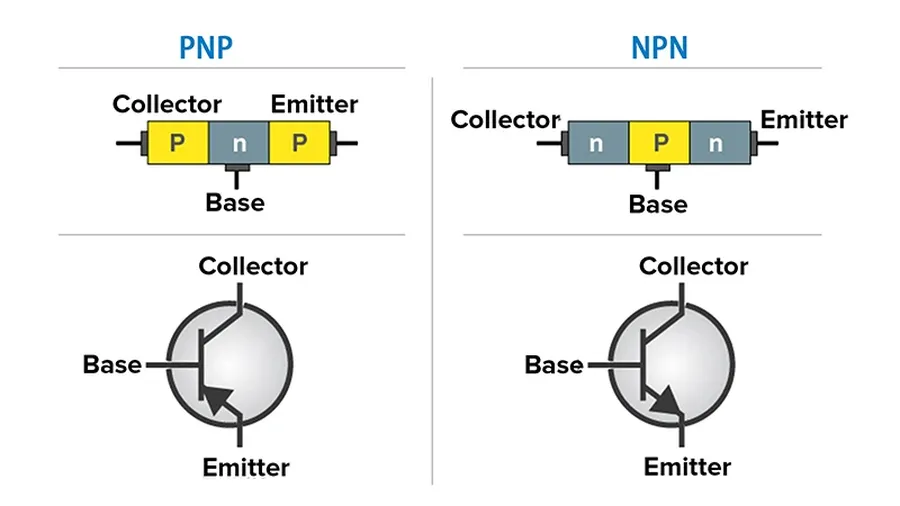
Diodes and transistors are fundamental semiconductor devices, yet they differ significantly in structure and function. A diode, at its core, is a two-terminal device formed by a PN junction, enabling current flow primarily in one direction. In contrast, a transistor, generally a three-terminal device, utilizes semiconductor materials to amplify or switch electronic signals. Understanding their atomic makeup is crucial to grasp their unique functionalities.
The fundamental building block of both devices is the semiconductor material, often silicon. The material's properties are modified through doping, the process of introducing impurities to control the electrical conductivity. The PN junction within a diode consists of a region with excess electrons (N-type) and a region with a deficit of electrons (P-type), leading to a one-way flow of current. Transistors expand on this principle by having two PN junctions arranged in different ways, allowing them to regulate current flow.
Diodes have two terminals called the anode and cathode. Current flows easily from the anode to the cathode but is restricted in the opposite direction. The P-side is the anode and the N-side is the cathode. The simplest transistor, the Bipolar Junction Transistor (BJT), is fabricated with three layers of doped silicon. The three terminals are the base, collector and emitter. The arrangement of these layers can be NPN or PNP. Field Effect Transistors (FETs) have a gate, drain and source. The current between the drain and source is modulated by the voltage applied to the gate. These differences in structure lead to diverse functionalities that underpin all electronic systems.
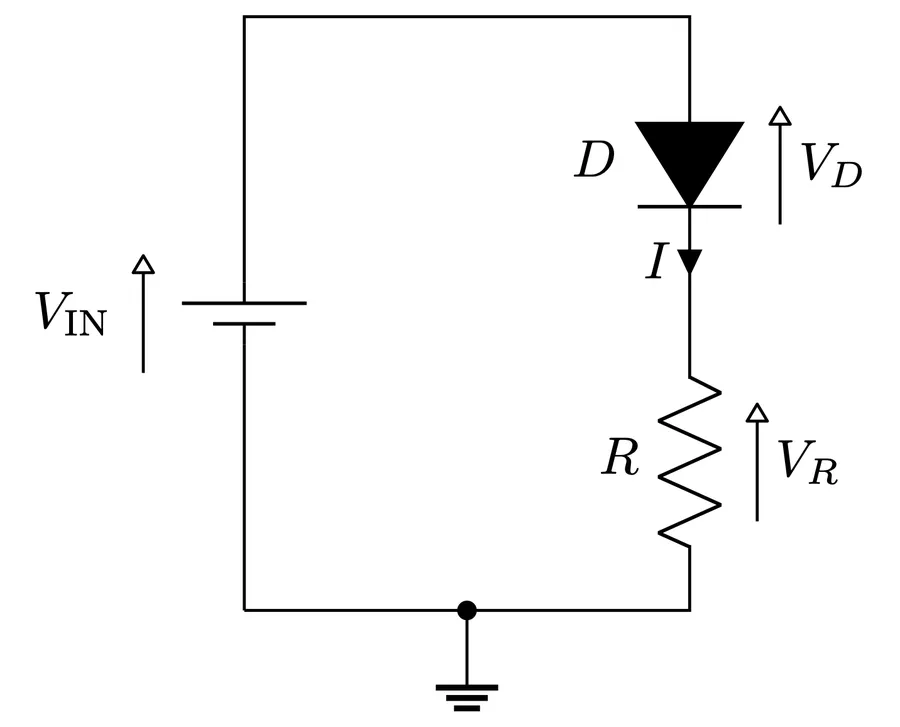
Diodes, fundamental two-terminal semiconductor devices, are essential for controlling the direction of current flow within electronic circuits. Their primary function is to act as a one-way valve, allowing current to pass easily in one direction (forward bias) while impeding it in the opposite direction (reverse bias). This behavior is governed by the diode's inherent PN junction, the point of contact between P-type and N-type semiconductor materials.
The operation of a diode is characterized by three key states:
Several types of diodes exist, each with unique characteristics and applications. Some common examples include:
Diodes play a critical role in circuit protection by preventing current from flowing in the wrong direction, preventing damage to sensitive components. They also are crucial in rectifying alternating current (AC) into direct current (DC) power, enabling many electronic devices to operate from standard wall power.
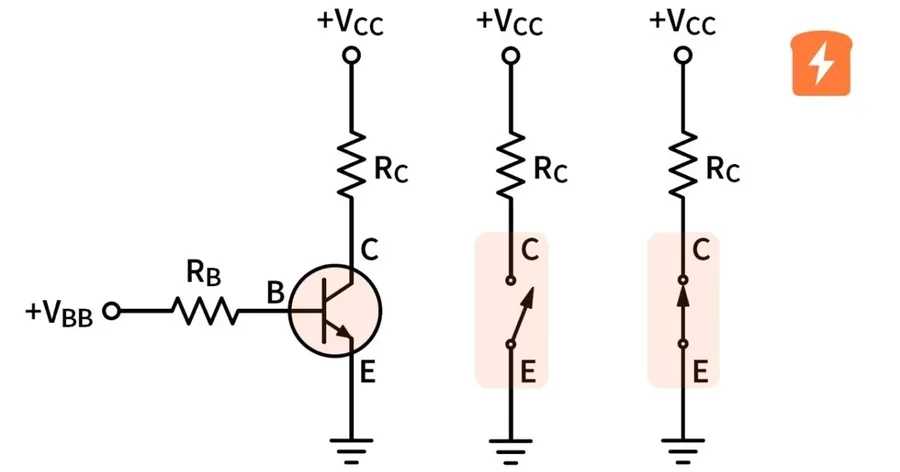
Transistors are fundamental semiconductor devices that act as the workhorses of modern electronics, providing the ability to amplify or switch electronic signals. They are primarily three-terminal devices consisting of semiconductor material, meticulously engineered to control electron flow.
Transistors come in various forms, with two prominent types being Bipolar Junction Transistors (BJTs) and Field-Effect Transistors (FETs). Each type operates on different physical principles and exhibits unique characteristics, making them suitable for distinct applications. Understanding the operational nuances of both BJTs and FETs is critical for circuit design. These devices enable signal amplification, where weak signals are boosted, and switching functions, where transistors act as controlled electrical switches, enabling digital logic and many other advanced functions.
| Feature | Bipolar Junction Transistor (BJT) | Field-Effect Transistor (FET) |
|---|---|---|
| Control Mechanism | Base current | Gate voltage |
| Charge Carriers | Both electrons and holes | Primarily electrons (N-channel) or holes (P-channel) |
| Input Impedance | Lower | High |
| Typical Applications | Amplification, analog circuits | Switching, digital logic, high impedance circuits |
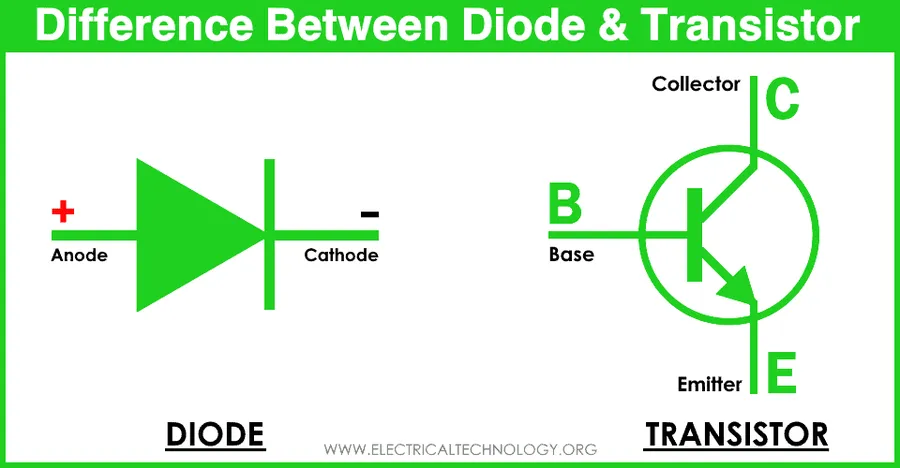
Diodes and transistors, while both fundamental semiconductor devices, exhibit key differences in their structure, functionality, and applications. Diodes act as one-way current conductors, while transistors function as amplifiers and switches, resulting in distinct characteristics in terminal counts, signal processing capabilities, and power requirements.
| Feature | Diode | Transistor |
|---|---|---|
| Number of Terminals | Two (Anode and Cathode) | Three or more (e.g., Base, Collector, Emitter or Gate, Drain, Source) |
| Primary Function | Rectification, unidirectional current flow, voltage regulation | Amplification, switching, signal processing |
| Signal Processing | Limited to basic rectification and signal clipping | Capable of signal amplification and switching, with gain control |
| Power Requirements | Generally requires lower power levels, designed for current manipulation | Wider range of power levels depending on type; higher power switching and amplification |
| Control Mechanism | Current flow controlled by voltage bias | Current flow controlled by current at the base in BJT or voltage at gate in FET |
| Complexity | Simpler structure and operation | More complex structure and operation, varied types with distinct characteristics |
| Circuit Role | Used in power conversion, signal detection, voltage referencing and circuit protection | Used in amplifier circuits, digital logic, power supplies, and signal manipulation |
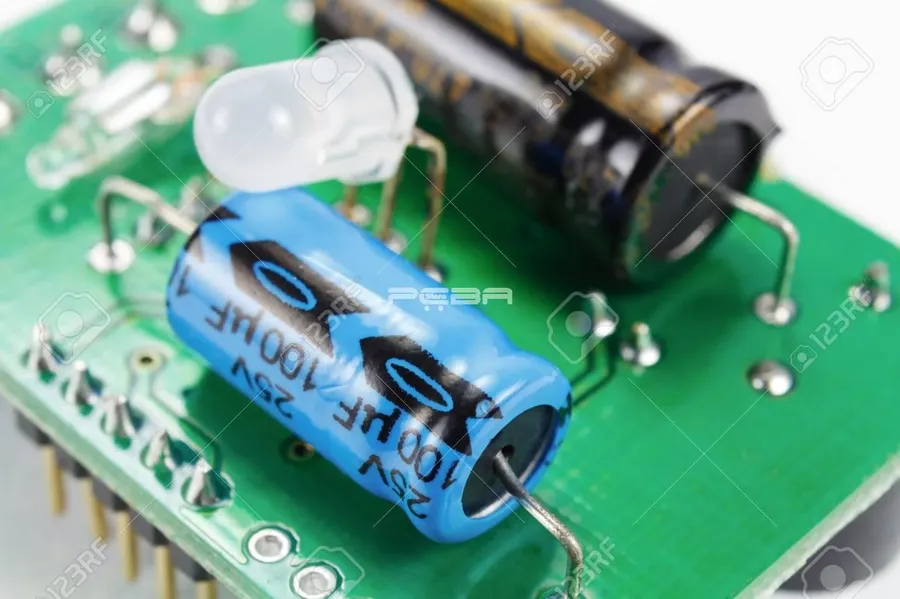
Diodes and transistors, the fundamental building blocks of modern electronics, are not merely theoretical concepts; they are the active components powering a vast array of technologies. Their roles in circuits are diverse, enabling everything from basic power management to complex signal processing. This section explores their practical applications in everyday technologies.
Diodes, known for their one-way current conduction capability, are crucial in power supply circuits. They function as rectifiers, converting alternating current (AC) to direct current (DC), which is essential for powering most electronic devices. Different types of diodes, such as Zener diodes, serve unique purposes, including voltage regulation. Transistors, with their ability to amplify or switch electronic signals, form the backbone of digital logic circuits. They are the key components in creating logic gates that perform the calculations in computers and other digital devices.
| Application Area | Component | Function | Specific Example |
|---|---|---|---|
| Power Supplies | Diodes | Rectification (AC to DC conversion), Voltage Regulation | Rectifier in laptop power adapter, Zener diode in voltage stabilizer |
| Audio Amplifiers | Transistors | Signal amplification | Transistor based amplifier in headphone |
| Digital Logic Gates | Transistors | Switching for logic operations (AND, OR, NOT) | Transistors in a CPU for processing logical operations |
| Switching Circuits | Transistors | Electronic Switching | Transistors controlling backlight in LCDs, or switching power in mobile phones. |
| LED Lighting | Diodes | Light Emission | LEDs in modern displays or lighting fixtures |
| Radio Frequency Circuits | Diodes & Transistors | Signal Detection, Amplification & Oscillation | Diodes and transistors within a mobile phone’s wireless circuit |
In consumer electronics, diodes are indispensable in the power sections of almost every device, including computers, smartphones, and home appliances. Transistors are the heart of these devices' processing capabilities, embedded in microchips to perform calculations and manage functions. Consider a smartphone: diodes ensure a stable power supply from the battery, while transistors in the processor and memory modules handle all of its complex operations. Similarly, in a simple appliance like a refrigerator, diodes play a role in regulating power, and transistors are part of the control systems that manage the motor and cooling functions.
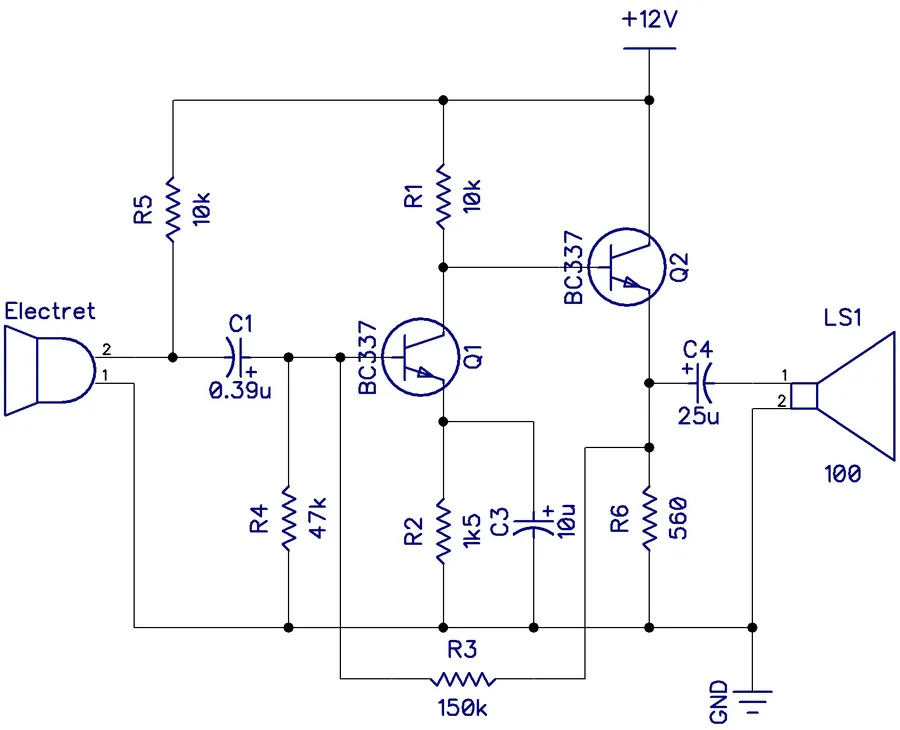
While diodes and transistors serve distinct functions in electronic circuits, a fundamental connection exists: a transistor's behavior can be conceptually understood through the lens of interconnected diodes. This relationship is crucial for grasping advanced circuit design principles and highlights the underlying semiconductor physics governing both components.
Specifically, Bipolar Junction Transistors (BJTs), the simplest type of transistor, can be visualized as two PN junctions back-to-back, forming two diodes. For an NPN transistor, the base-emitter junction is a forward-biased diode, and the base-collector junction represents a reverse-biased diode under normal active mode of operation, or another forward biased diode when in saturation mode. In a PNP transistor, the polarities are reversed. Understanding these diode-like behaviors is paramount to understanding transistor function.
Field-Effect Transistors (FETs), while not structurally containing PN junctions like BJTs, their operational characteristics are also dictated by the way they respond to an applied voltage that changes the conductivity of their 'channel'. In this way, the behavior is still similar to that of a variable diode, where the current is controlled by the voltage.
This relationship highlights a key principle: the behavior of complex semiconductor devices can often be understood by analyzing simpler component behavior, in this case the diode. The deep understanding of diode operation allows us to understand transistor operation. This perspective is invaluable for circuit designers when creating novel systems, providing a mental model for the control of electrical current flow. It's important to remember that the interconnection of these diode-like structures within a transistor results in emergent properties (such as amplification and switching) that go beyond simple diode behavior.
This section addresses common inquiries about diodes and transistors, clarifying their distinct characteristics, capabilities, and limitations within electronic circuits. Understanding these fundamental components is crucial for anyone working with electronics.
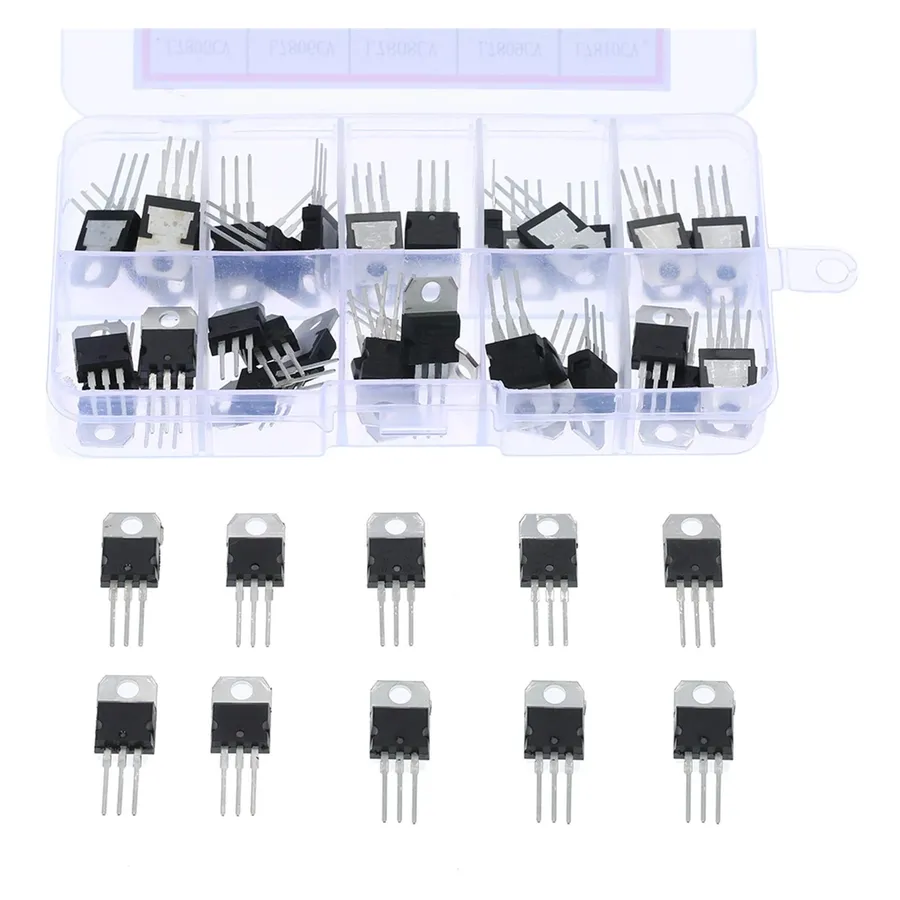
The landscape of diode and transistor technology is continuously evolving, driven by advancements in material science, manufacturing techniques, and the ever-increasing demand for higher performance and energy efficiency. These trends are not isolated but rather interconnected, shaping the future of electronics.
One prominent trend is the exploration of novel materials beyond traditional silicon. Researchers are actively investigating materials like Gallium Nitride (GaN) and Silicon Carbide (SiC), which offer superior properties in terms of higher breakdown voltages, higher operating temperatures, and higher switching speeds. These characteristics are essential for applications such as power electronics and high-frequency communication systems.
Furthermore, advancements in manufacturing techniques are enabling the fabrication of smaller, more intricate devices. Nanotechnology plays a crucial role in this endeavor, enabling the creation of transistors with nanoscale dimensions, improving device density and reducing power consumption. Additionally, 3D integration techniques are gaining traction, allowing for the stacking of multiple layers of transistors and diodes, further boosting device density and functionality.
The applications of diodes and transistors are expanding into new frontiers. Areas such as artificial intelligence, quantum computing, and advanced sensors are driving innovation in device design. The development of more efficient and precise sensor interfaces relies on advanced diode and transistor technology. The push for sustainable and efficient energy solutions is also propelling the development of new power semiconductor devices. These devices help improve power conversion, and renewable energy systems. These advancements are not without challenges. Issues such as heat dissipation, manufacturing costs, and material reliability remain important considerations. Addressing these challenges will be paramount for realizing the full potential of emerging diode and transistor technologies.
In essence, diodes and transistors are the workhorses of electronics. While a diode acts as a one-way street for current, a transistor is a complex gatekeeper and amplifier. Their differences, when understood and combined creatively, can lead to any digital device that modern technology requires. Further advancements in materials science will lead to diodes and transistors that continue to enhance our digital lives.

