The hum of a refrigerator, the breeze from an air conditioner – seemingly everyday occurrences, yet each powered by intricate components, often including a dual capacitor. This seemingly simple device acts as the unsung hero, storing and releasing electrical energy to power motors, crucial for HVAC systems, fans, and more. Let's dive into the world of dual capacitors, understanding their mechanics, their applications, and why they're essential for smooth operation, bridging the gap between electrical engineering and our daily lives.
Understanding Dual Run Capacitors: What Are They?
Dual Run Capacitor
Dual run capacitors are essential components in many electrical systems, particularly in HVAC (Heating, Ventilation, and Air Conditioning) systems and various motor-driven appliances. Unlike single capacitors, which serve only one motor, a dual run capacitor provides the necessary electrical boost to start and run two separate motors within a single unit, optimizing space and reducing component count. This dual functionality is the core reason for their name and distinguishes them from single capacitors.
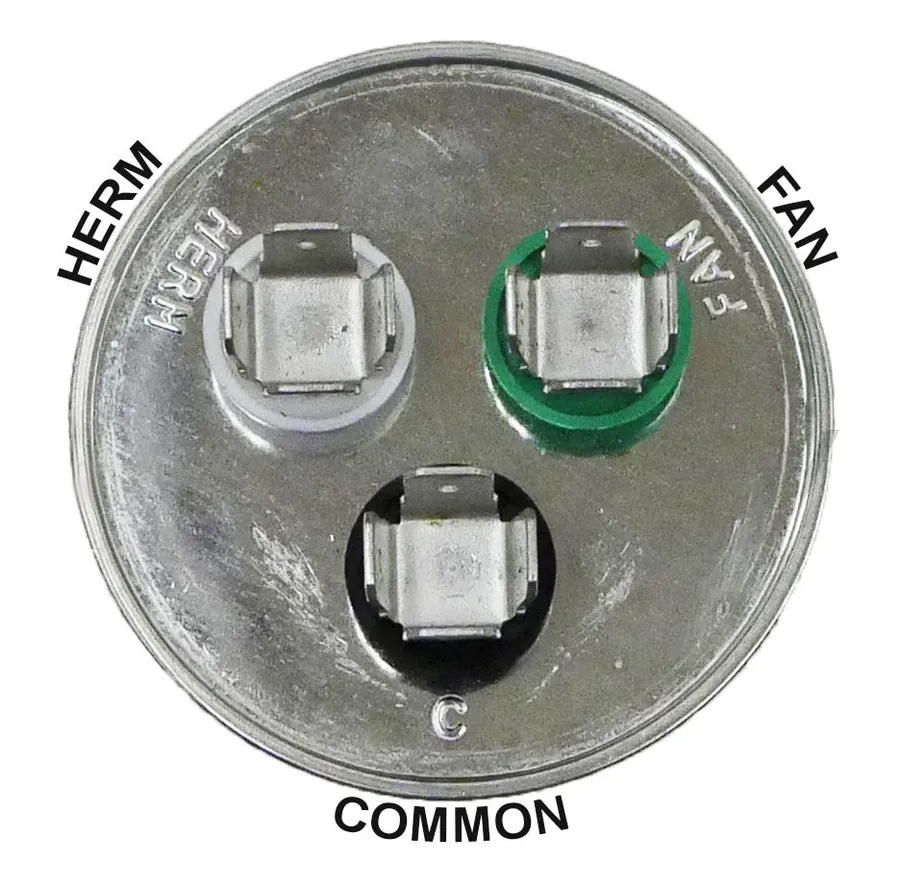
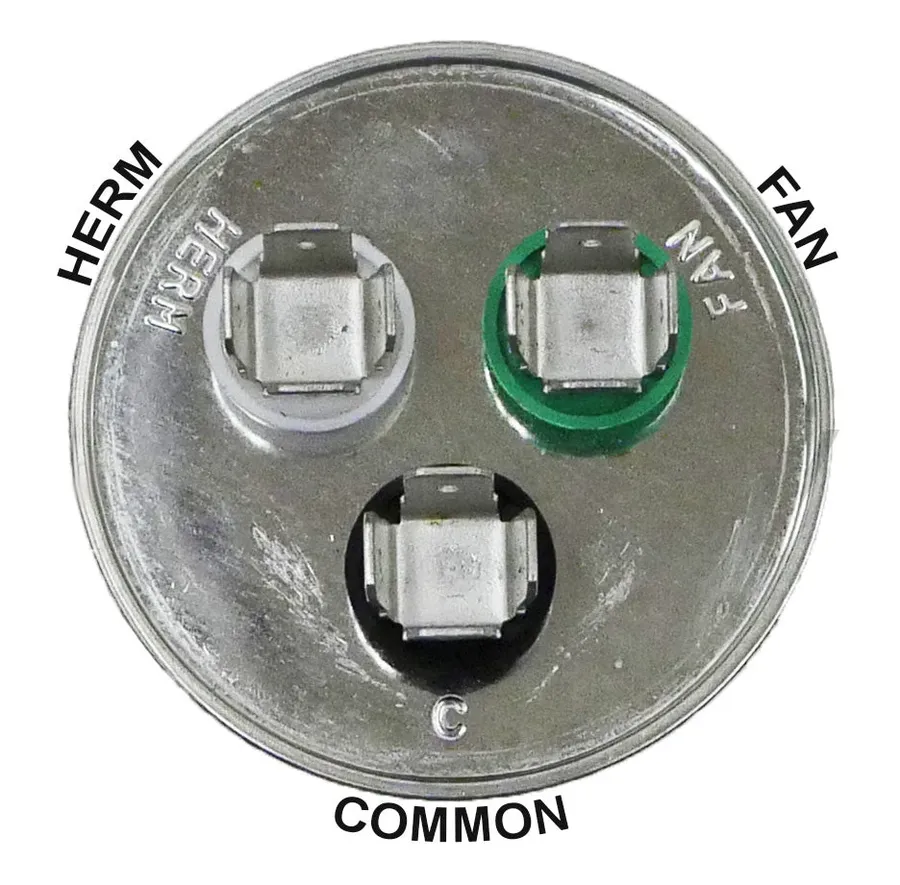
These capacitors are typically cylindrical and contain three terminals, labeled 'C' (common), 'H' (herm), and 'F' (fan). The 'C' terminal serves as a common connection point, while 'H' and 'F' are for the compressor and fan motors, respectively. The specific capacitance value (measured in microfarads, μF) for both the 'H' and 'F' sides is marked on the capacitor's label, and this selection is critical to proper system performance.
The internal construction of a dual capacitor involves two distinct capacitors in a single container, sharing the same 'C' terminal. This design results in a more compact and cost-effective solution compared to using two individual capacitors. They play a key role in improving the power factor of the system and ensuring the smooth operation of induction motors by providing phase shift and energy for starting and continuing their operations.
How Dual Capacitors Work: The Science Behind It
AC Motor Capacitor
Dual run capacitors are essential components in many motor-driven systems, particularly HVAC units, functioning as temporary energy storage devices. They are engineered to facilitate both the starting and running phases of electric motors by providing a necessary boost of electrical charge.
The operational principle hinges on the capacitor's ability to store electrical energy in an electric field created between its conductive plates, separated by a dielectric material. This stored energy is then released when needed, offering a high current surge that is critical for starting the motor. Unlike single capacitors, a dual capacitor features two distinct capacitance values within a single unit, each corresponding to specific motor windings—one for starting and another for running. This is key for efficient motor operation.
The science behind a dual capacitor involves the principles of capacitance and alternating current (AC) circuits. During the start-up phase, the capacitor delivers a substantial surge of current to the motor's start winding, creating a phase shift that enables the motor rotor to begin turning. Once the motor is running, the capacitor continues to provide a smaller, constant current to the run winding, which helps maintain the motor’s efficiency and reduces overall energy consumption. The dual capacitor’s design allows for this precise management of energy in both phases.
Dual Capacitor vs. Single Capacitor: Key Differences
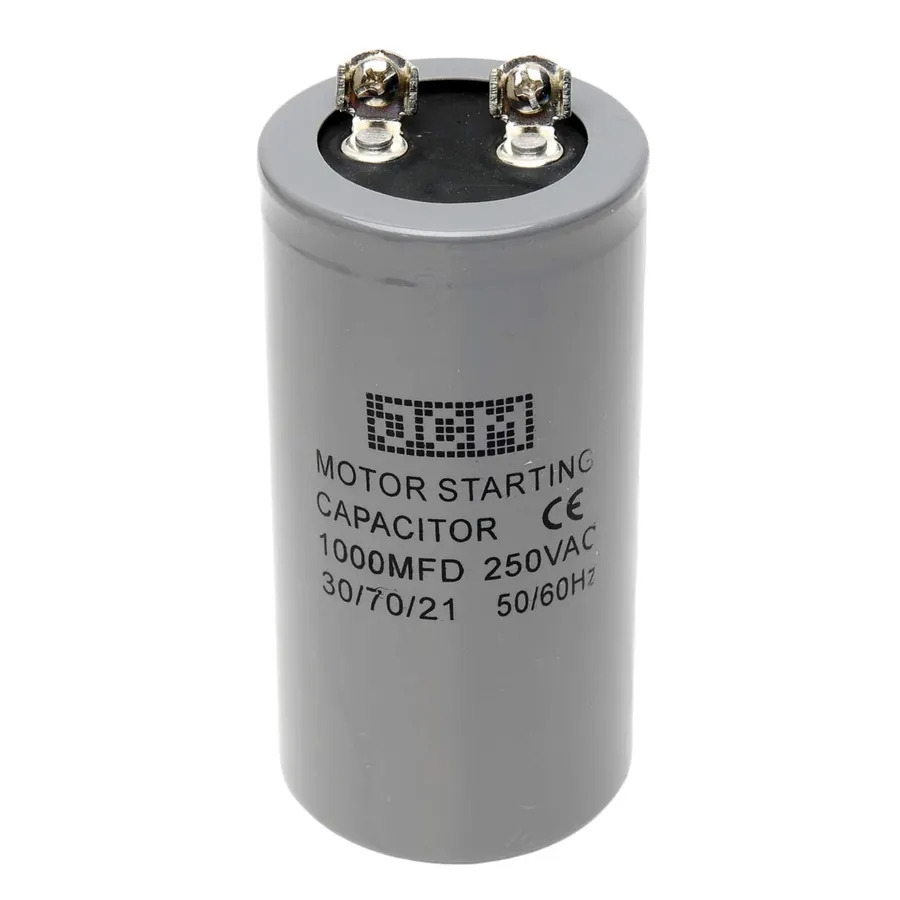
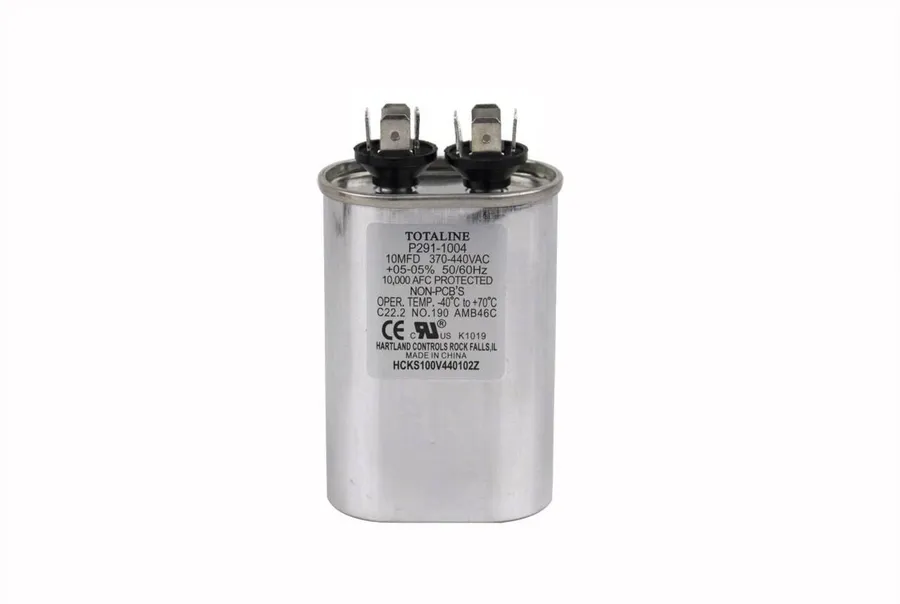
Single Run Capacitor
Dual and single run capacitors, while both serving to store and release electrical energy in motor circuits, differ significantly in their design and application. A dual capacitor houses two capacitors in a single unit, enabling it to power multiple components, such as the compressor and fan motor in an HVAC system, whereas a single capacitor is designed for a single motor.
Feature
Dual Run Capacitor
Single Run Capacitor
Function
Powers two motor components (e.g., compressor and fan motor)
Powers one motor component
Internal Structure
Contains two capacitors within one casing
Contains a single capacitor
Terminals
Typically three terminals: C (Common), H (Herm), and F (Fan)
Typically two terminals: one connected to the power source and the other to the motor winding
Application
Primarily used in HVAC systems, some pumps and appliances
Used in a wide range of motors including appliances, pumps, and power tools
Complexity
More complex wiring due to multiple terminals
Simpler wiring due to two terminals
Cost
Generally more expensive than single run capacitors
Generally less expensive than dual run capacitors
Size
Usually larger due to the dual functionality
Usually smaller and more compact
The key difference lies in the functionality: a dual capacitor optimizes space and cost in applications requiring multiple motors, while single capacitors are more basic and dedicated to individual motors. Dual capacitors have 3 terminals labeled as C(Common), H(Herm) and F(Fan), the ‘C’ terminal is usually connected to the power source. While single capacitors have two terminals that are connected to the power source and the motor respectively.
Dual Capacitor Selection: A Practical Guide
Dual Capacitor Sizes
Selecting the correct dual capacitor is crucial for ensuring the proper functioning and longevity of your HVAC system or other appliances. This guide provides a practical approach to choosing a dual capacitor, focusing on key parameters such as capacitance, voltage, and application. Understanding these factors will enable you to make an informed decision and avoid potential issues. Additionally, we will cover the interpretation of capacitor labels, which are critical for matching the correct replacement.
The primary factors to consider when selecting a dual capacitor are:
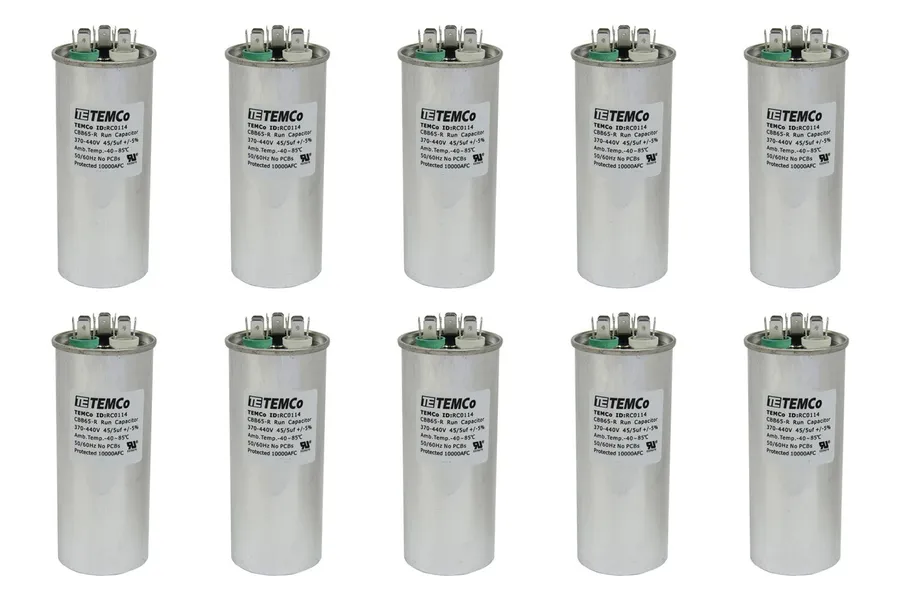
Capacitance (µF) Measured in microfarads (µF), capacitance is the most important parameter. The dual capacitor will have two capacitance values, one for the fan motor and one for the compressor motor. These values must match the original capacitor or the specifications provided by the equipment manufacturer. Using a capacitor with an incorrect capacitance can cause the motors to operate inefficiently or fail prematurely. Capacitance values are typically found on the capacitor label, often as two numbers separated by a slash (e.g. 45/5 µF).
Voltage The voltage rating of the capacitor must be equal to or greater than the voltage of the electrical circuit where it will be installed. Using a capacitor with a lower voltage rating can lead to capacitor failure and potentially dangerous situations. Common voltage ratings for dual capacitors in HVAC systems are 370VAC and 440VAC. Always choose a replacement with a voltage rating equal to or higher than the original capacitor.
Application Dual capacitors are designed for specific applications and motor types. For example, a capacitor designed for a residential AC unit will have different specifications from one used in a commercial HVAC system. Ensure that you have a dual run capacitor and not another capacitor type before proceeding with your purchase. The application is not always explicitly written on the capacitor, so knowing the requirements of your device is essential. Usually the device's user manual will specify the correct specifications.
Reading a dual capacitor label is crucial for proper replacement. The label contains important information about the capacitor's specifications. Here’s how to interpret the key elements:
Capacitance Values These are usually two numbers separated by a slash, such as 45/5 µF. The first number (e.g., 45) indicates the capacitance for the compressor motor, while the second number (e.g., 5) indicates the capacitance for the fan motor.
Voltage Rating This is typically found next to the 'VAC' abbreviation, such as 370VAC or 440VAC. Ensure the replacement capacitor matches or exceeds this value.
Terminal Markings Dual capacitors have three terminals labeled 'C', 'H', and 'F'. 'C' stands for common, 'H' is for the hermetic compressor, and 'F' is for the fan motor. These terminal markings must be connected to the correct wires.
Manufacturer and Model The label will also contain manufacturer details and part numbers which might assist in obtaining a compatible replacement.
Dual Capacitor Wiring: Essential Steps and Diagrams
Dual Capacitor Wiring
Proper wiring of a dual capacitor is crucial for the safe and effective operation of HVAC systems and other appliances that use them. This section provides a step-by-step guide, emphasizing safety, correct terminal identification (C, H, and F), and practical wiring diagrams to ensure correct installation.
Safety First: Discharging the Capacitor Before handling any capacitor, it is paramount to discharge it to prevent electrical shock. Use a screwdriver with an insulated handle to short the terminals, or a purpose-built capacitor discharge tool. This step ensures safety and mitigates risks associated with residual charge.
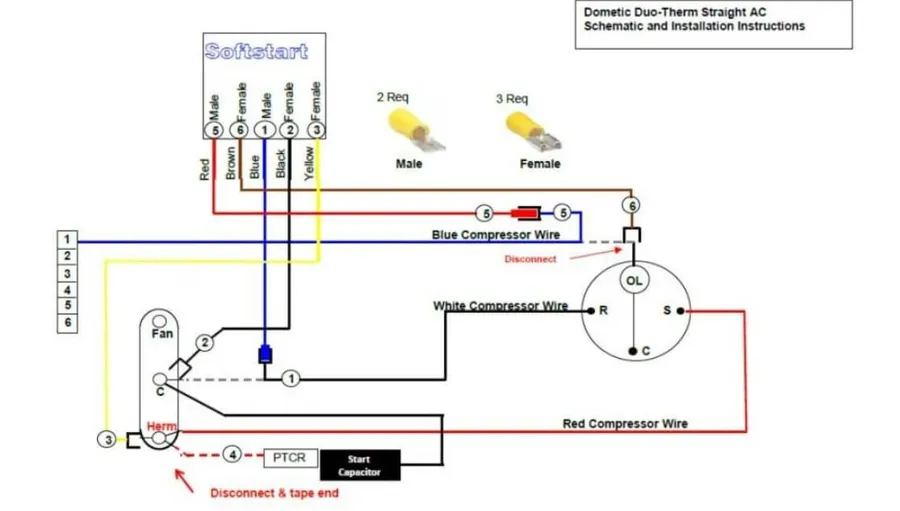
Identifying Terminals: C, H, and F Dual capacitors typically have three terminals marked as 'C' (Common), 'H' (Herm), and 'F' (Fan). 'C' connects to the power source and the compressor's and fan motor's start windings. 'H' connects to the compressor motor, and 'F' connects to the fan motor. Correctly identifying each terminal is essential for proper functionality.
Step-by-Step Wiring Instructions With the capacitor safely discharged and terminals identified, follow the specific wiring diagram provided with your equipment or obtain the manufacturers diagram before commencing. Generally, the wiring process involves connecting the corresponding wires from the motor components and power source to the correct terminal on the dual capacitor, ensuring all connections are secure. Double check and ensure that the correct terminal is connected to the right wire before energizing.
When connecting wiring, ensure that the connections are secure, that there are no bare wires exposed, and that the wires have sufficient gauge to carry the electrical current required by the equipment to which they are attached. Double check your work before restoring power.
Terminal
Description
Connection
C
Common
Power Source, Compressor and Fan Start Windings
H
Herm
Compressor Motor
F
Fan
Fan Motor
Troubleshooting and Identifying a Failing Dual Capacitor
Identifying a failing dual capacitor is crucial for maintaining the efficient operation of HVAC systems and other appliances. These components are subject to wear and tear, and their failure can manifest in several noticeable ways. Early detection can prevent further damage and costly repairs.
Visual inspection is the first step in diagnosing a potential dual capacitor problem. Look for physical signs such as bulging or swelling of the capacitor's case. A leaking capacitor might exhibit oil or fluid residue, often accompanied by a burnt or acrid smell. These are clear indicators that the capacitor is nearing or has reached the end of its operational life.
Electrical testing using a multimeter is essential for an accurate diagnosis. By measuring the capacitance, you can determine if the component is within its specified range. A reading significantly below the rated value on the capacitor label indicates a failing component. Additionally, check for continuity to identify shorts within the capacitor. Safety precautions, such as discharging the capacitor before testing, must be adhered to.
When a dual capacitor fails, the effects can manifest in several ways. The appliance might struggle to start, resulting in a humming or clicking sound. If the fan motor is driven by the capacitor, it might run slowly or intermittently. In severe cases, the motor might not start at all. These are indicative of a capacitor unable to store and deliver the required energy.
It's important to distinguish a failing dual capacitor from other potential issues within the system. A failing capacitor generally won't cause breakers to trip, but rather, it will result in inadequate starting and running performance. A systematic approach to diagnosing the symptoms and conducting the appropriate electrical tests will help you accurately isolate the faulty component, allowing for its timely replacement.
Dual Capacitor Replacement: A DIY Guide
Dual Capacitor Replacement
Replacing a dual capacitor, while seemingly complex, can be a straightforward task with the right tools and precautions. This section provides a practical guide for DIY replacement, emphasizing safety, particularly the crucial step of discharging the capacitor before handling.
Before initiating any work, it's imperative to disconnect the power supply to the appliance or HVAC system where the capacitor is located. This step is critical to prevent electrical shock and potential injury. The following steps outline a safe and effective process for replacing a dual capacitor.
Essential Tools Gather the necessary tools: insulated screwdriver(s) (both Phillips and flathead), a digital multimeter, safety glasses, work gloves, and a replacement dual capacitor that matches the specifications (microfarads (µF) and voltage) of the original. Additionally, a discharge tool (such as a resistor with alligator clips) is highly recommended for safe discharge.
Safety First: Discharging the Capacitor Prior to handling the old capacitor, it MUST be discharged. Capacitors store electrical energy even after the power is off and can deliver a potentially lethal shock if not properly discharged. Connect the discharge tool (resistor) across the capacitor terminals for at least 2 minutes to safely dissipate any remaining charge. Verify using the multimeter that no voltage is present across the terminals before proceeding.
Document Wiring Before disconnecting any wires, take a clear picture or label the wires connected to the 'C', 'H', and 'F' terminals, using a marker and tape. Note the orientation for proper reconnection. This prevents errors during reassembly.
Disconnecting the Old Capacitor Carefully remove the wires from the old capacitor terminals, one at a time. Ensure each wire is safely placed away from the terminals to prevent accidental contact and short circuits.
Installing the New Capacitor Install the new dual capacitor in the same location as the old one, making sure it is secure. Now connect the wires to the new capacitor terminals, matching the labels or photos taken during the 'Document Wiring' step. Ensure that all connections are firm and secure.
Final Checks and Reassembly Double-check all wiring connections before re-energizing the appliance or HVAC system. Secure the access panel or cover. Restore power to the system and monitor it for a few minutes to verify proper operation.
Warning: If you are uncomfortable working with electrical components, or are unsure of any of these procedures, contact a qualified HVAC technician or electrician. Electrical work can be dangerous, and it is always better to err on the side of safety. Incorrect wiring could result in equipment damage and potential harm.
Frequently Asked Questions About Dual Capacitors
This section addresses common questions about dual capacitors, providing clear and concise answers to help you understand their function, issues, and maintenance. We aim to provide specific, insightful information to resolve user's real-world queries regarding dual capacitors.
What is the primary function of a dual capacitor? A dual capacitor's primary function is to provide the necessary electrical boost to start and run two different motors in an appliance, typically an HVAC system's fan and compressor motors. It does this by storing electrical energy and releasing it as needed to assist in motor operation. The 'dual' aspect refers to its ability to handle two separate circuits within a single component, effectively doing the job of two individual capacitors.
What are the key differences between a single and a dual capacitor? A single capacitor is designed to start or run only one motor. In contrast, a dual capacitor is designed to start and run two motors within the same device, such as the fan motor and compressor motor in an HVAC unit. Dual capacitors have three terminals (C, H, and F) while single capacitors typically have two. A dual capacitor essentially combines the functions of two single capacitors into one casing, which reduces space and cost.
How can I determine if a dual capacitor has failed? Common signs of a failing dual capacitor include a humming sound from the unit but the fan or compressor failing to start, the motor starting slowly, or the system not turning on at all. Visually, a failed capacitor may show signs of bulging, leaking, or being physically damaged. Use a multimeter to test capacitance values, which should closely match the labeled values. Always discharge the capacitor before testing or handling it to avoid electrical shock.
What is the average cost to replace a dual run capacitor? The cost to replace a dual run capacitor varies depending on the capacitor's specifications, the brand, and whether you hire a professional or perform the replacement yourself. The capacitor itself might cost between $20 and $100, while professional service could increase the total cost to $150 to $400 or more, depending on the labor rate and complexity of the job. DIY replacement requires knowledge and caution to avoid electrical shock.
What are the risks of operating an appliance with a failing dual capacitor? Operating an appliance with a failing dual capacitor can lead to inefficient performance, increased energy consumption, and potential damage to the motors. It may also cause the system to overheat, leading to premature failure of other components. In some cases, a shorted capacitor can even pose a fire hazard. It is essential to replace a failed capacitor promptly to prevent further damage and maintain system safety and efficiency.
Can I replace a dual capacitor with two separate single capacitors? While technically feasible, replacing a dual capacitor with two separate single capacitors is not ideal for several reasons. Dual capacitors are designed to handle the specific electrical requirements of the two motors they serve, offering a compact and more efficient solution. Using two single capacitors would increase the complexity of wiring, use more space and may not achieve the same level of balanced performance. It's also vital to match the correct capacitance values for each motor. Using two separate capacitors would make this more complex and increase the risk of using the wrong capacitors which could cause damage to the motors.
What are the key safety precautions when working with dual capacitors? Dual capacitors store a dangerous electrical charge, even when the unit is turned off. Before handling or replacing a dual capacitor, always discharge the stored energy using a suitable tool like a screwdriver with an insulated handle across the terminals, being careful not to cause a short circuit and creating an arc. Never touch the capacitor terminals directly with bare hands. Always disconnect power before any work is done. It is advisable to seek professional assistance if you are uncomfortable with this process or do not have experience.
Dual Capacitor Maintenance and Longevity Tips
Extending the lifespan of a dual capacitor involves implementing preventative measures and understanding the factors that contribute to its degradation. Proper maintenance ensures efficient operation of HVAC systems and other appliances relying on these components, preventing premature failure and costly replacements. Addressing the common causes of failure is paramount in achieving optimal longevity.
Protect from Excessive Heat Heat is a primary contributor to capacitor degradation. Ensure the capacitor is installed in a well-ventilated area, away from direct sunlight or other heat-generating components. High temperatures accelerate the evaporation of the electrolyte within the capacitor, leading to reduced capacitance and eventual failure.
Shield from Physical Damage Physical impacts and vibrations can cause internal damage to the capacitor. Ensure the capacitor is securely mounted and protected from external forces or movements that could compromise its integrity. A damaged casing could lead to electrolyte leakage and functional failure.
Regular System Checks Conduct routine inspections of the system where the dual capacitor is installed. Look for signs of stress, such as bulging cases, leaks, or unusual noise from the capacitor or associated motors. Catching issues early allows for timely intervention and prevents further damage.
Proper Installation Always ensure the capacitor is correctly installed according to the manufacturer's specifications. This includes selecting the correct capacitance and voltage rating and proper wiring. Incorrect installation can lead to overheating, overvoltage, and premature failure.
Avoid Overworking the System Systems that are frequently operating under high load or extreme conditions put extra strain on the capacitor. This may require more frequent replacements or can accelerate their degradation. Consider reducing the load or improving system design.
Address Power Surges Protect the capacitor from power surges, which can damage internal components. Installing surge protection devices or voltage regulators can reduce the risk of damage from sudden electrical spikes and overvoltage.
Dual capacitors, often hidden from view, play a pivotal role in the smooth and efficient operation of our HVAC systems, fans, and numerous other appliances. They are the unsung heroes of electrical systems, managing power for crucial motors. Understanding their function, selection, and maintenance is essential for both homeowners and professionals. By mastering the insights provided, you can maintain the longevity of your equipment, ensure safe operation, and appreciate the often-overlooked technology behind everyday comforts. Continuing advancements in capacitor technology are also leading to more compact, efficient, and reliable dual capacitors, pointing towards a future where energy is managed even more effectively.