Just as the intricate network of roads connects cities, electrical circuits are the lifelines of modern technology. From the simple switch in your lamp to the sophisticated microchips in your phone, they all rely on a common set of essential components. This article delves into the heart of circuits, exploring the key parts that make them function, illuminating how each component plays a critical role in the flow of electricity. We'll demystify the world of circuits, showing how these parts combine to power the technology we rely on every day, making complex concepts understandable for everyone, while ensuring comprehensive knowledge.
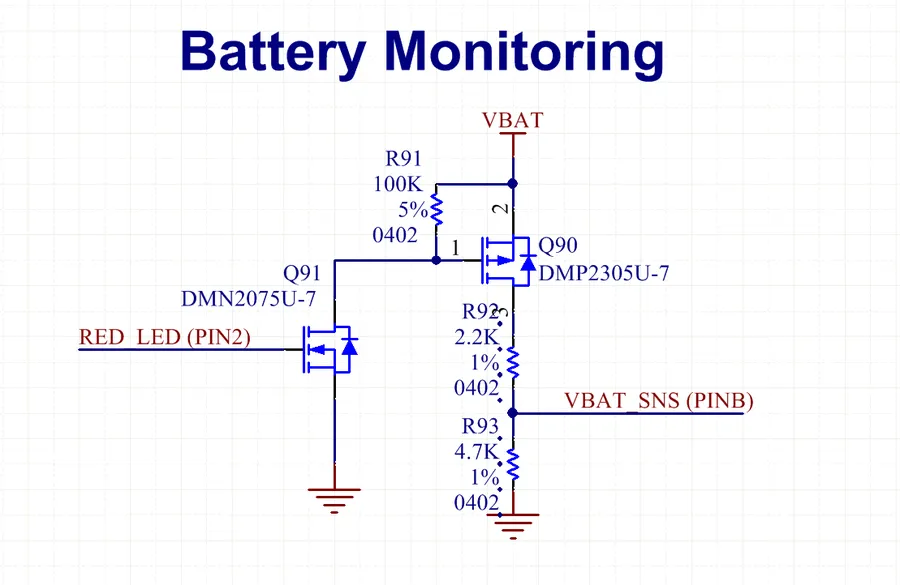
The power source is the fundamental component that provides the electrical energy necessary for a circuit to operate. It acts as the 'heart' of the circuit, driving the flow of electrons and enabling other components to perform their functions. Without a power source, a circuit is simply a collection of inert parts.
Power sources can be broadly categorized into two main types: Direct Current (DC) and Alternating Current (AC). DC power sources, such as batteries, provide a unidirectional flow of electrons, while AC sources, such as household power outlets, cause electrons to periodically change direction. The choice of power source depends on the specific application and the requirements of the circuit.
| Feature | Direct Current (DC) | Alternating Current (AC) |
|---|---|---|
| Electron Flow | Unidirectional | Bidirectional (periodic) |
| Typical Sources | Batteries, Solar Cells | Power Outlets, Generators |
| Voltage | Constant Polarity | Polarity Reverses Periodically |
| Applications | Portable Electronics, LEDs | Household Appliances, Power Transmission |
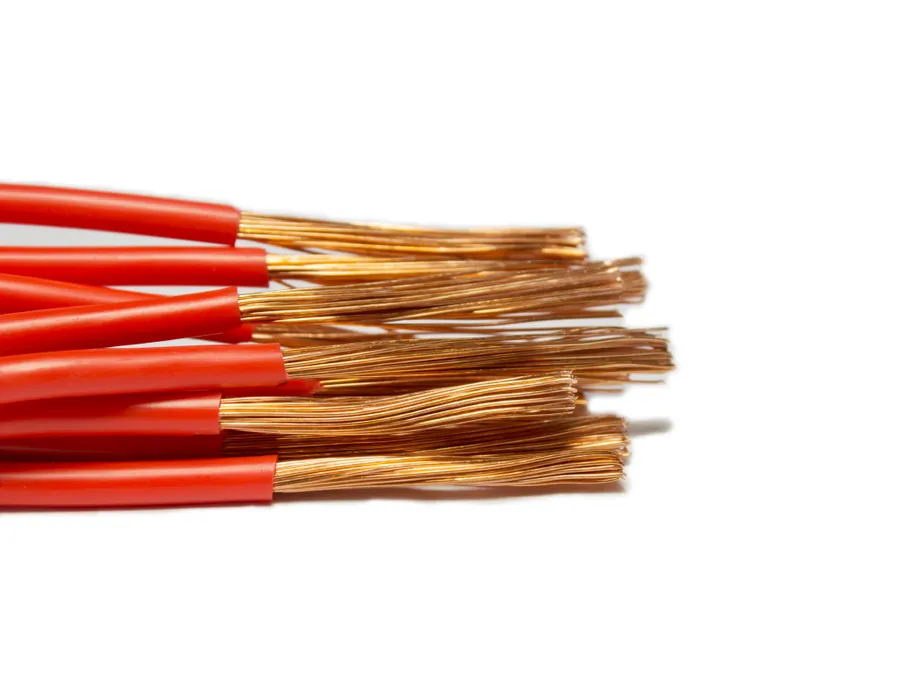
Conductors are the critical components that provide a pathway for electrical current to flow within a circuit. Typically made of materials with low electrical resistance, they facilitate the movement of electrons from the power source to the various components in the circuit. The efficiency of a conductor is determined by its conductivity, which is a material-specific property.
| Material | Conductivity (S/m) | Common Applications |
|---|---|---|
| Copper | 5.96 x 10^7 | Wiring, PCBs, Electrical Connectors |
| Aluminum | 3.77 x 10^7 | Power Transmission Lines, Heatsinks |
| Gold | 4.10 x 10^7 | High-end Electronic Connectors, PCBs |
| Silver | 6.30 x 10^7 | High-frequency applications, specialized electronics |
| Iron | 1.00 x 10^7 | Relays, Circuit Breakers |
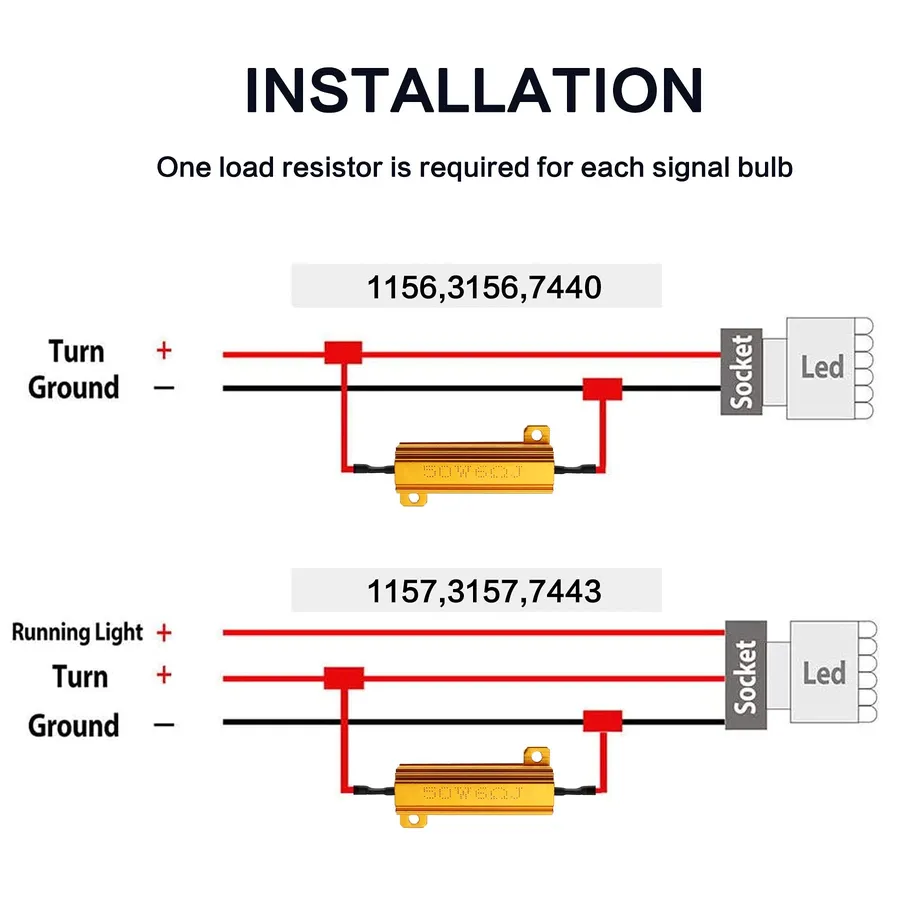
In an electrical circuit, loads are components that convert electrical energy into another form of energy, performing a specific function. These are the 'workhorses' of the circuit, drawing power from the source and transforming it into useful outputs, such as light, motion, or heat.
Loads are diverse and can include various components, each designed for a specific purpose. Understanding how loads operate is crucial for designing and troubleshooting circuits.
| Load Type | Function | Energy Conversion | Examples |
|---|---|---|---|
| Light Bulb | Produces light | Electrical to light and heat | Incandescent bulb, LED, fluorescent lamp |
| Motor | Produces mechanical motion | Electrical to mechanical | Electric fan motor, vehicle motor, pump |
| Resistor | Limits current flow and produces heat | Electrical to heat | Heating element, circuit protection resistors |
| Speaker | Produces sound | Electrical to sound waves | Headphones, audio speakers |
| Heating Element | Produces heat | Electrical to heat | Toasters, Hair Dryers |
Key parameters to consider when analyzing loads include voltage, current, and power consumption. These parameters dictate how much energy a load requires and its impact on the circuit's overall performance. An appropriate load selection is vital for the proper functionality and safety of any electrical circuit.
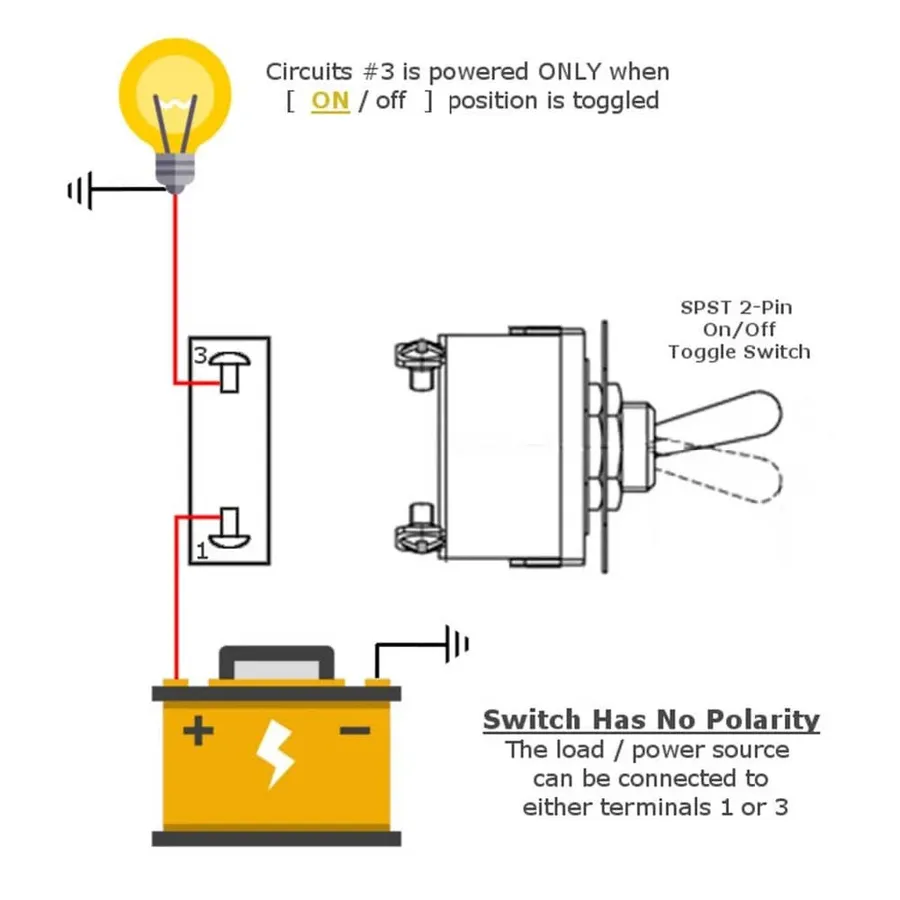
Switches are essential components in electrical circuits, acting as control mechanisms to enable or interrupt the flow of current. They function as on/off controls, allowing users to manage the operation of various electrical devices and systems. The functionality and application of a switch are determined by its design and mechanism.
| Switch Type | Description | Common Applications |
|---|---|---|
| Toggle Switch | A mechanical switch that flips between two positions (on and off). | Wall lights, simple electronic devices. |
| Push-button Switch | A switch that is momentarily activated when pressed and returns to its default position when released. | Keyboards, remote controls, doorbells. |
| Rotary Switch | A switch that is activated by rotating a knob or dial, often offering multiple positions. | Appliance controls, channel selectors. |
| Slide Switch | A switch that is activated by sliding a control between two or more positions. | Small electronic devices, audio equipment. |
| Relay Switch | An electrically operated switch that uses a small current to control a larger current. | Industrial control systems, automotive electronics. |
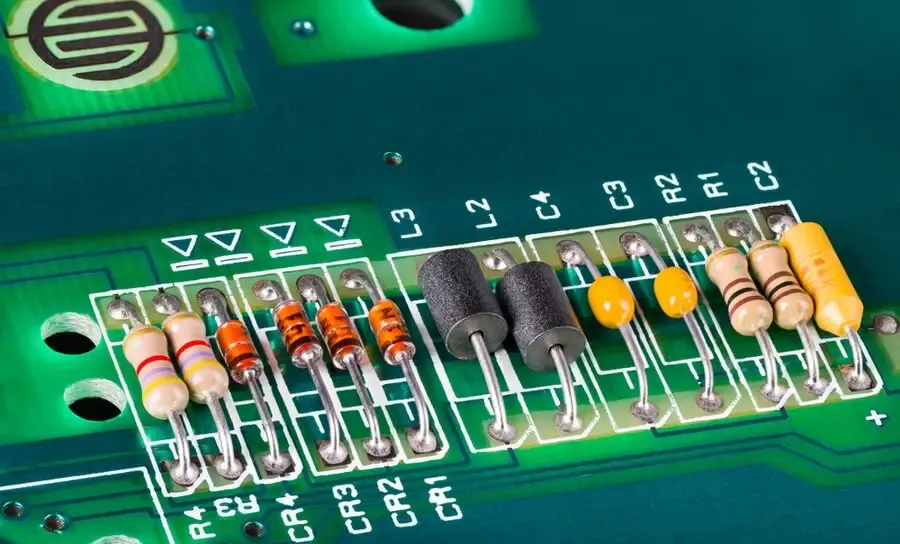
Resistors are essential passive components within electrical circuits, primarily used to impede the flow of electric current. By introducing a specific level of electrical resistance, resistors play a crucial role in protecting sensitive components and controlling the behavior of the circuit. Their resistance is measured in ohms (Ω), and different resistor values are employed to manage current flow with precision, effectively regulating energy dissipation and preventing component damage due to excessive current.
| Property | Description |
|---|---|
| Function | Limits current flow within a circuit. |
| Unit of Measure | Ohms (Ω) |
| Primary Effect | Converts electrical energy into heat. |
| Types | Carbon Film, Metal Film, Wirewound, Variable |
| Tolerance | Accuracy of the stated resistance value, often expressed in percent (%) |
The amount of current flow is inversely proportional to the resistance. Higher resistance results in lower current and vice versa. When current passes through a resistor, energy is dissipated in the form of heat. Choosing the appropriate resistor for a specific application requires careful calculation using Ohm's law (V=IR), where V is voltage, I is current, and R is resistance. The physical size of a resistor also plays a role in determining its power handling capability which is the amount of heat it can dissipate safely.
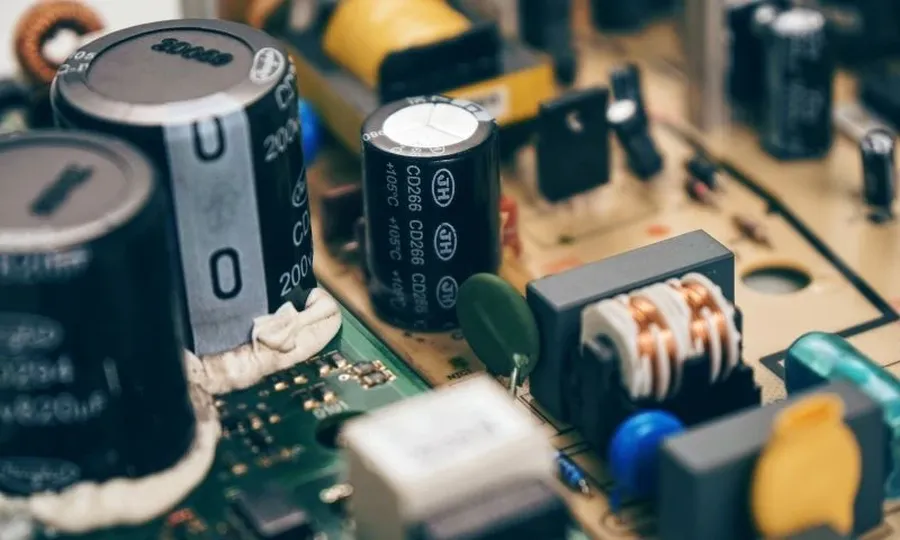
Capacitors are passive electronic components that temporarily store electrical energy in an electric field, much like a rechargeable battery, but with distinct characteristics in terms of storage capacity and discharge behavior. Unlike batteries that generate electrical energy through chemical reactions, capacitors store energy electrostatically, and discharge it rapidly. They play a crucial role in filtering, smoothing, and timing circuits due to their ability to quickly accumulate and release charge.
| Feature | Capacitors | Batteries |
|---|---|---|
| Energy Storage Mechanism | Electrostatic | Electrochemical |
| Charge/Discharge Rate | Rapid | Slower |
| Energy Density | Lower | Higher |
| Primary Function | Filtering, Smoothing, Timing | Power source |
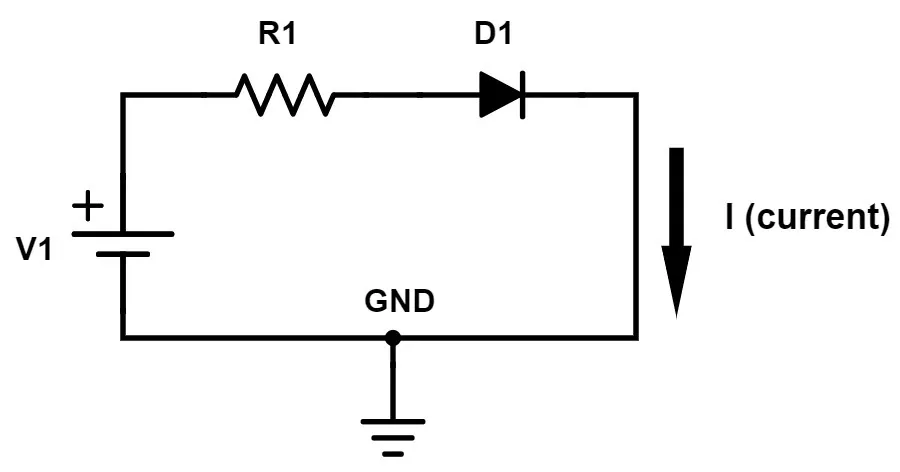
Diodes are semiconductor devices that exhibit a unique property: they allow electrical current to flow predominantly in one direction, known as the forward direction, while significantly impeding current flow in the opposite or reverse direction. This unidirectional conductivity makes them crucial for various electronic applications, particularly in rectification and signal modulation processes.
The functional principle of a diode is rooted in the physics of semiconductor materials, specifically the behavior of a p-n junction. This junction is formed by joining a p-type semiconductor (rich in holes) and an n-type semiconductor (rich in electrons). When a voltage is applied in the forward direction (positive terminal connected to the p-type material and negative to n-type), the diode has low resistance and allows current to flow easily. Conversely, under reverse voltage, the diode offers high resistance, largely preventing current flow. This behavior is the core of their utility in circuits.
| Parameter | Description | Typical Value |
|---|---|---|
| Forward Voltage Drop | Voltage drop across the diode when conducting current in the forward direction | 0.3V to 0.7V (for silicon diodes) |
| Reverse Leakage Current | Small current that may flow in the reverse direction | A few nanoamps (nA) to microamps (μA) |
| Maximum Forward Current | The maximum current the diode can handle in the forward direction | Varies from mA to several A, depending on the type |
| Breakdown Voltage | Reverse voltage the diode can withstand before it starts conducting in the reverse direction | Varies widely, depending on the type |
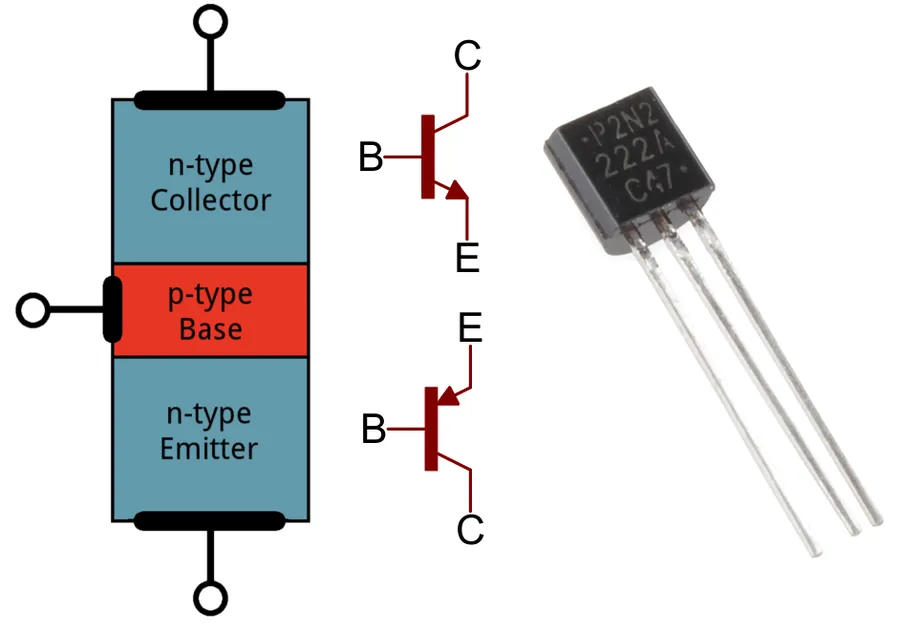
Transistors are semiconductor devices that serve as the fundamental building blocks of modern electronics. They act as either electronic switches, controlling the flow of current, or as amplifiers, boosting weak electrical signals. This dual functionality makes them indispensable components in a wide range of applications, from simple circuits to complex integrated circuits within computers and smartphones.
A transistor's operation is based on the modulation of current flow through its terminals using a small control current or voltage. This control capability enables transistors to perform logical operations, implement memory storage, and manage power distribution within electronic devices, impacting everything from basic digital logic to analog signal amplification.
There are two primary categories of transistors: bipolar junction transistors (BJTs) and field-effect transistors (FETs). BJTs control current using a base current, while FETs utilize an electric field to control a gate voltage. Each type has its advantages in different circuit designs. The versatility of transistors allows for diverse implementations, tailored to specific circuit needs and performance goals. Their widespread use in all electronic circuits underscores their status as a core component in modern technology.
Understanding the fundamental components of electrical circuits is crucial for both beginners and experienced professionals in electronics. This section addresses common questions to clarify the roles and importance of various circuit parts.
In conclusion, understanding the basic parts of a circuit is essential to grasping how electrical devices function. From the power source providing energy, to the conductors that create pathways, to the switches and other components that manage flow, each component is critical to the overall operation of any electrical circuit. Whether it's a simple flashlight circuit or a complex integrated circuit within a computer, they all share a common set of parts that form the foundation of the technological world we live in. It is through these components working together that electricity becomes more than just a force, but the lifeblood of innovation.

