In the intricate world of electronics, achieving precise circuit performance is paramount. Like the fine-tuning pegs on a violin, trimmer capacitors allow engineers to delicately adjust the capacitance in a circuit for optimal operation. These small but mighty components play a crucial role in calibration and fine-tuning, ensuring electronic devices work exactly as intended. This article will delve into the world of trimmer capacitors, explaining their function, types, applications, and how they are essential for precise electronics.
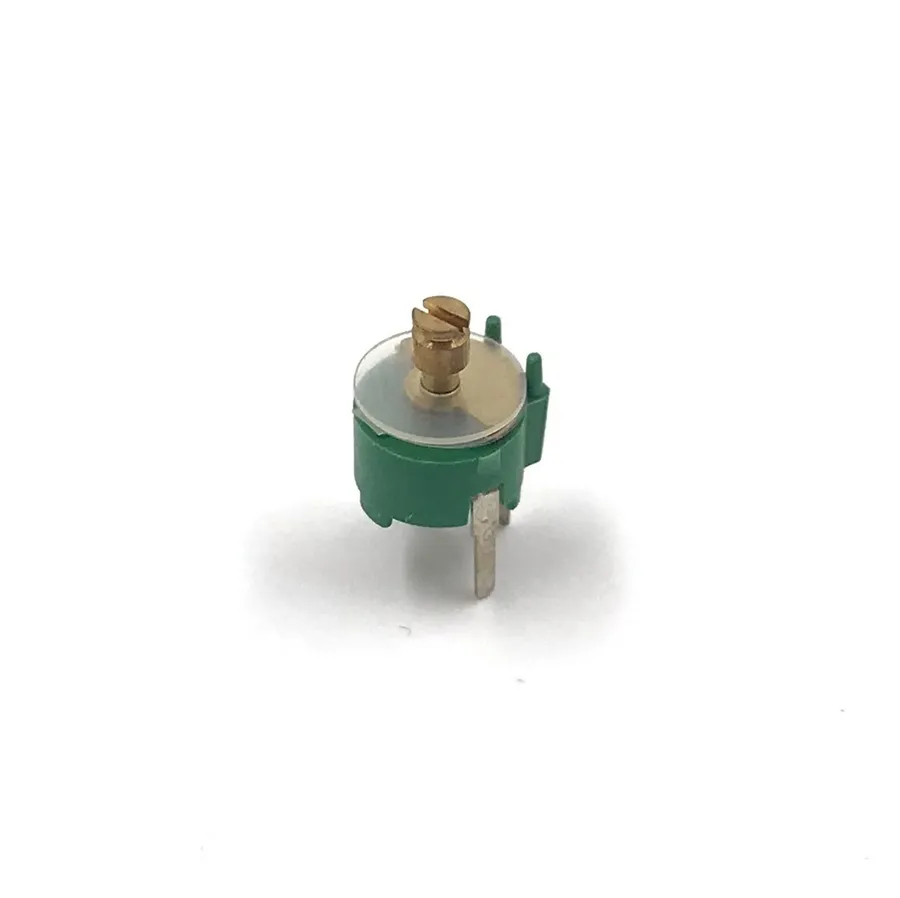
A trimmer capacitor, often referred to as a trimcap, is a compact variable capacitor engineered for the precise, infrequent calibration of electronic circuits. Distinct from variable capacitors designed for regular adjustments, trimmer capacitors are specifically intended for fine-tuning during initial setup or occasional recalibration to maintain optimal circuit performance.
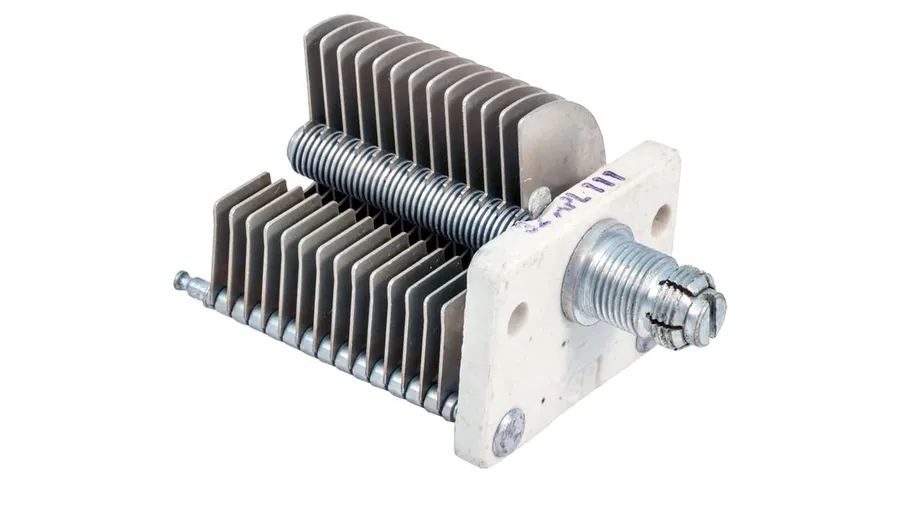
Trimmer capacitors and variable capacitors both allow for adjustable capacitance, but they serve distinct purposes and exhibit notable differences in their design and application. Trimmers are optimized for infrequent, highly precise adjustments, primarily during the calibration phase of circuit development or maintenance. Variable capacitors, conversely, are designed for more frequent tuning and cover wider capacitance ranges, making them suitable for applications where capacitance changes are regularly needed.
| Feature | Trimmer Capacitor | Variable Capacitor |
|---|---|---|
| Adjustment Frequency | Infrequent, primarily for calibration | Frequent, for continuous tuning |
| Size | Smaller, typically PCB mountable | Larger, often panel mounted |
| Capacitance Range | Narrow, optimized for fine-tuning | Broader, allowing for larger adjustments |
| Precision | High precision, critical for calibration | Moderate precision, suitable for general tuning |
| Adjustment Method | Screw or small rotating mechanism | Rotating shaft or knob |
| Typical Applications | Initial circuit calibration, fine-tuning | Radio tuning, variable filter circuits |
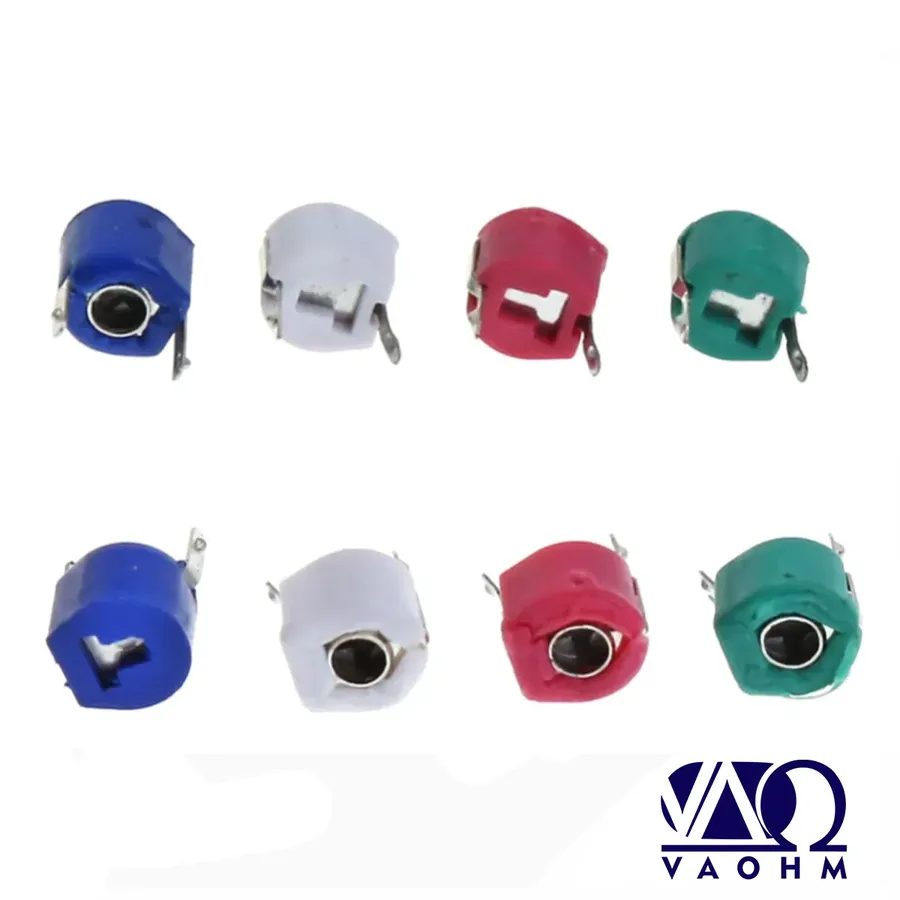
Trimmer capacitors are manufactured using a variety of dielectric materials, each imparting unique characteristics crucial for diverse applications. The choice of dielectric influences the capacitor's temperature stability, capacitance range, and performance across different frequencies. Understanding these variations is essential for selecting the appropriate trimmer for a specific circuit.
| Dielectric Material | Temperature Stability | Capacitance Range | Frequency Performance | Typical Applications |
|---|---|---|---|---|
| Air | Excellent | Low | High | High-frequency circuits, precision tuning |
| Ceramic | Good to Moderate | Moderate | Moderate to High | General-purpose tuning, consumer electronics |
| Glass | Excellent | Low to Moderate | High | High-precision, stable RF applications |
| PTFE (Teflon) | Excellent | Low to Moderate | Very High | High-frequency, high-temperature applications |
| Sapphire | Exceptional | Very Low | Extremely High | Ultra-high precision, critical RF applications |
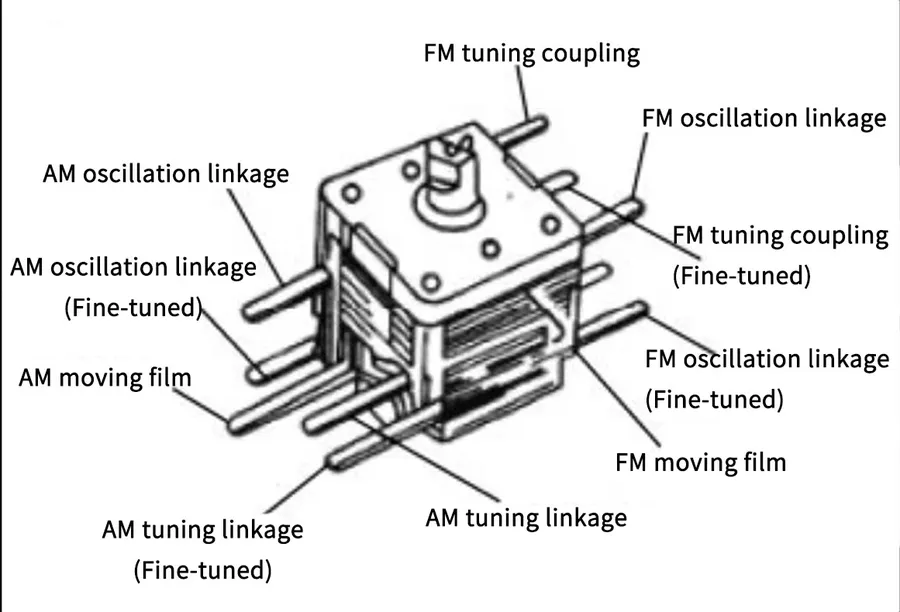
Trimmer capacitors achieve variable capacitance by mechanically adjusting the effective area of their conductive plates or the distance separating them. This is typically accomplished through a screw or rotating mechanism, allowing for precise, albeit limited, capacitance changes, which is essential for fine-tuning electronic circuits.
The underlying principle of a trimmer capacitor's operation is based on the fundamental physics of capacitance, which is dictated by the formula C = ε(A/d) where 'C' represents capacitance, 'ε' is the permittivity of the dielectric material, 'A' is the overlapping area of the conductive plates, and 'd' is the separation between the plates. By altering either A or d, the capacitor's capacitance can be finely adjusted.
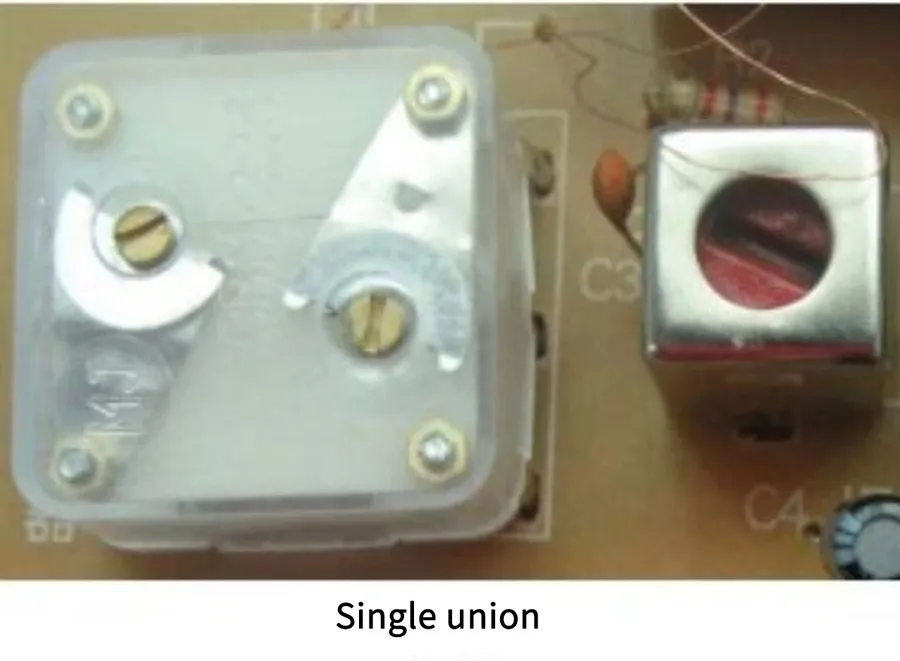
Trimmer capacitors are essential components in various electronic circuits, primarily for initial calibration and fine-tuning. Their ability to make precise capacitance adjustments, though infrequently, makes them invaluable in applications where accuracy is paramount, particularly in RF and timing-critical circuits. The following sections detail specific applications and their underlying principles.
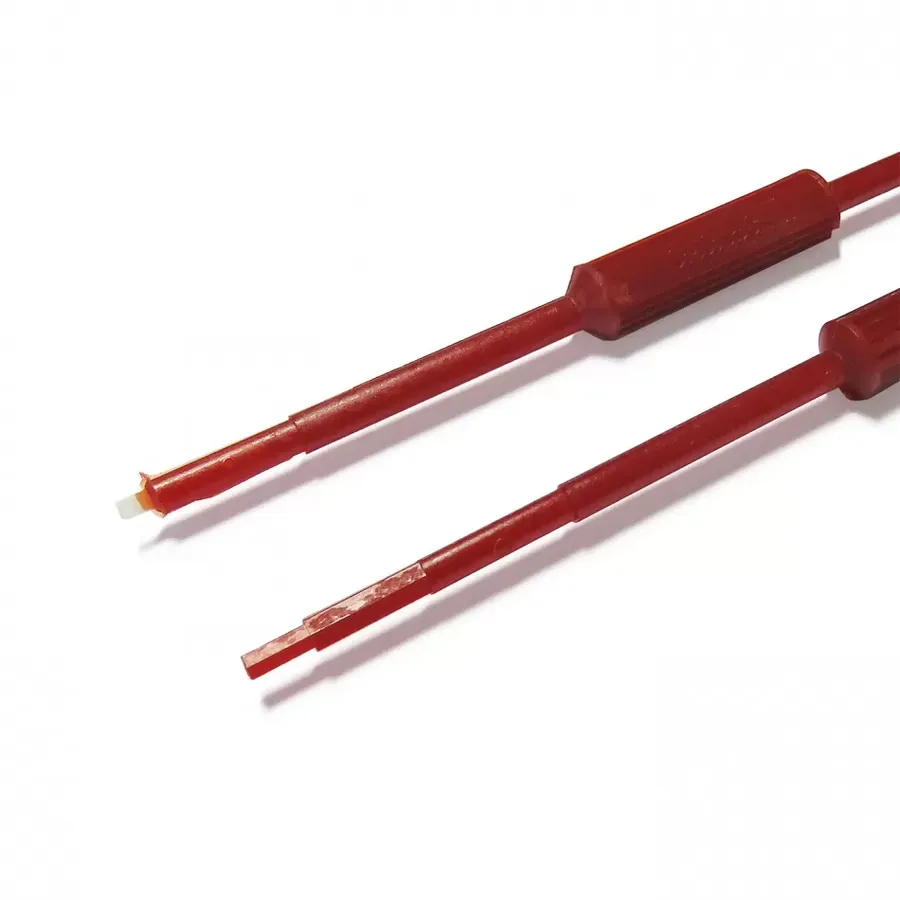
Trimmer capacitors, designed for precise circuit calibration, necessitate a careful adjustment approach. These adjustments are typically infrequent and require the use of a small, non-metallic screwdriver or specialized tuning tool to avoid damaging the delicate internal components. The aim is to incrementally alter the capacitance, allowing for fine-tuning of the circuit's performance.
Selecting the appropriate trimmer capacitor for a specific application is critical for optimal circuit performance. This process requires a thorough understanding of several key parameters and their impact on circuit behavior. Careful consideration of these factors ensures that the chosen trimmer capacitor meets the necessary performance criteria and maintains the desired stability and accuracy.
| Parameter | Description | Importance |
|---|---|---|
| Capacitance Range | The minimum and maximum capacitance values the trimmer can achieve. | Must encompass the range required for the specific tuning application. Too narrow a range limits adjustment; too broad may lead to instability. |
| Dielectric Material | The insulating material between the capacitor plates (e.g., air, ceramic, glass, PTFE, sapphire). | Affects temperature stability, frequency performance, and overall capacitor stability. Different materials are suited for different environmental conditions and frequency ranges. |
| Operating Voltage | The maximum voltage the trimmer can withstand without failure. | Exceeding the rated voltage can lead to dielectric breakdown and capacitor failure. Must be selected to operate within the circuit's normal voltage range. |
| Temperature Stability | How the capacitance changes with temperature variations. | Critical in environments with varying temperatures, affecting the circuit's frequency stability and accuracy. Select a trimmer with a temperature coefficient that matches circuit requirements. |
| Mounting Requirements | The physical method of attaching the trimmer to the circuit board (e.g., through-hole, surface mount). | Must match the physical design of the circuit board. Consider physical dimensions and pad layout to ensure proper integration. |
| Adjustment Sensitivity | How much the capacitance changes per unit of mechanical adjustment (rotation or translation) | This determines how easily you can make very fine adjustments to the circuit. |
| Q-Factor | A measure of the capacitor's efficiency and its loss factor. | Important in high frequency RF applications for maximizing efficiency and minimizing losses. |
| Physical Size and Form Factor | The size and shape of the capacitor | Can affect space availability on the PCB and mechanical constraints. |
It's imperative to consult the manufacturer's datasheets for detailed specifications and performance characteristics of each trimmer capacitor being considered. Datasheets often provide critical information such as temperature coefficient, Q-factor, and tolerance, that is not always apparent from a superficial comparison. A careful review of this data is required to ensure the chosen component is suitable for the target application and environmental conditions.
This section addresses the most common questions users have about trimmer capacitors, offering clear and concise answers to enhance understanding and facilitate their effective use in electronic circuits.
Trimmer capacitors, though small, are indispensable tools for achieving precision in electronic circuits. Understanding their function, types, and adjustment methods allows engineers to fine-tune circuits for optimal performance. From RF circuits to crystal oscillators, trimmer capacitors play a critical role in ensuring the accuracy and reliability of electronic devices, continuing to be an essential component in the world of electronics. Their ability to precisely adjust circuit performance makes them vital for everything from calibration to ensuring stable and accurate operation across various applications.

