In the world of electronics, where precision is paramount, the humble IC socket plays a crucial role. Think of it as a meticulously crafted handshake between delicate integrated circuits and the robust printed circuit boards they call home. From prototyping to final assembly, IC sockets facilitate easy chip replacement and protect sensitive components. This guide demystifies IC sockets, covering their types, applications, and best practices to enhance your projects.
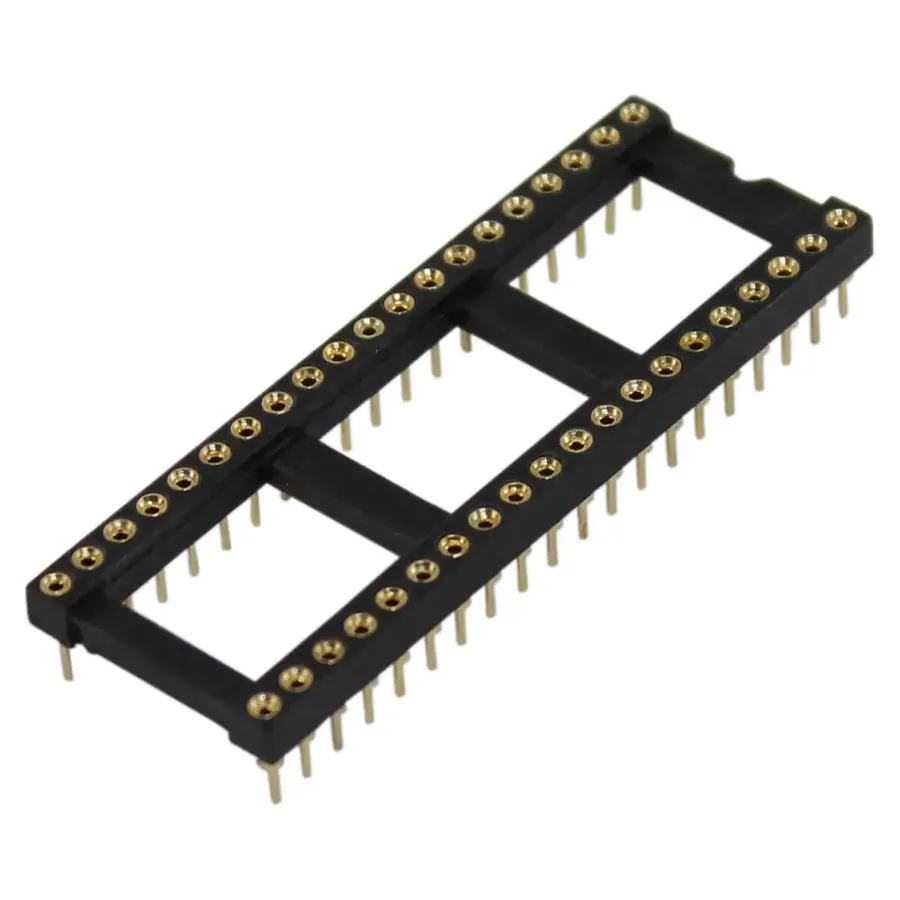
An IC socket is a crucial mechanical component that facilitates the mounting of integrated circuits (ICs) onto printed circuit boards (PCBs). Primarily, it serves as an intermediary connector, allowing for the insertion and removal of ICs without the need for soldering. This capability is indispensable for a variety of applications, including prototyping, testing, and the repair or replacement of ICs.
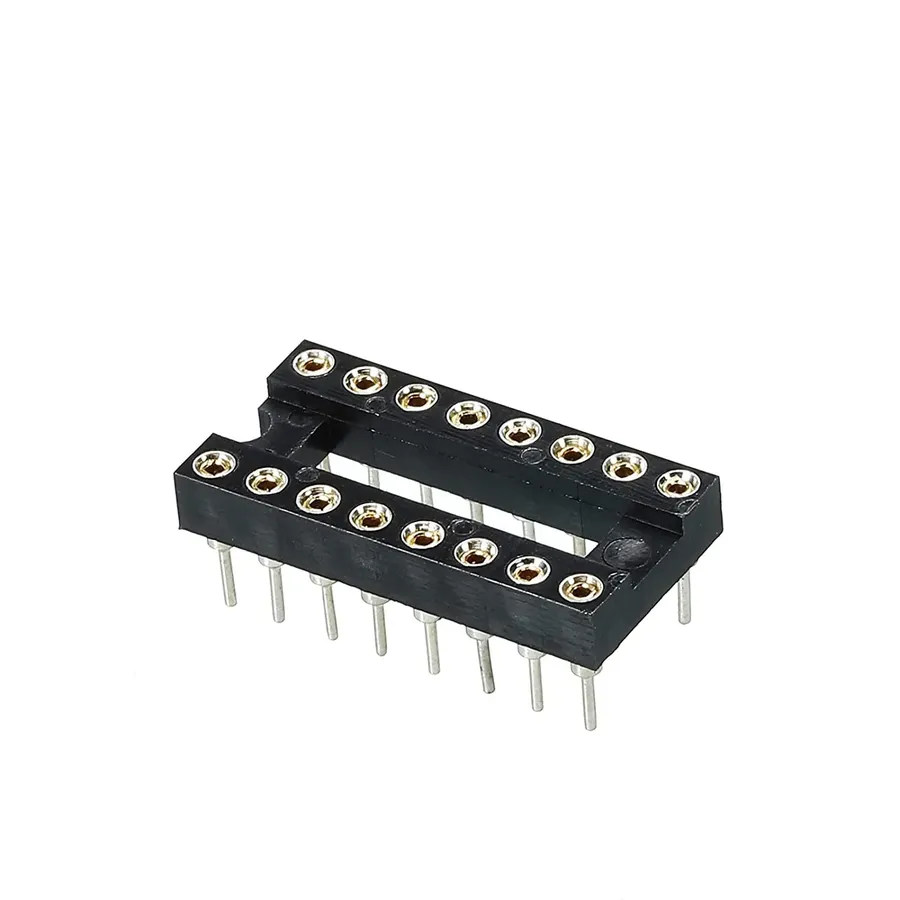
IC sockets are essential components in electronics, primarily employed to avoid direct soldering of integrated circuits (ICs) onto printed circuit boards (PCBs). This seemingly simple design choice offers a range of significant advantages, particularly in the areas of prototyping, testing, and device maintenance, and greatly extends the life and usefulness of electronic projects.
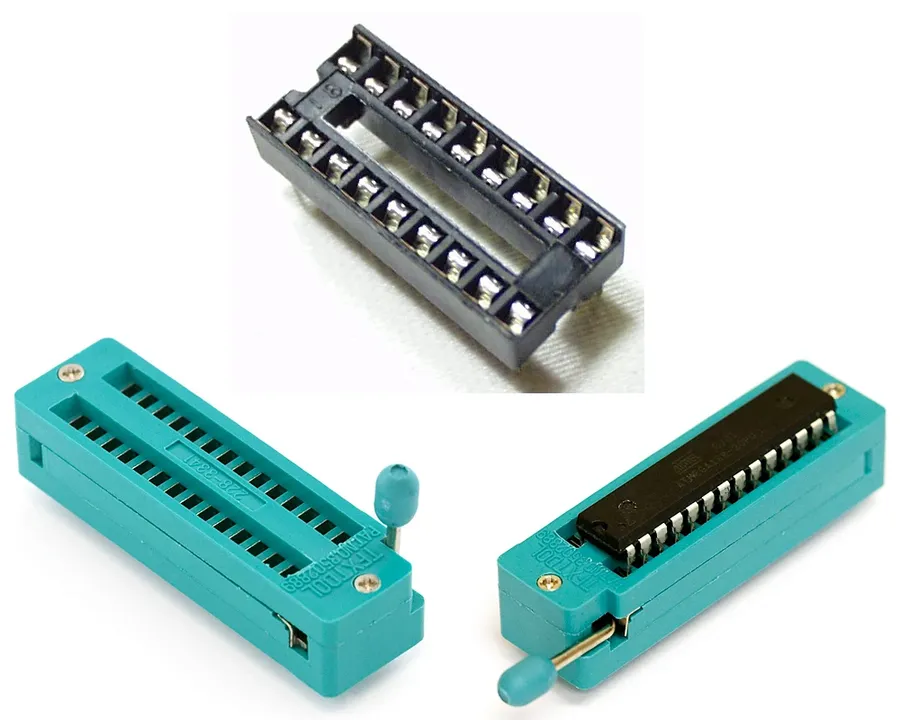
IC sockets are designed with specific integrated circuit packages in mind, resulting in a variety of socket types. The selection of the appropriate socket is crucial for ensuring proper fit, reliable electrical connection, and ease of use for different IC packages. Common types include DIP, PLCC, SOIC and PGA sockets, each catering to distinct IC form factors.
| Socket Type | IC Package Type | Description | Typical Applications |
|---|---|---|---|
| DIP (Dual In-Line Package) | Through-hole DIP ICs | Features two parallel rows of pins, suitable for through-hole mounting. | Prototyping, hobbyist projects, legacy systems |
| PLCC (Plastic Leaded Chip Carrier) | Surface-mount PLCC ICs | Square package with J-shaped leads on all four sides, requiring surface mounting | Microcontrollers, memory chips, digital signal processors |
| SOIC (Small Outline Integrated Circuit) | Surface-mount SOIC ICs | Rectangular package with gull-wing leads on two sides, requiring surface mounting. | Op-amps, logic gates, microcontrollers |
| PGA (Pin Grid Array) | High pin count PGAs | Features a grid of pins on the underside, for high-density connections. | Processors, chipsets, large FPGAs |
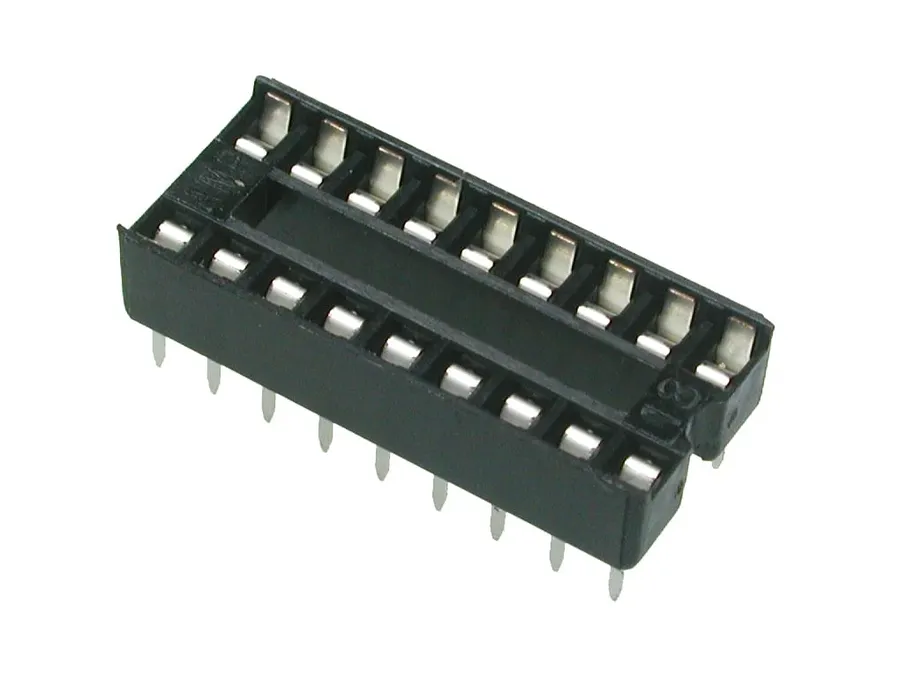
Dual In-line Package (DIP) sockets are a cornerstone in electronics prototyping and development, providing a robust and reliable method for mounting through-hole integrated circuits (ICs). Their design, featuring two parallel rows of pins, makes them incredibly user-friendly and widely applicable.
| Feature | Description |
|---|---|
| Pin Configuration | Two parallel rows of pins |
| Pin Count | Typically ranges from 8 to 40 pins, with common sizes such as 8, 14, 16, 20, 28, and 40 |
| Mounting Method | Through-hole mounting on PCB |
| Use Cases | Microcontroller prototyping, breadboard setups, legacy systems, hobby electronics |
| Advantages | Easy to insert and remove ICs, robust mechanical design, readily available, low cost |
DIP sockets are particularly favored for their ease of use, enabling designers to quickly insert or replace ICs without the need for soldering, a critical advantage in testing and experimentation. This feature greatly reduces the risk of damage to the ICs from heat and physical handling. Their widespread adoption across a broad spectrum of electronics projects reflects their versatility and reliability, especially within education and hobbyist sectors.
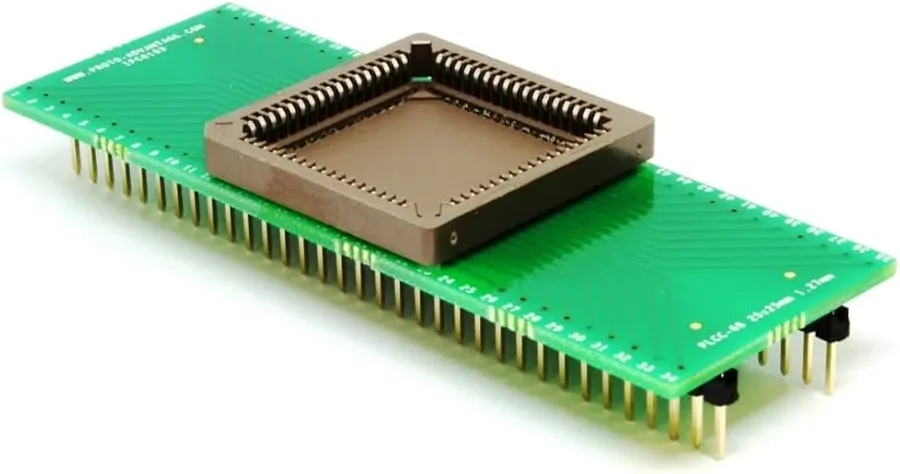
PLCC (Plastic Leaded Chip Carrier) and SOIC (Small Outline Integrated Circuit) sockets are specifically designed to accommodate surface mount ICs, which are essential for modern high-density electronic designs. Unlike through-hole components, surface mount technology allows components to be mounted directly onto the surface of the PCB, leading to smaller and more compact electronic devices.
| Feature | PLCC Socket | SOIC Socket |
|---|---|---|
| IC Package Shape | Square | Rectangular |
| Lead Shape | J-shaped | Gull-wing |
| Mounting Type | Surface Mount | Surface Mount |
| Typical Applications | Memory chips, microcontrollers | Op-amps, logic gates |
| Footprint | Larger than SOIC for same pin count | Smaller footprint for same pin count |
PLCC sockets are characterized by their square shape and J-shaped leads that wrap under the chip. This design provides a robust and secure connection and is often used for memory chips and microcontrollers. SOIC sockets, in contrast, are designed for rectangular chips with gull-wing leads that extend outward from the chip's body. SOIC is very popular and used in a wide range of applications like op-amps, logic gates, and various interface ICs. These sockets enable efficient board assembly and high-density packaging.
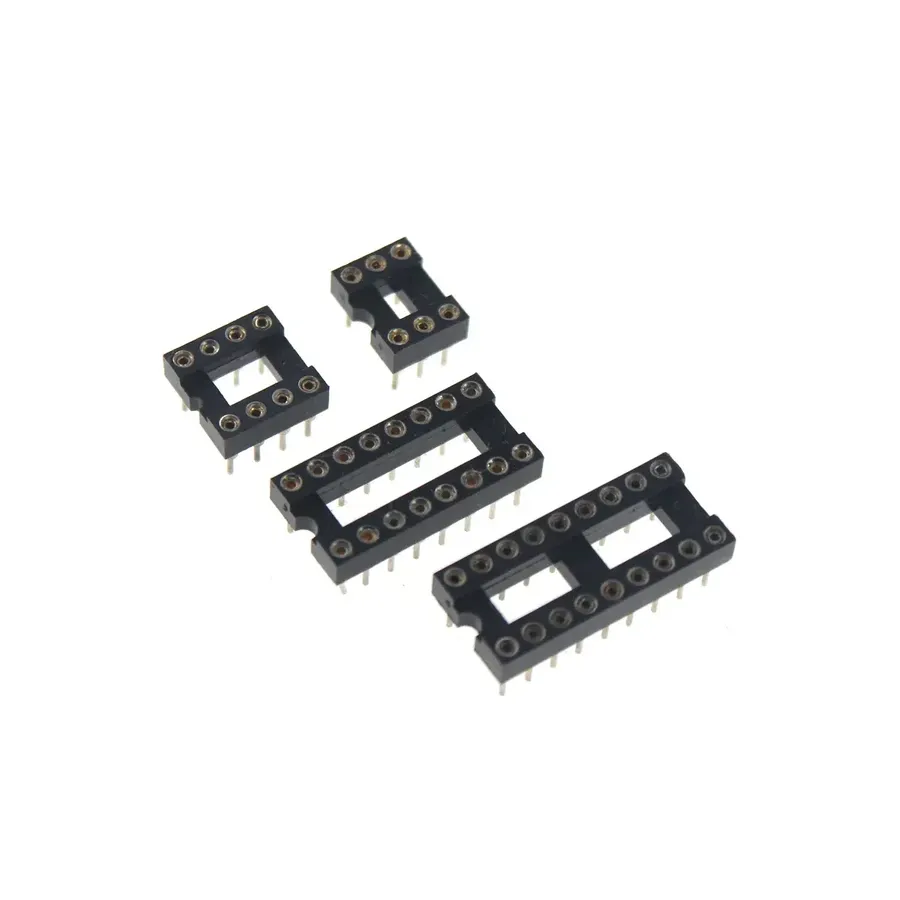
IC sockets are constructed from carefully selected materials to ensure reliable electrical connections and mechanical integrity. The choice of materials directly impacts the socket's performance, longevity, and suitability for different operating conditions. Key components include the contact material, which facilitates electrical signal transmission, and the socket body, which provides structural support and insulation.
| Component | Material | Properties | Considerations |
|---|---|---|---|
| Contacts | Tin-plated Copper Alloy | Good conductivity, relatively low cost, prone to oxidation | Suitable for general applications; may require cleaning over time |
| Contacts | Gold-plated Copper Alloy | Excellent conductivity, high corrosion resistance, higher cost | Preferred for high-reliability applications, minimizes contact resistance |
| Socket Body | High-Temperature Thermoplastic | High heat resistance, good dielectric properties, durable | Ensures dimensional stability during soldering and operation; resists deformation at elevated temperatures |
| Contact Springs | Stainless Steel or Beryllium Copper | Provides consistent contact pressure, long fatigue life | Maintains reliable electrical contact with IC pins; chosen based on desired force and durability |
The selection of contact plating is critical. While tin plating offers a cost-effective solution, it's susceptible to oxidation, which can increase contact resistance over time. Gold plating, though more expensive, provides superior conductivity and corrosion resistance, making it ideal for high-reliability applications and harsh environments. The socket body material is chosen for its ability to withstand high temperatures during soldering and operation, as well as for its electrical insulation properties. High-temperature thermoplastics like polyetherimide (PEI) or polyphenylene sulfide (PPS) are frequently used.
A critical consideration is galvanic corrosion. Mixing dissimilar metals in the contact area, such as tin-plated IC pins with gold-plated socket contacts, can lead to galvanic corrosion under certain environmental conditions, causing contact failure. Therefore, it's important to match the plating material of the socket to that of the IC pins, or to select socket contacts with appropriate plating to minimize potential corrosion.
Selecting the correct IC socket is crucial for ensuring reliable electronic connections and efficient prototyping. The selection process requires careful consideration of several key factors, including the IC package type, pin count, mounting method, and operational environment, with primary importance given to ensuring full compatibility with the target IC.
| Criteria | Description | Considerations |
|---|---|---|
| IC Package Type | The physical style of the IC including DIP, SOIC, PLCC, or PGA. | Match socket to IC's package for secure fit. |
| Number of Pins | Total pins the IC has. | Select a socket with the correct number of pins to align to the IC. |
| Mounting Type | Whether the socket is designed for through-hole or surface mount soldering. | Match the PCB design and assembly process, considering if through-hole DIP or surface mount (SOIC, PLCC) is required. |
| Operating Environment | The temperature, humidity, and mechanical stress conditions the socket will experience. | Consider materials that offer appropriate temperature and corrosion resistance. Ensure the mechanical connection is robust. |
| Contact Material | The plating material on the socket pins (e.g., tin, gold). | Choose materials compatible with your IC pins, gold plating is often more corrosion-resistant, but also more expensive. |
| Durability and Cycle Life | How many insertion/removal cycles the socket is designed for. | Higher insertion and removal cycles are necessary for frequent testing or prototyping scenarios. Consider the expected lifetime of the socket. |
| Socket Footprint | The size and layout of the socket on the PCB. | Ensure the socket footprint fits on the PCB and doesn't interfere with other components. |
This section addresses common questions about IC sockets, providing clear and concise answers to help users understand their function, types, and applications. These FAQs are designed to resolve common user pain points and provide practical information.
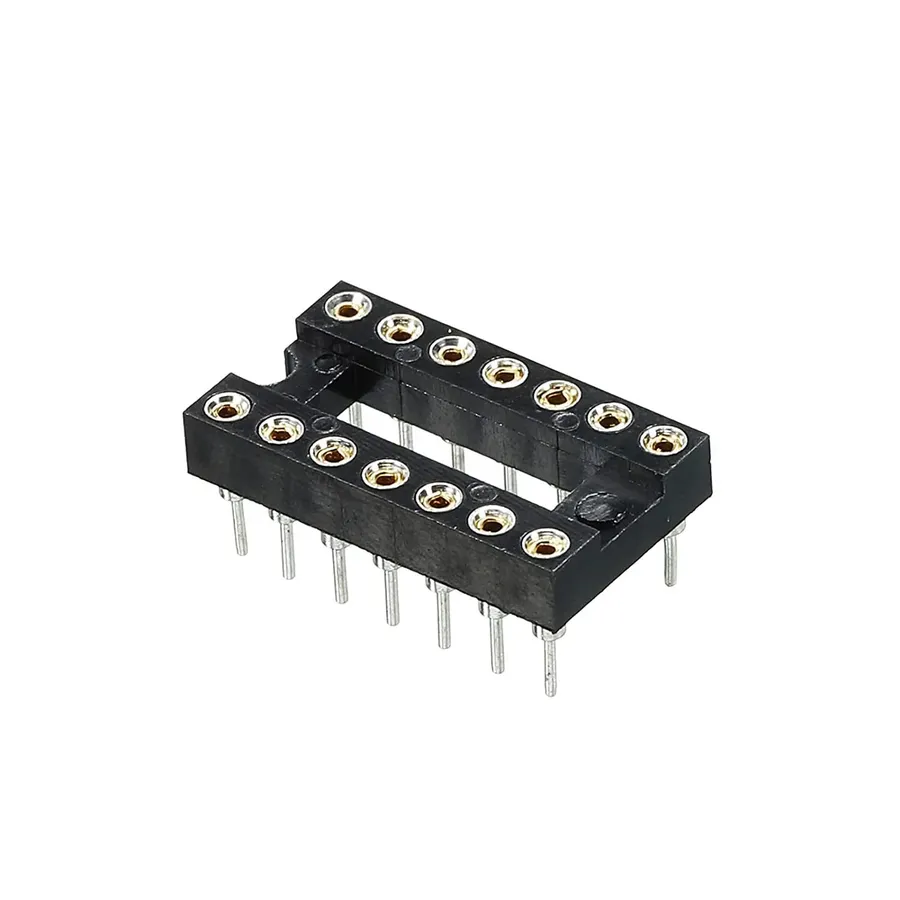
Effective utilization of IC sockets hinges on proper installation techniques to ensure reliable electrical connections and prevent damage to both the IC and the socket. Key aspects include correct alignment, careful insertion, and prevention of electrostatic discharge (ESD).
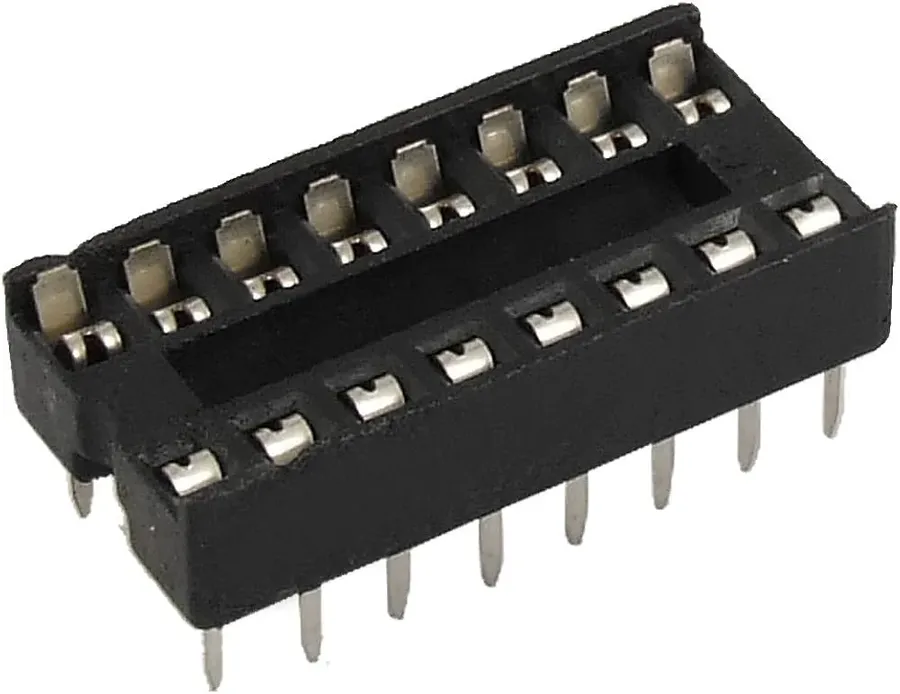
Beyond basic prototyping, IC sockets are crucial in specialized applications requiring frequent component changes, testing, and programming. They facilitate efficient and reliable connections in these advanced scenarios, and enable complex electronic designs and testing.
| Application | Benefit | IC Socket Type |
|---|---|---|
| Test Jigs | Easy IC insertion and removal for testing | DIP, PLCC, SOIC |
| Device Programming | Reliable connections for firmware updates | DIP, SOIC |
| High-Reliability Systems | Quick replacement of faulty ICs, minimizing downtime | All Types |
| Socket Adapters | Enables use of different package types or when board footprint must change | Any |
In summary, IC sockets are essential components for any electronics project involving integrated circuits. They safeguard valuable chips, ensure reliable connections, and provide the flexibility needed for design and repairs. By selecting the correct IC socket and applying best practices, you can enhance the quality, durability and efficiency of your electronic designs. Whether you are working on a simple Arduino project or a complex circuit, an IC socket will be a useful tool.

