In our modern world, LEDs light up everything from our homes to our cities, and at the heart of this revolution is the LED PCB. This article will break down everything from its basic structure to advanced applications of LED PCBs, so read on to explore how this essential technology is powering our world and how to use it effectively.
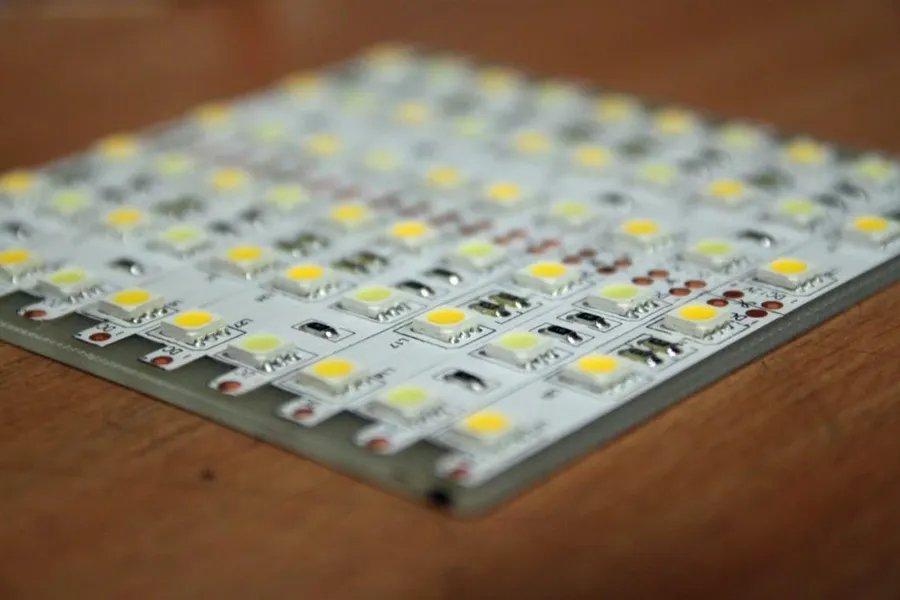
An LED PCB, or Light Emitting Diode Printed Circuit Board, is a foundational component in modern lighting technology. It serves as a specialized platform designed to physically support and electrically connect LEDs. Functionally, it provides the necessary conductive pathways and mounting points, ensuring that LEDs operate efficiently and reliably within a lighting system.
At its core, an LED PCB is a carefully engineered substrate upon which LEDs are mounted and interconnected. The board incorporates conductive tracks, typically made of copper, that facilitate the flow of electrical current to each LED. The substrate material, often fiberglass or composite, provides insulation between the conductive pathways, protecting against shorts and ensuring proper electrical function. These design aspects must be optimized to ensure proper thermal and electrical performance.
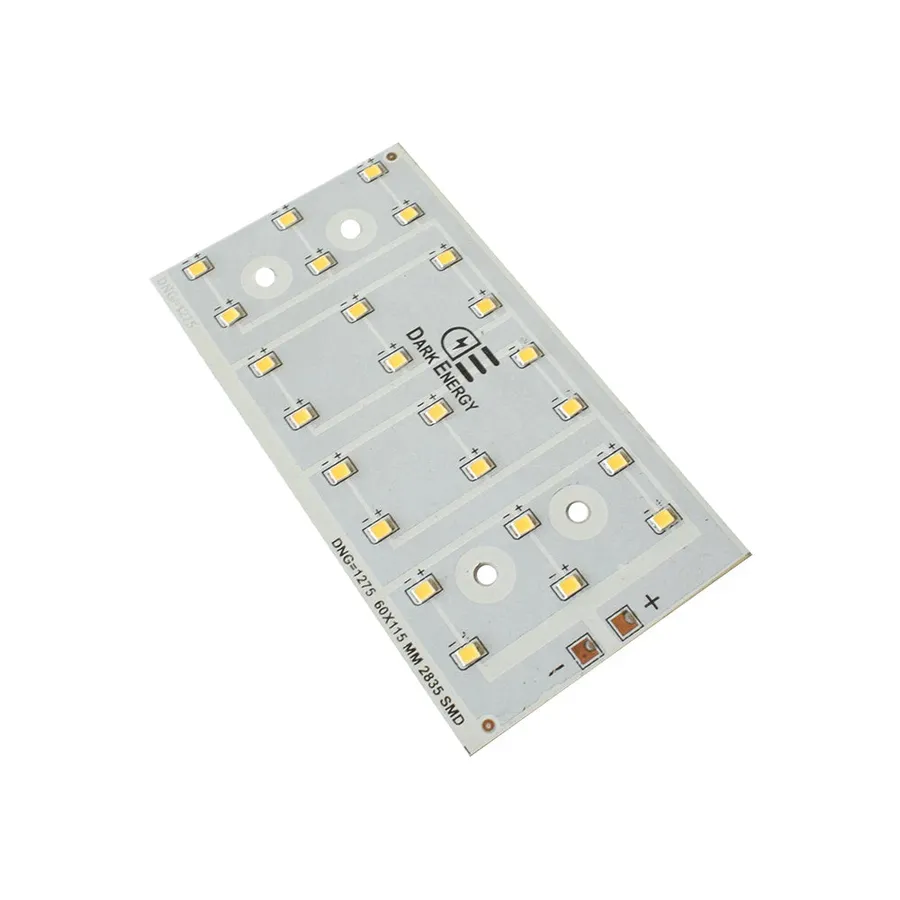
LED PCBs are not monolithic; they come in various types, each tailored for specific performance and application requirements. These variations primarily stem from the substrate material and intended use-case, affecting properties like thermal management, flexibility, and cost. Understanding these differences is crucial for selecting the most suitable PCB for a given LED lighting project.
| Type | Description | Typical Applications | Advantages | Disadvantages |
|---|---|---|---|---|
| Rigid PCBs | Traditional PCBs with a solid, inflexible substrate made of materials like FR-4. | General lighting, indoor fixtures, electronics. | Cost-effective, widely available, reliable. | Inflexible, not suitable for curved surfaces. |
| Flexible PCBs | PCBs made from flexible substrates like polyimide, allowing bending and shaping. | Automotive lighting, wearable devices, curved lighting fixtures. | Lightweight, flexible, adaptable to various shapes. | More expensive than rigid PCBs, sensitive to damage |
| Metal Core PCBs (MCPCBs) | PCBs with a metal base (often aluminum) that efficiently dissipates heat. | High-power LED lighting, automotive headlights, street lamps. | Excellent thermal management, improved lifespan of LEDs. | Higher cost, heavier than other types, reduced flexibility. |
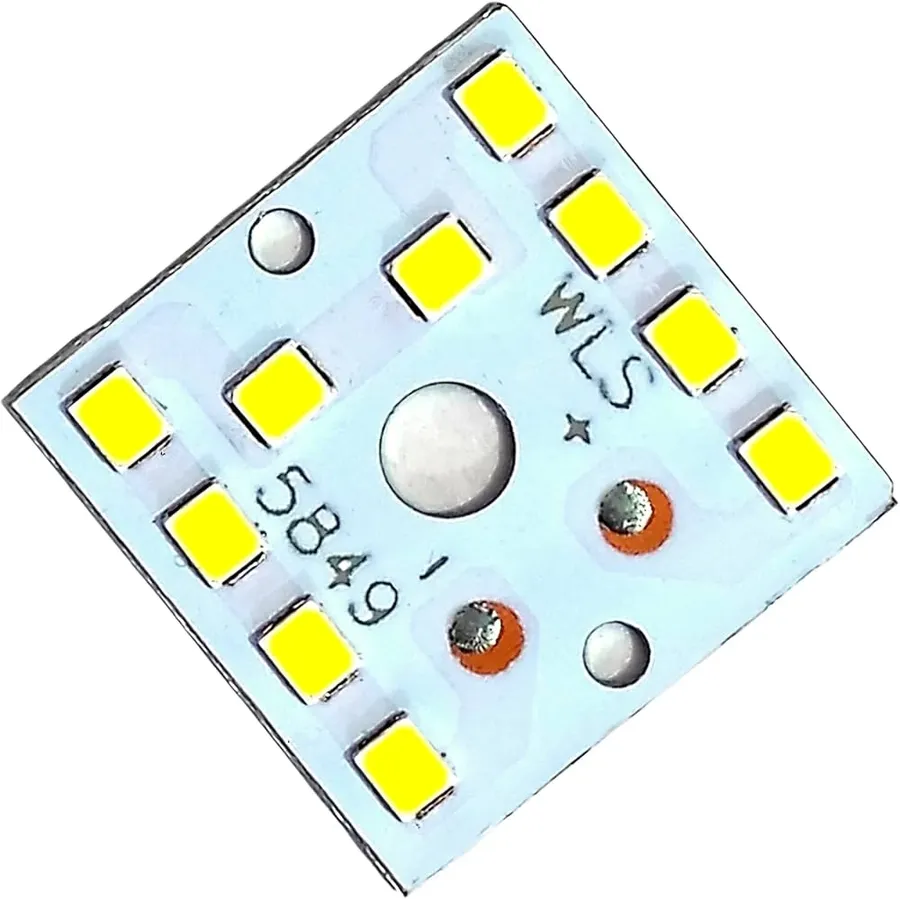
Metal Core PCBs (MCPCBs) are a specialized type of printed circuit board that incorporate a metal base, typically aluminum, copper, or steel, as a core material. This core provides superior thermal management capabilities, making MCPCBs ideal for high-power LED applications where efficient heat dissipation is crucial for performance and longevity. Unlike traditional PCBs that use FR-4 as the primary substrate, MCPCBs utilize the metal core to conduct heat away from the LEDs, preventing overheating and ensuring stable operation.
| Feature | MCPCB | FR-4 PCB |
|---|---|---|
| Thermal Conductivity | High (e.g., Aluminum 237 W/m·K) | Low (0.2-0.3 W/m·K) |
| Heat Dissipation | Excellent | Poor |
| Typical Applications | High-power LEDs, Automotive lighting | General electronics, low-power LEDs |
| Cost | Higher | Lower |
| Mechanical Strength | Good | Moderate |
| Longevity | Extended | Reduced at high heat |
The core material of MCPCBs greatly influences their thermal performance. Aluminum is the most common choice due to its cost-effectiveness, high thermal conductivity, and good strength. Copper, while more expensive, offers even higher thermal conductivity but may be heavier. Steel, though strong, is not as thermally conductive but can be used for structural applications in conjunction with thermal interface materials. The metal core is typically laminated with a dielectric layer to insulate the electrical traces and then covered with a copper foil layer where circuits are etched and components are soldered.
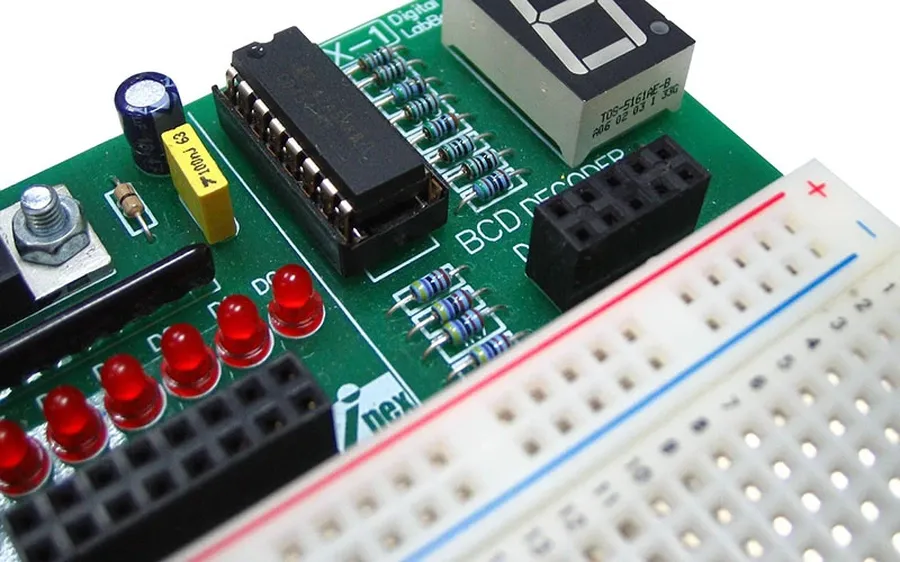
An LED PCB's functionality relies on several key components working in concert to provide electrical connection and mechanical support for LEDs. These components are crucial for ensuring the longevity, efficiency, and performance of the lighting system. A thorough understanding of each component is essential for effective LED PCB design and application.
| Component | Description | Significance |
|---|---|---|
| Substrate Material | The base material of the PCB, typically made of FR-4, aluminum, or flexible materials like polyimide. | Provides mechanical support and insulation; material choice affects thermal performance and flexibility. |
| Conductive Traces | Copper pathways etched onto the substrate, forming the electrical network. | Carry electrical current to LEDs and other components; trace width and routing affect current handling and signal integrity. |
| LED Mounting Pads | Specially designed areas on the PCB to which LEDs are soldered. | Provide a stable and electrically conductive connection for LEDs; footprint design matches the specific LED package. |
| Connectors | Points where the PCB connects to external power sources or other circuit boards. | Allow for electrical integration with other systems; type of connector depends on the application's power and signal requirements. |
| Solder Mask | A protective layer covering most of the PCB surface, except for the pads to be soldered. | Prevents solder bridges and protects conductive traces from corrosion and environmental damage. |
| Silkscreen | An ink layer used for component identification, polarity marks, and other helpful information. | Aids in assembly and maintenance; critical for preventing errors during component placement and troubleshooting |
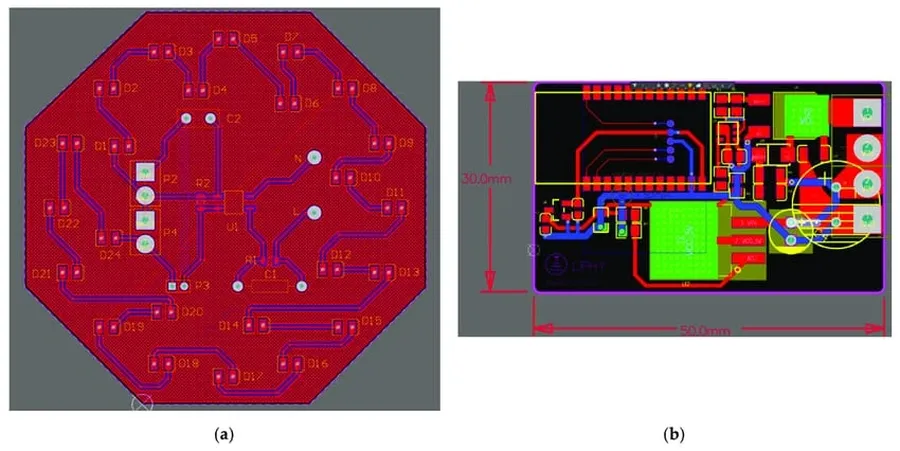
Effective LED PCB design hinges on several critical factors that directly impact performance, reliability, and longevity. These considerations encompass thermal management, electrical integrity, and compatibility with LED components. A well-designed LED PCB ensures optimal heat dissipation, efficient power delivery, and proper physical mounting of LEDs.
| Design Aspect | Description | Importance |
|---|---|---|
| Thermal Management | Effective heat dissipation from LEDs to prevent overheating and ensure long-term performance. | Crucial for maintaining LED efficiency, lifespan, and overall system reliability. |
| Electrical Routing | Designing conductive traces for minimal resistance and impedance to ensure efficient power delivery. | Minimizes power loss, voltage drop, and ensures even light output across all LEDs. |
| LED Package Compatibility | Ensuring the PCB design is appropriate for specific LED packages (e.g., 5050, 3528, COB). | Guarantees proper mounting, alignment, and electrical contact with the chosen LEDs. |
| Substrate Material | Choosing the right material (e.g., FR-4, Aluminum) based on thermal requirements and environmental conditions. | Impacts thermal performance, structural integrity, and cost of the PCB. |
| Layout and Component Placement | Strategically positioning LEDs and other components for optimal thermal and electrical performance. | Prevents hotspots, ensures balanced lighting, and simplifies assembly. |
| Layer Stackup | Selecting the number and arrangement of copper layers for heat dissipation, current carrying capacity, and signal integrity. | Optimizes thermal and electrical performance, especially in complex multi-layer designs. |
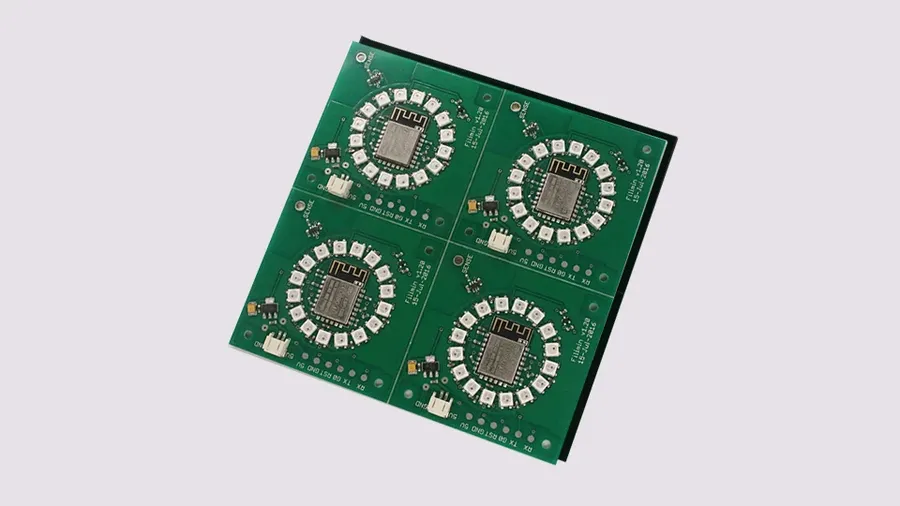
LED PCBs are foundational components enabling a wide array of lighting and display technologies across diverse sectors. Their ability to efficiently manage heat and provide reliable electrical connections makes them indispensable in modern electronic applications. This section explores the key industries and applications where LED PCBs are prominently featured.
| Application Area | Specific Use Cases | Key Advantages of Using LED PCBs |
|---|---|---|
| Automotive | Headlights, taillights, interior lighting | Compact size, durability, energy efficiency |
| Street Lighting | Outdoor lighting systems | High brightness, long lifespan, low energy consumption |
| Indoor Lighting | Bulbs, tubes, panel lights, decorative lighting | Versatile color temperatures, dimming options |
| 3D Printers | Illumination within the printing chamber | Allows clear visualization during printing |
| Display Technology | LED video walls, LCD backlights, digital signage | Consistent brightness, accurate color reproduction |
| Consumer Electronics | Smartphones, televisions, indicator lights | Energy efficient, compact illumination |
| Medical Equipment | Surgical lights, dental tools | Precise illumination, minimal heat generation |
The production of LED PCBs involves a complex interplay of precision manufacturing and careful assembly to ensure optimal performance and reliability. This process encompasses PCB fabrication, component placement, soldering, and rigorous quality control.
LED PCB manufacturing is a multi-stage process that transforms raw materials into functional circuit boards, ready for population with LEDs and other electronic components. The primary steps are outlined below:
Each of these steps is carefully monitored to maintain high production standards. Parameters such as solder paste viscosity, reflow oven temperature profiles, and component placement accuracy are crucial for producing reliable and effective LED PCBs.
| Parameter | Description | Importance |
|---|---|---|
| Solder Paste Viscosity | Thickness and flow properties of solder paste | Ensures proper deposition on pads and avoids bridging |
| Reflow Oven Temperature Profile | Temperature variations during reflow soldering | Critical for successful solder joints without component damage |
| Component Placement Accuracy | Precision in placing components on PCB | Ensures functional circuit connections and alignment |
| Inspection Methods | Visual, x-ray, and functional tests | Guarantees quality and reliability of final product |
This section addresses common inquiries regarding LED PCBs, providing clear and concise answers to enhance your understanding of their function, design, and applications.

For hobbyists and small-scale projects, creating your own LED PCBs can be a rewarding experience. This section explores options for embarking on DIY LED PCB projects, including resources for kits, individual components, and custom design services.
LED PCBs are integral to the advancement of lighting solutions. Their versatility, thermal efficiency and design flexibility make them a core component in diverse applications. By understanding the design and application of LED PCBs, both professionals and hobbyists can fully harness the potential of this exciting technology to create powerful lighting solutions.

