From smartphones to space shuttles, printed circuit boards (PCBs) are the unsung heroes of modern electronics. Securing components to these intricate boards is a critical task often accomplished with PCB glue. This guide will demystify the world of PCB adhesives, exploring the various types, their applications, and best practices to ensure robust and reliable connections. Just as the right glue holds together a masterpiece, the correct adhesive ensures the longevity and functionality of your electronic devices. We will dive into this essential aspect of electronics manufacturing, providing you with the knowledge to choose and use PCB glue effectively.
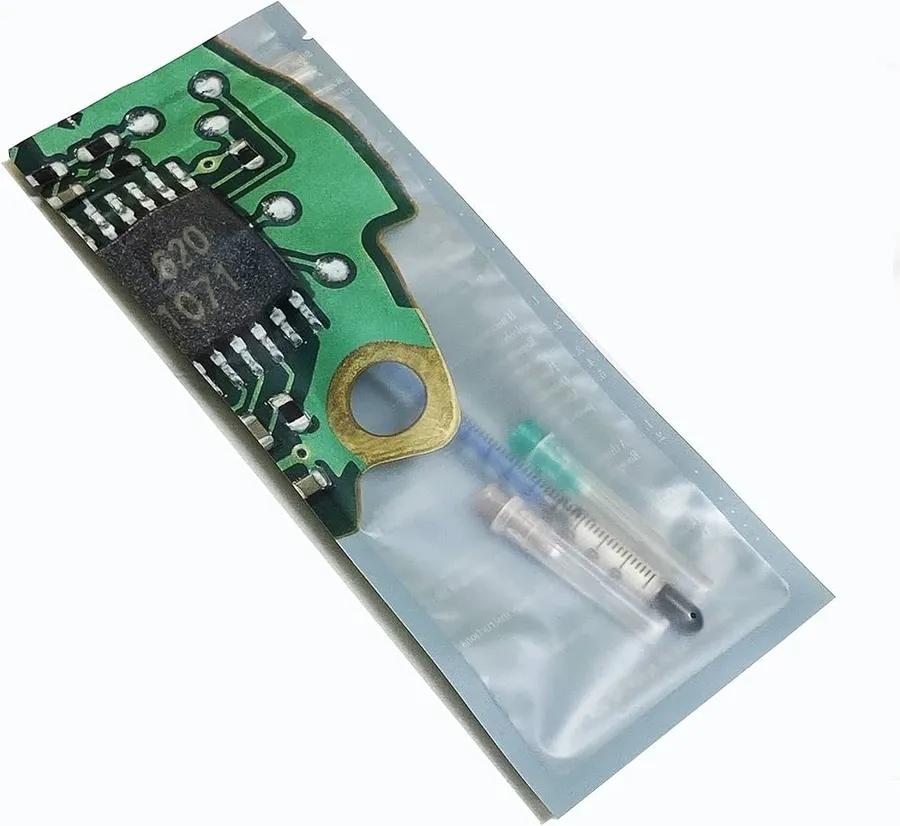
PCB glue is a critical material in electronics manufacturing, serving far more purposes than simple adhesion. Its primary functions include securing Surface Mount Devices (SMDs) to prevent displacement during handling and soldering, providing mechanical stability to components against vibrational forces, protecting delicate components from harsh environmental conditions like humidity and extreme temperatures, and facilitating efficient assembly processes by allowing components to be placed prior to soldering. This ensures high reliability and longevity of electronic devices.
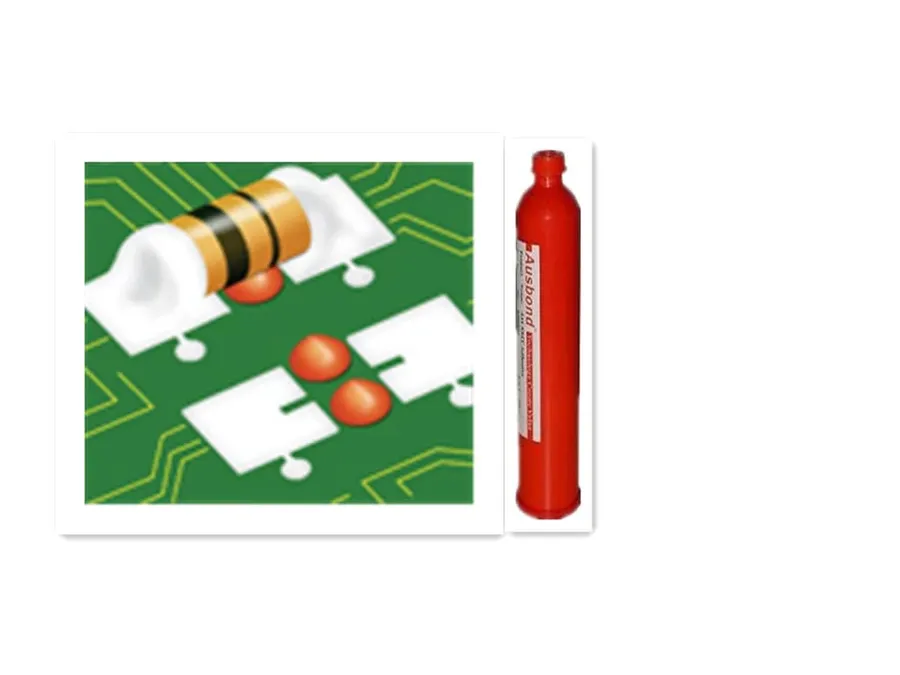
Selecting the correct adhesive for Printed Circuit Boards (PCBs) is critical for ensuring the long-term reliability and functionality of electronic devices. This section provides a comprehensive overview of the most common types of PCB adhesives, each with unique characteristics, strengths, and limitations.
| Adhesive Type | Key Characteristics | Advantages | Limitations | Typical Applications |
|---|---|---|---|---|
| Epoxy | Thermosetting polymer, high strength, excellent chemical resistance. | High bond strength, good electrical insulation, resistant to heat and chemicals. | Long cure times, can be rigid and difficult to remove for rework, requires precise mixing. | Laminating multilayer PCBs, securing large components, potting. |
| Hot Melt | Thermoplastic polymer, solid at room temperature, quick setting. | Fast curing time, ease of application, relatively low cost. | Lower bond strength, sensitive to high temperatures, poor chemical resistance. | Securing wires and small components, temporary fixation. |
| Cyanoacrylate (Super Glue) | Fast-curing, single-component adhesive. | Very fast curing, strong initial bond, easy application. | Brittle, poor impact resistance, can outgas, difficult to remove for rework. | Temporary fixing of small components, emergency repairs (with caution). |
| Silicone | Flexible, rubbery polymer, good temperature resistance. | High flexibility, excellent temperature range, good electrical insulation, easy to remove. | Lower bond strength compared to epoxies, can attract dust and debris. | Protecting sensitive components, sealing enclosures, vibration dampening. |
| UV-Curable | Cured by UV light, single-component adhesive. | Very fast curing with UV light exposure, high precision application, good optical clarity. | Requires specialized UV light source, limited penetration, can be more expensive. | Fine pitch component bonding, encapsulation, optical applications. |
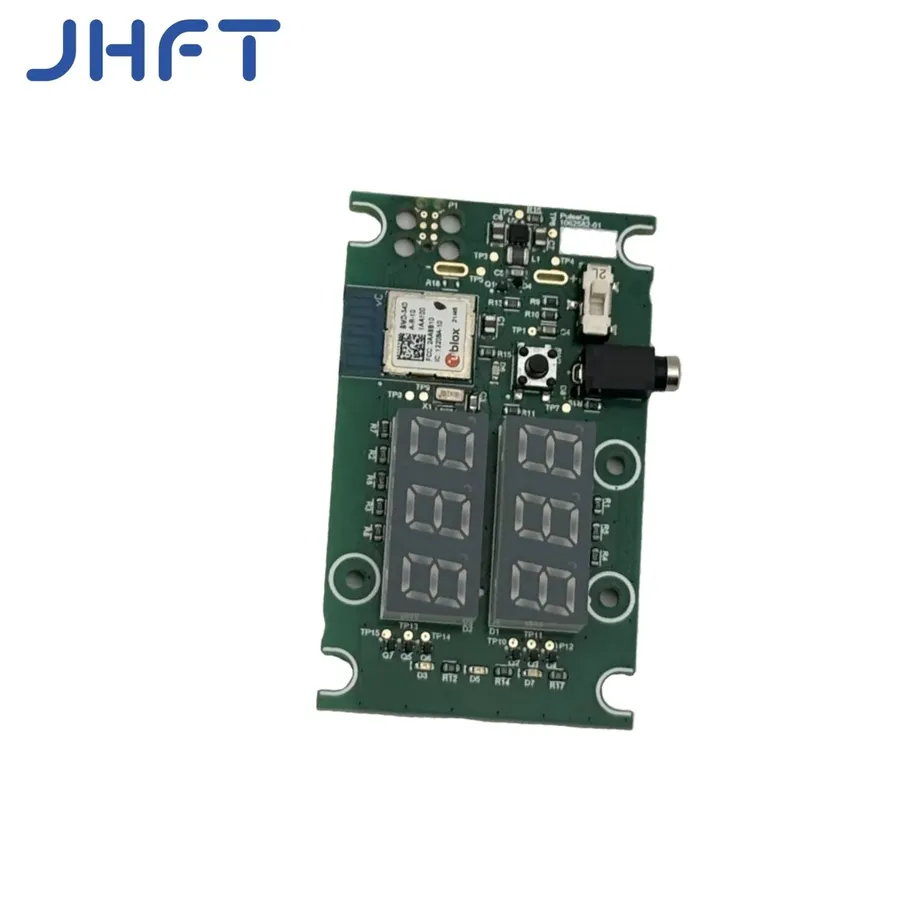
Epoxy adhesives are the most prevalent choice for laminating multilayer PCBs due to their robust bonding properties, exceptional chemical resistance, and mechanical strength. They are a thermosetting polymer that undergoes a chemical curing process, transforming from a liquid or paste into a rigid solid. This irreversible transformation provides a permanent and durable bond ideal for demanding electronic applications, particularly in environments with varying temperature ranges and potential chemical exposure.
Epoxy resins are composed of two primary components: the resin and a hardener. When mixed, they initiate a chemical reaction that causes cross-linking between the molecules, resulting in a robust, durable and chemically resistant bond. The specific properties of the epoxy, such as its viscosity, curing time, and thermal characteristics, can be tailored by the choice of resin and hardener used.
| Property | Description |
|---|---|
| Tensile Strength | High, providing a strong bond |
| Chemical Resistance | Excellent resistance to solvents, acids and bases |
| Temperature Range | Wide range, suitable for high-temperature applications after curing |
| Curing Time | Variable, from minutes to hours; can be accelerated with heat |
| Electrical Conductivity | Available in both conductive and non-conductive formulations |
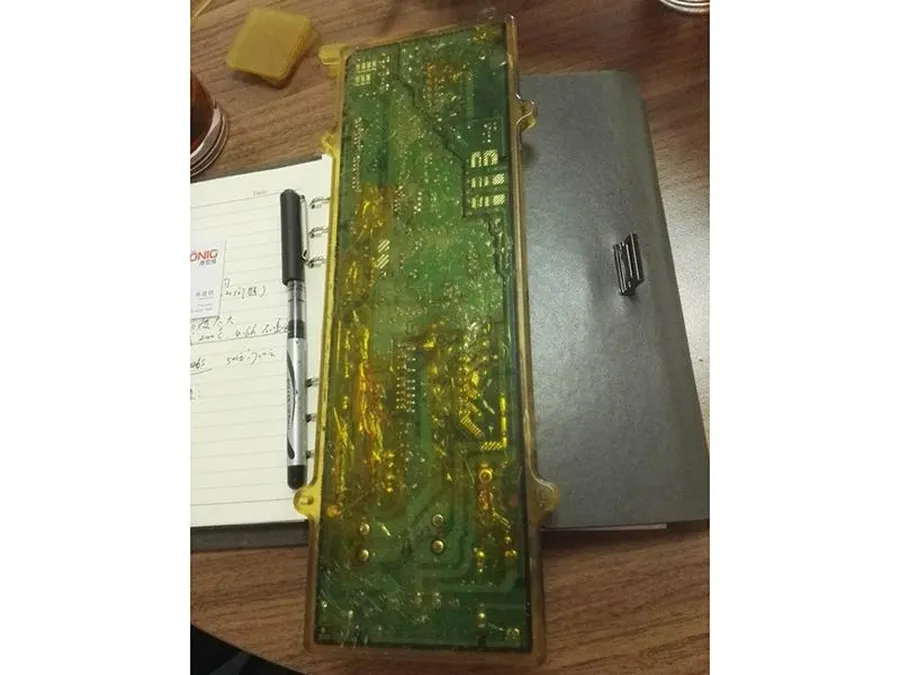
Hot melt glue, also known as thermoplastic adhesive, offers a rapid and convenient method for securing components on a PCB, especially during prototyping and non-critical applications. However, its use is tempered by its inherent limitations regarding bond strength and thermal stability. Understanding these trade-offs is critical for effective PCB assembly.
Hot melt adhesives are solid at room temperature and are applied after being heated to a molten state, solidifying upon cooling to form a bond. This characteristic allows for fast assembly times and is appealing for rapid prototyping and certain low-stress applications. However, the bond strength of hot melt glue is lower than that of other adhesives such as epoxy, making it unsuitable for use in applications where there are significant mechanical or vibrational forces.
| Aspect | Hot Melt Glue | Epoxy Glue |
|---|---|---|
| Bond Strength | Lower | Higher |
| Temperature Resistance | Lower, softens at elevated temperatures | Higher, maintains structural integrity at higher temperatures |
| Cure Time | Very Rapid (seconds to minutes) | Longer (minutes to hours) |
| Application | Simple dispensing, often with a glue gun | May require mixing and more controlled dispensing |
| Ideal Application | Temporary or low-stress bonding, prototyping | Structural bonding, high-reliability applications |
The primary limitations of hot melt glue revolve around its temperature sensitivity. Hot melt glue softens at elevated temperatures, which can compromise its bond strength and cause components to shift or detach. This makes it unsuitable for electronics that operate in high-temperature environments. Another point of consideration is that while hot melt glue offers a quick initial bond, the long-term stability and resistance to environmental factors such as humidity or chemical exposure are generally lower compared to more robust adhesives like epoxy or silicone.
While hot melt adhesives are cost-effective and easy to use, they should be selected with caution, especially for critical PCB components. For the majority of PCB assembly work it is not the first choice. When considering hot melt glue, always assess the operating conditions of the PCB, the required bond strength, and the potential for thermal and environmental exposure. When in doubt, higher-performance adhesives such as epoxy or silicone should be favored over hot melt glues.
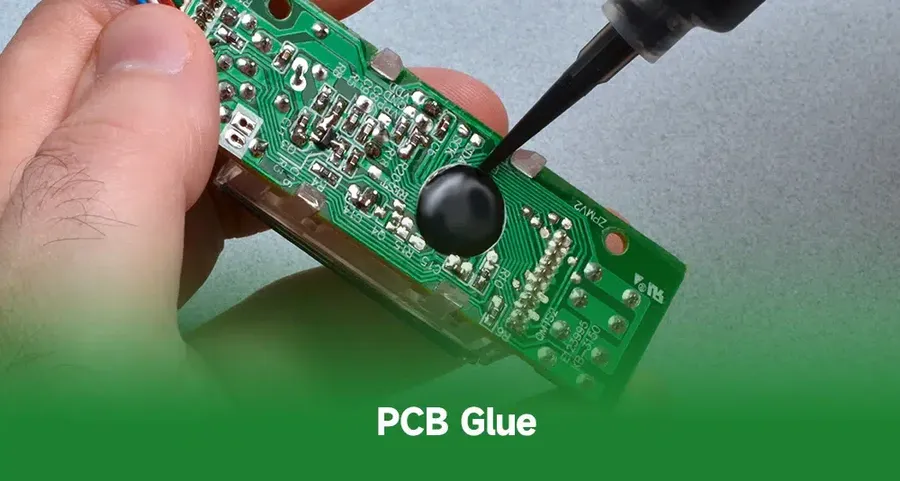
Cyanoacrylate adhesives, commonly known as superglue, offer a rapid and strong bond, but their application on Printed Circuit Boards (PCBs) requires careful consideration due to specific drawbacks. While convenient for quick fixes, their properties often make them unsuitable for many PCB assembly and repair tasks. Understanding these limitations is crucial before using superglue in any electronic application.
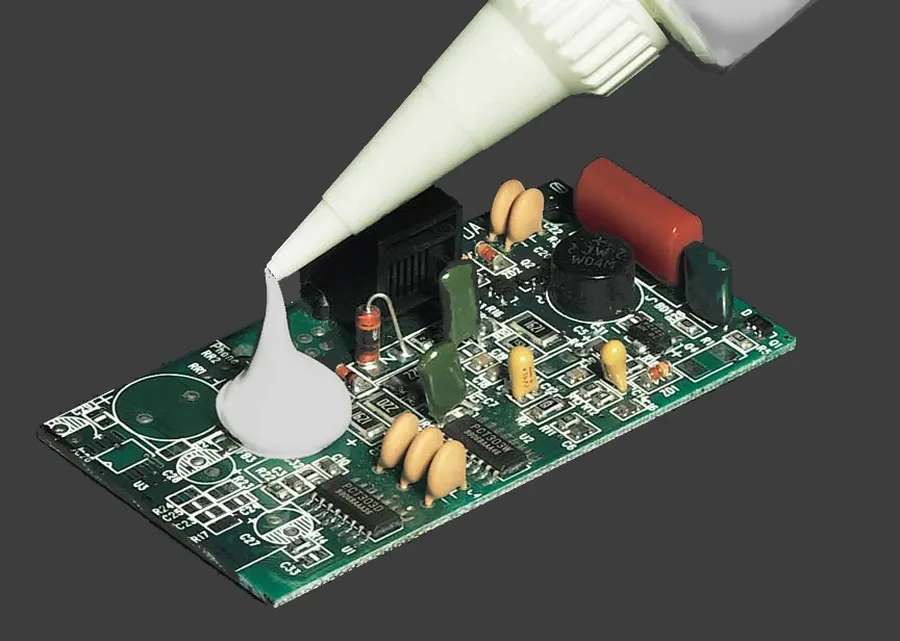
Silicone adhesives stand out in PCB assembly for their exceptional flexibility, broad temperature tolerance, and ease of removal, making them ideal for applications where stress relief and reworkability are crucial. Their unique properties protect sensitive components while providing reliable electrical insulation.
Silicone adhesives are not without limitations. Their relatively low tensile strength and susceptibility to certain chemicals can make them unsuitable for high-stress applications or environments with harsh chemical exposures. Careful consideration of the operating environment is crucial when choosing silicone adhesives for PCB applications.
| Property | Description | Advantages | Disadvantages |
|---|---|---|---|
| Flexibility | Ability to deform without breaking. | Excellent for vibration dampening and thermal expansion mismatch. | Lower tensile strength compared to epoxy. |
| Temperature Range | Maintains properties over a wide temperature range (-50°C to 200°C). | Suitable for extreme environments. | Thermal conductivity is lower than some other adhesives. |
| Removal | Easy to remove from PCB without causing damage. | Simplifies rework and repairs. | May not adhere well to all surfaces without proper surface preparation. |
| Electrical Properties | Good dielectric properties. | Provides excellent electrical insulation. | Can have higher cost compared to other adhesives. |
| Chemical Resistance | Resistant to moisture and many chemicals. | Protects against environmental factors | Susceptible to some solvents and chemicals |
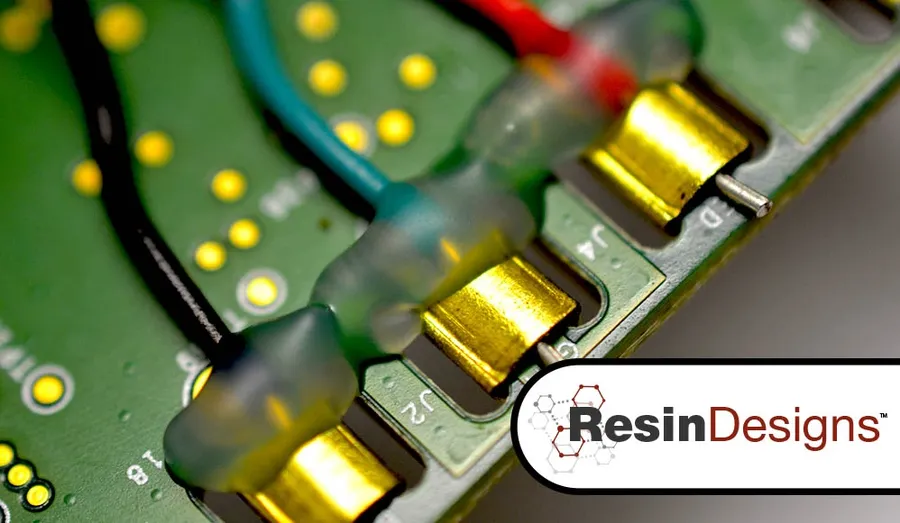
UV-curable adhesives are a specialized class of adhesives that undergo a rapid curing process when exposed to ultraviolet (UV) light. This characteristic makes them exceptionally well-suited for high-speed, precision applications in PCB assembly, where minimizing production time and ensuring accurate component placement are paramount. These adhesives offer a compelling alternative to traditional methods, enabling efficient and reliable bonding of electronic components.
The primary advantages of UV-curable adhesives stem from their unique curing mechanism. Unlike epoxy or hot melt adhesives, UV-curable materials do not require heat or long setting times. This allows for immediate handling of bonded components after UV exposure, drastically reducing overall assembly time. Additionally, the precise control over the curing process enabled by UV light allows for highly accurate adhesive application and bonding.
However, the application of UV-curable adhesives is not without its considerations. It necessitates the use of specific UV curing equipment which can present a higher upfront cost. Furthermore, the adhesive itself must be formulated to be transparent or translucent to UV light. This is important to ensure proper curing across the entire bond line. The material to be bonded should also be UV transmissive or be exposed from the edge.
| Feature | UV-Curable Adhesive | Traditional Adhesives (e.g., Epoxy) |
|---|---|---|
| Curing Time | Seconds to minutes | Minutes to hours |
| Curing Mechanism | UV light exposure | Chemical reaction or heat |
| Precision | High, due to controlled curing | Lower, potential for movement during curing |
| Equipment | Requires UV light source | May require mixing equipment, heat source |
| Cost | Higher upfront cost for equipment | Lower upfront cost, potential for higher labor costs |
In summary, UV-curable adhesives provide a high-speed, precise bonding solution particularly advantageous in high-volume PCB assembly lines. While initial equipment costs may be higher, the enhanced efficiency and control over bonding process can lead to significant long-term benefits.
Achieving a robust and dependable bond with PCB glue requires adherence to best practices, encompassing proper surface preparation, precise dispensing techniques, effective curing methods, and stringent safety protocols. The specific approach to application hinges on the type of adhesive being used, necessitating a tailored strategy for each.
This section addresses common inquiries concerning PCB adhesives, providing practical insights into their selection, application, and safe handling. Understanding the nuances of PCB glue is crucial for ensuring the longevity and reliability of electronic devices.
Choosing the correct PCB adhesive is critical for ensuring long-term reliability and performance of electronic assemblies. The selection process involves evaluating several factors including the type of components, operational environment, required bond strength, and the feasibility of rework. A structured approach, such as a decision matrix, simplifies this process by considering these key aspects.
| Property | Epoxy | Hot Melt | Cyanoacrylate (Super Glue) | Silicone | UV-Curable |
|---|---|---|---|---|---|
| Bond Strength | High | Moderate | Moderate to High | Low to Moderate | High |
| Temperature Resistance | High | Low | Moderate | High | Moderate to High |
| Flexibility | Low | Moderate | Low | High | Low |
| Chemical Resistance | Excellent | Fair | Poor | Good | Excellent |
| Cure Time | Slow | Fast | Very Fast | Variable | Very Fast |
| Reworkability | Difficult | Easy | Difficult | Easy | Moderate |
| Typical Applications | Laminating, component bonding | Temporary Fixes, Wire Tack | Quick Fixes | Encapsulation, Vibration Dampening | High precision, Automated Assembly |
| Electrical Properties | Generally Insulating | Generally Insulating | Generally Insulating | Insulating | Generally Insulating |
The table above provides a comprehensive comparison of the different types of PCB glues, highlighting their strengths and weaknesses for various applications.
Choosing the right PCB glue is paramount to ensure the long-term reliability and performance of electronic devices. From the versatile epoxy resins to the flexible silicone adhesives, understanding their individual characteristics is crucial. The use of PCB glue is not merely about adhesion; it is about creating a robust, secure, and protected electronic system. As technology continues to advance, the demands on PCB assembly become more stringent, making the selection and application of the right PCB glue an increasingly critical factor in electronic design and manufacturing. Whether you're an engineer designing new circuits or a hobbyist repairing an existing board, mastering the art of PCB glue application is a valuable skill in today’s world.

