From the ticking of your wristwatch to the heartbeat of complex digital systems, the quartz crystal oscillator plays an indispensable role. This seemingly simple component, based on the piezoelectric effect, provides a stable and accurate frequency reference crucial for countless applications. This article delves deep into the principles, working mechanisms, and practical uses of quartz crystal oscillators, shedding light on their significance in modern electronics and technology.
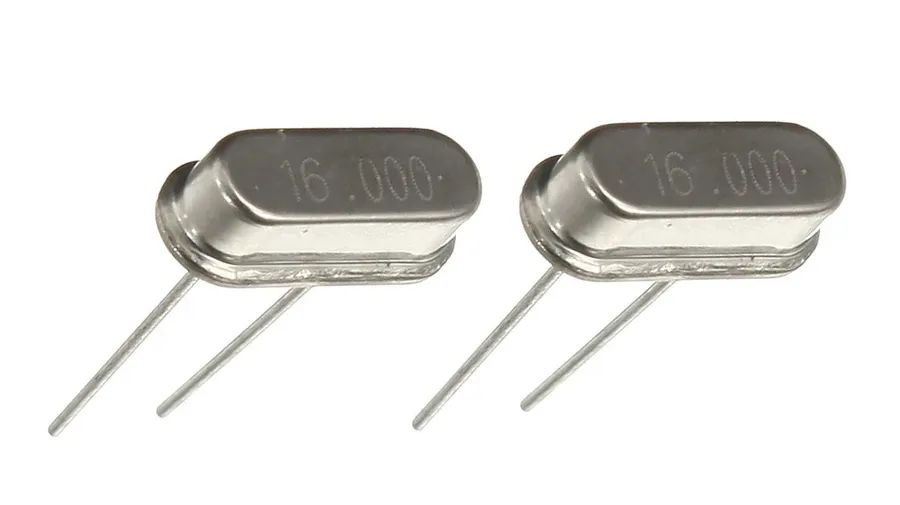
Quartz crystal oscillators are fundamental components in modern electronics, leveraging the unique piezoelectric properties of quartz crystals to generate highly stable and precise frequencies. At their core, these devices harness the ability of a quartz crystal to produce an electrical charge when subjected to mechanical stress, and conversely, to deform when an electric field is applied. This bidirectional property is the basis of the oscillation process.
The operation of a quartz crystal oscillator relies on the precise cut, dimensions, and material properties of the crystal, which define its natural resonant frequency. When an oscillating electrical signal is applied to a properly configured crystal, the mechanical vibrations it induces are highly efficient, with low energy loss, resulting in a stable and predictable frequency output crucial for numerous applications.
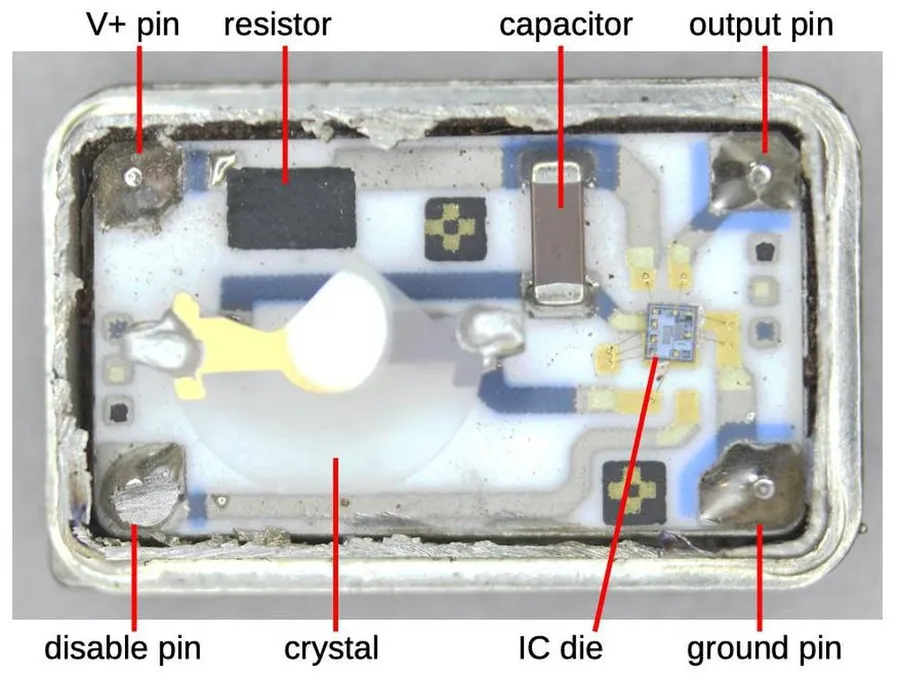
Quartz crystal oscillators operate based on the piezoelectric effect, where mechanical stress applied to a quartz crystal generates an electrical charge and vice versa. This bidirectional conversion forms the basis for stable frequency generation. When an alternating voltage is applied across the crystal, it undergoes mechanical deformation at a specific resonant frequency, leading to oscillation.
The process can be described as a series of steps: First, an AC voltage is applied to the quartz crystal, which is typically cut in a specific shape and orientation to have a well-defined resonant frequency. This applied voltage causes the crystal to mechanically deform. Second, when the frequency of the applied AC voltage matches the crystal's resonant frequency, the crystal vibrates with maximum amplitude. Finally, the mechanical vibration of the crystal produces an electrical signal due to the piezoelectric effect, creating an oscillating signal at the crystal's resonant frequency. This oscillation, further amplified and conditioned, produces a stable and reliable clock signal.
Key to the stable operation of a quartz crystal oscillator is the concept of resonance, where the crystal vibrates with maximum amplitude at its natural frequency and maintains oscillation without external excitation. The resonant frequency is primarily determined by the crystal's physical dimensions, material properties, and cut orientation. The electrical circuit connected to the crystal is designed to ensure sustained oscillation by providing the necessary energy to overcome losses in the crystal and its surrounding circuit.
| Stage | Description | Physical Principle |
|---|---|---|
| Initial Excitation | An AC voltage is applied to the quartz crystal. | Voltage application |
| Mechanical Vibration | The crystal deforms mechanically due to the applied voltage. | Piezoelectric effect |
| Resonance | Vibration is maximized at the crystal's resonant frequency. | Mechanical resonance |
| Electrical Output | Crystal vibration produces an oscillating electrical signal. | Inverse piezoelectric effect |
| Sustained Oscillation | The oscillating signal is amplified and conditioned for stable frequency output. | Feedback and amplification |
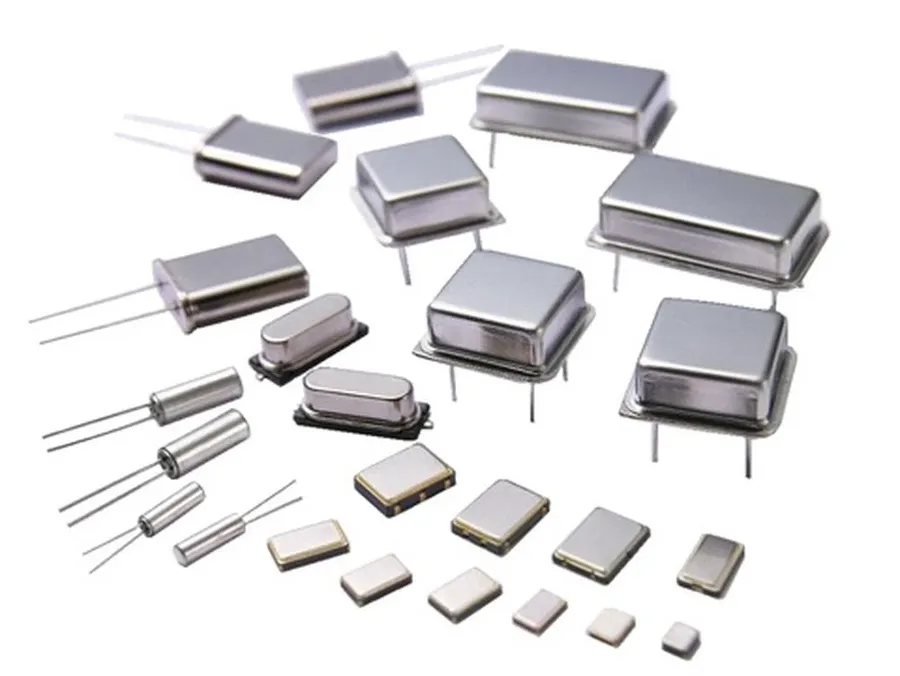
Quartz crystal oscillators are not monolithic entities; rather, they manifest in various circuit configurations, each tailored for specific applications and performance criteria. These configurations primarily differ in how they maintain the oscillation using the crystal's resonant properties, influencing factors such as frequency stability, power consumption, and the overall circuit complexity. The following sections detail three common oscillator types: Pierce, Colpitts, and Hartley, emphasizing their unique characteristics.
| Oscillator Type | Circuit Characteristics | Typical Applications | Advantages | Disadvantages |
|---|---|---|---|---|
| Pierce Oscillator | Utilizes two capacitors in series with the crystal. Simple design with low component count, often seen in logic circuits, uses CMOS inverters. | Microcontrollers, real-time clocks, low-power applications. | Simple design, low cost, reliable startup. | Limited frequency range, sensitive to load capacitance. |
| Colpitts Oscillator | Employs a tapped capacitor network for feedback. A good choice when a variable frequency needs to be generated, uses a bipolar junction transistor (BJT) or field-effect transistor (FET) for amplification. | Radio frequency (RF) circuits, signal generators, frequency synthesizers. | Good stability, can operate at higher frequencies. | Requires more components, can be sensitive to component variations. |
| Hartley Oscillator | Uses a tapped inductor for feedback. Suitable for generating high frequencies. Uses a BJT or FET for amplification. | Radio transmitters, RF signal generation, LC tank based applications. | High frequency operation, wide frequency range. | Less stable than Colpitts, susceptible to noise and component variations. |
The performance of a quartz crystal oscillator, characterized by its stability and accuracy, is significantly influenced by various internal and external factors. These factors primarily include temperature variations, load capacitance, drive level, and aging. Understanding and mitigating these influences is critical for designing reliable and precise timing circuits.
| Factor | Description | Impact | Mitigation Strategies |
|---|---|---|---|
| Temperature | Changes in ambient temperature affect the crystal's resonant frequency due to thermal expansion and changes in material properties. | Frequency drift, reduced stability, potential for oscillation failure at extreme temperatures. | Use temperature-compensated crystal oscillators (TCXOs), implement temperature control circuits, utilize crystal with low temperature coefficient. |
| Load Capacitance | The capacitance seen by the crystal in the oscillator circuit; typically influenced by external capacitors and circuit parasitics. | Frequency variation, deviation from the crystal's specified frequency. | Choose a crystal with the correct load capacitance, ensure accurate and stable external capacitors, control circuit parasitics. |
| Drive Level | The amount of power dissipated within the crystal; excessive power can lead to crystal damage or performance degradation. | Aging acceleration, frequency shift, increased crystal resistance, potential failure. | Proper circuit design to limit power dissipation, selection of crystal suitable for application, use a series resistor when required. |
| Aging | The gradual change in a crystal's resonant frequency over time due to changes in crystal structure. | Gradual frequency drift, long-term performance degradation. | Use crystals with good aging characteristics, ensure stable temperature and humidity conditions for operation. |
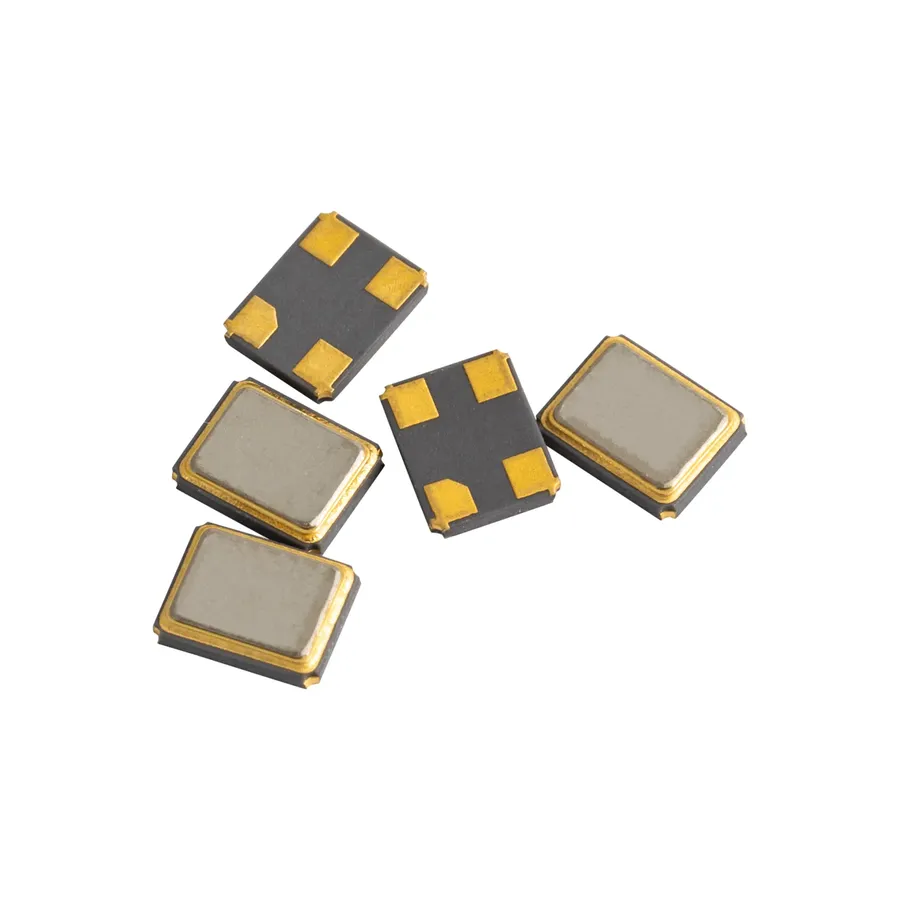
While both quartz crystal resonators and quartz crystal oscillators leverage the piezoelectric properties of quartz, they serve different functions within electronic circuits. A quartz crystal resonator is a passive component, requiring external circuitry to oscillate, whereas a quartz crystal oscillator is an active circuit incorporating the resonator and supporting components to produce a stable frequency signal.
| Feature | Quartz Crystal Resonator | Quartz Crystal Oscillator |
|---|---|---|
| Function | Passive component; provides resonant frequency | Active circuit; generates stable frequency signal |
| Components | Quartz crystal element only | Quartz crystal, amplifier, feedback network, biasing |
| Operation | Requires external circuitry to oscillate | Self-oscillating; outputs a signal at the crystal's resonant frequency |
| Power Requirement | No power required | Requires power supply to operate active components |
| Output | Does not directly output a signal; part of resonant circuit | Produces an output signal at the crystal's frequency |
| Complexity | Simpler component | More complex circuit |
| Applications | Frequency selection in oscillators, filters | Timing signals, clocking in microprocessors, communications |
In essence, a quartz crystal resonator acts as a highly selective filter, allowing a specific frequency to pass through or resonate. Conversely, a quartz crystal oscillator is a complete functional circuit capable of generating a stable and precise frequency signal by utilizing the resonator. It is imperative to understand these distinctions when integrating them into electronic design.
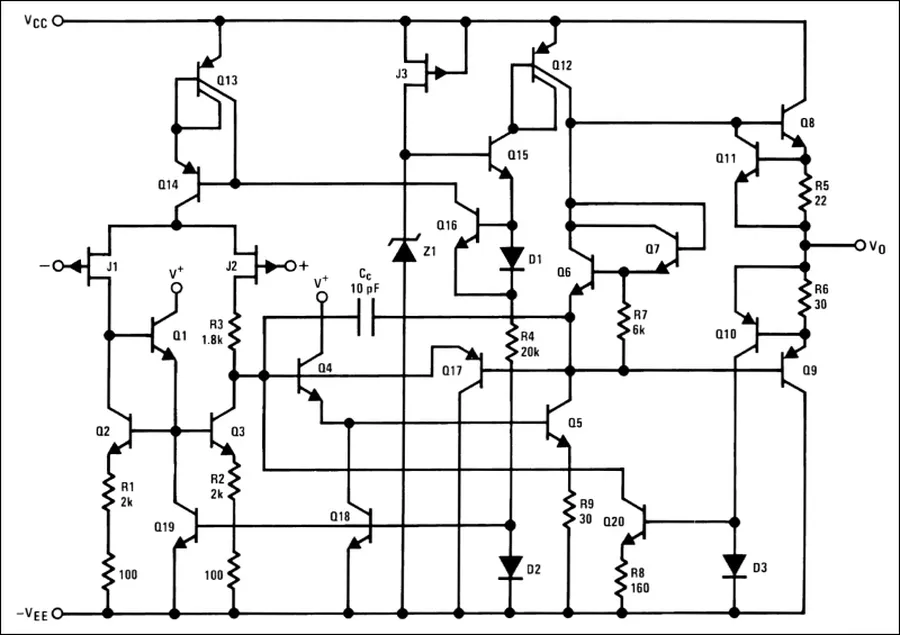
Quartz crystal oscillators are fundamental components in a vast array of modern technologies, providing the precise and stable timing signals necessary for digital circuits to function correctly. Their applications span from the core of computing systems to sophisticated communication devices, highlighting their critical importance in contemporary electronics.
Selecting the optimal quartz crystal oscillator for a specific application demands careful consideration of various factors, including frequency requirements, stability needs, cost constraints, and design parameters. This section provides practical guidance on key specifications to evaluate, ensuring the chosen oscillator meets the performance and reliability demands of your project.
When selecting a quartz crystal oscillator, several key parameters should be considered to ensure the device meets the requirements of the application. These parameters directly impact the oscillator's performance and suitability for specific tasks.
| Parameter | Description | Importance |
|---|---|---|
| Frequency | The nominal oscillation frequency of the crystal, measured in Hertz (Hz). | Critical for timing, data transmission, and signal processing. Must match the system's operational requirements. |
| Frequency Tolerance | The allowable deviation of the oscillation frequency from the nominal value, often expressed in parts per million (ppm). | Impacts the accuracy of timing operations. Tighter tolerance is needed for precision applications. |
| Frequency Stability | How much the oscillation frequency changes with variations in temperature and voltage. Also measured in ppm. | Crucial for maintaining reliable performance in varying environmental conditions. High stability needed for time-critical systems. |
| Load Capacitance | The external capacitance value required for the crystal to oscillate at its specified frequency. Measured in picofarads (pF). | Essential for correct operation and tuning the crystal. Improper load capacitance will shift the oscillation frequency. |
| Operating Temperature Range | The temperature range over which the crystal is specified to operate within its performance parameters. Measured in Celsius (°C). | Ensures reliability of the system in specific operating conditions. Must match the expected environmental range. |
| Aging | The rate at which the crystal frequency changes over time. | Important for applications that require long-term stability and accuracy such as calibration standards. |
| Package Type | The physical form factor of the crystal oscillator (e.g., surface mount, through-hole). | Dictated by the physical design requirements of the PCB and the available assembly equipment. |
| Drive Level | The power level at which the crystal is excited. Measured in microwatts (µW) | Excessive drive can cause damage or reduce the lifespan. Proper drive level must be met for reliable performance. |
| Cost | The price of the crystal, which can vary significantly based on tolerance, stability, and packaging. | Must fit within the budgetary constraints of a project. High cost does not always equate to better performance. The optimal cost-to-performance ratio should be sought. |
Selecting the right crystal also involves understanding the trade-offs. For instance, higher stability and tighter tolerance typically come with increased cost. Therefore, it is essential to balance performance needs with budgetary limitations. Moreover, consider the long-term reliability and lifespan of the chosen crystal to avoid costly maintenance or replacement. Always consult the manufacturer's datasheet for detailed specifications and application guidelines.
Quartz crystal oscillators, while highly reliable, can sometimes exhibit issues such as unstable oscillations, frequency drift, or startup failures. Effective troubleshooting requires a systematic approach, focusing on identifying potential causes and applying appropriate solutions. Addressing these common problems ensures the oscillator operates within its specified parameters, maintaining the stability and accuracy required for its intended application.
This section addresses common questions about quartz crystal oscillators, providing concise answers to clarify their functionality, characteristics, and applications. Understanding these fundamentals is essential for anyone working with or utilizing these critical components in electronic circuits.
Quartz crystal oscillators are at the heart of countless electronic devices, providing the timing stability and frequency accuracy that is essential for their proper functioning. Understanding their working principles and applications allows engineers and enthusiasts to design and use these components effectively. As technology continues to advance, the precision and reliability offered by quartz crystal oscillators will remain indispensable in the quest for ever-more accurate and stable electronic systems. Their simple yet powerful design, stemming from the fascinating piezoelectric effect in quartz crystals, is a cornerstone of modern technology.

