From the intricate circuits in your smartphone to the powerful audio systems in your car, capacitors play a crucial role. Among these, the non-polarized capacitor stands out for its versatility. Unlike their polarized counterparts, these capacitors have no designated positive or negative terminal. This unique trait makes them ideal for alternating current circuits, where the polarity constantly shifts. In this article, we'll dive deep into the functionality of non-polarized capacitors, their various types, and practical applications in diverse electronic devices, helping you understand their role and importance in the modern tech world.
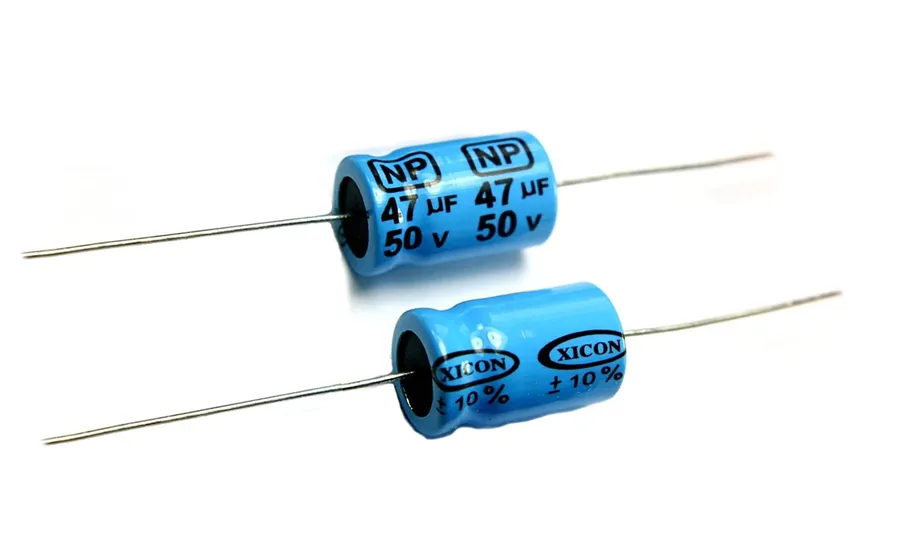
A non-polarized capacitor, often termed a bipolar capacitor, is a fundamental electronic component distinguished by the absence of designated positive or negative terminals. This key characteristic allows it to be connected in either direction within a circuit, rendering it particularly suitable for alternating current (AC) applications. Its symmetrical construction facilitates bidirectional current flow, a feature that contrasts sharply with polarized capacitors like electrolytic types, which require specific polarity for proper operation.
Non-polarized capacitors function by storing electrical energy through the accumulation of charge on two conductive plates, which are separated by a dielectric material. This fundamental structure, devoid of polarity, enables them to withstand reversals in polarity, a critical feature for applications involving AC and audio signal paths, where the current's direction is constantly changing.
The following points outline the working principles of non-polarized capacitors:
The ability of non-polarized capacitors to handle fluctuating current and voltage directions is essential in many electronics applications.
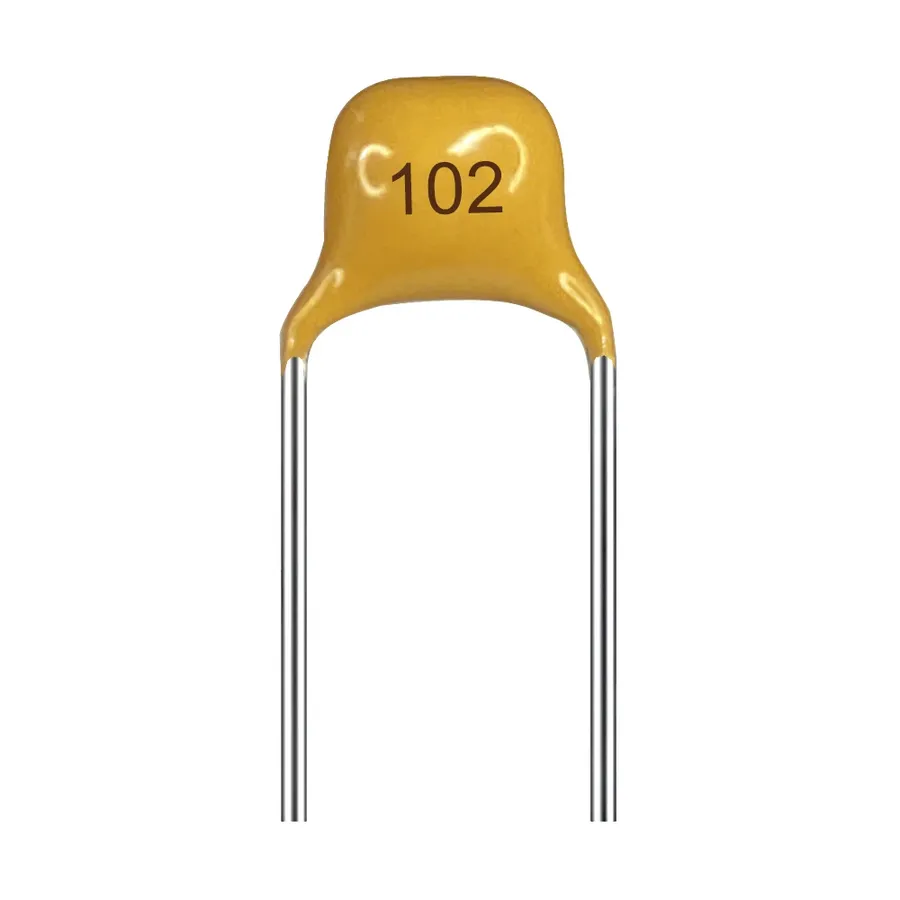
Non-polarized capacitors are available in several types, each distinguished by their construction, performance characteristics, and suitability for specific applications. The primary types include ceramic, film, and non-polarized electrolytic capacitors, which differ significantly in capacitance range, voltage rating, temperature stability, and other performance metrics. Understanding these differences is crucial for selecting the right capacitor for a given circuit design.
| Capacitor Type | Dielectric Material | Capacitance Range | Voltage Rating | Temperature Stability | Typical Applications |
|---|---|---|---|---|---|
| Ceramic Capacitors | Ceramic | Picofarads (pF) to Microfarads (µF) | Low to Medium | Moderate | High-frequency coupling, bypass, filtering |
| Film Capacitors | Polypropylene, Polyester, Polycarbonate | Picofarads (pF) to Microfarads (µF) | Medium to High | Good | Audio circuits, power electronics, precision timing circuits |
| Non-Polarized Electrolytic Capacitors | Electrolytic (special construction) | Microfarads (µF) to Millifarads (mF) | Medium | Moderate | Audio signal coupling, some power applications |
Each type of non-polarized capacitor has unique performance characteristics. Ceramic capacitors, are known for their small size, good high-frequency response, and are ideal for bypass and decoupling applications, particularly in high-frequency circuits. Film capacitors, which include types such as polypropylene and polyester, are prized for their high precision, temperature stability, and low dissipation factor (DF), which is ideal for audio signal processing and precision timing applications. Non-polarized electrolytic capacitors offer higher capacitance values in a smaller size and are useful in applications requiring high capacitance but are less common than their polarized counterparts. The selection of the specific type depends on the application's particular requirements.
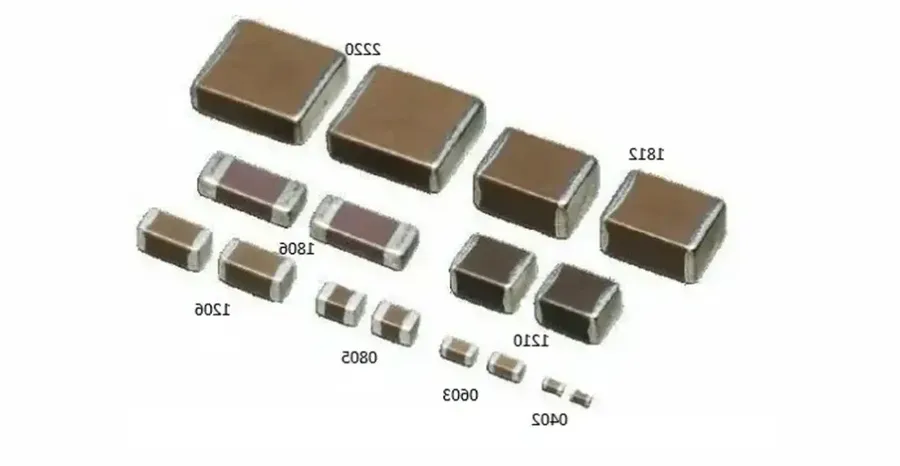
The fundamental distinction between non-polarized and polarized capacitors lies in their polarity requirements. Polarized capacitors, such as electrolytic types, necessitate correct polarity alignment within a circuit to prevent damage, while non-polarized capacitors are designed to function irrespective of polarity, enabling them to handle AC signals due to their symmetrical internal structure.
| Feature | Non-Polarized Capacitor | Polarized Capacitor |
|---|---|---|
| Polarity Requirement | No polarity requirement, can be connected either way. | Must be connected with the correct polarity to avoid damage. |
| Suitability for AC Circuits | Ideal for AC circuits due to symmetrical structure. | Not suitable for AC circuits and can fail if polarity is reversed. |
| Common Applications | Audio circuits, AC filtering, RF circuits. | DC power supply filtering, low-frequency applications. |
| Construction | Typically constructed from ceramic, film, or non-polarized electrolytic materials. | Usually constructed from electrolytic materials with a polarized internal structure. |
| Tolerance | Typically have tighter tolerance and more stable. | Usually have wider tolerances due to manufacturing processes. |
Non-polarized capacitors are valued for their ability to operate with either AC or DC signals, often employed in filtering and coupling circuits due to their versatility, especially in applications where there is no designated positive or negative terminal. The selection of either non-polarized or polarized capacitors depends heavily on the specific requirements of the circuit and application.
Understanding the key characteristics of non-polarized capacitors is crucial for selecting the correct component for a given application. These characteristics dictate how the capacitor will perform within a circuit, particularly in AC and audio applications where they are frequently used. The primary specifications include capacitance, voltage rating, tolerance, temperature stability, and Equivalent Series Resistance (ESR).
| Characteristic | Description | Units |
|---|---|---|
| Capacitance | The ability of the capacitor to store electrical charge. | Farads (F), typically microfarads (μF) or picofarads (pF) |
| Voltage Rating | The maximum voltage that the capacitor can safely handle without dielectric breakdown. | Volts (V) |
| Tolerance | The allowable variation from the nominal capacitance value. | Percentage (%) |
| Temperature Stability | How the capacitance changes with temperature variations. | Typically expressed as a percentage change per degree Celsius (°C) or a temperature coefficient (ppm/°C) |
| ESR (Equivalent Series Resistance) | The internal resistance of the capacitor, which affects its performance, particularly at high frequencies. | Ohms (Ω) |
Each of these parameters plays a vital role in the performance of non-polarized capacitors. Capacitance determines the amount of energy the capacitor can store, while the voltage rating ensures the capacitor does not fail under the intended operating voltages. Tolerance indicates the precision of the component and impacts the accuracy of the circuit. Temperature stability is crucial for applications that involve varying operating temperatures, and ESR is particularly important in high-frequency applications where it can lead to energy loss and heat dissipation.
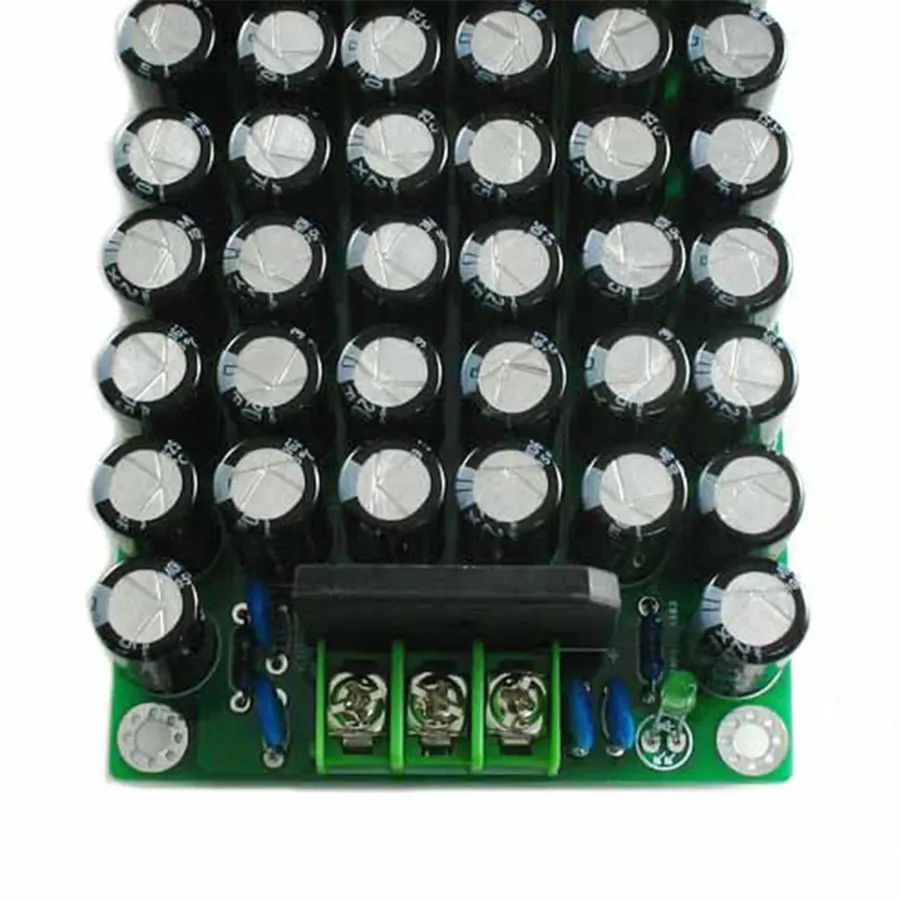
Non-polarized capacitors are indispensable components across numerous applications, primarily due to their ability to handle alternating current (AC) and changing polarities without risk of damage. Their symmetrical design and stable performance over various conditions make them a preferred choice in a wide array of electronic circuits.
The selection of the capacitor type within these applications (ceramic, film, etc.) is determined by the required capacitance, voltage rating, operating temperature, and desired performance characteristics. Each type offers a unique balance of properties that are matched to the particular needs of each circuit and its operating environment. The consistency and reliability across these applications is what has made non-polarized capacitors so valuable in modern electronic systems.
Non-polarized capacitors present several key advantages that make them a versatile choice in circuit design. Primarily, their ability to operate effectively in both AC and DC circuits, without concern for polarity, differentiates them from polarized capacitors. This flexibility, coupled with their stable performance across temperature variations and lower cost in some applications, positions them as an essential component in numerous applications.
This section addresses common queries regarding non-polarized capacitors, offering clarity on their usage, characteristics, and applications. These frequently asked questions are designed to provide a practical understanding of these essential electronic components.
In conclusion, non-polarized capacitors, with their polarity independence, play a vital role in various electronic applications, especially where alternating current is involved. Understanding their types, characteristics, and applications helps in making the best selection for the desired functionality. From filtering to signal coupling, a non-polarized capacitor's advantages, versatility, and stable performance make them a crucial component in modern electronics. Their bidirectional current capabilities and non polarized nature make them essential in the creation of modern electronics designs. They should always be considered in your design where AC is present or when you require bidirectional capacitor performance.

