In the realm of electronics, the unassuming 1 ohm 10 watt resistor plays a surprisingly pivotal role. Like a tiny gatekeeper, it controls the flow of current in circuits, managing power to protect delicate components. This article unravels the mystery of this small but essential component, examining its construction, applications in everyday electronics, and even automotive use, demonstrating why it's vital in many situations. Understanding the 1 ohm 10 watt resistor is a key to understanding much of modern technology.
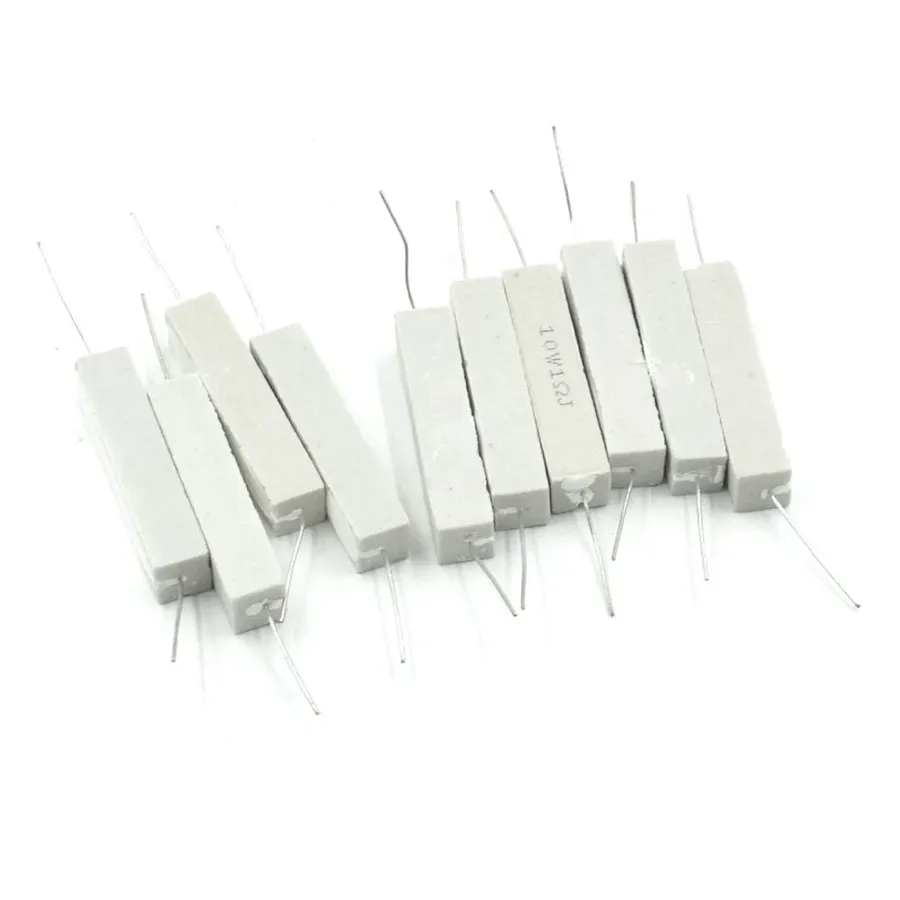
A 1 ohm 10 watt resistor is a passive electronic component designed to offer a specific resistance of 1 ohm to the flow of electrical current, while also being capable of dissipating up to 10 watts of power as heat. This dual specification of resistance and power handling capability is crucial to its application and performance.
The '1 ohm' value dictates the opposition to electrical current; a lower resistance allows more current to pass. Conversely, '10 watt' indicates its capacity to handle power without overheating or failing. The physical size and construction of the resistor are directly linked to its power rating. Larger resistors with more substantial heat-dissipating surfaces can generally handle more power. These specifications are essential for selecting the right component for a circuit and ensuring its reliability.
Compared to other resistors, the 1 ohm value is considered low, making it suitable for applications where a small amount of resistance is required for current limiting or sensing. Its 10-watt rating signifies a moderate power handling capability, making it less susceptible to damage from high current flow when designed within the correct application. The material of construction is also important. Typically, these resistors are wire-wound, metal-film or thick film offering different levels of precision, temperature stability and physical properties. Wire wound resistors consist of a length of high resistivity wire wound around a ceramic or fiber glass core, metal film resistors consist of a thin film of metal deposited on a substrate, while thick film resistors use a paste-like material screen printed on a substrate.
The 1 ohm 10 watt resistor is primarily defined by its resistance of 1 ohm and its power handling capacity of 10 watts. These parameters dictate its behavior and suitability within electrical circuits. Understanding these, along with tolerance and temperature coefficient, is crucial for effective circuit design and operation.
| Parameter | Description | Impact on Circuit |
|---|---|---|
| Resistance | 1 Ohm | Determines the opposition to current flow. A lower resistance allows more current to flow for a given voltage. |
| Power Rating | 10 Watts | Indicates the maximum power the resistor can dissipate without damage. Exceeding this rating can lead to overheating and failure. |
| Tolerance | Typically ±1% or ±5% | Represents the allowable variation in the stated resistance value. A tighter tolerance provides more accurate circuit behavior. |
| Temperature Coefficient | Typically ±100ppm/°C or higher | Specifies how much the resistance changes with temperature. This impacts the stability of the resistor's resistance under varying temperature conditions. |
The relationship between voltage, current, and resistance is governed by Ohm's Law (V=IR). Using a 1 ohm resistor, for every 1 amp of current, a voltage drop of 1 volt will be present across the resistor. The power dissipated by the resistor can be calculated using the formula P = I²R or P = V²/R. For a 1 ohm, 10 watt resistor, the maximum current before exceeding the power rating is ~ 3.16A (square root of 10 Watts/1 Ohm) and voltage is ~3.16V (square root of 10 Watts * 1 Ohm).
Temperature significantly impacts the performance of a resistor. As temperature increases, resistance typically increases due to the temperature coefficient of the material. This can affect circuit performance, especially where precision or stability is essential. The 10 watt rating is specifically for heat dissipation, where the resistor is designed to handle power within safe limits by converting the electrical energy to heat, which is then released to the surrounding environment.
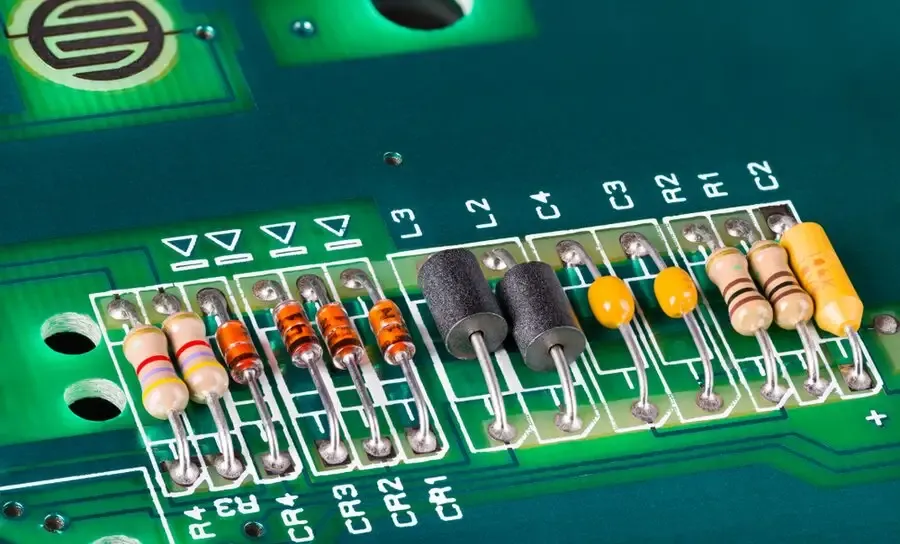
The 1 ohm 10 watt resistor, while seemingly a simple component, plays a crucial role in a variety of electronic circuits. Its low resistance and moderate power handling capability make it suitable for applications where precise current control and heat dissipation are necessary. This section will explore some common applications where this resistor is used in electronics.
While not typically used for precise voltage division due to its low resistance, it could be used in specific situations such as creating a very low value voltage divider when other high value resistors are not available. In such cases, the focus would be on the current limiting properties while allowing only a small fraction of the voltage to be dropped across the resistor.
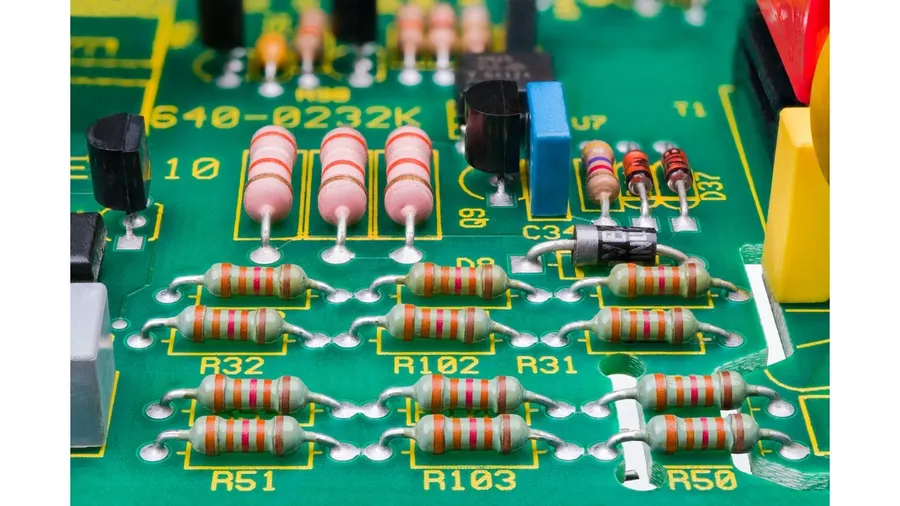
In automotive electronics, the 1 ohm 10 watt resistor plays a crucial role in several applications, primarily due to its ability to handle significant current while providing a low resistance path. This combination makes it suitable for tasks such as discharging capacitors in Electronic Control Units (ECUs), simulating loads for diagnostic purposes, and facilitating the safe resetting of car computer systems. Its robust construction enables it to perform effectively in the demanding environment of a vehicle.
Specifically, when an ECU or other automotive electronic module needs to be serviced or reset, there is often residual charge stored in the capacitors. The 1 ohm 10 watt resistor can be used to discharge these capacitors safely and rapidly, preventing damage to sensitive components. Similarly, during diagnostic procedures, this type of resistor can be employed to simulate the load of a sensor or actuator, thereby enabling technicians to verify the functionality of various circuits within the vehicle without the need to actually connect them. Furthermore, in some automotive systems, this resistor is part of the design of the circuit, providing a controlled environment for a specific operation.
However, it is critical to exercise caution when implementing a 1 ohm 10 watt resistor in automotive applications. Ensuring compatibility with the specific vehicle system and the circuit in question is vital to mitigate any potential risks. For example, incorrect use can lead to excessive heat generation, which can potentially damage the resistor or surrounding components if the power dissipation capacity is exceeded. Always adhere to the vehicle manufacturer's recommended procedures when using this resistor to ensure safe and effective operation and always take appropriate safety measures to avoid shorting the circuit or damaging other components. Incorrect use of a resistor can lead to system failure and in some cases, may require professional attention.
| Application | Function | Safety Considerations |
|---|---|---|
| ECU Capacitor Discharge | Safely discharges residual charge from ECU capacitors before servicing or resetting. | Use a resistor with sufficient power rating to handle discharge current; ensure correct connection polarity to avoid damaging sensitive components. |
| Load Simulation | Simulates sensor or actuator loads for diagnostic purposes. | Verify the simulated load matches the actual load requirements of the circuit, improper loading could lead to incorrect diagnoses. |
| Car Computer Reset | Facilitates safe reset procedures, preventing damage due to uncontrolled current flow. | Always follow the manufacturer's guidelines for reset procedures, check the correct ratings and tolerance before use. |
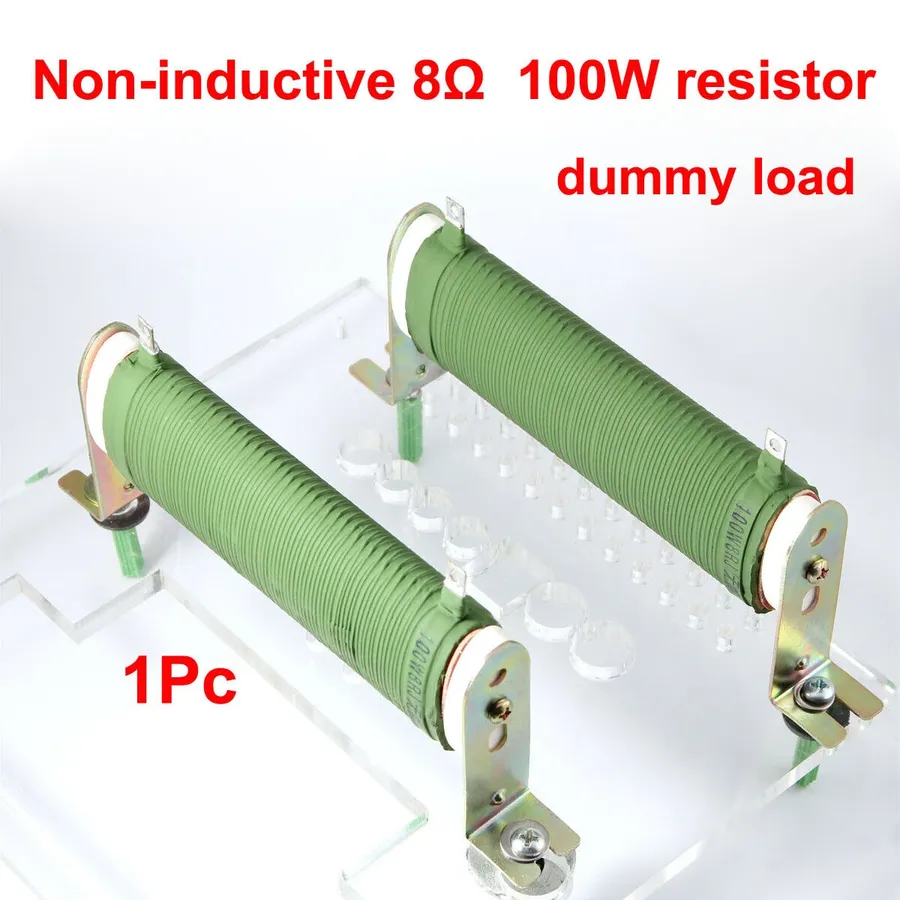
The 1 ohm 10 watt resistor plays a crucial role in audio equipment, primarily for balancing audio signal levels, impedance matching, and providing speaker protection. Its low resistance allows it to manage current flow without significant voltage drop, which is essential for maintaining signal integrity. This specific resistor assists in achieving optimal audio quality by minimizing signal distortion and ensuring efficient power transfer within the system.
In audio circuits, impedance matching is critical for maximizing power transfer and minimizing signal reflections. The 1 ohm resistor can be strategically placed to ensure that the impedance of different circuit stages are compatible, preventing signal loss or distortion.
Speaker protection is another significant application, The 1 ohm resistor can be used in series with a speaker to limit the current during power surges or overloads, safeguarding the speaker's voice coil from damage. This is particularly important in high-power amplifier circuits where over-current can rapidly damage sensitive speaker components. By carefully controlling current, this resistor maintains audio clarity and prevents unwanted electrical interference.
This section addresses common inquiries regarding 1 ohm 10 watt resistors, providing clear and concise answers to help you understand their usage, characteristics, and alternatives.
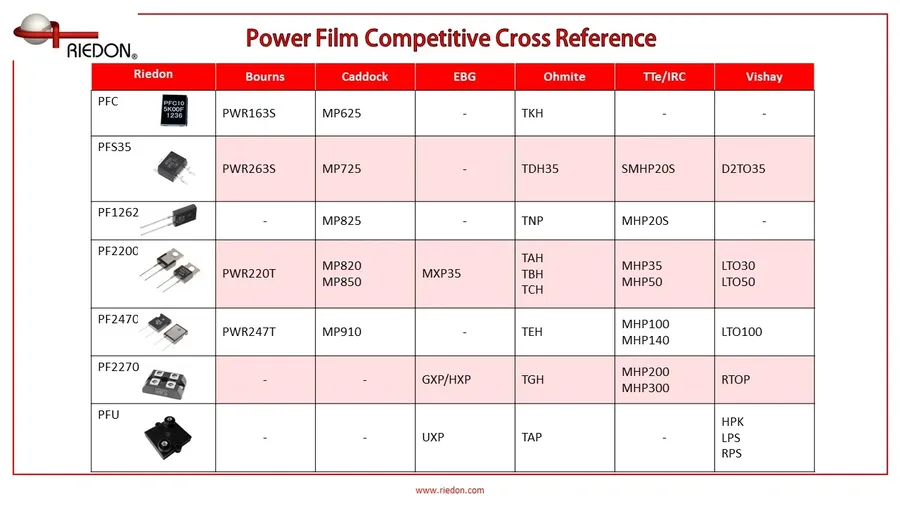
Choosing the right 1 ohm 10 watt resistor involves careful consideration of several factors beyond just the nominal resistance and power rating. These include tolerance, material composition, physical dimensions, and manufacturer reliability. Each factor contributes to the resistor's performance, longevity, and suitability for a given application.
| Factor | Description | Impact |
|---|---|---|
| Tolerance | The allowable deviation of the actual resistance from the nominal value (1 ohm). Typically expressed as a percentage (e.g., ±1%, ±5%). | A tighter tolerance (e.g., ±1%) ensures a more accurate resistance value, critical in precision circuits. A wider tolerance is acceptable where high precision is not required. |
| Material | The material used in the resistor's construction (e.g., wirewound, thick film, metal film). | Material affects temperature coefficient, stability, and inductance. Wirewound resistors are robust and can handle high power, but may have higher inductance than film resistors. |
| Physical Size | The physical dimensions of the resistor (length, diameter, lead spacing). | Size affects power dissipation capability and mounting. A physically larger resistor can dissipate more heat. Consider the application when selecting the physical size and mounting options. |
| Manufacturer | The reputation and quality control of the resistor manufacturer. | Reliable manufacturers adhere to stringent quality control measures and provide resistors that meet stated specifications and provide consistent performance. Look for certifications and adherence to industry standards. |
When selecting a 1 ohm 10 watt resistor it's critical to consider the specific application requirements. For example, circuits that require accurate current limiting will require a resistor with a tighter tolerance. In contrast, circuits where the load is not fixed, a resistor with less stringent tolerance may be sufficient. For high-frequency circuits, minimizing inductance is important, this would lead to selecting a metal film resistor over a wirewound resistor. The material chosen will also affect the maximum operating temperature and the derating of the power handing based on operating temperature.
When evaluating different manufacturers, consider their certifications (e.g., ISO 9001), reputation for consistency and the expected lifetime of the resistor. Datasheets should be reviewed carefully to verify the specified performance under various conditions, this will include temperature derating curves and mechanical specifications. By carefully considering these factors, engineers can ensure the 1 ohm 10 watt resistor meets the demands of the circuit, providing dependable and consistent operation over its intended lifetime.
Employing a 1 ohm 10 watt resistor correctly ensures both optimal performance and extends its operational life. Careful consideration must be given to soldering techniques, thermal management, and rigorous circuit testing to prevent premature failure. Understanding common pitfalls, such as exceeding power limits or misapplying the resistor in a circuit, is crucial to avoid potential damage to both the component and the wider system.
The 1 ohm 10 watt resistor, though small, is a fundamental component in a variety of applications, from everyday electronics to complex automotive systems. Understanding its role in controlling current and power is essential for anyone working with circuits. Whether you're using it to reset your car's computer or optimizing audio signals, this resistor plays a vital part. By choosing wisely and using them correctly, you can ensure efficiency and safety in your electronic projects. Remember, this resistor should be treated with the same respect as any other part of the circuit, making it a very important device for electronic enthusiasts and professionals alike.

