Understanding the 1000uF 16V Capacitor: Specs, Uses, and Replacements

2025.02.06

In the world of electronics, the humble capacitor plays a critical role, storing and releasing electrical energy as needed. Among the various types, the 1000uF 16V capacitor stands out for its versatility. But what exactly is it? Imagine a tiny rechargeable battery; that's essentially what a capacitor does. This article will explore the inner workings of a 1000uf 16v capacitor, examining its applications, the different types available, and offering practical guidance on replacement. From simple circuits to complex systems, the 1000uF 16V capacitor is very important in modern electronics.
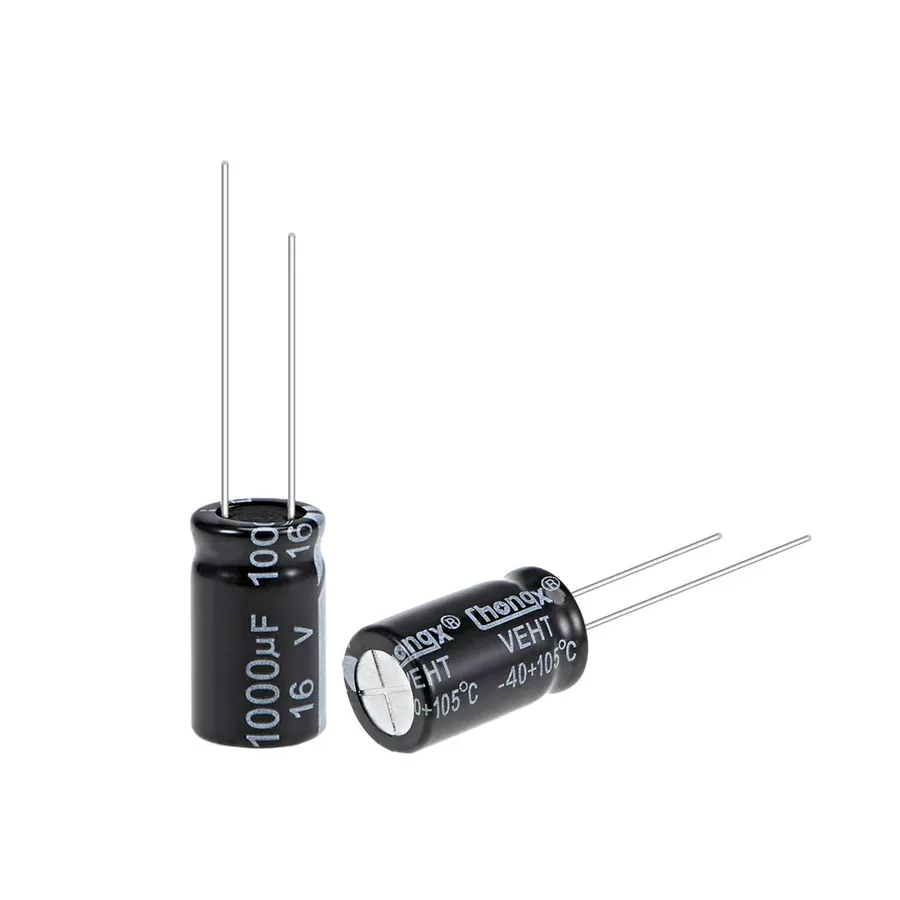
What is a 1000uF 16V Capacitor?

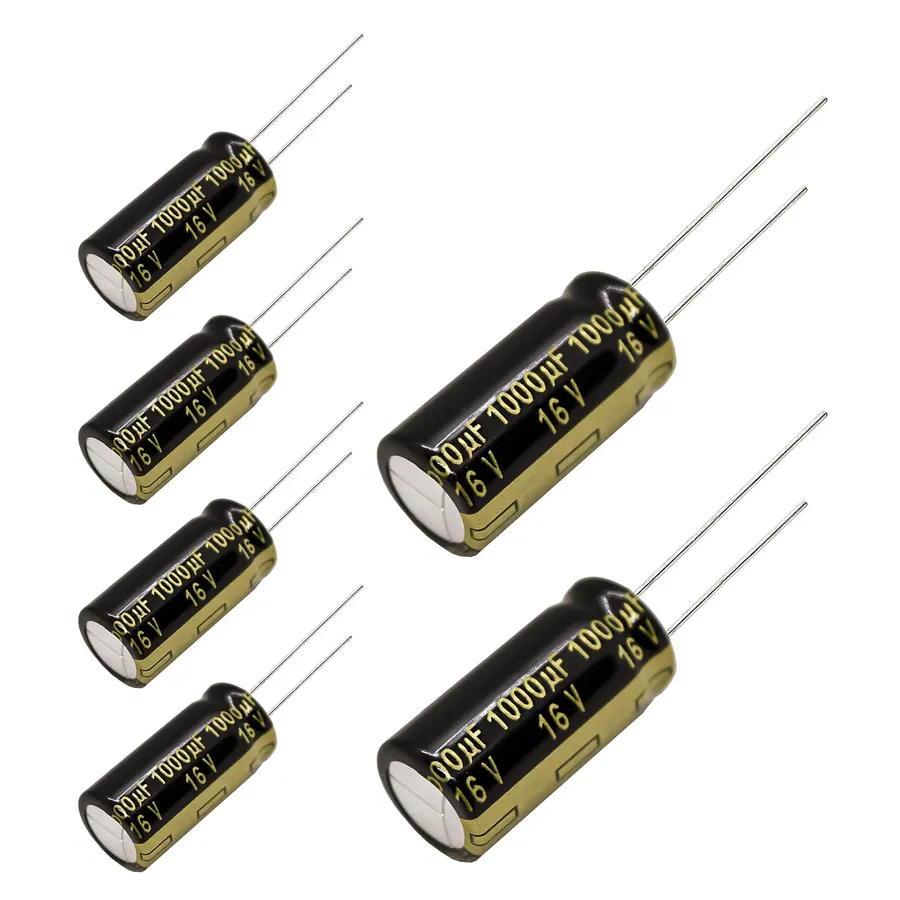
A close-up view of a 1000uF 16V capacitor.
1000uF 16V capacitor

A 1000uF 16V capacitor is a fundamental electronic component characterized by its capacitance of 1000 microfarads (µF) and a voltage rating of 16 volts (V). The capacitance dictates the amount of electrical charge the component can store, while the voltage rating specifies the maximum voltage it can safely withstand without failure. This particular capacitor is widely used in various electronic circuits due to its capacity for charge storage and its suitability for lower-voltage applications.

Physically, a 1000uF 16V capacitor comes in different shapes and sizes, typically cylindrical for through-hole electrolytic types and rectangular for surface mount (SMD) types. The physical dimensions vary based on manufacturing specifications and material construction and will also depend on the type of capacitor such as electrolytic, ceramic, or polymer. The body of the capacitor is usually marked with its key specifications such as the capacitance (1000µF), voltage rating (16V), and sometimes the manufacturer's logo.
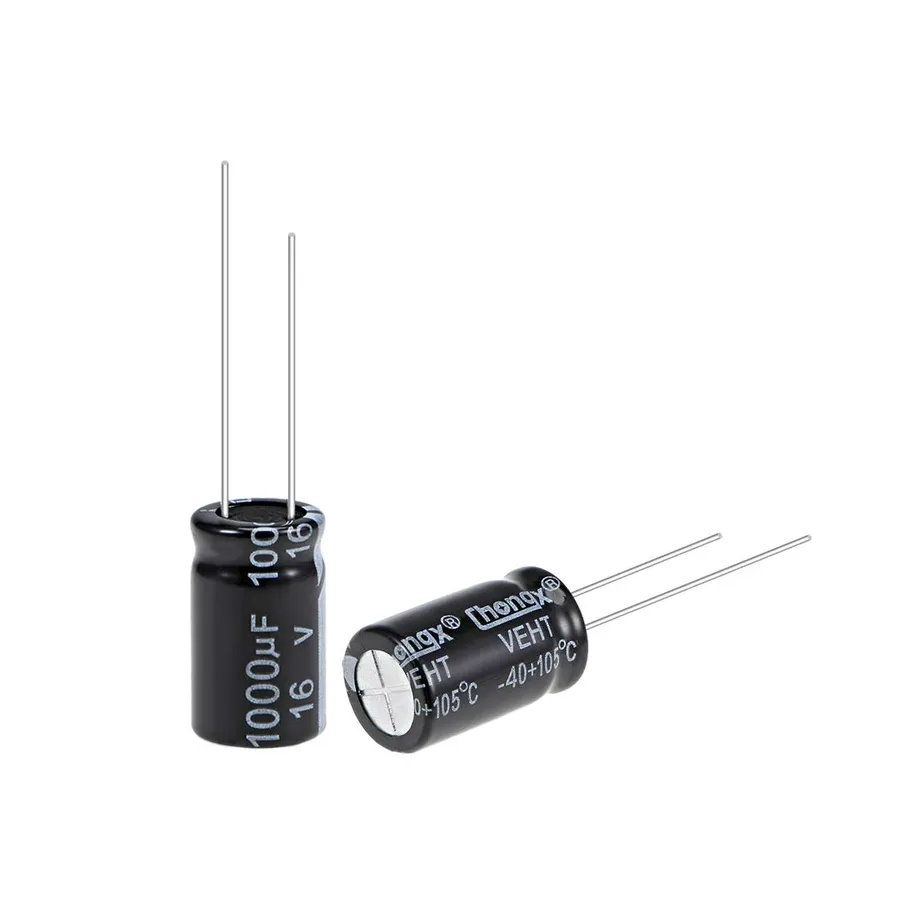
Types of 1000uF 16V Capacitors

A variety of 1000uF 16V capacitors, including radial and surface mount types.
Various types of 1000uF 16V capacitors

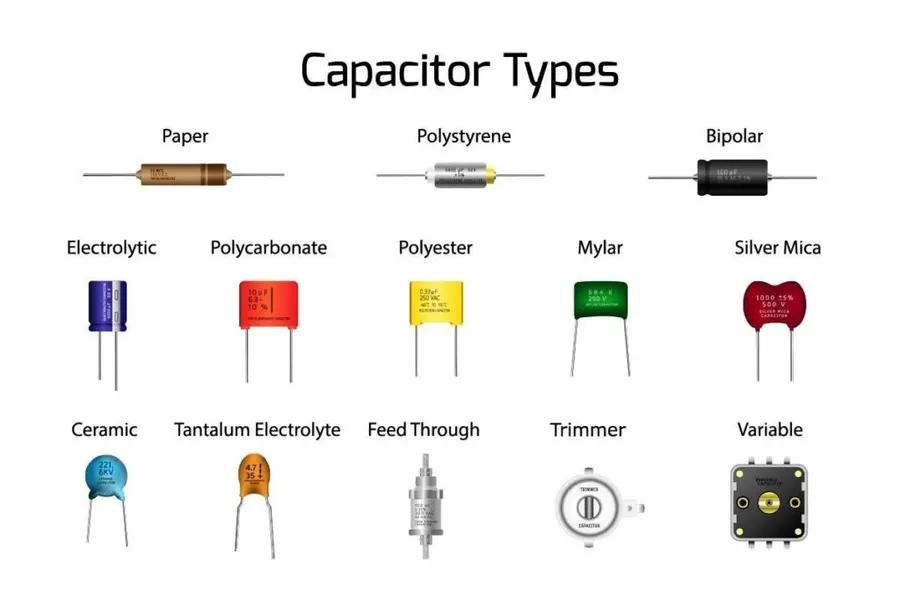
The 1000uF 16V capacitor is available in several types, each distinguished by its construction, performance characteristics, and suitability for specific applications. Understanding these differences is crucial for selecting the appropriate capacitor for a given circuit design.

TypeConstructionProsConsTypical Applications
ElectrolyticUses an electrolyte to achieve high capacitance in a small package.High capacitance, Relatively inexpensivePolarized, Limited lifespan, Sensitive to temperature and voltagePower supplies, decoupling, audio circuits
CeramicConsists of ceramic dielectric materials. Typically multilayer ceramic capacitors (MLCC).Non-polarized, Small size, Excellent high-frequency performance, Stable temperature response.Lower capacitance compared to electrolytic, Can be sensitive to mechanical stress.Bypassing, filtering, signal coupling
PolymerUtilizes conductive polymers as the electrolyte.Low ESR (Equivalent Series Resistance), long lifespan, stable performanceMore expensive than electrolytic capacitors, Can be sensitive to humidity.High-performance power supplies, digital circuits

Each type of capacitor presents a trade-off between size, cost, performance, and lifespan. Electrolytic capacitors are widely used when high capacitance is needed, and cost is a primary concern. Ceramic capacitors are preferred for high-frequency applications or when polarity is an issue. Polymer capacitors often represent the best choice when performance and longevity are paramount. The selection of the right type for a specific application requires carefully evaluating the project requirements.
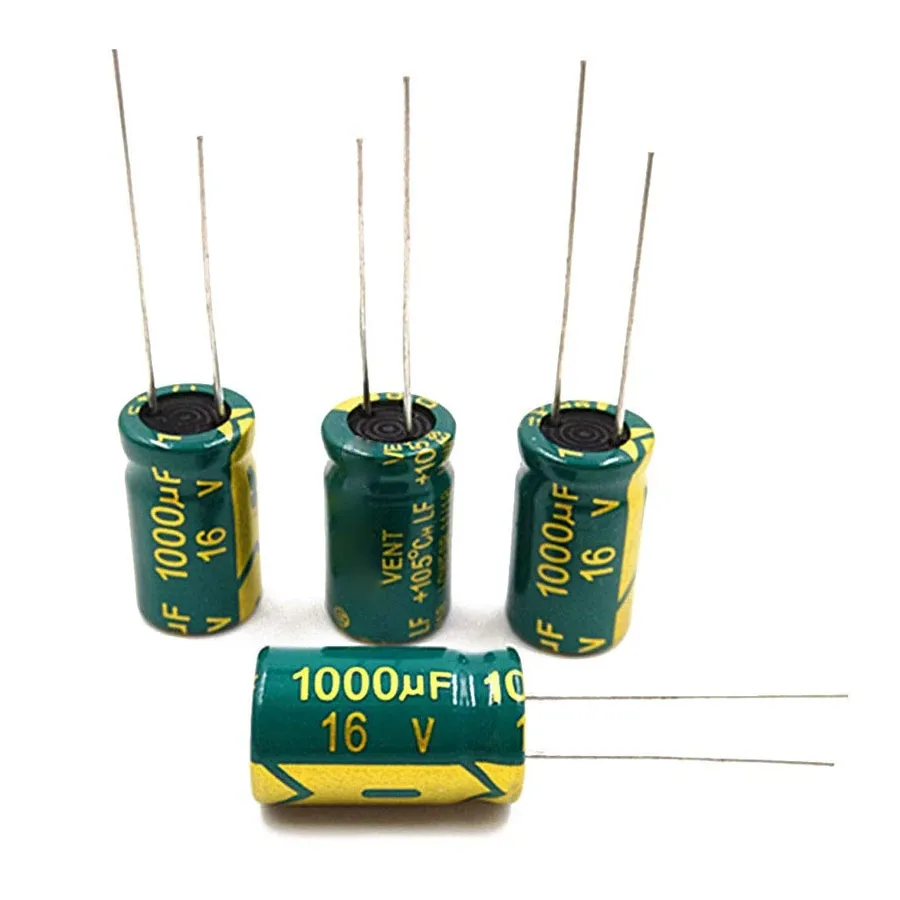
Common Applications of the 1000uF 16V Capacitor

A 1000uF 16V capacitor soldered onto a circuit board.
1000uF 16V capacitor on PCB

The 1000uF 16V capacitor, characterized by its 1000 microfarad capacitance and 16 volt voltage rating, serves as a crucial component across a wide array of electronic applications. These applications leverage the capacitor's capacity to store electrical energy and release it as needed, thereby facilitating various circuit functions including power smoothing, filtering, coupling, and energy storage.

Specifically, the applications can be broken down as follows:

  • Power Smoothing
    In power supply circuits, 1000uF 16V capacitors are utilized to reduce voltage ripples and maintain a consistent output. This is particularly vital for preventing circuit malfunctions and ensuring optimal performance of sensitive components.
  • Filtering
    These capacitors act as filters, allowing desired frequencies to pass while blocking unwanted ones. They are used to remove noise in audio circuits and high-frequency interference in digital circuits.
  • Coupling
    Capacitors facilitate signal transfer between different stages of a circuit by blocking DC components while allowing AC signals to pass through. This ensures minimal impact on bias voltages across stages.
  • Energy Storage
    In applications requiring short-term energy storage, these capacitors help power devices for a limited time when the main power source is temporarily unavailable. This is vital in applications such as camera flashes, or small motor driven circuits.

In typical electronic devices, these capacitors find widespread use in:
  • Computer Motherboards
    Used for power conditioning and ensuring stable voltage to various motherboard components.
  • Power Supplies
    Integral to the rectification stage, reducing ripples in output voltage, and thereby enhancing the stability of the power delivered.
  • Audio Amplifiers
    Employed for coupling between amplifier stages and for filtering out noise to enhance sound quality.
  • Consumer Electronics
    Found in numerous consumer products, such as televisions, gaming consoles, and portable electronic devices for energy storage and signal filtering.

How to Select the Right 1000uF 16V Capacitor

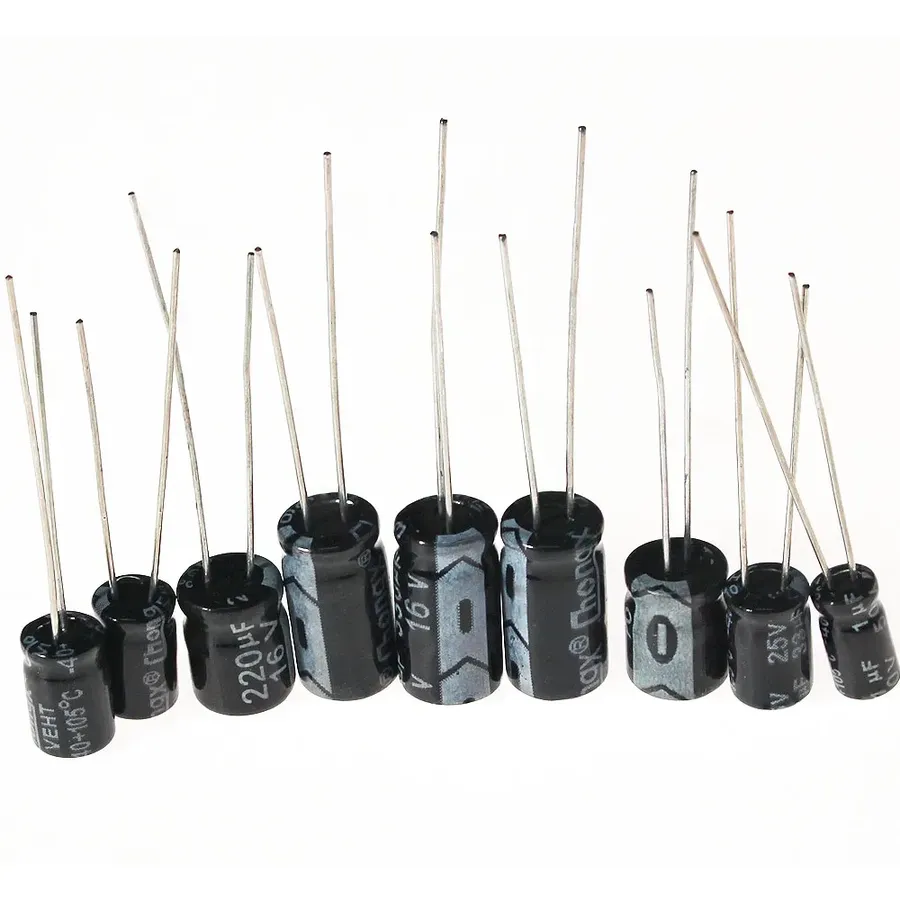
A collection of various capacitors, showcasing different sizes and types.
Different capacitors

Selecting the appropriate 1000uF 16V capacitor requires careful consideration of several factors to ensure optimal performance and reliability within a given circuit. The primary considerations include temperature range, tolerance, physical size, and the specific demands of the application. Understanding these parameters will guide you in choosing the correct component for your electronic design.

FactorDescriptionImpact on Selection
Temperature RangeThe operational temperature range of the capacitor, usually specified in degrees Celsius. This is the temperature range in which the capacitor will maintain its rated performance.Capacitors should be selected with a temperature rating that aligns with the expected operational environment. Exceeding this range can cause degradation or failure.
ToleranceThe allowed deviation from the nominal capacitance value (1000uF in this case), often expressed as a percentage. A tighter tolerance means the actual capacitance will be closer to the stated value.For critical applications requiring precise timing or filtering, a lower tolerance capacitor is preferred. General applications may tolerate a wider tolerance (e.g., ±20%).
Physical SizeThe physical dimensions of the capacitor, such as diameter and height. This affects the space available on a circuit board, and also may relate to the capacitor's ability to dissipate heat.The capacitor must fit within the physical constraints of your design. Select the smallest package that meets the electrical requirements.
Application RequirementsThe function the capacitor will perform, such as smoothing, filtering, coupling, or energy storage. Each function may require specific capacitor characteristics.Different applications place different demands on a capacitor. Power supply smoothing may require low ESR (Equivalent Series Resistance), while coupling capacitors may need high insulation resistance.
ESR (Equivalent Series Resistance)The internal resistance of the capacitor, which will cause power losses (in the form of heat) when the capacitor is charged or discharged.Critical applications that need efficient power transfer and storage should select capacitors with very low ESR. This can improve efficiency and prevent the capacitor from overheating.
Rated VoltageThe maximum voltage that the capacitor is designed to withstand in continued operation. While not specifically a selection criterion for this specific 16V capacitor, it is important to ensure it meets the application requirements.The capacitor must have a voltage rating that exceeds the maximum expected voltage of the circuit. Failing to do so will result in component failure and possibly damage to the rest of the circuit

In general applications, a standard electrolytic capacitor with a tolerance of ±20% and a temperature range of -40°C to +85°C might suffice. However, for demanding applications such as switch-mode power supplies, low ESR polymer capacitors, with higher temperature ratings and lower tolerance would be a better choice to improve circuit efficiency and stability. Always refer to the datasheet for the specific part you are considering to confirm that its characteristics meet or exceed the requirements for your particular application, or consider using a higher voltage rating.
1000uF 16V Capacitor Replacement Guide

The process of removing and replacing a 1000uF 16V capacitor on a PCB.
Replacing a 1000uF 16V capacitor

Replacing a 1000uF 16V capacitor requires careful attention to detail to ensure proper circuit function and prevent damage. This guide outlines the critical aspects, including polarity, physical size, and specification matching, along with step-by-step instructions for both through-hole and surface mount capacitor replacement.

Before initiating any replacement, safety is paramount. Ensure the circuit is de-energized by disconnecting it from the power source. Verify the absence of voltage using a multimeter before commencing work. Proper grounding techniques should be employed to prevent electrostatic discharge (ESD) damage.

  • Polarity:
    Electrolytic capacitors, which are commonly used in 1000uF 16V applications, are polarized. This means they have a positive and negative terminal and must be connected in the correct orientation. Incorrect polarity can lead to capacitor failure or damage to the circuit. Typically, the negative terminal is indicated by a stripe on the capacitor body or a shorter lead. Always double-check the polarity markings on the capacitor and the circuit board before installation. Surface mount capacitors often have a marking on the board to indicate the polarity.
  • Physical Size:
    The replacement capacitor should match the physical dimensions of the original. A capacitor that is too large may not fit in the available space, while a capacitor that is too small could have insufficient lead length or physical stability. Check both diameter and height of the original capacitor to ensure a seamless fit.
  • Specification Matching:
    The most crucial aspect of replacement is matching the specifications. The replacement should have a capacitance of 1000uF and a voltage rating of at least 16V. Using a capacitor with a lower voltage rating can result in failure. A higher voltage rating is acceptable and can improve reliability. While using same or higher voltage rating is fine, it’s critical to use the same or similar capacitance value. Drastically changing the capacitance can cause circuit malfunctions.

For through-hole devices, begin by carefully desoldering the old capacitor, taking care not to damage the pads or surrounding components. Clean the solder points, insert the new capacitor, adhering to the correct polarity and ensuring a snug fit, and then solder the leads, using appropriate solder and technique to ensure a robust connection. For surface mount components, use hot air rework equipment or a soldering iron with a fine tip to remove the old capacitor, clean the pads, then solder the new capacitor, ensuring proper alignment and using the correct amount of solder.

Post-replacement, carefully inspect the solder joints for shorts or cold joints. Once you are satisfied with the solder joints, reapply power and verify the circuit's performance. If any issues arise, recheck the polarity and ensure the capacitor is properly soldered. Ensure there are no shorts and ensure the circuit functions as intended.
Troubleshooting and Identifying Faulty 1000uF 16V Capacitors

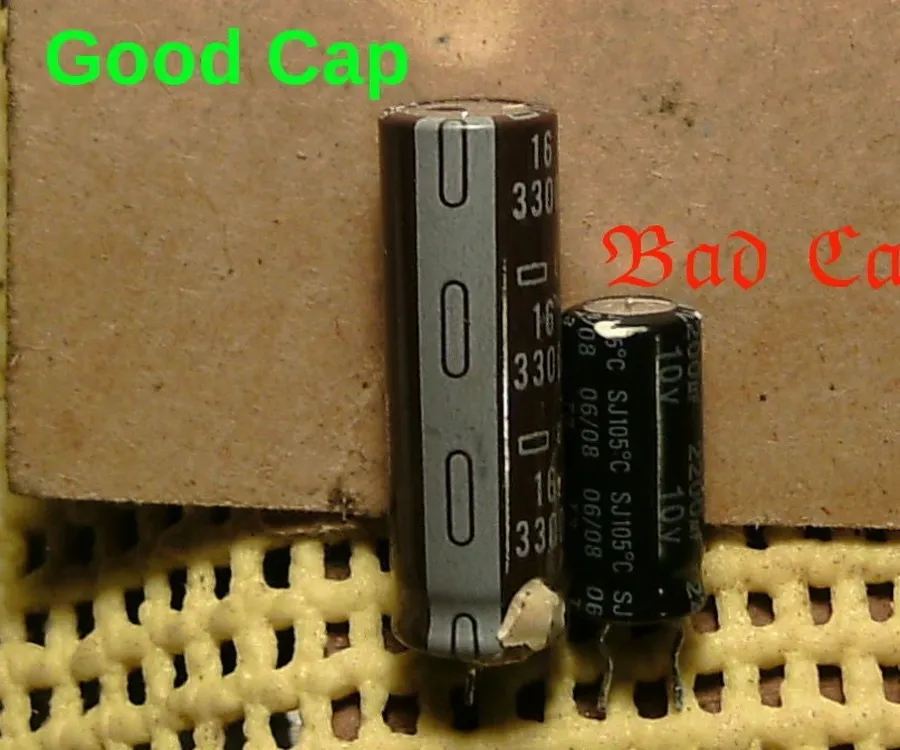
A close-up view of a bulging and damaged capacitor.
Faulty capacitor

Identifying a failing 1000uF 16V capacitor is crucial for maintaining the integrity of electronic circuits. A capacitor's malfunction can lead to various circuit performance issues, and recognizing these signs early can prevent more significant damage. This section details common failure indicators and provides methods for accurate diagnosis.

  • Physical Signs of Failure
    Bulging or swelling of the capacitor casing, especially at the top, is a strong indicator of internal pressure buildup due to electrolyte breakdown or overheating. Leaking electrolyte, appearing as a sticky residue, is another clear sign of damage. A cracked or broken casing points to significant mechanical or thermal stress.
  • Performance Issues
    Capacitor failure often manifests in circuit malfunctions. Reduced capacitance leads to issues like power supply instability, increased noise in signals, and poor filtering. Intermittent operation or complete failure of the circuit where the capacitor is located are significant symptoms of capacitor problems.

Testing capacitors involves assessing both their physical condition and electrical characteristics. Using a multimeter or capacitor tester is essential to confirm suspected faults. Below are methods for testing a 1000uF 16V capacitor.

  1. Visual Inspection
    Begin with a thorough visual check. Look for any signs of bulging, leaks, cracks, or physical damage. These are often the most obvious indicators of a faulty capacitor. Ensure to inspect the terminals for corrosion or signs of poor connection.
  2. Capacitance Measurement using Multimeter
    Using a multimeter with capacitance measurement capability, measure the capacitance of the capacitor. A healthy 1000uF 16V capacitor should measure close to its rated value within its specified tolerance (typically ±20%). A reading significantly lower than 1000uF indicates degradation. Ensure the capacitor is discharged before testing.
  3. Equivalent Series Resistance (ESR) Measurement
    An elevated ESR value is a strong indicator of a faulty capacitor, even if the capacitance measurement seems reasonable. ESR values are often specified for certain electrolytic capacitor types, and exceeding this value often means that the electrolyte has degraded. ESR meters are dedicated instruments that will give you more accurate measurements.
  4. In-Circuit Testing
    While in-circuit testing can be challenging, it is possible to perform some basic checks without desoldering the component. Observing how the circuit operates may highlight that the capacitor is malfunctioning. For instance, if a power rail exhibits unstable voltage or excessive noise, it is likely that one or more of the capacitors in the rail are faulty.
  5. Leakage Current Measurement
    Connect a suitable voltage source (close to its 16V rating) in series with a multimeter, set to measure current. A healthy capacitor will have minimal leakage current after the initial charging phase. Excessive leakage current is often an indicator of internal damage or insulation failure. This test is more applicable for electrolytic capacitors.

Frequently Asked Questions About 1000uF 16V Capacitors

This section addresses common queries regarding 1000uF 16V capacitors, providing clear and concise answers to aid in understanding their application, specifications, and troubleshooting.

  • What are 1000uF 16V capacitors typically used for?
    1000uF 16V capacitors are primarily used for power smoothing, filtering, coupling, and energy storage in electronic circuits. They are frequently found in power supplies, audio circuits, and various digital electronics, providing a stable voltage source and mitigating fluctuations.
  • What is the physical size of a typical 1000uF 16V capacitor?
    The physical size of a 1000uF 16V capacitor varies depending on the type (e.g., electrolytic, ceramic) and manufacturer. Electrolytic capacitors are generally larger, with a cylindrical shape, while ceramic types are much smaller, often surface-mount devices. Dimensions can range from a few millimeters to over a centimeter in diameter and height. Consult the specific datasheet for precise measurements.
  • Can I replace a 1000uF 16V capacitor with one of a higher voltage rating?
    Yes, you can generally replace a 1000uF 16V capacitor with a 1000uF capacitor of a higher voltage rating (e.g., 1000uF 25V or 1000uF 35V). The voltage rating indicates the maximum voltage the capacitor can withstand; using one with a higher rating will not negatively affect the circuit's operation and may improve reliability. However, the capacitance value (1000uF) should remain the same for proper circuit function.
  • What are the symptoms of a faulty 1000uF 16V capacitor?
    Common signs of a failing 1000uF 16V capacitor include bulging or leaking casing, especially in electrolytic types. Functionally, this can lead to erratic circuit behavior, such as intermittent operation, signal distortion, or the circuit failing to power on. Performance issues can be identified by using a multimeter to measure the capacitance and ESR (Equivalent Series Resistance), comparing the reading with the specified values in the datasheet.
  • Can I use a capacitor with a different capacitance as a substitute for a 1000uF 16V?
    While it is often possible to substitute with capacitors with a slightly different capacitance, it is generally not advisable to use a significantly different value than 1000uF without careful consideration. Changes in capacitance can affect the circuit's behavior, potentially leading to instability or improper operation. For example, using a significantly smaller capacitance may result in inadequate filtering or power smoothing, and may not work at all, while a larger value may introduce inrush current issues or cause unwanted circuit oscillations. Always refer to the design specifications to make a suitable substitution.
  • Does temperature affect the performance of a 1000uF 16V capacitor?
    Yes, temperature significantly affects capacitor performance, particularly electrolytic capacitors. High temperatures can accelerate degradation of the electrolyte, leading to reduced capacitance, increased ESR, and ultimately capacitor failure. Low temperatures can also reduce capacitor performance, particularly the electrolytic type by increasing their ESR and also reducing their capacitance. Check capacitor datasheets for their operating temperature range and derating information.
  • How do I test a 1000uF 16V capacitor using a multimeter?
    To test a 1000uF 16V capacitor with a multimeter, set the multimeter to the capacitance setting (often marked with 'F'). Ensure the capacitor is discharged before testing by shorting the terminals momentarily using a resistor or shorting probe. Connect the multimeter leads to the capacitor terminals and read the measured capacitance value. Compare it to the nominal 1000uF. Multimeters also often have ESR measurement which should be checked too, ideally it should be very small, check datasheets for ESR values of each capacitor. If the capacitance value significantly deviates or ESR is higher than the specified range, the capacitor is likely faulty.

1000uF 16V Capacitor Equivalents and Alternatives

While a 1000uF 16V capacitor is designed for specific circuit requirements, situations may arise where direct replacement with an identical component isn't immediately feasible. Substituting with components of different capacitance or voltage ratings should be approached with caution, as it can impact circuit performance or even lead to component damage. The core principle here is that capacitance affects the energy storage capacity and frequency response while voltage rating dictates the maximum voltage the capacitor can safely handle.

When considering alternatives, prioritize voltage ratings and capacitance values while considering their implications:

  • Voltage Rating
    A higher voltage rating is acceptable, as it provides a greater safety margin. Replacing a 16V capacitor with a 25V or 35V capacitor of the same capacitance is generally safe. However, using a capacitor with a lower voltage rating than required can cause it to fail catastrophically.
  • Capacitance Value
    Modifying capacitance needs careful consideration. Changing capacitance influences the circuit's timing, filtering, and energy storage characteristics. Minor adjustments are acceptable in certain circumstances, however significantly different capacitance values are likely to alter circuit functionality negatively.

The table below outlines some potential alternatives and their implications:

Original CapacitorAlternative CapacitorImplicationsConsiderations
1000uF 16V100uF 16VSignificantly lower capacitance. Affects low-frequency filtering and energy storage.Not recommended for most applications where the 1000uF is crucial for smoothing or timing. Only use in applications with non-critical timing and energy storage.
1000uF 16V470uF 16VLower capacitance; reduces low-frequency filtering and energy storage capabilities.May be acceptable in some smoothing or low pass filtering circuits where the exact capacitor value is not critical, but should be used cautiously in timing or critical filter applications
1000uF 16V1000uF 35VSame capacitance, higher voltage rating.Generally safe as it increases the voltage safety margin. Physically larger capacitors may be less suitable to size-constrained designs
1000uF 16V220uF 16VSignificantly lower capacitance. Will drastically reduce smoothing and energy storage.Not recommended for critical applications where the 1000uF value is required. Could lead to circuit malfunction

Important Note: Always consult circuit diagrams and datasheets before making substitutions. When replacing capacitors, ensure the new capacitor matches the original in polarity and physical size as well as voltage rating. If unsure, consult an electronics professional.
Purchasing a 1000uF 16V Capacitor

A retail package containing 1000uF 16V capacitors.
1000uF 16V capacitor in retail package

When purchasing a 1000uF 16V capacitor, it's essential to prioritize both quality and authenticity to ensure reliable performance and avoid potential circuit damage. This section guides you through selecting reputable sources and verifying component genuineness.

  • Online Retailers
    Major online electronic component retailers like Digi-Key, Mouser Electronics, and Arrow Electronics are reliable sources. These platforms offer a wide selection of components directly from manufacturers or authorized distributors, ensuring authenticity. Always check customer reviews and ratings of the seller and the specific product to gauge reliability.
  • Physical Stores
    Local electronics stores or hardware stores that specialize in electronic components can be a good option if you need the component immediately. However, selection can be limited compared to online retailers, and it is crucial to verify that they have the correct specifications. Inspect the component and its packaging if possible.
  • Verify Authenticity
    Counterfeit components are a significant concern in the electronics market. To verify authenticity, look for the manufacturer's logo, markings, and part number on the capacitor. Compare the physical characteristics and packaging with the manufacturer's specifications provided on their official website. Pay attention to inconsistencies in packaging, labeling, and physical dimensions. Reputable distributors often have traceability measures, making counterfeit parts less likely to be present in their inventory.
  • Consider Bulk Purchasing
    If you require multiple 1000uF 16V capacitors, bulk purchasing from reputable distributors can lead to cost savings. This can be beneficial for larger projects or if you need spares. Ensure you have adequate storage conditions for any spare components as these can degrade over time if incorrectly stored.
  • Check for Manufacturer Certifications
    When possible, purchase components from manufacturers who adhere to established quality and performance standards such as ISO certifications. Certification ensures a level of quality control during manufacturing and gives you a higher degree of confidence in the product you're purchasing.

In conclusion, the 1000uF 16V capacitor, a common component, is critical in numerous electronic circuits. Whether it is smoothing power supply or acting as a coupling element, its functionality extends across various applications. This article serves as an excellent resource to understand the functionality, selection, replacement, and troubleshooting of 1000uF 16V capacitors. As technology advances, capacitors such as the 1000uf 16v remain an indispensable part of electronics and their fundamental principles are unlikely to change, underscoring the importance of understanding their properties and applications. Remember to use caution when dealing with electronics and follow the recommendations laid out in this article to ensure safe and effective capacitor use.


Anypcba