In the realm of electronics, a seemingly small component like a 15k resistor plays a pivotal role in controlling the flow of electricity. Just as traffic lights manage the flow of vehicles in our cities, resistors regulate electrical current in circuits, and the 15k resistor, with its specific resistance value, is a common and critical component across many applications. This article dives deep into the world of the 15k resistor, explaining its types, uses, and how to select the correct one for your needs, ensuring that your electronic projects run smoothly and efficiently. We'll explore its applications in everything from simple circuits to complex electronic designs, providing a clear and accessible guide.
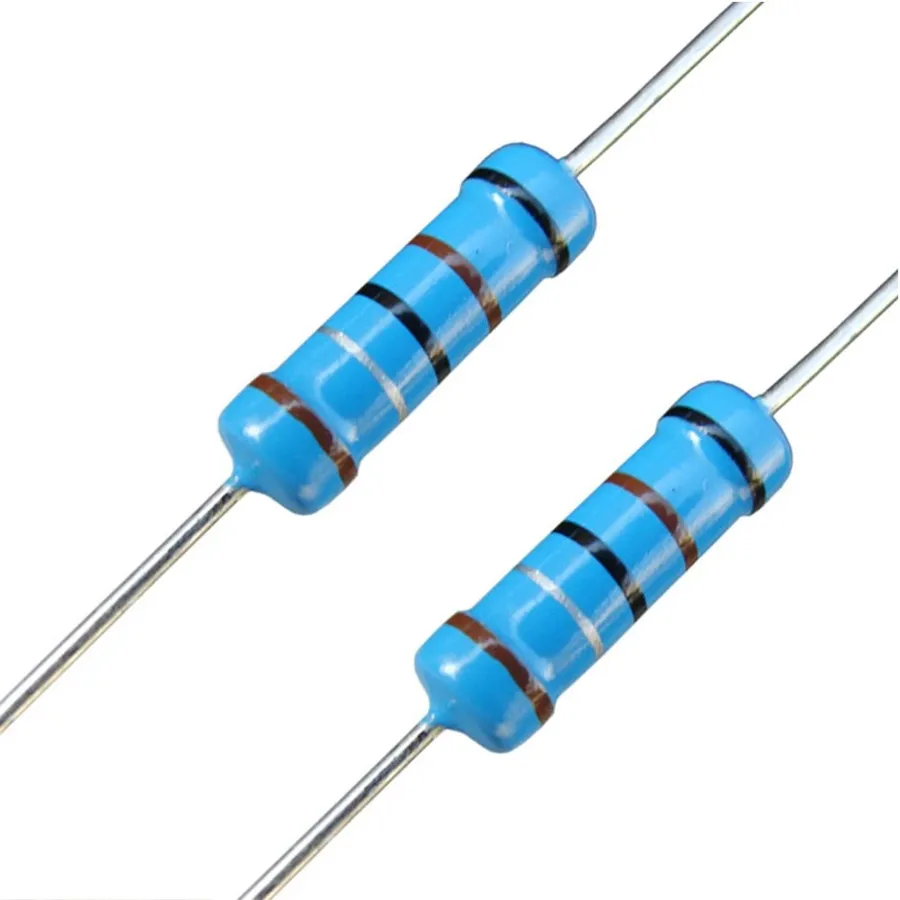
A 15k resistor is a fundamental passive electronic component designed to impede the flow of electrical current, characterized by a resistance of 15,000 ohms. Its primary function is to limit current, divide voltage, or provide a specific resistance in an electronic circuit, and it is a widely used value due to its versatility in a broad range of applications.
Resistors, including the 15k variant, are crucial elements in electronics that follow Ohm's Law, which states that the current through a conductor between two points is directly proportional to the voltage across the two points and inversely proportional to the resistance. The '15k' designation indicates that the resistor offers 15,000 ohms of opposition to electrical current flow. This specific value allows engineers to finely control circuits, providing necessary current and voltage levels for sensitive electronic components.
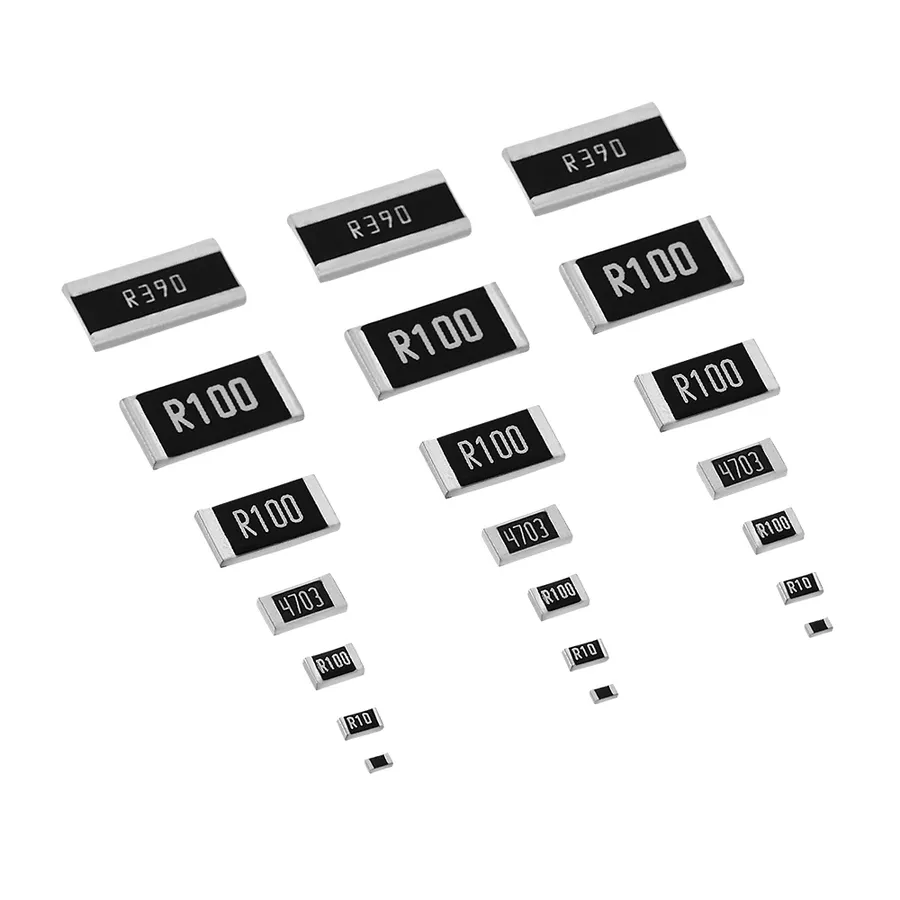
15k resistors, while all providing 15,000 ohms of resistance, come in various types, each with unique characteristics that influence their suitability for different applications. The primary types include carbon film, metal film, and wire-wound resistors, each exhibiting distinct performance and cost trade-offs. Understanding these differences is crucial for optimal circuit design.
| Resistor Type | Construction | Advantages | Disadvantages | Typical Applications |
|---|---|---|---|---|
| Carbon Film | A thin film of carbon is deposited on a ceramic substrate. | Low cost, widely available, suitable for general-purpose use. | Higher temperature coefficient, higher noise, lower precision. | General electronics, hobbyist projects, where high precision is not critical. |
| Metal Film | A thin film of metal alloy is deposited on a ceramic substrate. | Higher precision, lower temperature coefficient, lower noise, good stability. | More expensive than carbon film resistors, not as robust as wire-wound. | Precision circuits, audio applications, instrumentation, where stability and low noise are required. |
| Wire-Wound | A length of resistive wire is wound around an insulating core. | High power handling, high precision, good stability. | Higher cost, larger size, higher inductance. | High power applications, power supplies, current sensing, where high power dissipation and precision are required. |
The choice of resistor type depends heavily on the specific requirements of the circuit. Metal film resistors are generally preferred for applications demanding high precision and low noise, while carbon film resistors are a cost-effective solution for less demanding applications. Wire-wound resistors are chosen for applications requiring high power handling. Each type offers different trade-offs between cost, performance, and size, all contributing to the suitability of the resistor for a particular application.
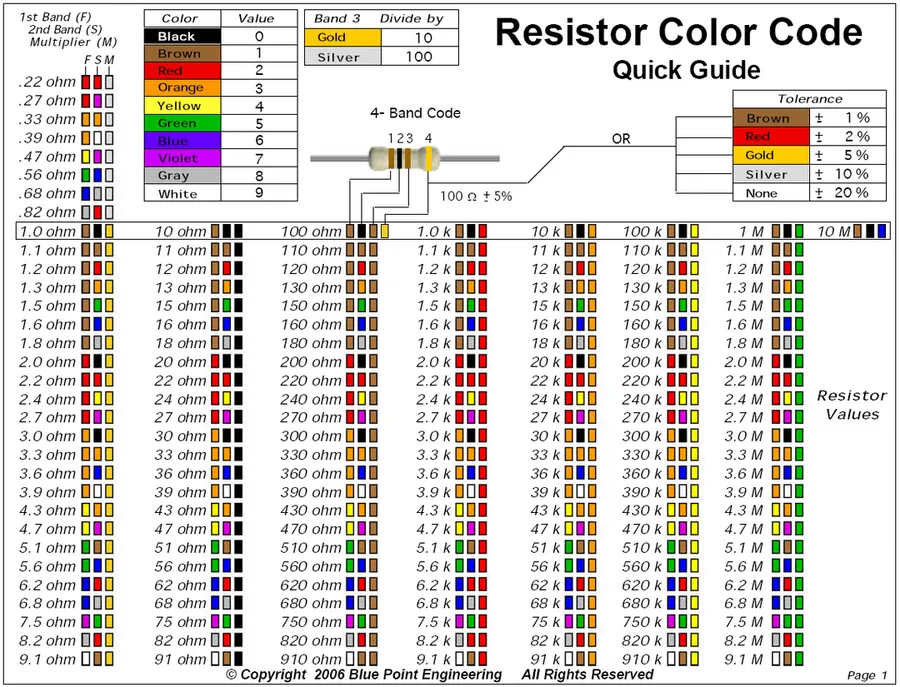
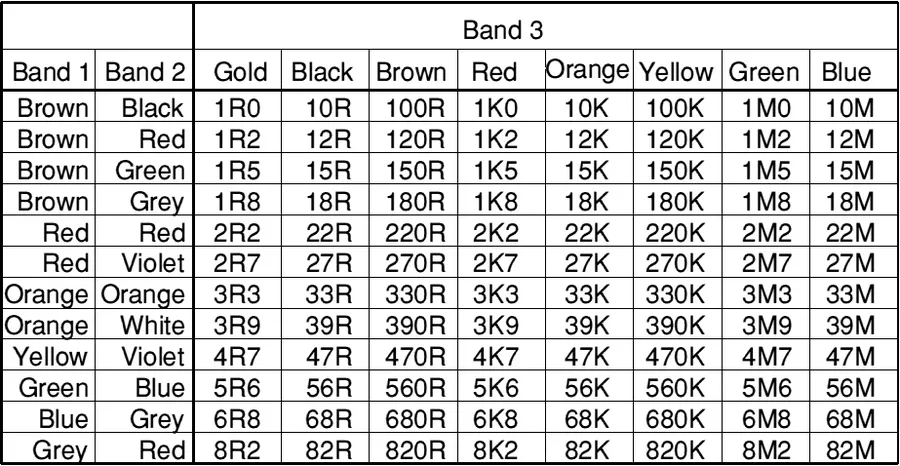
The color code on a 15k resistor is a standardized system used to quickly identify its resistance value and tolerance. This system employs colored bands to represent numerical values, multipliers, and tolerance levels, making it universally understandable and allowing for identification even when the resistor's physical markings are absent or obscured.
| Band | Color | 4-Band Resistor Significance | 5-Band Resistor Significance |
|---|---|---|---|
| 1st Band | Brown | 1 | 1 |
| 2nd Band | Green | 5 | 5 |
| 3rd Band | Orange | Multiplier (1000) | 0 (Black) |
| 4th Band | Gold/Red | Tolerance (±5%) | Multiplier (100) |
| 5th Band | Brown | - | Tolerance (±1%) |
For a 4-band 15k resistor, the color sequence is: Brown (1), Green (5), Orange (1000 multiplier), and Gold (±5% tolerance). For a 5-band precision 15k resistor, the sequence is: Brown (1), Green (5), Black (0), Red (100 multiplier), and Brown (±1% tolerance).
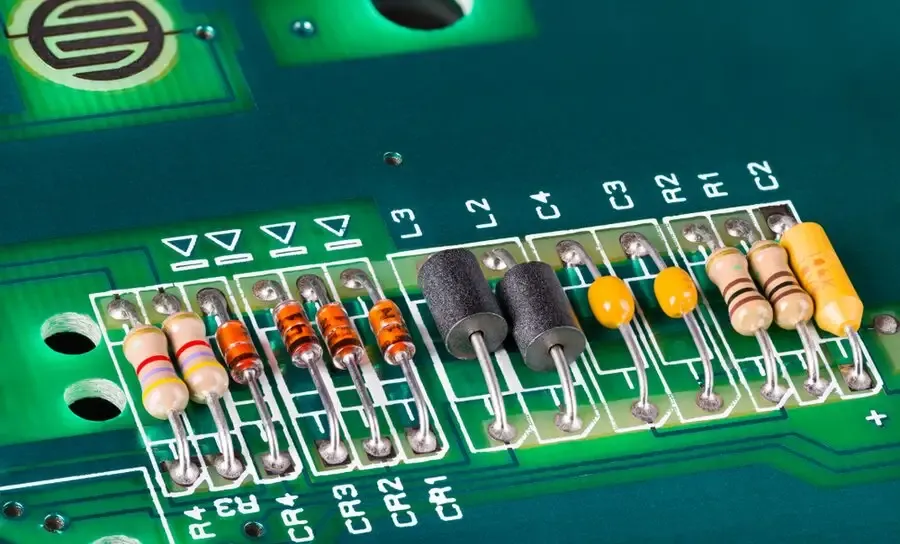
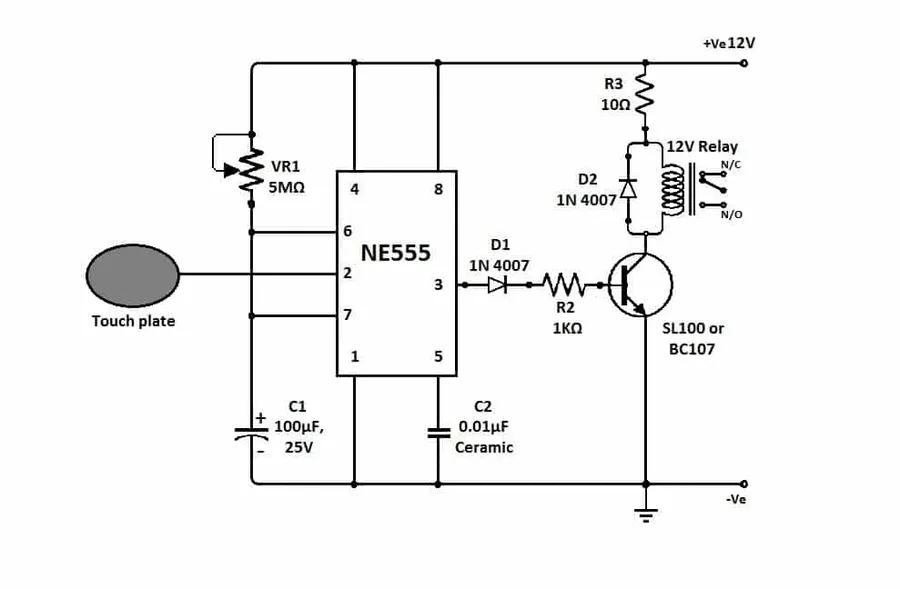
The 15k resistor, a component valued for its moderate resistance, is a staple in diverse electronic circuits. Its applications range from basic current control to more complex signal conditioning, highlighting its versatility in circuit design.
Choosing the appropriate 15k resistor for a specific application requires careful consideration of several key parameters beyond just the resistance value. These factors ensure the resistor functions reliably and safely within the intended circuit. Specifically, power rating, tolerance, temperature coefficient, and package type are critical for optimal performance and longevity of the circuit.
| Parameter | Description | Implications of Incorrect Selection |
|---|---|---|
| Power Rating | The maximum power a resistor can safely dissipate as heat, measured in watts (W). | Exceeding the power rating can lead to overheating, resistor failure, and potential damage to the circuit. |
| Tolerance | The acceptable deviation from the stated resistance value, expressed as a percentage (%). | Using a resistor with insufficient tolerance can cause inaccurate circuit operation and poor performance. |
| Temperature Coefficient | The change in resistance value per degree Celsius (°C), expressed in parts per million per degree Celsius (ppm/°C). | A high temperature coefficient can cause changes in resistance over temperature, leading to unstable or unreliable circuit operation, especially in environments with temperature fluctuations. |
| Package Type | The physical size and style of the resistor, which affects how it's mounted and the power it can handle. | Choosing the wrong package can result in issues with board layout, mounting, and heat dissipation. Different types, like SMD, and through hole, affect ease of use and suitability for a particular PCB, or project board. |
The selection of a resistor value, such as a 15kΩ, is crucial in circuit design and is determined by the specific electrical requirements of the application. Comparing a 15kΩ resistor with other common values like 10kΩ and 20kΩ reveals key differences in their applications and performance characteristics, influencing their usage in electronic circuits.
| Resistor Value | Typical Applications | Current Limitation | Voltage Division | Pull-up/Pull-down Strength |
|---|---|---|---|---|
| 10kΩ | Microcontroller interfaces, general-purpose signal conditioning, and pull-up/pull-down resistors. | Higher current flow compared to 15kΩ or 20kΩ for the same applied voltage. | Lower voltage at the tap when used as a voltage divider compared to 15kΩ. | Stronger pull-up/pull-down strength than 15kΩ or 20kΩ, quicker logic state changes. |
| 15kΩ | LED current limiting, audio circuits, sensor interfaces, and general-purpose applications needing a moderate resistance. | Moderate current limitation compared to 10kΩ and 20kΩ for the same applied voltage. | Moderate voltage at the tap when used as a voltage divider. | Moderate pull-up/pull-down strength, suitable for general logic. |
| 20kΩ | Low power applications, high impedance interfaces, and where minimal current consumption is necessary. | Lower current flow compared to 10kΩ or 15kΩ for the same applied voltage. | Higher voltage at the tap when used as a voltage divider compared to 15kΩ | Weaker pull-up/pull-down strength than 10kΩ or 15kΩ, slower logic state changes |
The practical choice of a resistor value depends on the specific requirements of the circuit. Lower resistance values like 10kΩ allow more current to flow for a given voltage and are preferred when a stronger pull-up/pull-down or faster response times are needed. Higher values like 20kΩ are beneficial in low-power applications or when a weaker signal is required, while 15kΩ provides a balance between these two, making it a very versatile value for numerous electronic applications.
This section addresses common queries regarding 15k resistors, providing clarity on their characteristics, applications, and proper usage. It is crucial to understand these aspects to ensure optimal performance and safety in electronic projects.
Effective troubleshooting of circuits involving 15k resistors is essential for maintaining functionality and performance. This section details common issues, testing methods, and identification techniques for faulty 15k resistors, ensuring their proper implementation within electronic designs.
The future of 15k resistors, like all electronic components, is intertwined with advancements in material science, manufacturing processes, and the evolving needs of technology. Expect to see shifts towards higher precision, increased miniaturization, and greater environmental sustainability.
The 15k resistor, despite its simple appearance, is an essential component of modern electronics, akin to a vital cog in a complex machine. Understanding its types, applications, and characteristics is crucial for anyone working with electronic circuits. Whether you're a hobbyist or a professional engineer, mastering the basics of the 15k resistor and when to utilize one is an important step in your electronics journey. Just like a 15k resistor precisely controls the flow of electricity, the knowledge of this component empowers you to carefully design and optimize electronic systems, enabling reliable and predictable behavior in all sorts of applications and pave the way for new innovations.

