Just like the essential 27k resistor in a circuit, ideas need resistance to be refined. This article will unravel the significance of the 27k resistor, a vital component in countless electronic circuits, from basic hobbyist projects to advanced industrial applications. We'll explore its properties, applications, and how to pick the perfect 27k resistor for your needs. Get ready to dive into the world of electrical resistance and unlock its potential.
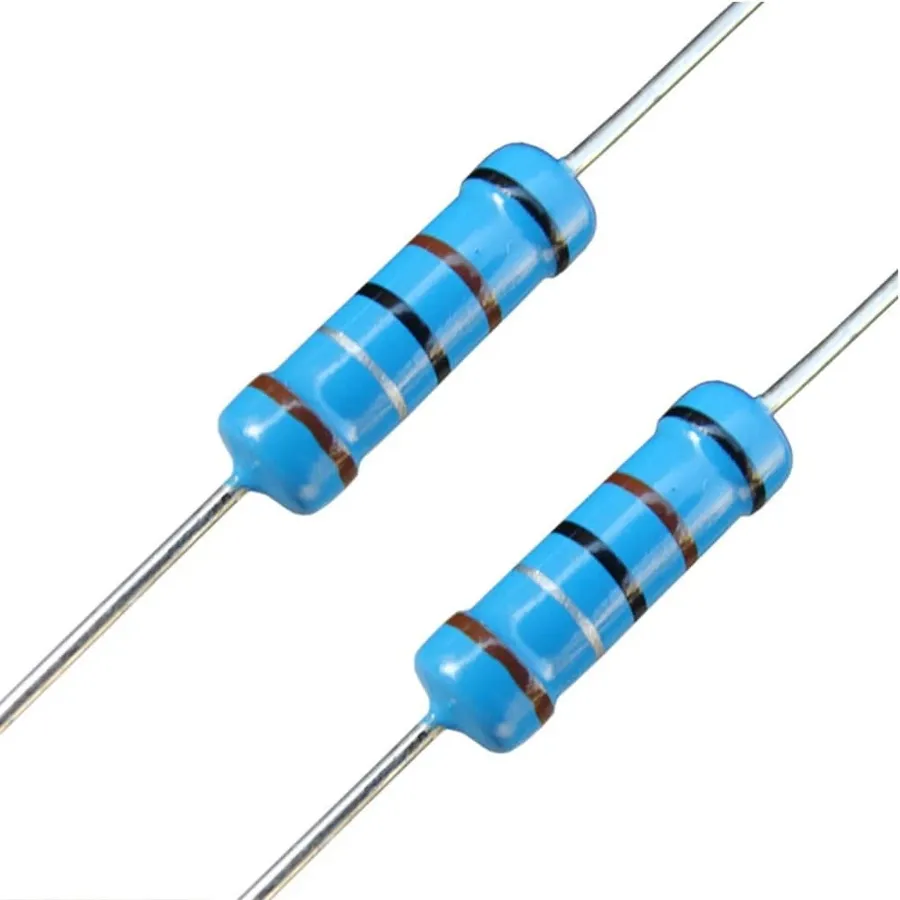
A 27k resistor is a fundamental electronic component offering a precise electrical resistance of 27,000 ohms. This specific resistance value is frequently utilized in a wide range of electronic circuits to control current flow and manage voltage levels, acting as a crucial building block for diverse electronic applications.
The 'k' denotes kilo, representing a multiplier of 1,000. Therefore, '27k' signifies 27 multiplied by 1,000, totaling 27,000 ohms.
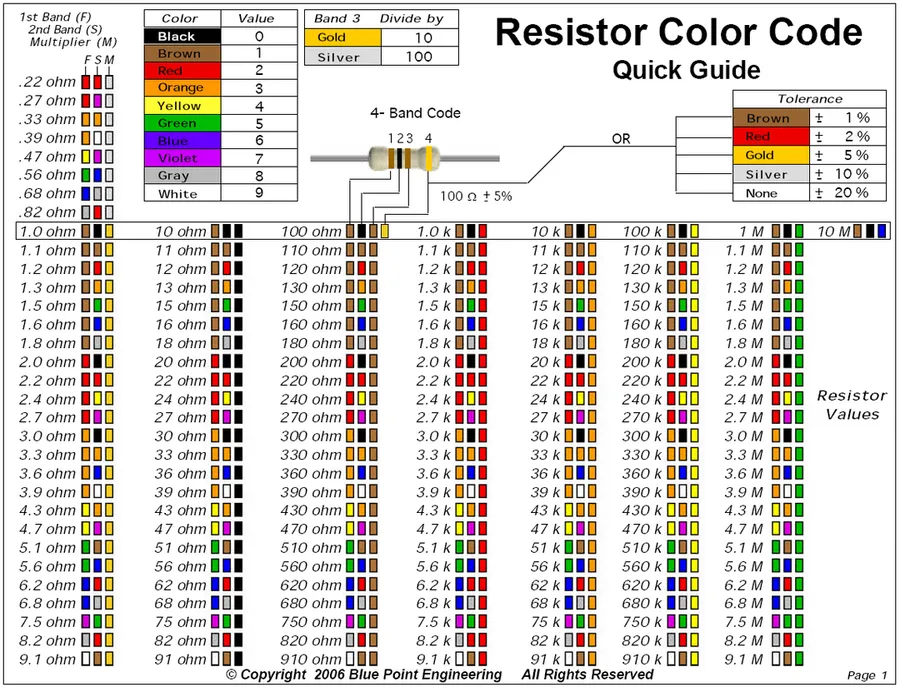
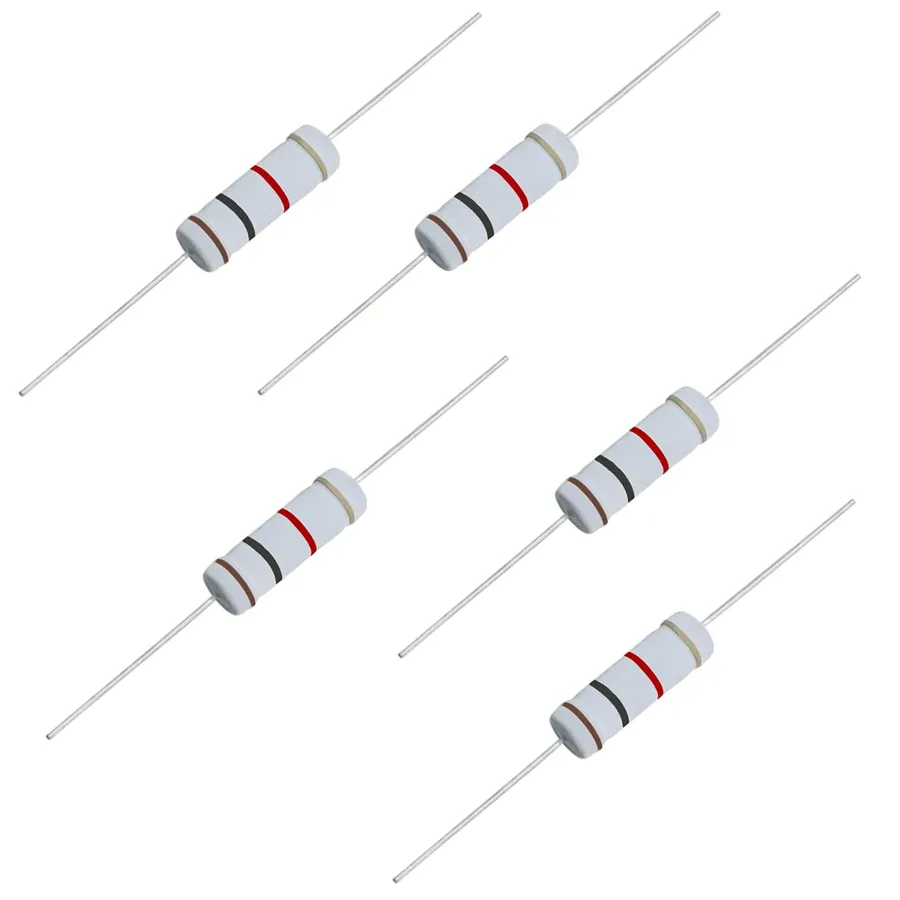
The color code on a 27k resistor is a standardized method of indicating its resistance value and tolerance. Understanding this code is crucial for correctly identifying and using the resistor in electronic circuits. The 27k resistor, representing 27,000 ohms, follows a specific color band sequence.
A standard 27k resistor typically uses a four-band or a five-band color coding system. For a four-band resistor, the first two bands represent the significant digits of the resistance value, the third band is the multiplier, and the fourth band represents the tolerance. For a five-band resistor, the first three bands indicate the significant digits, the fourth band acts as the multiplier, and the fifth band represents the tolerance.
| Band | Color | Value (4-Band) | Value (5-Band) | Multiplier | Tolerance |
|---|---|---|---|---|---|
| 1st Band | Red | 2 | 2 | - | - |
| 2nd Band | Violet | 7 | 7 | - | - |
| 3rd Band | Orange | x1000 | 0 | - | - |
| 4th Band (4-band) | Red | 1% | x1000 | 1% | - |
| 4th Band (5-band) | Red | - | - | x1000 | - |
| 5th Band | Brown/Red/Gold/Silver | - | - | - | 1%/2%/5%/10% |
Therefore, for a 27k resistor, the four-band color code is typically: Red, Violet, Orange, and then a tolerance band like Gold or Silver. For a precision 5-band resistor, the color bands would be: Red, Violet, Black, Red (multiplier of 1000), and then a tolerance band like Brown for 1% or Red for 2%.
The color red represents the digit '2', violet represents '7', and orange represents a multiplier of 1000 (kilo-ohms) when using a 4 band resistor. The tolerance band, usually gold or silver, indicates a tolerance of 5% or 10%, respectively. The 5 band resistor system uses the first three bands for the digits, the fourth as the multiplier, and the final band as the tolerance. Note that the 4-band tolerance band is sometimes blank for a 20% tolerance.
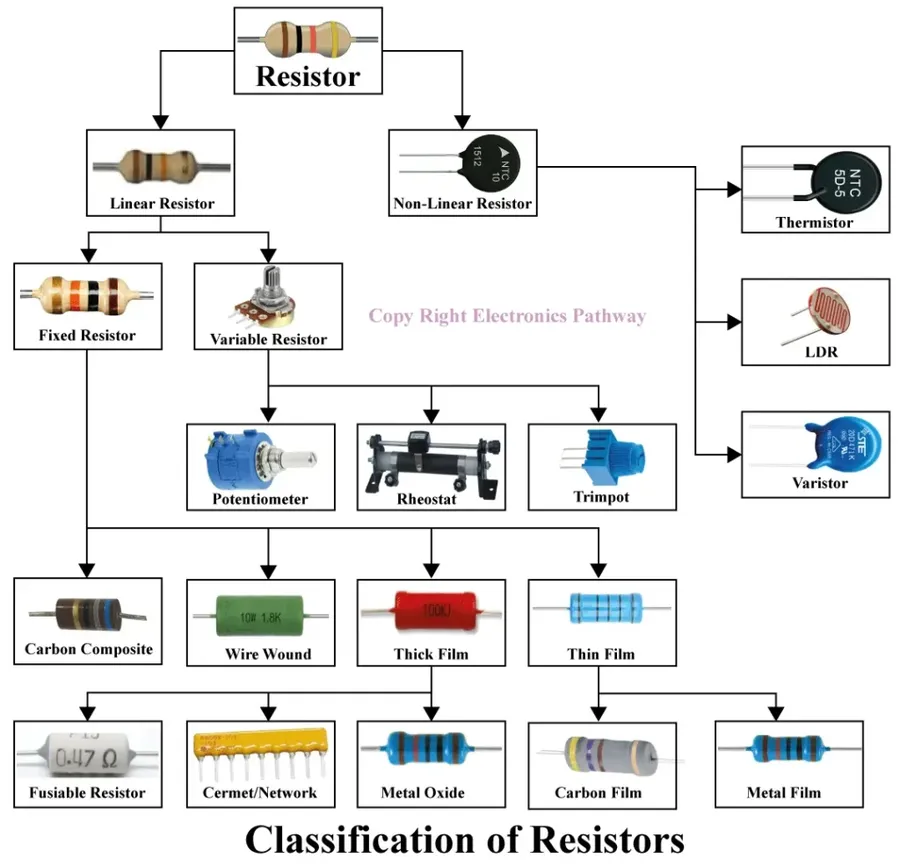
The 27k resistor, a ubiquitous component in electronics, comes in various types, each with distinct characteristics that influence their suitability for specific applications. Understanding these types and their specifications is crucial for effective circuit design and performance.
| Type | Construction | Typical Tolerance | Power Rating Range | Temperature Coefficient | Applications |
|---|---|---|---|---|---|
| Metal Film | Thin metal film deposited on a ceramic substrate, spiral cut. | ±1%, ±0.5%, ±0.1% | 0.1W to 1W | Low | Precision circuits, audio equipment, high stability applications. |
| Carbon Film | Carbon film deposited on a ceramic substrate. | ±2%, ±5% | 0.125W to 2W | Moderate | General purpose applications, low cost designs, less demanding situations. |
| SMD (Surface Mount Device) | Thick or thin film resistor in a small package for surface mounting. | ±1%, ±5% | 0.05W to 1W | Moderate | High-density boards, automated assembly, compact electronic devices. |
| Wirewound | Wire wound around a core. | ±0.01% to 1% | 1W to 20W+ | Very Low | High power applications, precision current sensing, power supplies |
Key specifications for 27k resistors include: * **Power Rating:** This specifies the maximum power (in watts) the resistor can dissipate without being damaged. Standard power ratings for 27k resistors range from fractions of a watt to several watts, depending on the resistor type and size. It is essential to select a resistor with a power rating that meets or exceeds the expected power dissipation in the circuit. * **Tolerance:** This indicates the accuracy of the resistor's actual resistance value compared to its nominal value of 27k ohms. Common tolerance ratings for 27k resistors are ±1%, ±5%, and ±10%. Tighter tolerance values (e.g., ±1%) are crucial in applications where precision is vital. * **Temperature Coefficient:** This represents how much the resistance value changes with temperature. Resistors with lower temperature coefficients provide more stable performance over temperature variations. Metal film resistors typically exhibit lower temperature coefficients than carbon film resistors, hence offering better stability in circuits.
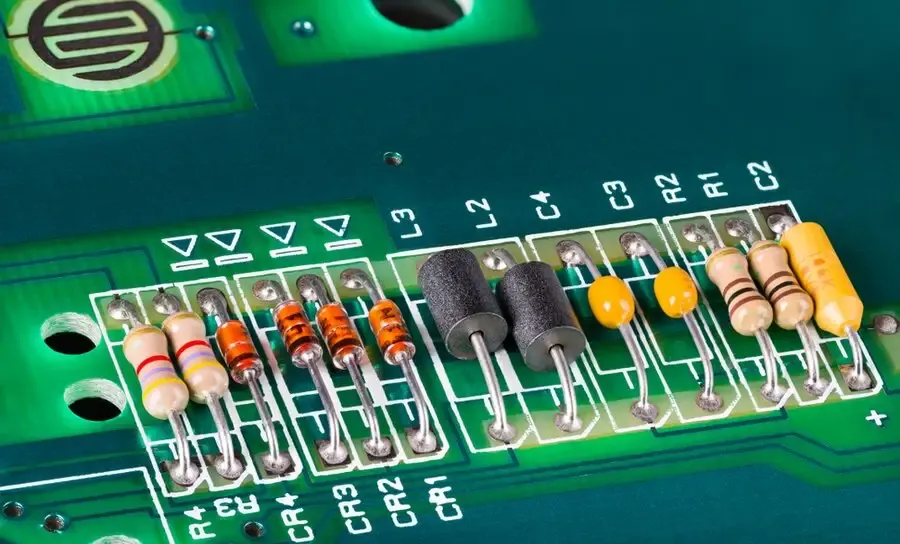
The 27k resistor is a ubiquitous component in electronic circuits, playing a crucial role in various applications due to its moderate resistance value. Its common uses span from controlling current flow and dividing voltage to establishing appropriate bias conditions for active devices. The 27k resistor's versatility stems from the balance it provides between limiting current and avoiding excessive voltage drops, making it an essential part of many circuit designs.
| Application | Description | Why 27k is suitable |
|---|---|---|
| Current Limiting | Used to restrict the amount of current flowing through a specific part of a circuit, protecting sensitive components. | Provides a moderate level of current restriction, preventing damage while still allowing sufficient current for proper operation. Ideal for LED circuits or transistor base circuits. |
| Voltage Division | Used in conjunction with another resistor to create a specific fraction of the input voltage. | When paired with other resistors, 27k allows for precise voltage division, particularly useful in sensor circuits or adjusting reference voltages for comparators. |
| Bias Circuit | Sets the operating point of transistors or other active devices for linear amplification or switching function. | The 27k provides a suitable resistance value to set the base or gate bias on transistors, enabling optimal gain and stability of amplification circuits. |
| Pull-Up/Pull-Down Resistors | Used to ensure a defined logic level when a switch or other input is open. | The 27k ensures the inputs are not floating when disconnected, therefore avoids indeterminate state. |
| Timing Circuits | Combined with a capacitor to create RC timing circuits | The 27k can be used to control the charging and discharging rate of capacitors |
The specific selection of a 27k resistor, as opposed to other values, is often a result of circuit requirements. For example, in LED driving circuits, it provides sufficient current limitation for typical LEDs. In voltage division, it may be one of the two resistors that create a specific voltage level needed for sensor or analog circuits. Moreover, it is a useful value when designing transistor bias networks, and it can provide a good compromise between bias stability and desired operating conditions. The 27k resistor is a standard value, which means it is readily available, which contributes to its popularity.
Choosing the correct 27k resistor is crucial for ensuring the proper operation and longevity of your electronic circuits. This selection process involves carefully considering several factors beyond just the resistance value, including power rating, tolerance, and the operating environment.
A systematic approach is essential to ensure the 27k resistor meets the specific demands of your application. The following step-by-step guide provides a practical method for selecting the correct 27k resistor.
While a 27k resistor is a standard value, situations may arise where it is unavailable, necessitating the use of alternatives. This section will guide you through appropriate substitution methods, considering the impact on the circuit's functionality and how to achieve a 27k equivalent resistance using series or parallel combinations of other readily available resistors.
Direct Substitution: When a 27k resistor is not readily available, selecting a resistor as close to the value as possible is the first step. For general applications a resistor within the tolerance rating of the circuit, such as 26.7k or 27.3k with 1% tolerance, could be used without major changes to circuit behavior. However, depending on the required tolerance rating of the circuit, a more precise substitution might be necessary. In more sensitive circuits, where exact values are required, using series or parallel resistor configurations becomes the optimal solution.
Series Resistor Combinations: Connecting resistors in series is a practical method of achieving a desired resistance. The total resistance (R_total) of resistors in series is the sum of their individual resistances (R1, R2, R3,...). The formula is: R_total = R1 + R2 + R3 + .... To obtain a 27k resistance, one could use, for instance, a 22k and a 5k resistor in series. This approach is viable when the combined tolerance is within the circuit's acceptable range and the individual power ratings are suitable.
Parallel Resistor Combinations: When a lower-than-required resistance is available, resistors can be connected in parallel. The reciprocal of the total resistance (1/R_total) of resistors in parallel is the sum of the reciprocals of their individual resistances (1/R1, 1/R2, 1/R3,...). The formula is: 1/R_total = 1/R1 + 1/R2 + 1/R3 + .... For example, if two 54k resistors are connected in parallel, the equivalent resistance would be 27k. The parallel configuration reduces the overall resistance, and if needed, can be used to fine-tune to the desired resistance.
| Method | Description | Formula | Example |
|---|---|---|---|
| Series Combination | Resistors connected end-to-end, total resistance is the sum of individual resistances. | R_total = R1 + R2 + ... | 22k + 5k = 27k |
| Parallel Combination | Resistors connected side by side, reciprocal of total resistance is the sum of reciprocal of individual resistances. | 1/R_total = 1/R1 + 1/R2 + ... | (1/54k) + (1/54k) = 1/27k |
Considerations When Substituting: It’s important to consider the tolerance rating of the substitutes when replacing a 27k resistor. For instance, if the 27k resistor has a 1% tolerance, the combined tolerance of substitutes should also be within the 1% range, or the overall operation of the circuit might be negatively impacted. Furthermore, ensure that the power rating of the substitutes is adequate to prevent component failure due to overheating. Lastly, when using combinations, consider the physical size and configuration of the circuit to make sure the combined resistors fit appropriately within the space allocated. Careful planning and selection of substitutes can maintain circuit integrity and performance.
This section addresses common questions regarding 27k resistors, providing clear and concise answers to enhance your understanding of their properties and applications.
Proper handling and implementation of 27k resistors are crucial for ensuring the reliability and longevity of electronic circuits. This section provides practical guidance on soldering techniques, handling best practices, and necessary precautions to avoid damaging the resistor or other sensitive components.
The 27k resistor, like the constant resistance of a well-structured argument, plays a crucial yet often unnoticed role in the world of electronics. By understanding its nuances, applications, and how to choose the right one, you're now better equipped to power your electronic projects with precision. Remember, in electronics, like in life, even small components like a 27k resistor can have a huge impact, shaping outcomes and ensuring stability.

