In the intricate world of electronics, the 33 ohm resistor may seem like a small player, but its impact is significant. Much like the foundational elements in architecture, a 33 ohm resistor helps regulate electrical flow in countless devices. This article delves into the specifics of this component, exploring its types, uses, and the crucial role it plays in both everyday gadgets and specialized equipment.
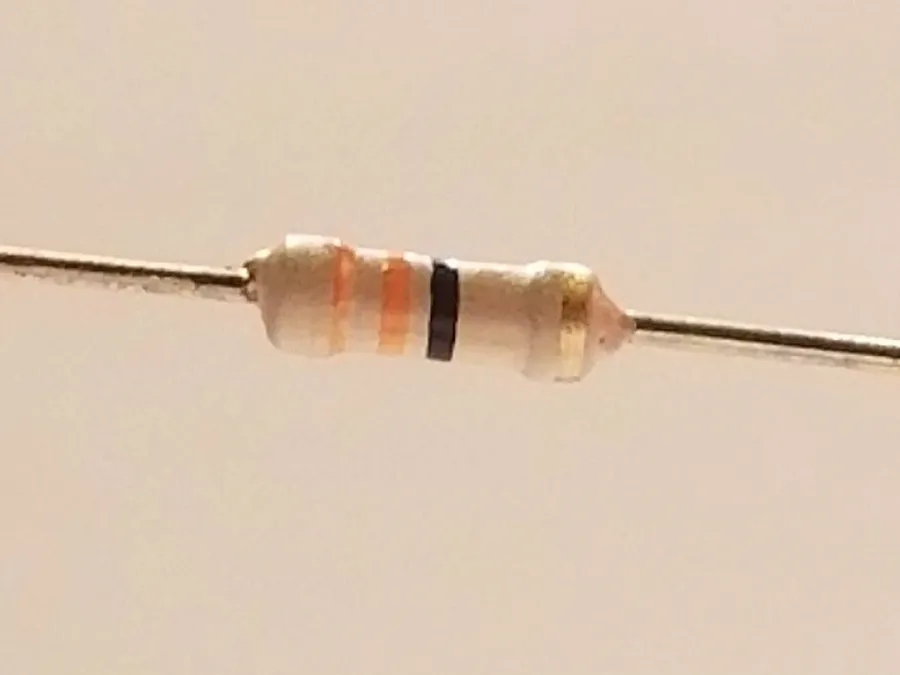
A 33 ohm resistor is a fundamental electronic component designed to impede the flow of electrical current with a specific resistance of 33 ohms. This resistance, measured in ohms (Ω), is a standardized unit that quantifies how much a material opposes the passage of electrical current. In essence, a 33 ohm resistor acts as a controlled restriction within a circuit, limiting current and dividing voltage as necessary, a pivotal element in myriad electronic applications.
The significance of a 33 ohm value lies in its precise role within circuits. It's commonly used where a modest level of resistance is required, serving to balance current flow without causing drastic voltage drops. It's critical for signal integrity in transmission lines, and for limiting currents to protect sensitive components. The 33-ohm value is neither too high, causing excessive voltage reduction, nor too low, resulting in potentially harmful high currents making it a versatile and essential component in electronics.
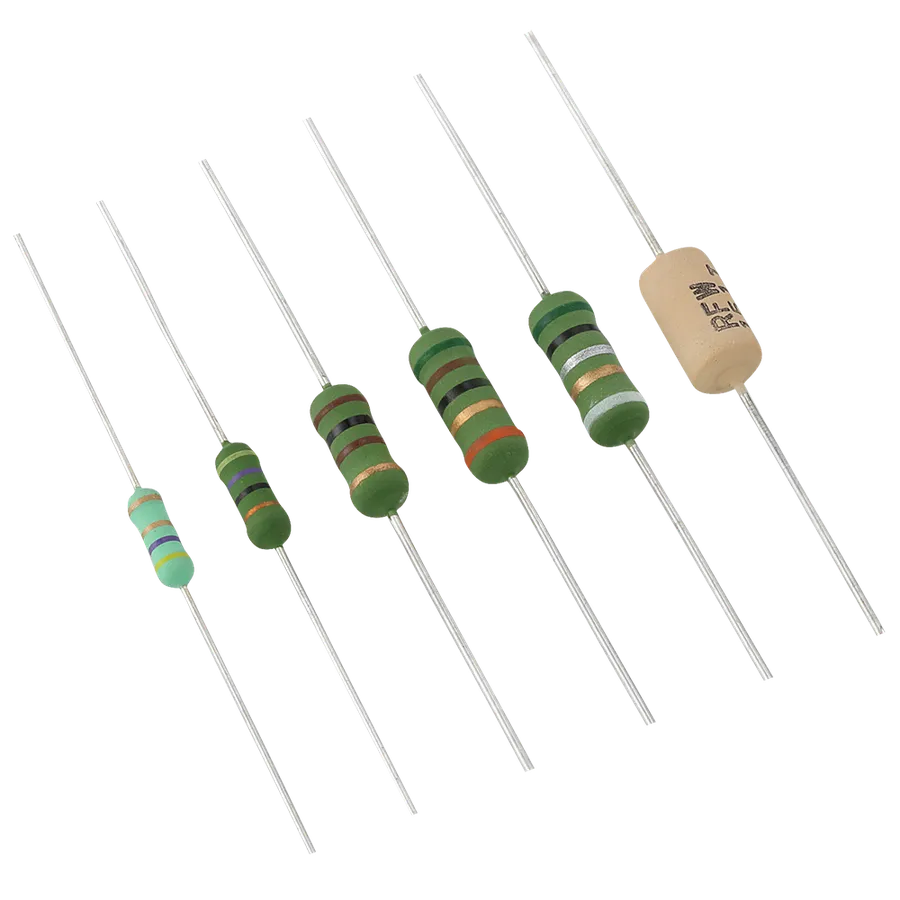
33 Ohm resistors are manufactured using various materials and techniques, resulting in different types each with distinct characteristics suited for specific applications. Understanding these differences is crucial for selecting the optimal resistor for a given circuit.
| Resistor Type | Material | Typical Tolerance | Temperature Coefficient | Power Rating | Key Characteristics | Typical Applications |
|---|---|---|---|---|---|---|
| Metal Film | Nickel-chromium alloy | ±1%, ±0.5%, ±0.1% | Low | Low to Medium | High precision, low noise, good stability | Precision circuits, audio equipment, instrumentation |
| Carbon Film | Carbon particles mixed with a ceramic binder | ±5%, ±2% | Moderate | Low to Medium | Cost-effective, widely available, suitable for general-purpose applications | General electronics, basic circuits |
| Metal Oxide Film | Tin oxide | ±5%, ±2% | Moderate | Medium to High | High temperature stability, high pulse load capability | Power supplies, high-voltage circuits |
| Wirewound | Resistance wire wound around an insulating core | ±1% to ±5% | Very Low | High | High power handling, very stable, low noise | High power applications, current sensing |
The choice of resistor type often depends on the trade-off between cost, precision, power requirements, and stability. Metal film resistors are favored for precise applications due to their tight tolerances, while carbon film resistors offer a more economical solution for general-purpose use. Metal oxide resistors are better suited for high-temperature or pulse applications, and wirewound resistors are the preferred choice when high power handling is required. When selecting a 33 ohm resistor, it is essential to consider these factors in order to ensure circuit performance.
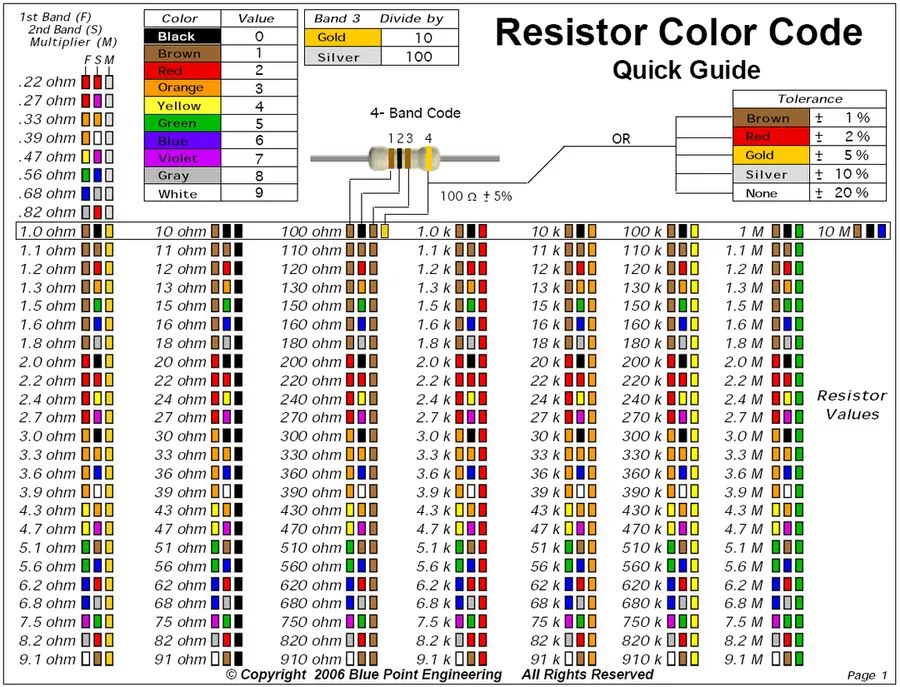
The color code system is a standardized method for indicating the resistance value and tolerance of a resistor using colored bands. For a 33 ohm resistor, this system provides a quick and reliable way to identify the component without needing to directly measure its resistance with a multimeter. Understanding this color code is essential for any electronics professional or hobbyist.
A 33 Ohm resistor typically uses a 4-band or 5-band color code system. The first two bands represent the significant digits of the resistance value, the third band represents the multiplier (power of ten), and the fourth band indicates the tolerance (precision) of the resistor. A 5-band resistor adds an additional significant digit.
| Color | Digit | Multiplier | Tolerance (%) |
|---|---|---|---|
| Black | 0 | 1 | - |
| Brown | 1 | 10 | ±1 |
| Red | 2 | 100 | ±2 |
| Orange | 3 | 1,000 | - |
| Yellow | 4 | 10,000 | - |
| Green | 5 | 100,000 | ±0.5 |
| Blue | 6 | 1,000,000 | ±0.25 |
| Violet | 7 | 10,000,000 | ±0.1 |
| Grey | 8 | - | ±0.05 |
| White | 9 | - | - |
| Gold | - | 0.1 | ±5 |
| Silver | - | 0.01 | ±10 |
| None | - | - | ±20 |
For a 33 ohm resistor, the color bands are determined as follows: * **4-Band Resistor:** * **First band:** Orange (3) * **Second band:** Orange (3) * **Third band:** Black (x1) * **Fourth band:** Gold or silver (Tolerance) * **5-Band Resistor:** * **First band:** Orange (3) * **Second band:** Orange (3) * **Third band:** Black (0) * **Fourth band:** Black (x1) * **Fifth band:** Gold or silver (Tolerance) For a 33 ohm resistor, the first and second bands are Orange, while the third band is black, indicating multiplication by 1. For a 5-band resistor, the fourth band is also black, and the fifth band gives tolerance.
It is important to read the bands from left to right, starting with the band closest to the edge. Sometimes, a gap is present after the last band, making the reading direction clear. Gold and Silver bands are always for tolerance and therefore placed at the end.
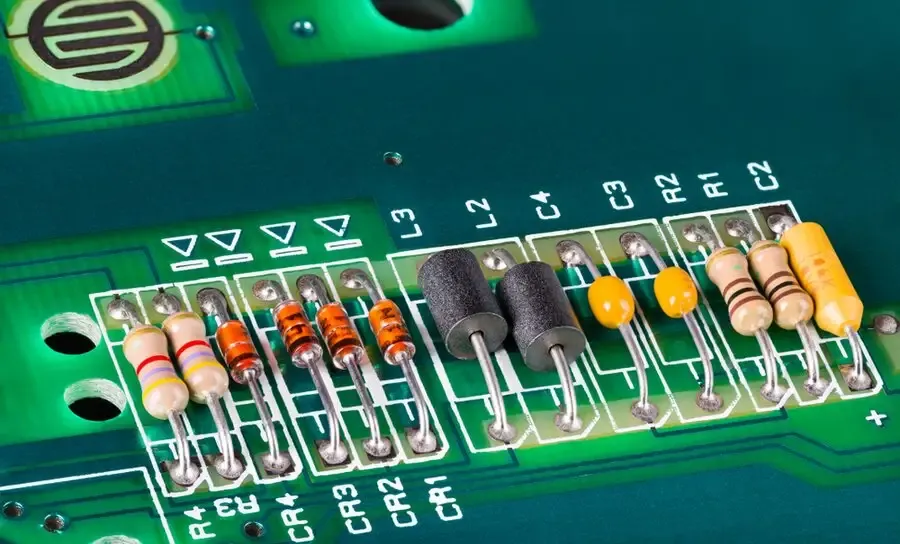
The 33-ohm resistor, while seemingly a specific value, finds extensive use across various electronic applications, largely due to its ability to provide a balance between current limiting and signal integrity. Its common usage spans diverse areas, from protecting sensitive components to ensuring proper signal termination, showcasing its versatility in circuit design.
Selecting the appropriate 33 ohm resistor for a given application requires careful consideration of several key factors to ensure optimal circuit performance and reliability. These factors include the resistor's power rating (wattage), its tolerance, and its temperature coefficient. Each of these attributes directly impacts how the resistor will behave under varying operating conditions.
| Factor | Description | Impact on Performance | Typical Values for 33 Ohm Resistor |
|---|---|---|---|
| Wattage (Power Rating) | The maximum power the resistor can dissipate without damage, measured in watts (W). | Insufficient wattage can lead to overheating and resistor failure. Excessive wattage increases cost and size. | Commonly 1/8W, 1/4W, 1/2W, 1W |
| Tolerance | The allowable deviation of the actual resistance value from the nominal value, expressed as a percentage. | Lower tolerance resistors provide more accurate resistance values but are typically more expensive. Higher tolerance is acceptable for less critical circuits. | Commonly 1%, 5%, 10% |
| Temperature Coefficient | Indicates how much the resistance changes with temperature, typically expressed in parts per million per degree Celsius (ppm/°C). | High temperature coefficient can cause resistance value to vary significantly with temperature fluctuations, affecting circuit performance. | Varies by resistor type (e.g. metal film ~50 ppm/°C, carbon film ~ 250 ppm/°C) |
The choice of wattage is determined by the power dissipated in the resistor during circuit operation and needs to be higher than the actual power to ensure safety, the tolerance selection depends on the precision requirements of the application, and the temperature coefficient is critical for applications where the ambient temperature varies or where precision of the resistance value is critical over temperature.
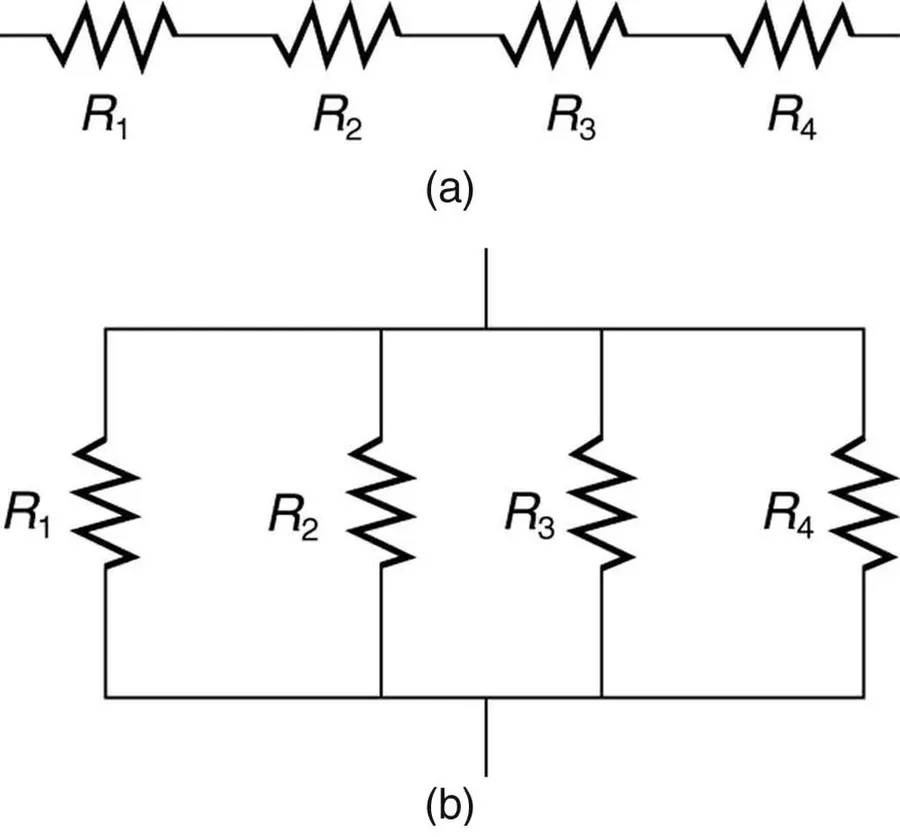
Understanding how 33 ohm resistors behave when connected in series and parallel is crucial for circuit design. The arrangement significantly alters the overall resistance, impacting current flow and voltage distribution within the circuit. This section details the calculations and effects of these configurations.
| Configuration | Formula for Total Resistance (R_total) | Description |
|---|---|---|
| Series | R_total = R1 + R2 + R3 + ... + Rn | Resistors are connected end-to-end, the total resistance is the sum of the individual resistances. The current through each resistor is the same. |
| Parallel | 1/R_total = 1/R1 + 1/R2 + 1/R3 + ... + 1/Rn | Resistors are connected side by side, the reciprocal of the total resistance is the sum of the reciprocals of the individual resistances. The voltage across each resistor is the same. |
For instance, when two 33 ohm resistors are connected in series, the total resistance is 33 ohms + 33 ohms = 66 ohms. Conversely, when two 33 ohm resistors are connected in parallel, the total resistance becomes approximately 16.5 ohms (calculated using the parallel resistance formula).
In a series configuration, the same current flows through each resistor, while the total voltage is divided across the resistors. In a parallel configuration, the voltage across each resistor is the same, while the total current is divided among the branches. The choice between series and parallel configurations depends on the desired circuit behavior.
This section addresses common questions regarding 33 ohm resistors, covering essential aspects such as color coding, power ratings, and variations in resistance values. Understanding these details is crucial for the proper selection and application of 33 ohm resistors in electronic circuits.
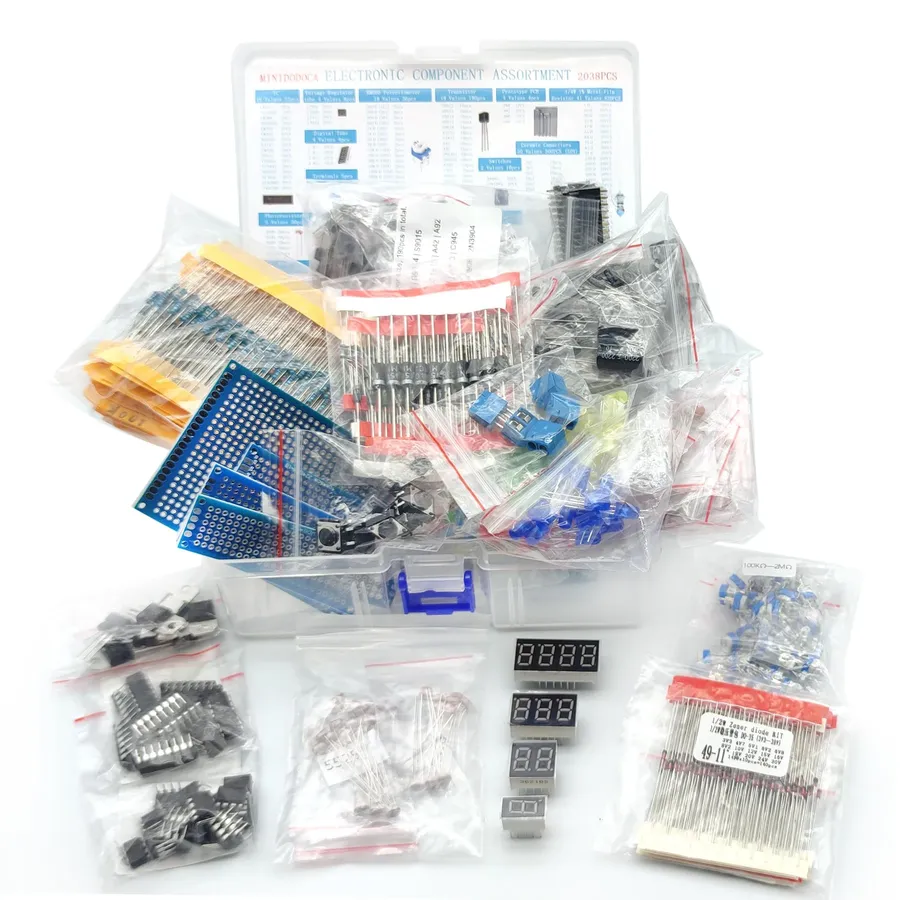
Sourcing high-quality 33 ohm resistors is crucial for reliable circuit performance. This section outlines reputable channels for purchasing these components, ensuring you acquire parts that meet your project's specifications.
When choosing a vendor, prioritize those that provide: Clear specifications including tolerance, power rating, temperature coefficient and packaging type; Traceability of components, indicating where the resistors were made; and positive customer reviews to help ensure the reliability of the vendor.
Troubleshooting circuits containing 33 ohm resistors involves identifying common failure points and employing diagnostic methods to ensure proper functionality. These components, while robust, can experience issues due to electrical stress, physical damage, or environmental factors, leading to malfunctions within electronic circuits.
The seemingly simple 33 ohm resistor is a fundamental component in modern electronics. This guide has offered a comprehensive look at its types, uses, and how to choose the right one for your projects. Understanding its characteristics, from color codes to placement in circuits, is essential for anyone working with electronics, where precision, like the consistent resistance of a 33 ohm resistor, is paramount. Continued learning in this area allows for more complex and efficient circuitry design.

