From the blinking LEDs in your child's toy to the sophisticated circuits in medical equipment, the humble resistor, particularly the 4.7k ohm variant, plays a crucial role. Acting as a gatekeeper for electrical current, it's essential in controlling voltage and current flow. This article delves deep into the world of the 4.7k resistor, exploring its various types, applications, how to identify them, and what makes them so commonly used in electronics.
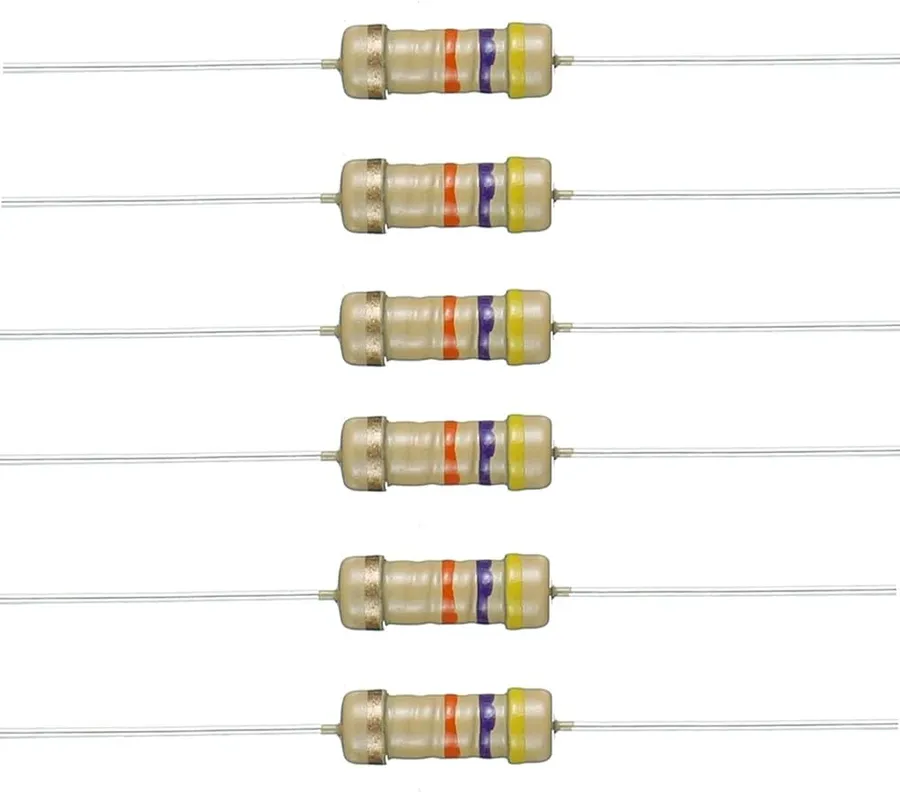
A 4.7k Ohm resistor is a fundamental electronic component that opposes the flow of electrical current, with a specified resistance of 4,700 ohms. This resistance value plays a crucial role in controlling current and voltage within a circuit, in accordance with Ohm's Law. It is a passive two-terminal component, meaning it does not actively generate electrical energy but rather manipulates it.
Resistance, measured in ohms (Ω), is the property of a material to resist the flow of electric current. According to Ohm's Law (V=IR), the voltage drop (V) across a resistor is directly proportional to the current (I) flowing through it and the resistance (R). Therefore, a 4.7k Ohm resistor will exhibit a voltage drop of 4.7 volts for every 1 milliampere of current flowing through it.
In essence, a 4.7k Ohm resistor functions by converting electrical energy into thermal energy, this process is called Joule heating. This conversion happens as electrons move through the resistive material, colliding with atoms and other electrons and losing their energy as heat. By limiting the current in the circuit it also influences voltage distribution. The precise 4.7k value is often used because it is a standard value that provides a good balance of current and voltage reduction in many practical applications.
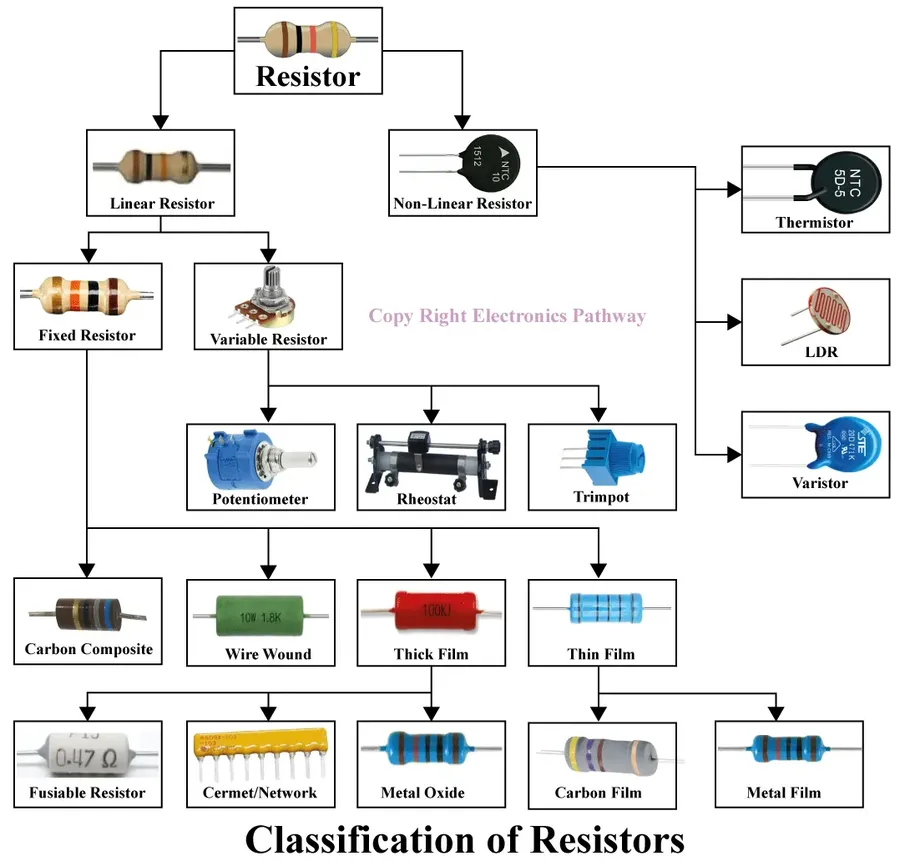
4.7k Ohm resistors are fundamental components in electronic circuits, available in several types, each with unique characteristics that influence their suitability for specific applications. The primary types include carbon film, metal film, and surface mount device (SMD) resistors. These variations differ significantly in their performance, precision, stability, and physical size.
| Characteristic | Carbon Film Resistors | Metal Film Resistors | SMD Resistors |
|---|---|---|---|
| Resistance Tolerance | Typically 5% or 10% | Typically 1% or 0.5% | Typically 1% or 0.5%, also available in 0.1% |
| Temperature Coefficient | Relatively high, varies with temperature | Lower than carbon film, more stable | Very low, high stability across temperature |
| Noise | Higher noise level | Lower noise level | Lower noise level |
| Power Rating | Commonly available in 1/4W, 1/2W | Commonly available in 1/4W, 1/2W, 1W, and higher | Available in various power ratings based on size |
| Cost | Generally lower cost | More expensive than carbon film | Cost varies with size and precision, can be inexpensive in bulk |
| Stability | Less stable, resistance can drift over time and with temperature changes | More stable, better long term stability | Highly stable |
| Applications | General-purpose, low-precision applications, educational purposes | Precision applications, instrumentation, audio circuits | High-density applications, consumer electronics |
The choice among these resistor types depends on the specific needs of the application, balancing cost, performance, and space constraints. For high-precision analog circuits where stability is crucial, metal film or SMD resistors are typically preferred. In contrast, carbon film resistors are suitable for general-purpose applications where cost is a primary concern.
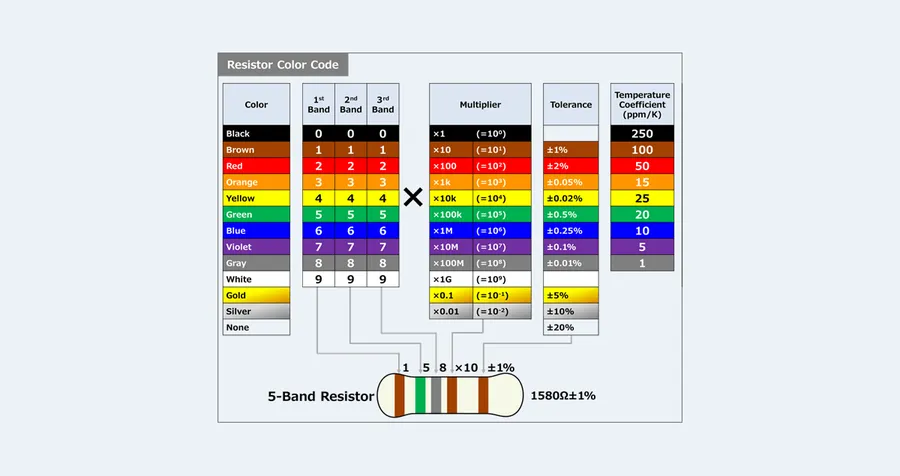
The color code on a 4.7k ohm resistor is a standardized system to quickly identify its resistance value. This system uses colored bands, each representing a numerical digit, multiplier, or tolerance. Understanding this coding is fundamental for electronics work as it allows you to quickly verify or select the correct resistor.
For a 4.7kΩ resistor, two primary color band configurations are commonly used: a 4-band and a 5-band system. The 4-band system is more common, while the 5-band system offers higher precision.
| Band | 4-Band System | 5-Band System |
|---|---|---|
| Band 1 | 1st Significant Digit | 1st Significant Digit |
| Band 2 | 2nd Significant Digit | 2nd Significant Digit |
| Band 3 | Multiplier | 3rd Significant Digit |
| Band 4 | Tolerance | Multiplier |
| Band 5 | - | Tolerance |
Here's how to interpret the color bands specifically for a 4.7kΩ resistor:
**4-Band System**:
Calculation: 47 * 100 = 4700 ohms, or 4.7kΩ
**5-Band System:** This system is used for more precise resistors. A 4.7kΩ resistor will have:
Calculation: 470 * 100 = 4700 ohms, or 4.7kΩ
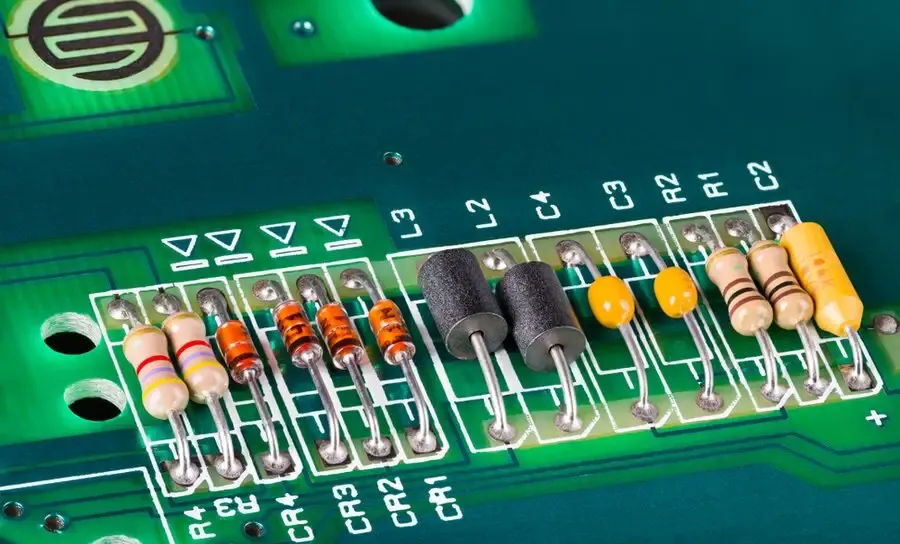
The 4.7k ohm resistor is a versatile component widely employed in electronics due to its suitability for a variety of common circuit functions. Its resistance value provides a balance, offering adequate current limiting without excessive voltage drop in numerous applications.
| Application | Typical Use Case | Why 4.7k Ohm |
|---|---|---|
| Pull-up/Pull-down | Ensuring defined logic levels on microcontroller inputs | Provides reliable high or low logic states |
| LED Current Limiting | Protecting LEDs from overcurrent damage | Balances current flow and LED brightness |
| Sensor Interface | Converting sensor signals into measurable voltage variations | Provides a useful impedance for low power sensor circuit |
| Voltage Divider | Creating specific reference voltages | Scales voltage to usable level |
| Timing Circuits | Generating delays or pulses in timing applications | Creates appropriate time constants when combined with capacitors |
This section addresses common questions about 4.7k Ohm resistors, providing clear and concise answers to help you understand their properties and applications. We will cover topics such as color coding, equivalent resistance values, and typical functions within electronic circuits, as well as compare it to other common values like 5k Ohm resistors.
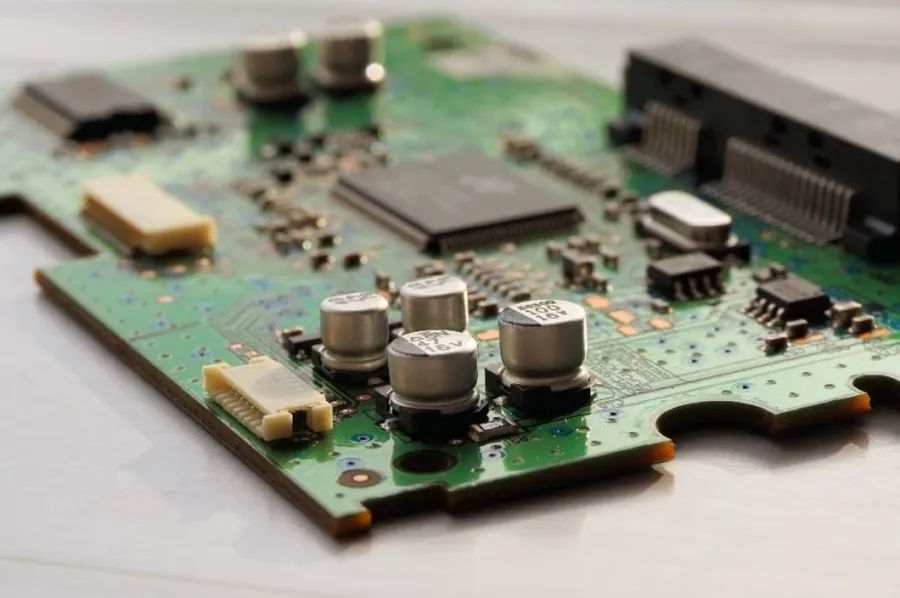
Selecting the appropriate 4.7k ohm resistor for your project is crucial for optimal circuit performance and reliability. This decision involves considering several key factors beyond just the resistance value, such as the power rating, tolerance, temperature coefficient, and physical size. By carefully evaluating these parameters, engineers can ensure that their circuits operate as intended, without compromising functionality or safety.
| Parameter | Description | Implication for Selection |
|---|---|---|
| Wattage Rating | The maximum power a resistor can dissipate without damage, calculated as P = I²R or P = V²/R. | Choose a wattage rating significantly higher (at least double) than the calculated power dissipation to prevent overheating and failure. |
| Tolerance | The allowable deviation of the actual resistance from the nominal value (4.7kΩ in this case), often expressed as a percentage (e.g., ±1%, ±5%). | For precision circuits, use resistors with lower tolerance values, while higher tolerances are acceptable in less sensitive applications. |
| Temperature Coefficient | Describes how the resistance value changes with temperature, expressed in ppm/°C. | Consider temperature coefficients in applications where temperature fluctuations are expected to avoid variations in performance. |
| Physical Size/Package | The physical size of the resistor, including through-hole and surface-mount packages, which impacts ease of use and mounting on a PCB. | Select a size that fits into your circuit design and is compatible with your soldering/assembly process (e.g., through-hole for breadboards, SMD for PCBs). |
| Resistor Type | Carbon film, metal film, or wire-wound resistors have varying performance characteristics in terms of temperature stability, noise, and accuracy. | Choose the resistor type based on the project's requirements; for general use, metal film resistors are often preferred for their better precision and stability compared to carbon film. |
It is highly recommended to thoroughly analyze the specific needs of your circuit when selecting a 4.7k resistor, considering both the electrical and environmental factors of operation. Employing a slightly higher wattage rating than your theoretical calculations will ensure that your components operate safely within their limits. Finally, review manufacturers' datasheets for detailed specifications to help ensure the optimal performance of your project.
Securing reliable 4.7k ohm resistors is crucial for any electronics project, and choosing the right supplier is just as important as selecting the right component. Whether you're sourcing for prototyping, repair, or mass production, understanding where to find quality resistors and what to consider when purchasing will help ensure the success of your work. This section provides guidance on where to buy 4.7k ohm resistors, including online retailers and physical electronics stores, and what to look for to guarantee quality and authenticity.
| Supplier Type | Advantages | Disadvantages | Considerations |
|---|---|---|---|
| Online Retailers (e.g., Digi-Key, Mouser, Amazon) | Wide selection, competitive pricing, easy ordering, fast delivery, often offer datasheets. | May require minimum order quantities, shipping costs can add up, potential for counterfeit parts from third-party sellers, less immediate access. | Check for seller ratings, look for manufacturers' part numbers, consider shipping times, compare prices before purchasing. |
| Specialty Electronics Stores (e.g., RadioShack, Fry's Electronics (if available)) | Immediate availability, ability to see and handle components, often helpful staff, can buy in small quantities. | Limited selection, may be more expensive, fewer options for specific component types, availability can be unpredictable. | Check for part availability, ensure the staff is knowledgeable, compare prices with other suppliers, inspect parts carefully before purchasing. |
| Component Distributors (e.g., Arrow Electronics, Avnet) | Large inventory of genuine parts, bulk purchasing options, reliable supply chain, typically provide traceability and documentation. | Higher prices, may have minimum order quantities or purchase thresholds, primarily serve businesses, might not cater to hobbyists. | Good for large volume or commercial projects, excellent for quality control, provide purchase documentation, verify distributor's authorization with manufacturer. |
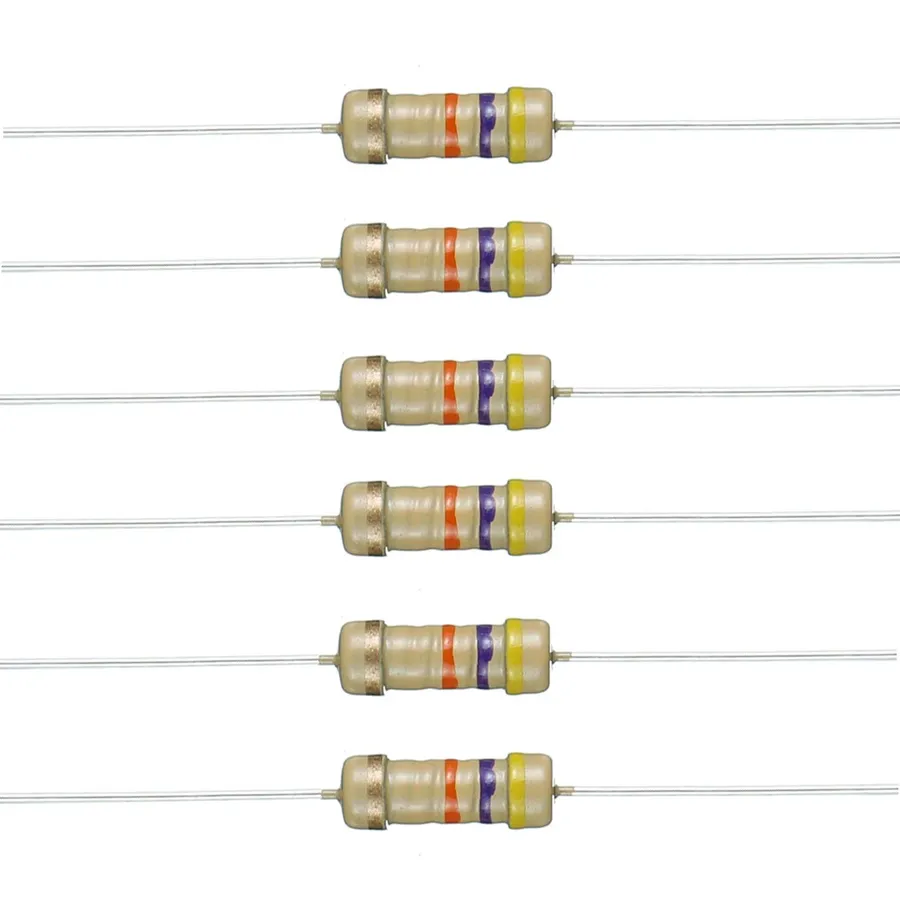
Understanding the distinction between a 4.7k ohm resistor and a 47k ohm resistor is crucial in circuit design, as the tenfold difference in resistance significantly alters their behavior and applications within electronic circuits.
| Feature | 4.7k Ohm Resistor | 47k Ohm Resistor |
|---|---|---|
| Resistance Value | 4,700 ohms | 47,000 ohms |
| Color Code (4-band) | Yellow, Violet, Red, Gold (typically) | Yellow, Violet, Orange, Gold (typically) |
| Color Code (5-band) | Yellow, Violet, Black, Brown, Brown (typically) | Yellow, Violet, Black, Red, Brown (typically) |
| Current Flow | Higher current flow for a given voltage | Lower current flow for the same voltage |
| Voltage Drop | Lower voltage drop for the same current | Higher voltage drop for the same current |
| Common Applications | Pull-up/down, current limiting for high-current LEDs, basic amplification circuits | Sensor interfaces, high-impedance bias, feedback networks, amplification circuits with greater gain |
| Impact on Circuit | More influence on current, less on voltage | More influence on voltage, less on current |
The primary difference lies in the magnitude of their resistance. A 4.7kΩ resistor presents a much lower barrier to current flow than a 47kΩ resistor. Consequently, for an equivalent voltage, a circuit with a 4.7kΩ resistor will exhibit a higher current, while the circuit with a 47kΩ resistor will have significantly lower current.
This disparity in current impacts voltage drops across the resistors. Using Ohm's Law (V=IR), with the same current the voltage drop across the 47kΩ resistor will be approximately ten times greater than across the 4.7kΩ resistor. These effects dictate their suitability for different circuit applications.
Furthermore, the color code differs, the 4.7k Ohm resistor using a 'Red' band for the multiplier (×100), where the 47k Ohm resistor uses an 'Orange' band (×1000). This distinction in the multiplier band is essential for correct component identification and circuit assembly. The 5 band version has also been added to the table above for clarity.
The 4.7k ohm resistor might seem like a small component, but it's a workhorse in the world of electronics. Whether you're an electronics hobbyist or a seasoned engineer, understanding the nuances of the 4.7k resistor – its types, applications, color coding, and proper selection methods – is crucial for building reliable circuits. From controlling the brilliance of LEDs to ensuring stable signal flows, this component's subtle yet essential role underscores the beautiful complexity of modern electronics.

