Have you ever wondered what's inside your electronics? A simple, yet crucial component is the 300 ohm resistor. Just like a valve controls water flow, a resistor controls the flow of electricity, and the 300 ohm resistor is a common workhorse in many circuits. From setting the gain in audio amplifiers to controlling current in LEDs, this tiny component plays a huge role in our electronic lives. This guide will demystify the 300 ohm resistor, diving into its types, color codes, applications, and how it fits into the big picture of electronics. Understanding the 300 ohm resistor, is a fundamental component to understanding electronic engineering.
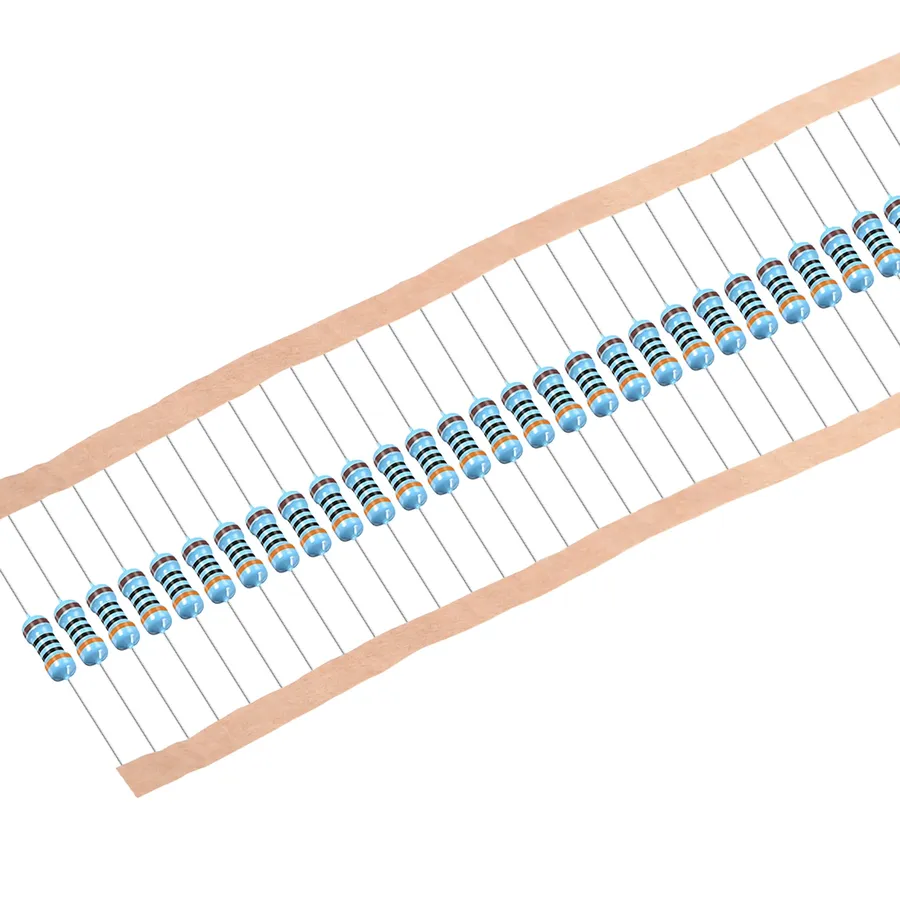
A 300 ohm resistor is a passive electronic component that impedes the flow of electrical current, providing a defined resistance of 300 ohms. This specific resistance value is crucial in many electronic circuits to control current, divide voltage, or establish specific electrical characteristics within the circuit. The unit of resistance, the ohm (Ω), quantifies how much a component opposes the flow of electrical current; a 300 ohm resistor, therefore, offers a significant level of impedance, finding utility in a wide variety of circuits that require this controlled level of resistance.
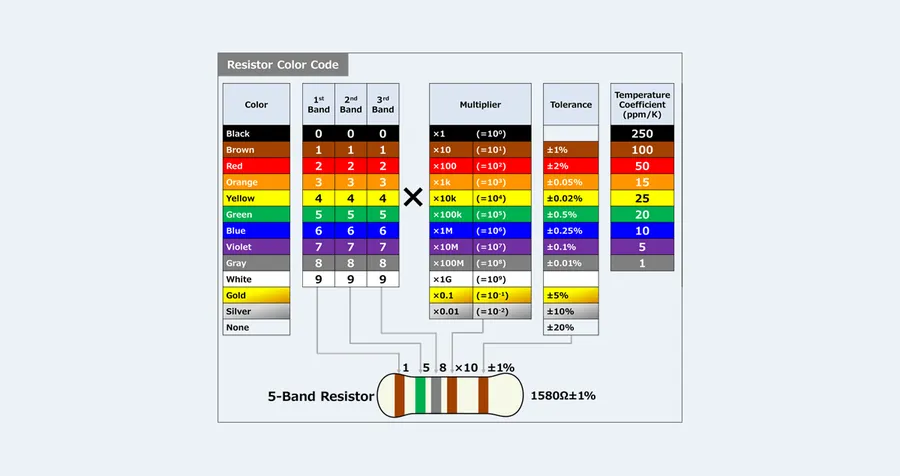
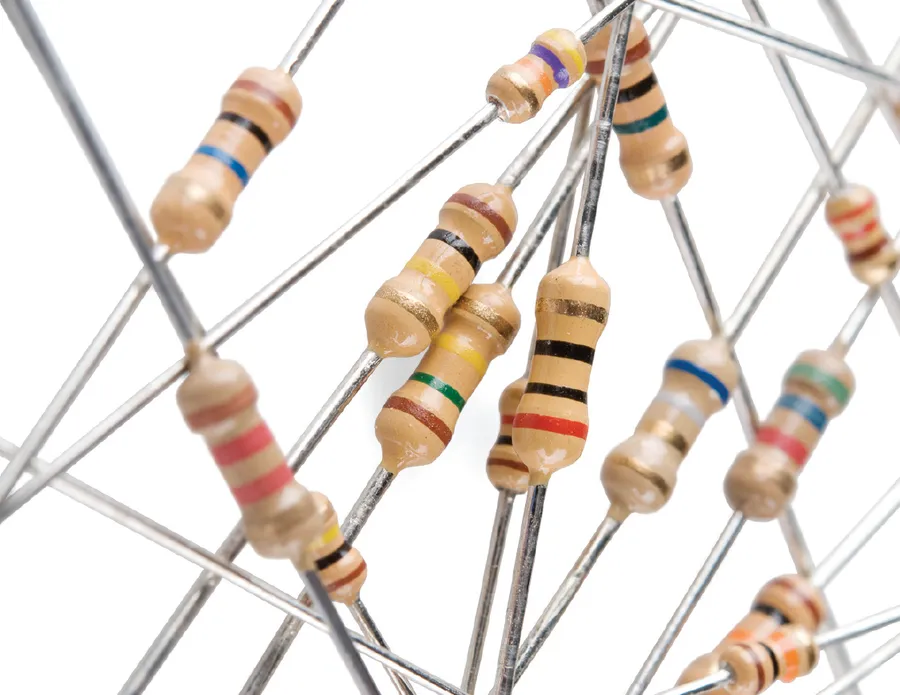
The 300 ohm resistor's value is identified through a color-coded system of bands, crucial for quick identification in electronic circuits. Each band represents a numerical value, a multiplier, or a tolerance, enabling technicians and hobbyists to accurately determine the resistor’s characteristics without directly measuring it.
| Band | Color | Digit/Value | Multiplier | Tolerance |
|---|---|---|---|---|
| 1st Band | Orange | 3 | - | - |
| 2nd Band | Black | 0 | - | - |
| 3rd Band | Brown | - | 10^1 | - |
| 4th Band | Gold | - | - | ±5% |
The color bands are read from left to right. The first two bands represent the significant digits of the resistance value, and the third band is the multiplier. The fourth band signifies the tolerance of the resistor. For a 300 ohm resistor, the color bands are typically Orange, Black, Brown and Gold. Orange represents '3', black represents '0', Brown multiplier represents *10^1 and the gold indicates a tolerance of ±5%.
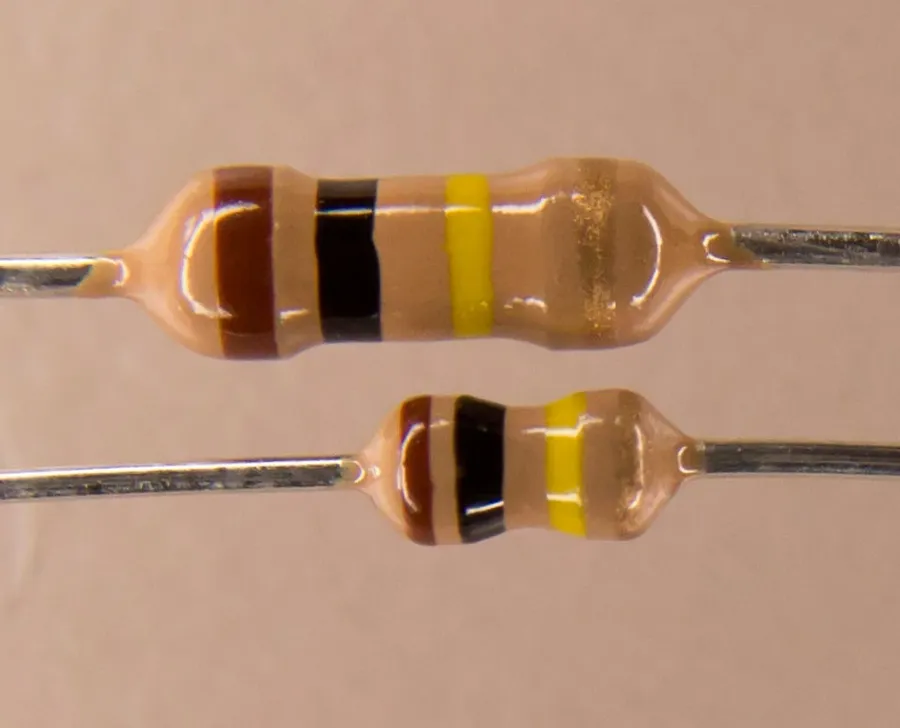
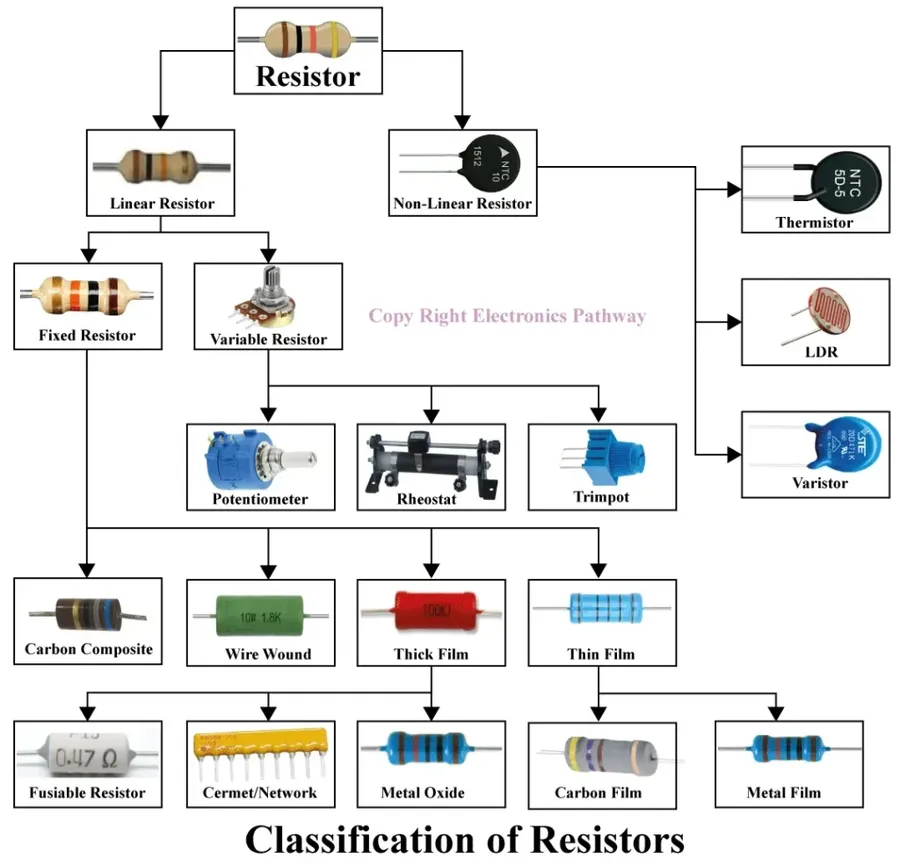
300 Ohm resistors are not monolithic; they are manufactured using different technologies, each possessing unique characteristics impacting performance within a circuit. The choice of resistor type depends heavily on the specific application's requirements for precision, power, and environmental conditions. Common types include carbon film, metal film, and wire-wound resistors.
| Resistor Type | Material | Tolerance | Power Rating | Application | Advantages | Disadvantages |
|---|---|---|---|---|---|---|
| Carbon Film | Carbon Film on Ceramic Substrate | 5% or 10% | 0.125W to 2W | General Purpose | Low Cost, Widely available | Poor Tolerance, High Temperature Coefficient |
| Metal Film | Thin Metal Film on Ceramic Substrate | 1% or 2% | 0.125W to 1W | Precision circuits, Audio applications | Good Tolerance, Low Noise | More expensive than Carbon Film |
| Wire-Wound | Metal Wire wound on Insulating Core | 1% or 5% | 1W to >50W | High power applications, Current sensing | High Power, High Accuracy | Inductive, Larger size |
Understanding the different types of 300 ohm resistors is crucial for effective circuit design. Each type offers unique advantages and disadvantages, making the selection process highly dependent on the specific application. The table above provides a structured comparison to aid in the selection process.

300 ohm resistors serve as crucial components in a variety of electronic circuits, primarily due to their ability to limit current flow and provide a specific level of resistance. Their applications range from simple current control to more complex circuit functionalities such as impedance matching, especially in audio systems.
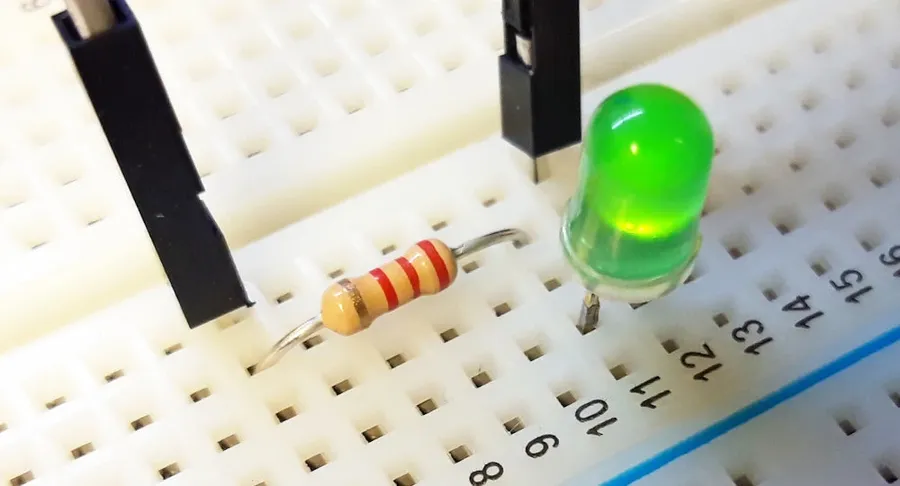
A 300 ohm resistor is a fundamental component in many electronic circuits, serving to limit current, divide voltage, and establish impedance. Its practical application varies, but the core principle remains consistent: controlling the flow of electrical energy. Understanding how to select and implement a 300 ohm resistor, or indeed any resistor, begins with Ohm's Law, and an awareness of the operating parameters of the circuit in question.
Ohm's Law (V = IR) is the cornerstone for selecting the correct resistance value. This equation dictates the relationship between voltage (V), current (I), and resistance (R). When applying a 300 ohm resistor, it is essential to know two of these values to solve for the third, and this knowledge should be combined with an understanding of the circuit’s tolerance for the value to be determined.
Consider the scenario of a current-limiting resistor for an LED. If an LED has a forward voltage of 2V, and the power supply is 5V, using a 300 Ohm resistor will limit the current through the LED, preventing burnout. In this case, V (voltage difference) is 3V, if the desired current is say, 10mA (0.01A). The resistance needed would then be R = V/I = 3V/0.01A = 300 ohms. This is where the 300 ohm resistor comes into play, providing a standard value, close to the computed value to protect an LED.
Beyond simple LED circuits, 300 ohm resistors are frequently employed in audio circuits. For example, in some headphone amplifiers or line-matching circuits, a 300 ohm resistor can play a critical role in ensuring an efficient power transfer between the source and the load. The use of 300 ohm resistors here is often down to standards compliance, where that value has been shown to provide reasonable impedance and performance in these contexts. For instance, many headphones have an impedance of around 300 Ohms, and so the use of such resistors in audio processing is not uncommon.
When choosing a 300 ohm resistor, one must also consider its power rating. The power dissipated by the resistor can be calculated using the formula P = I²R. It is crucial to ensure that the resistor's power rating exceeds the power it will dissipate to prevent overheating and potential failure. For instance, in the LED example above, where a current of 10mA passes through the 300-ohm resistor, the power dissipated is P = (0.01A)² * 300 ohms = 0.03W. Therefore, a 1/4W resistor would be suitable in this application.
| Application | Typical Function | Calculation Example | Considerations |
|---|---|---|---|
| LED Current Limiting | Limits current to protect LEDs | R = (Vs - Vf) / I | Power rating, tolerance |
| Audio Line Matching | Improves power transfer in audio circuits | Impedance matching calculations | Impedance, frequency response |
| Simple Amplifier Circuits | Sets gain or bias points | Circuit design parameters | Linearity, thermal stability |
Understanding the nuances between a 300 ohm resistor and its neighboring values, such as 220 ohm, 330 ohm, and 100 ohm, is crucial for precise circuit design. Each resistor value offers a different level of current restriction, thereby impacting the overall behavior of an electrical circuit. The subtle differences in resistance can lead to significant changes in circuit performance, such as current flow, voltage drop, and heat generation. Selecting the correct resistor value is vital for ensuring optimal circuit functionality and preventing damage.
| Resistor Value | Typical Application | Current Restriction | Effect on Circuit |
|---|---|---|---|
| 100 Ohm | LED current limiting (high-current) | Low | Higher current flow, lower voltage drop |
| 220 Ohm | General purpose, pull-up/down | Medium-Low | Medium current flow, medium voltage drop |
| 300 Ohm | LED current limiting (moderate current), audio circuits | Medium | Moderate current flow, moderate voltage drop |
| 330 Ohm | LED current limiting (low-current) | Medium-High | Lower current flow, higher voltage drop |
The 100 ohm resistor, having the lowest resistance among the listed values, permits the highest current flow and results in a lower voltage drop within the circuit, making it suitable for applications that require higher current, such as driving high-intensity LEDs. The 220 ohm resistor offers a compromise between current restriction and voltage drop, making it suitable for general-purpose applications. A 330 ohm resistor provides a higher degree of current limitation, which is suitable for applications that require lower current such as lower-power LEDs. The selection should be based on the specific requirements of the circuit, taking into consideration factors such as the voltage source and load requirements.
When selecting a resistor, always consider its impact on other components and the overall circuit behavior. Accurate calculation and selection of the correct resistor value ensures both optimal performance and prevents damage. The table above provides a starting point, but further analysis may be required depending on the specific circuit configuration and application.
This section addresses common queries regarding 300 ohm resistors, providing clarity on their behavior, usage, and alternatives in various electronic circuits. It's designed to help both beginners and experienced users understand the nuances of working with these components.
Selecting the appropriate 300 ohm resistor for a given project is crucial for optimal circuit performance and reliability. This process involves careful consideration of several key factors including power rating, tolerance, resistor type (e.g., carbon film, metal film, wire-wound), and physical form factor (through-hole or surface mount). Understanding these factors ensures that the chosen resistor will function as intended within the circuit design.
The selection process should begin with analyzing the circuit requirements. This analysis should include determining the power dissipation across the resistor using Ohm's Law and ensuring the resistor's power rating exceeds this calculated value to prevent overheating and potential failure.
| Factor | Considerations | Impact on Selection |
|---|---|---|
| Power Rating | Calculate power dissipation using P = I²R or P = V²/R. Ensure safety margin. | Prevents overheating and failure. |
| Tolerance | Determine required accuracy of resistance value. | Affects circuit precision and stability. |
| Resistor Type | Consider carbon film, metal film, or wire-wound options. | Impacts precision, stability, power handling, and cost. |
| Physical Size | Choose through-hole or SMD based on circuit board constraints and manufacturing. | Determines ease of assembly and board space. |
| Temperature Coefficient | For high-temperature environments, a low temperature coefficient resistor is best. | Temperature stability |
| Operating Frequency | For high-frequency circuits, consider parasitic effects. | Avoid signal distortion in high frequency applications. |
The 300 ohm resistor may seem small, but it is a fundamental component of modern electronics. Whether it is in your amplifier, embedded in your TV, or even inside your cellphone, it plays a crucial role in regulating current. With a good understanding of the 300 ohm resistor, you're better equipped to understand and troubleshoot electronic circuits. This knowledge allows you to make informed decisions about components, and promotes greater proficiency in both basic and advanced electronics.

