The electric condenser, also known as a capacitor, is a fundamental component in modern electronics. Much like a small, rechargeable battery, it stores electrical energy. From powering your smartphone to stabilizing energy grids, the principle of the electric condenser is crucial in numerous applications of social science and technology, forming the backbone of our technological world. This article will delve into the world of electric condensers, demystifying its functions, types, and importance.
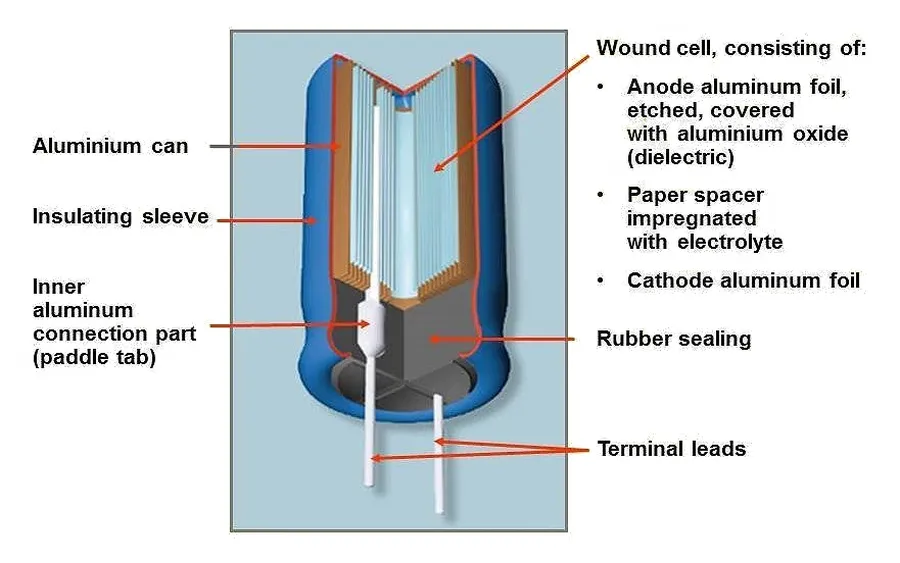
An electric condenser, fundamentally known as a capacitor in electronics, is a passive two-terminal electrical component designed to store electrical energy electrostatically in an electric field. This storage is achieved by accumulating electric charges on two conductive plates or surfaces, separated by a dielectric material or insulator. The condenser's ability to store charge is quantified by its capacitance, measured in Farads.
The primary function of an electric condenser is to temporarily store electrical energy, unlike batteries that store and convert chemical energy. This makes them ideal for applications needing quick energy release or charge filtering.
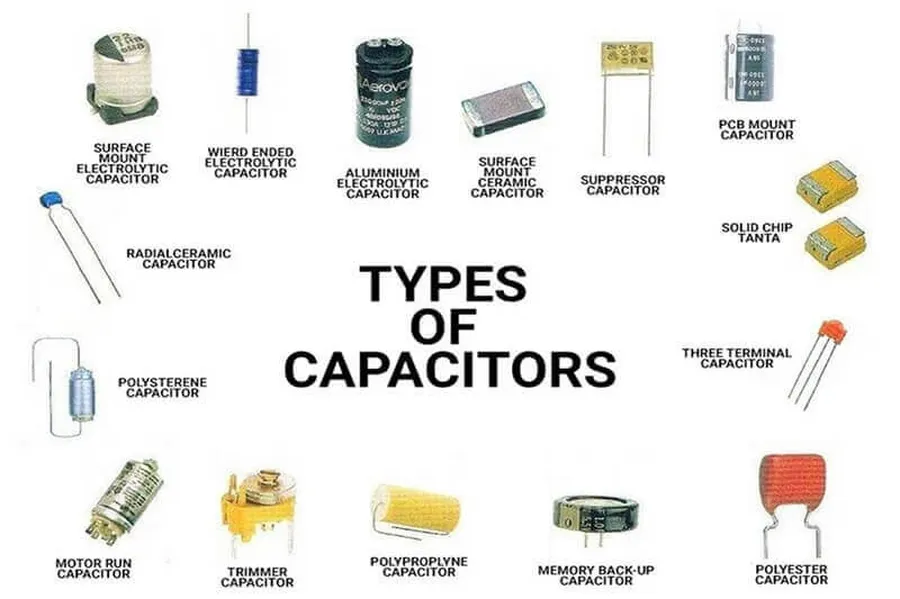
In the realm of electronics, the terms 'capacitor' and 'condenser' are essentially synonymous, both referring to a passive two-terminal electrical component used to store energy electrostatically in an electric field. However, the term 'condenser' may also describe components with different functionalities in other scientific and engineering fields, particularly concerning thermodynamic processes where it signifies a device that converts a substance from a gaseous to a liquid state, such as in refrigeration or power generation.
| Aspect | Capacitor | Condenser (Electronics) | Condenser (Thermodynamics) |
|---|---|---|---|
| Primary Function | Stores electrical energy electrostatically | Stores electrical energy electrostatically | Changes gas to liquid |
| Field of Use | Electrical engineering, electronics | Electrical engineering, electronics | Thermodynamics, Mechanical Engineering |
| Other Names | None | Rarely referred to as capacitor in other contexts | Heat exchanger, cooler |
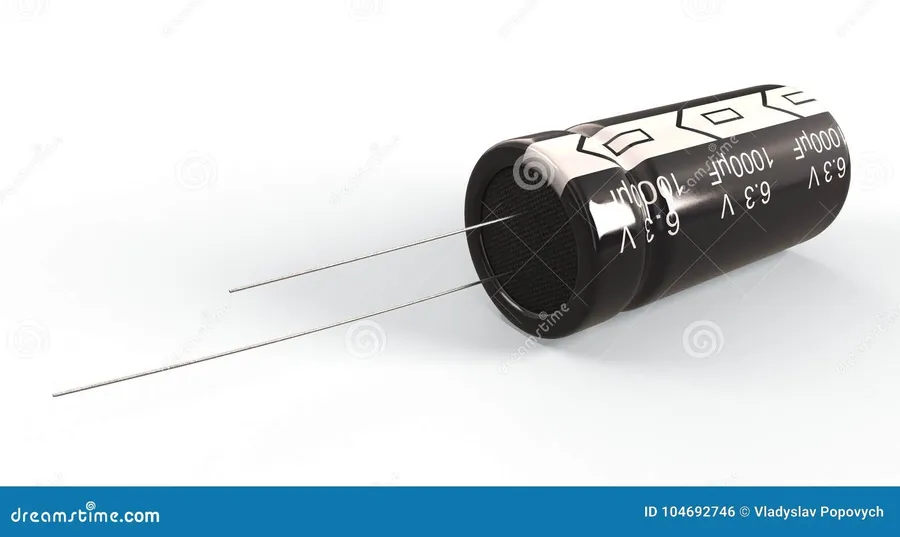
Electric condensers, also known as capacitors, are characterized by their ability to store electrical energy in an electric field. Understanding their key characteristics is critical for their effective use in electrical circuits. These characteristics primarily revolve around capacitance, voltage rating, and the dielectric material used.
| Characteristic | Description | Unit | Significance |
|---|---|---|---|
| Capacitance | The measure of a capacitor's ability to store an electric charge. | Farad (F) | Determines the amount of charge stored for a given voltage. Higher capacitance means more charge storage. |
| Voltage Rating | The maximum voltage that can be safely applied across the capacitor without risk of dielectric breakdown. | Volts (V) | Exceeding this can cause capacitor failure. Matching the voltage to the circuit is crucial for safety and performance. |
| Dielectric Material | The insulating material between the capacitor plates that affects capacitance, temperature stability, and losses. Common materials include ceramics, films, and electrolytes. | None (Material Specific) | Different materials have distinct properties that affect the capacitor's performance, application suitability, and operational life. |
| Tolerance | The allowed variation in capacitance from the specified nominal value. | Percentage (%) | Important for precision circuits. Tighter tolerance is required in circuits where consistent performance is essential. |
| Temperature Coefficient | The change in capacitance value with change in operating temperature. | ppm/°C | Critical for circuits operating in varying temperature conditions. It ensures stable operation over a given temperature range. |
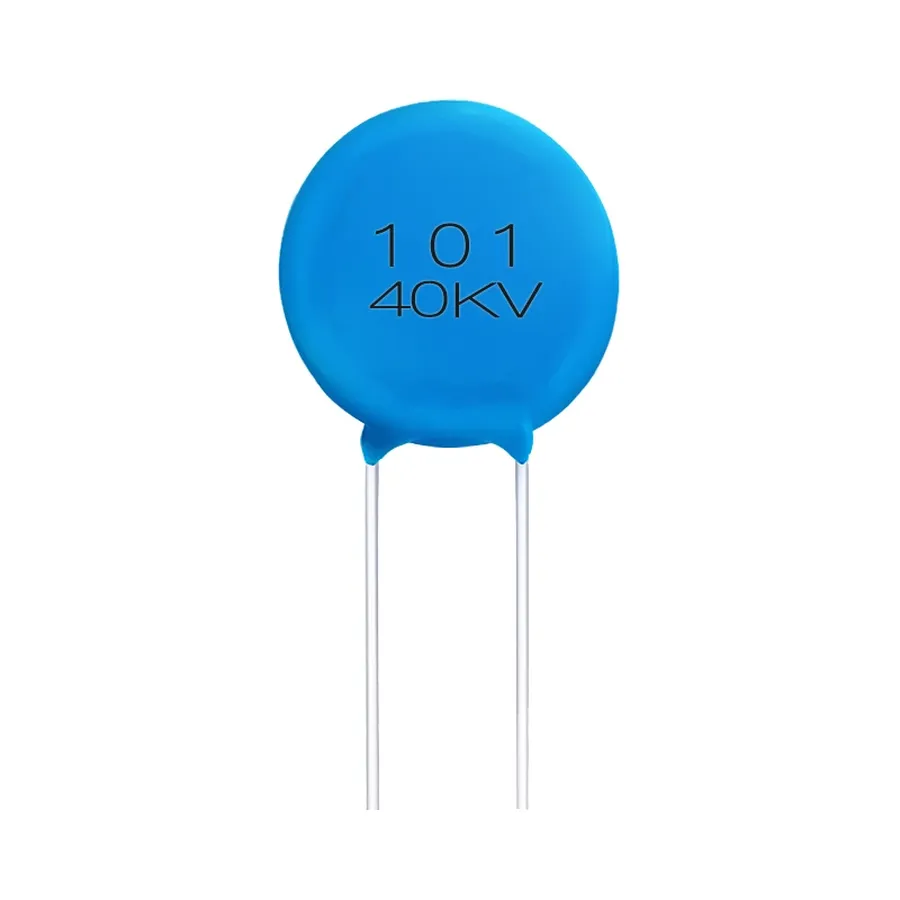
Electric condensers, commonly known as capacitors, exhibit a wide array of types, each engineered to meet specific application requirements across diverse fields. These variations arise from differences in materials and construction, directly influencing their electrical characteristics and performance.
| Capacitor Type | Dielectric Material | Typical Applications | Advantages | Disadvantages |
|---|---|---|---|---|
| Ceramic Capacitors | Ceramic materials (e.g., barium titanate) | High-frequency circuits, bypass capacitors, decoupling | Small size, low cost, high-frequency performance | Temperature sensitivity, lower capacitance values |
| Electrolytic Capacitors | Aluminum oxide or tantalum oxide | Power supplies, energy storage, filtering | High capacitance values, polarized | Limited high-frequency response, lower tolerance and stability |
| Film Capacitors | Plastic films (e.g., polyester, polypropylene) | Audio circuits, high-power applications, timing circuits | High stability, low losses, high voltage handling | Larger size compared to ceramic capacitors |
| Tantalum Capacitors | Tantalum pentoxide | Portable electronics, high-reliability applications | High capacitance per volume, good temperature stability | More expensive, sensitive to voltage surges |
| Supercapacitors (Ultracapacitors) | Porous carbon materials or metal oxides | Energy storage, backup power, hybrid vehicles | Extremely high capacitance, fast charging and discharging | Lower voltage ratings, energy density compared to batteries |
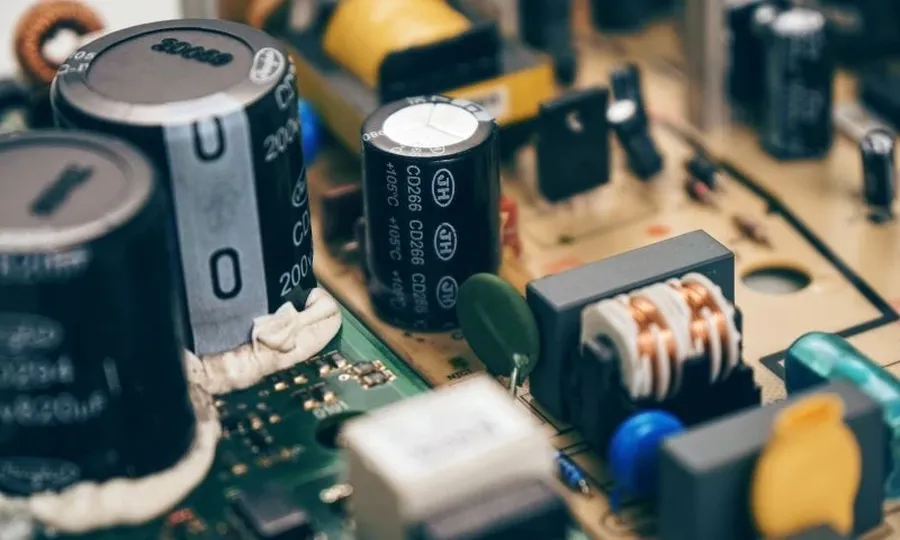
Electric condensers, or capacitors, serve multifaceted roles within electrical circuits, functioning beyond simple energy storage. They are crucial for manipulating electrical signals, managing power flow, and ensuring the stable operation of electronic devices. Their ability to store and release electrical energy, filter frequencies, and couple AC signals makes them indispensable in modern electronics.
| Function | Description | Application |
|---|---|---|
| Energy Storage | Stores electrical energy in an electric field. | Flash photography, pulsed power systems |
| Filtering | Passes high-frequency AC while blocking DC. | Power supply filtering, audio circuits |
| Smoothing | Reduces voltage ripple in power supplies. | DC power supplies, electronic devices |
| Signal Coupling | Transfers AC signals between stages, while blocking DC. | Audio amplifiers, multi-stage circuits |
| Tuning | Selects specific frequencies. | Radio tuners, resonant circuits |
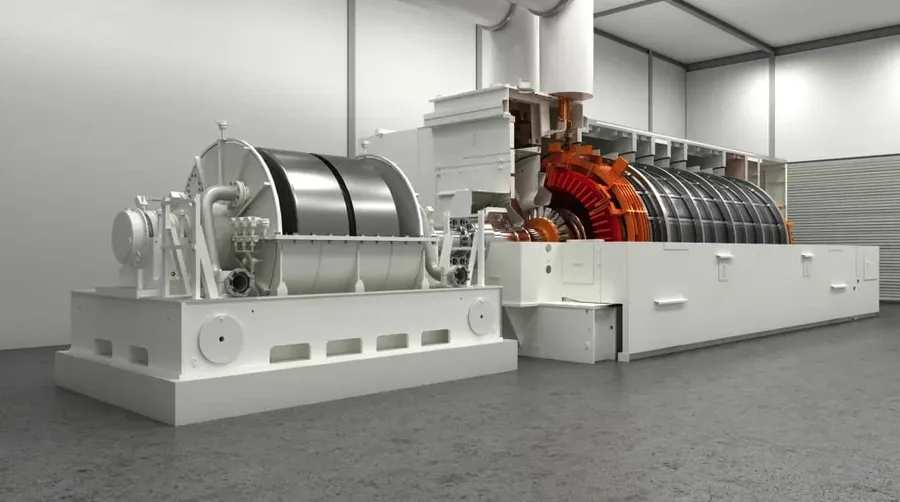
Synchronous condensers, unlike their static capacitor counterparts, are not passive components; they are essentially synchronous motors operating without a mechanical load, used primarily for power factor correction and voltage support in electrical grids. These rotating machines play a critical role in maintaining the efficiency and stability of power systems.
| Feature | Synchronous Condenser | Static Capacitor |
|---|---|---|
| Component Type | Rotating Machine | Passive Electronic Component |
| Primary Function | Dynamic Power Factor Correction, Voltage Support | Reactive Power Compensation |
| Operation | Motor Operated without Mechanical Load | Charge Storage |
| Control | Dynamically Adjustable Reactive Power | Fixed Reactive Power Output |
| Installation | Requires more physical space and infrastructure | Compact |
| Maintenance | Requires regular maintenance | Requires minimal maintenance |
A synchronous condenser’s ability to generate or absorb reactive power dynamically allows it to actively manage the power factor and support voltage levels during fluctuations in the grid. This dynamic behavior is a key differentiator from static capacitors, which provide a fixed amount of reactive power compensation.
The operational principle of synchronous condensers is derived from the nature of synchronous motors. By controlling the field excitation, these machines can be made to either supply leading reactive power (capacitive behavior) or absorb lagging reactive power (inductive behavior). This control is essential for balancing reactive power demands, preventing voltage collapse, and enhancing overall power system stability.
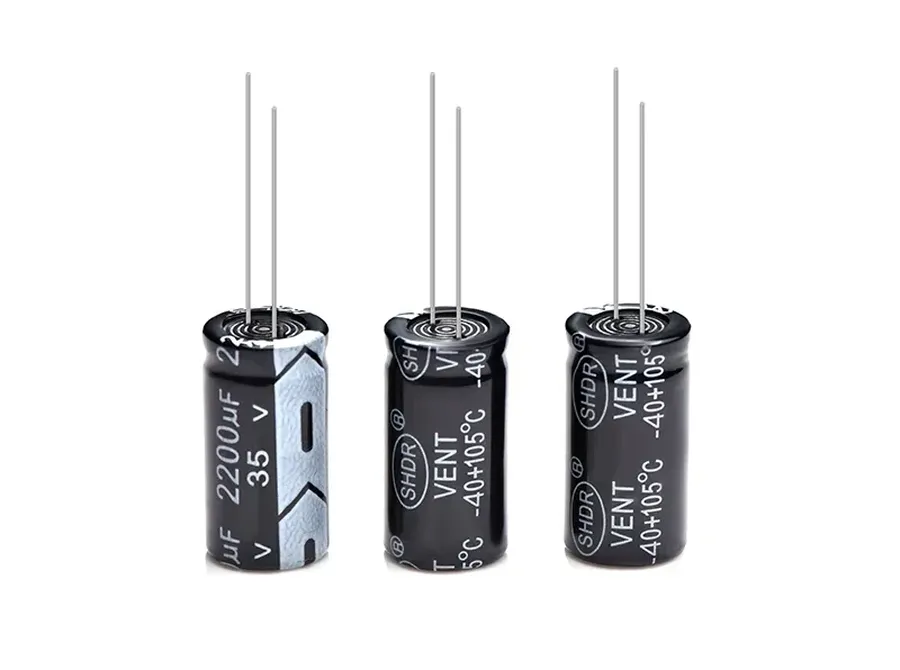
Electric condensers, often referred to as capacitors, are fundamental components in a vast array of modern electronic devices, quietly enabling the functionality we often take for granted. These devices, though small, perform crucial functions in nearly every electronic system, from portable devices to large-scale industrial equipment.
Accurate interpretation of circuit diagrams necessitates familiarity with the standard symbols used to represent electric condensers (capacitors). These symbols provide a universal language for engineers and technicians to understand circuit designs without ambiguity, facilitating effective communication and collaboration in electrical and electronic engineering.
| Symbol | Description | Application |
|---|---|---|
| Two parallel straight lines | Basic non-polarized capacitor | General filtering, coupling, and energy storage in a wide range of electronic circuits. |
| One straight line and one curved line with a '+' sign | Polarized capacitor (typically electrolytic) | Power supply filtering and energy storage applications, primarily in DC circuits where polarity must be respected. |
| Two parallel lines crossed with an arrow | Variable capacitor | Tuning circuits (e.g., radios), where capacitance needs to be adjusted. |
This section addresses common questions regarding electric condensers, often referred to as capacitors, their operational characteristics, and their diverse applications across various industries. Understanding these frequently asked questions is crucial for both novice and experienced professionals working with electronic circuits and systems.
The electric condenser, whether we call it a capacitor or another form, is a cornerstone of modern technology. Understanding its basic principles, types, and applications highlights its role in our daily lives. From the smallest circuit boards to the largest power grids, electric condensers facilitate the smooth and efficient operation of countless devices, driving innovation and development. Continuing to learn about and advance this technology is key to shaping our future.

