In the world of electronics, the humble 547 transistor, often in the form of the BC547, is a cornerstone component. Like the neurons in our brains, this tiny device enables countless electronic functions, from simple switches to complex amplification circuits. This article delves into the intricacies of the BC547, exploring its functionality, applications, and why it’s a favorite among engineers and hobbyists alike.
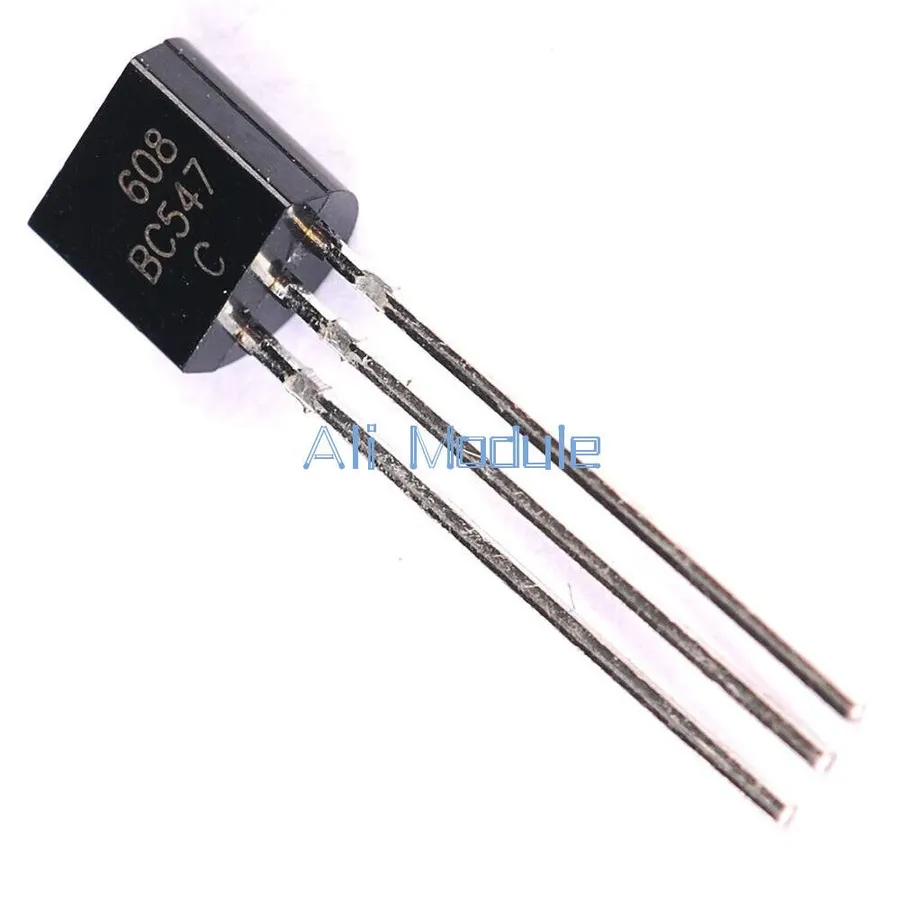
The BC547 is a fundamental NPN Bipolar Junction Transistor (BJT) widely used in electronics for switching and amplification. It is a three-terminal semiconductor device that controls current flow between the collector and emitter, using a small current at the base. This makes it a versatile building block for countless circuits.
Understanding the fundamental behavior of the BC547 requires recognition of its three terminals, the Emitter (E), the Collector (C), and the Base (B). The transistor is activated when a small current flows from the base to the emitter, which, in turn, enables a larger current to flow between the collector and the emitter. This principle forms the bedrock for the transistor's operational capabilities.
The NPN configuration of the BC547 signifies its specific current flow characteristics. In this configuration, current flows from the collector to the emitter when a sufficient positive voltage is applied to the base terminal with respect to the emitter terminal. This characteristic is key to understanding the transistor’s role in a circuit. The ability to control larger currents with a small base current is what defines the BC547's functionality as a current amplifier or an electronic switch.
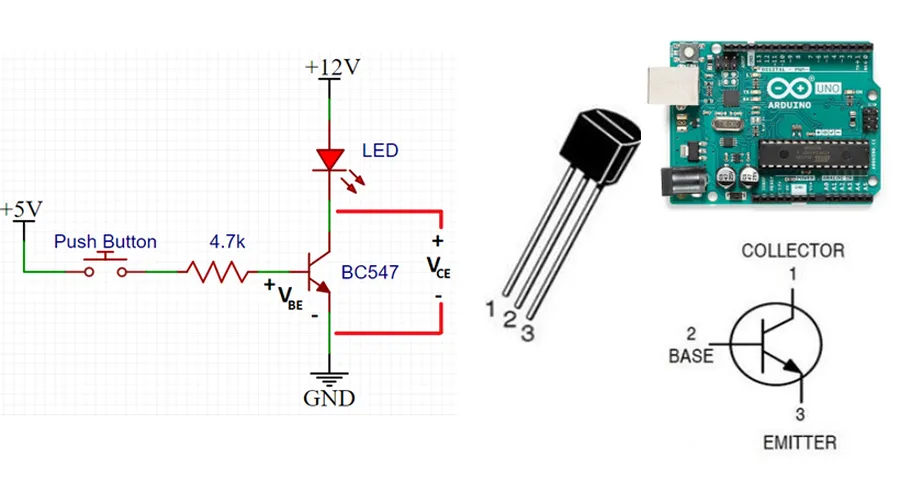
The BC547 transistor, a ubiquitous NPN bipolar junction transistor (BJT), features three terminals: the base (B), collector (C), and emitter (E). Understanding the pin configuration is crucial for proper circuit design and operation. Incorrectly connecting these pins can lead to circuit malfunction or damage.
The BC547 transistor is typically housed in a TO-92 package, and its pinout, when viewed from the front (flat side), is arranged as follows, from left to right:
It's important to note that the pinout may differ in other transistor packages. Always refer to the datasheet for the specific package used.
The BC547, a ubiquitous NPN bipolar junction transistor (BJT), is characterized by several key electrical parameters that dictate its behavior in electronic circuits. Understanding these parameters is crucial for effective circuit design and implementation. The primary characteristics include collector-emitter voltage, collector current, DC current gain (hFE), and power dissipation, each playing a vital role in the transistor's functionality.
| Parameter | Symbol | Typical Value | Unit | Description |
|---|---|---|---|---|
| Collector-Emitter Voltage | VCEO | 45 | V | Maximum voltage that can be applied between the collector and emitter without damaging or causing the transistor to breakdown. |
| Collector Current | IC | 100 | mA | The maximum current that can flow through the collector terminal without damaging the transistor. |
| DC Current Gain | hFE | 110-800 | The ratio of collector current to base current, indicating the transistor's amplification capability. This is a range, the exact value varies between individual transistors. | |
| Power Dissipation | PD | 0.625 | W | The maximum power the transistor can dissipate as heat without being damaged. It's crucial to ensure that this value is not exceeded. |
| Transition Frequency | fT | 300 | MHz | The frequency at which the transistor gain drops to one. It gives an indication of the high frequency performance of the transistor. |
The DC current gain (hFE), often referred to as beta (β), is a critical parameter for understanding the amplification capability of the BC547. The hFE for a BC547 transistor typically ranges from 110 to 800. The wide variation in hFE underscores the importance of considering the gain range when designing circuits, especially those requiring precise amplification, and may require testing multiple parts to get the desired gain.
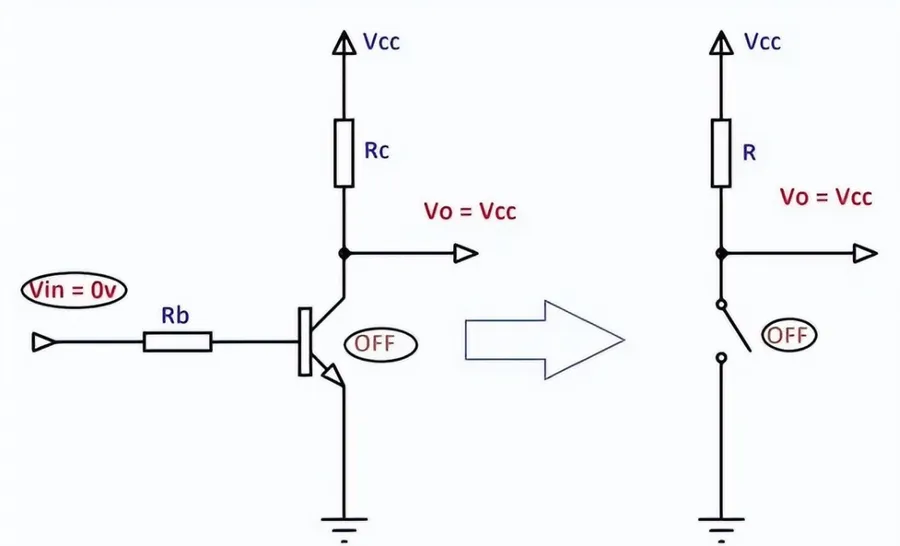
The BC547 transistor, when employed as a switch, operates by transitioning between two states: a conductive state (ON) and a non-conductive state (OFF). This functionality is achieved by manipulating the current flow between the collector and emitter terminals via the base terminal. This switching behavior forms the cornerstone for a multitude of electronic control applications.
The following illustrates the principles of using a BC547 as a switch:
Practical applications leveraging the BC547's switching capabilities include:
The versatility of the BC547 in switching applications stems from its ability to operate with low base currents to switch larger currents in the collector circuit. This current amplification characteristic is crucial for effective switching applications. Furthermore, the BC547 can be used in high-frequency switching circuits but has limitations regarding power handling.
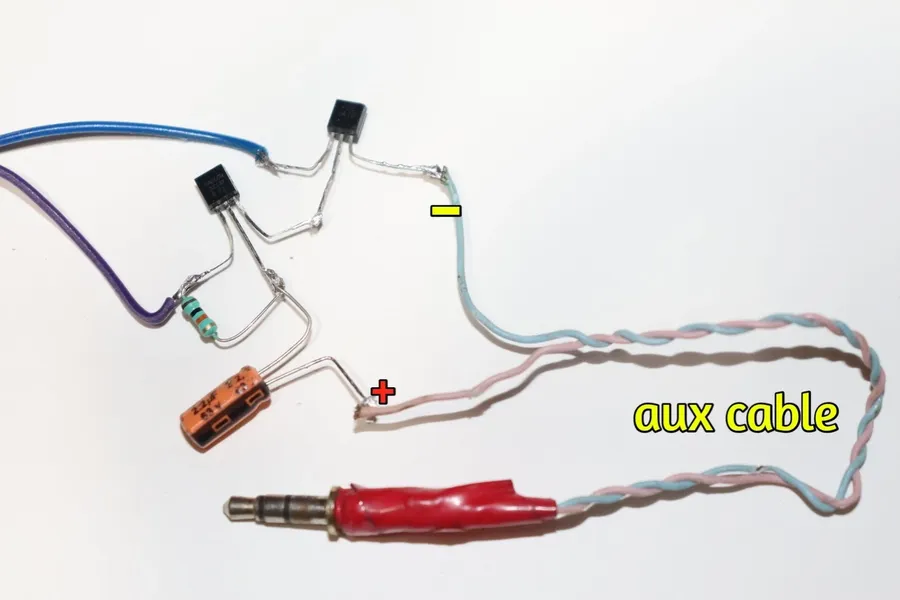
The BC547 transistor, beyond its switching capabilities, serves as a fundamental building block in amplifier circuits, leveraging its ability to control a larger current flow with a smaller input current at the base. As a current amplifier, it excels in applications requiring signal amplification, where it increases the magnitude of a weak electrical signal.
When configured as an amplifier, the BC547 is typically used in a common-emitter configuration, where the input signal is applied to the base, the output is taken from the collector, and the emitter is connected to ground or a fixed voltage. This configuration provides a high current gain, making it suitable for amplifying both audio and general-purpose signals. The relationship between the base current (Ib) and the collector current (Ic) is governed by the transistor's current gain (hFE), also known as β (beta), which indicates how much larger the collector current is compared to the base current. For the BC547, typical hFE values range from 110 to 800, depending on the specific variant (e.g., BC547A, BC547B, BC547C) and operating conditions.
To bias a BC547 transistor for amplifier applications, resistor networks are employed to set up the correct operating point. A base biasing network is used to determine the base current and, consequently, the collector current, thus ensuring the transistor operates in the active region (linear region) where amplification occurs with minimum distortion. The selection of biasing resistors is a crucial part of circuit design to achieve stable operation and desired amplification characteristics.
Practical examples of using the BC547 in audio amplifier circuits can be found in single-stage pre-amplifiers or simple microphone amplifiers. These configurations, often employed in basic audio amplification circuits, boost the relatively small output signals from microphones to levels suitable for further processing or speaker output. The amplification factor can be further refined by altering the biasing resistors, and cascading multiple BC547 stages to further increase gain.
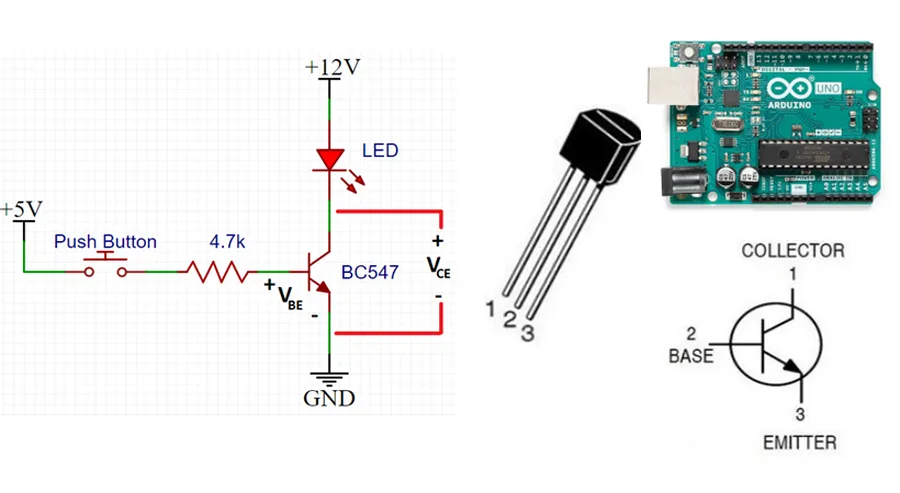
The BC547 transistor, a versatile NPN bipolar junction transistor, finds widespread use in diverse electronic applications owing to its reliable performance and cost-effectiveness. Its ability to function both as a switch and an amplifier makes it a staple component in many circuits.
The following examples illustrates its diverse applications, highlighting its role in various electronic systems.
The BC547 is a versatile NPN BJT, but it's essential to understand how it compares to other common transistors. This section provides a detailed comparison, highlighting key differences to aid in informed component selection.
| Parameter | BC547 | 2N2222 | BC548 | BC549 |
|---|---|---|---|---|
| Transistor Type | NPN BJT | NPN BJT | NPN BJT | NPN BJT |
| Collector-Emitter Voltage (VCEO) | 45V | 40V | 30V | 30V |
| Collector Current (IC) | 100mA | 800mA | 100mA | 100mA |
| Power Dissipation (P_D) | 500mW | 625mW | 500mW | 500mW |
| DC Current Gain (hFE) Min | 110 (BC547A), 200 (BC547B), 420 (BC547C) | 35 | 110 (BC548A), 200 (BC548B), 420 (BC548C) | 200 (BC549B), 420 (BC549C) |
| Transition Frequency (fT) | 300 MHz | 300 MHz | 300 MHz | 300 MHz |
| Typical Application | General Purpose Amplification and Switching | Medium Power Amplification and Switching | General Purpose Amplification and Switching | Low Noise Amplification |
| Noise Figure | N/A | N/A | N/A | Lower than BC547 and BC548 |
When choosing between these transistors consider these points. The 2N2222 is suitable for applications requiring higher current handling capabilities compared to the BC547, but has a lower gain. The BC548 is very similar to the BC547, offering comparable performance, the BC549 offers low noise characteristics and is ideal for sensitive audio signal amplifiers.
This section addresses common inquiries regarding the BC547 transistor, clarifying its usage in various applications, exploring equivalent alternatives, and understanding its popularity.
Successfully integrating a BC547 transistor into a circuit requires careful consideration of several factors to ensure optimal performance and longevity. These tips focus on practical aspects such as selecting appropriate resistor values, managing power dissipation, and implementing circuit best practices.
The BC547 transistor, a workhorse in electronics, serves as a crucial building block for many circuits. From switching lights to amplifying delicate signals, this NPN BJT demonstrates versatility and reliability. Understanding its fundamental principles and applications empowers engineers and hobbyists alike. As we continue to push the boundaries of technology, the 547 transistor, particularly the BC547, will continue to play an essential role in the landscape of electronic innovation, reminding us that even small components can have significant impact.

