From vintage radios to powerful amplifiers, capacitors play a crucial role in electronic circuits. Among these, Mallory capacitors stand out for their historical significance and continued use in various applications. This article will delve into the world of Mallory capacitors, examining their legacy, diverse applications, and how they continue to impact modern electronics. Imagine the tiny, yet impactful, role these components play - much like the unsung heroes of the electronic world.
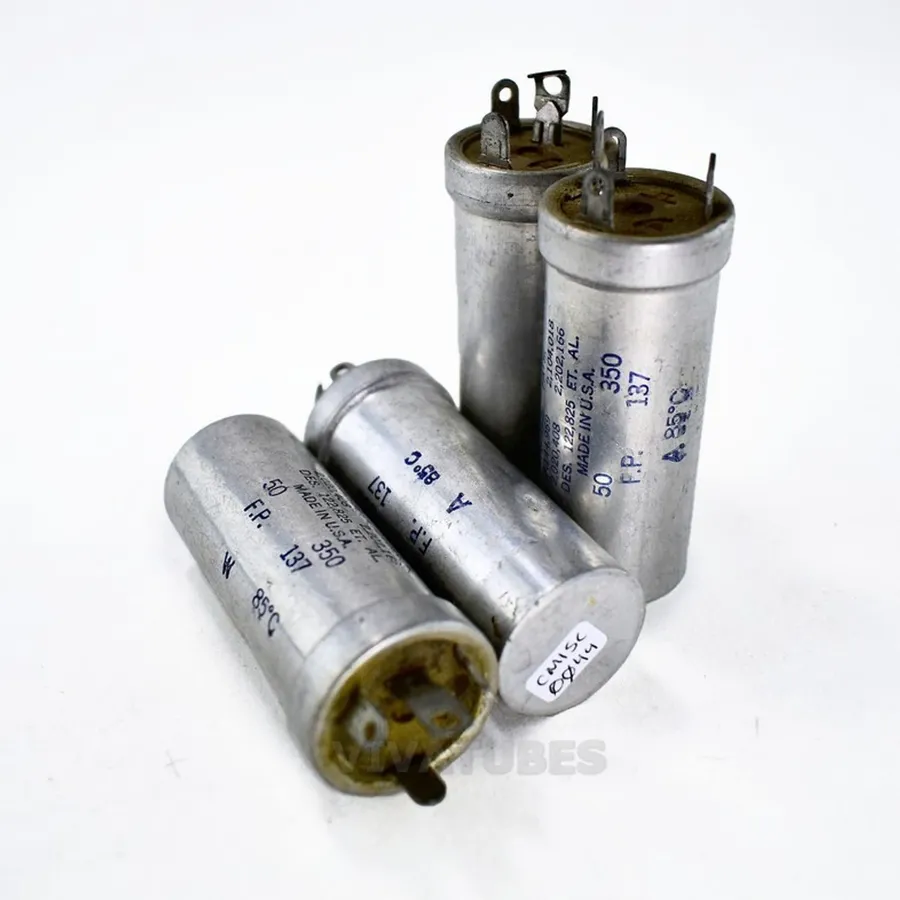
Mallory Capacitors, a name synonymous with quality in electronic components, boasts a rich history from its inception as a pioneering force to its present-day standing under the Cornell Dubilier (CDE) brand. The company's legacy is built on decades of innovation and dedication to providing reliable capacitor solutions for various industries.
Founded in the early 20th century, Mallory quickly established itself as a leader in the development and manufacturing of capacitors, serving both commercial and military applications. Their products became known for their robust performance and longevity, securing them a place as a trusted component in a wide array of electronic systems.
Today, although the brand is part of CDE, the spirit of Mallory's engineering excellence persists. The capacitors bearing the Mallory name continue to be sought after, particularly in vintage audio restoration and high-end electronic applications where the quality and performance of these legacy components are highly valued.
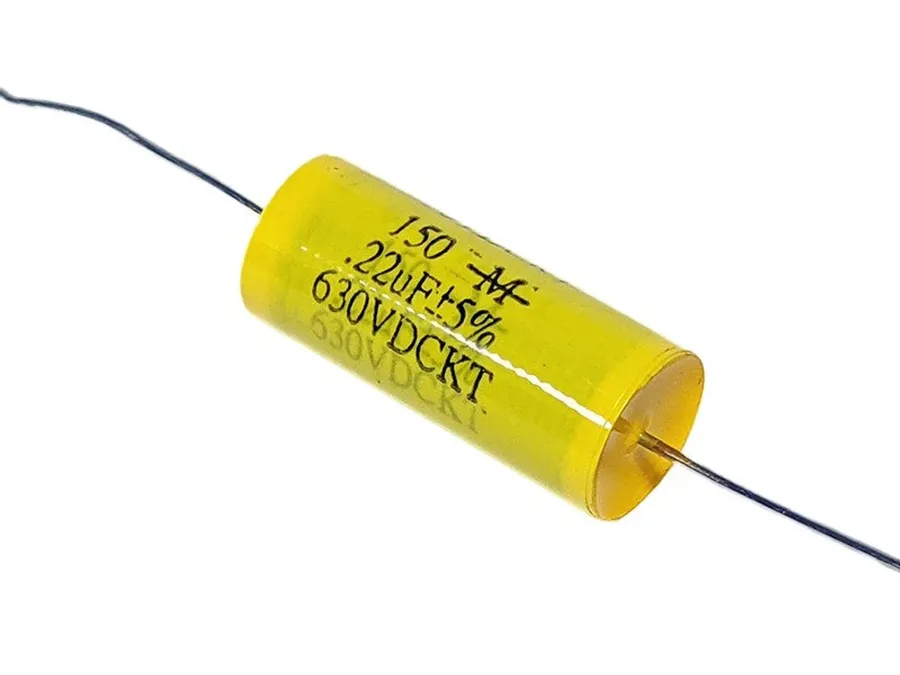
Mallory, now a brand under Cornell Dubilier (CDE), produced a diverse range of capacitors, each designed for specific applications. Understanding their construction, specifications, and intended use is crucial for selecting the right component, particularly when dealing with legacy equipment or specific audio applications. Key specifications include the capacitor's construction material, capacitance, voltage rating, tolerance, and operating temperature range.
One of the most well-known Mallory capacitor series is the 150 series, commonly found in audio circuits. These are typically constructed with metallized polyester film and are known for their stability and good performance in audio frequencies. However, it's important to consider variations in other series as well.
| Feature | Mallory 150 Series | Other Mallory Series (Examples) |
|---|---|---|
| Construction | Metallized Polyester Film | Electrolytic, Tantalum, Ceramic etc. |
| Capacitance Range | Typically 0.001µF to 10µF | Varies widely from pF to mF |
| Voltage Ratings | Typically 100V to 630V DC | Ranges from a few volts to kilovolts |
| Tolerance | Usually ±5%, ±10% or ±20% | ±1% to ±20% depending on type |
| Operating Temperature | Typically -55°C to +85°C | Ranges from -55°C to +125°C or more |
| Applications | Audio, coupling, filtering | Motor start, power supply filtering, high frequency |
Besides the 150 series, other Mallory capacitor types include various electrolytic capacitors used in power supply filtering, tantalum capacitors known for their stability in low voltage DC applications, and ceramic capacitors, though less commonly associated with Mallory's brand image. Each type has its own set of specifications that must be considered to achieve the desired electrical characteristics.
For example, electrolytic capacitors offer high capacitance values in a small physical size, but generally come with higher tolerance ranges and limited temperature range, and have a defined polarity, unlike the non-polarized polyester capacitors. Tantalum capacitors are known for high reliability and stable performance with small footprint but are sensitive to voltage spikes. Ceramic capacitors, usually MLCCs, are suitable for high frequency applications but have limited capacitance values. Therefore, when selecting Mallory capacitors, one must consider the specific series and material to match application needs.
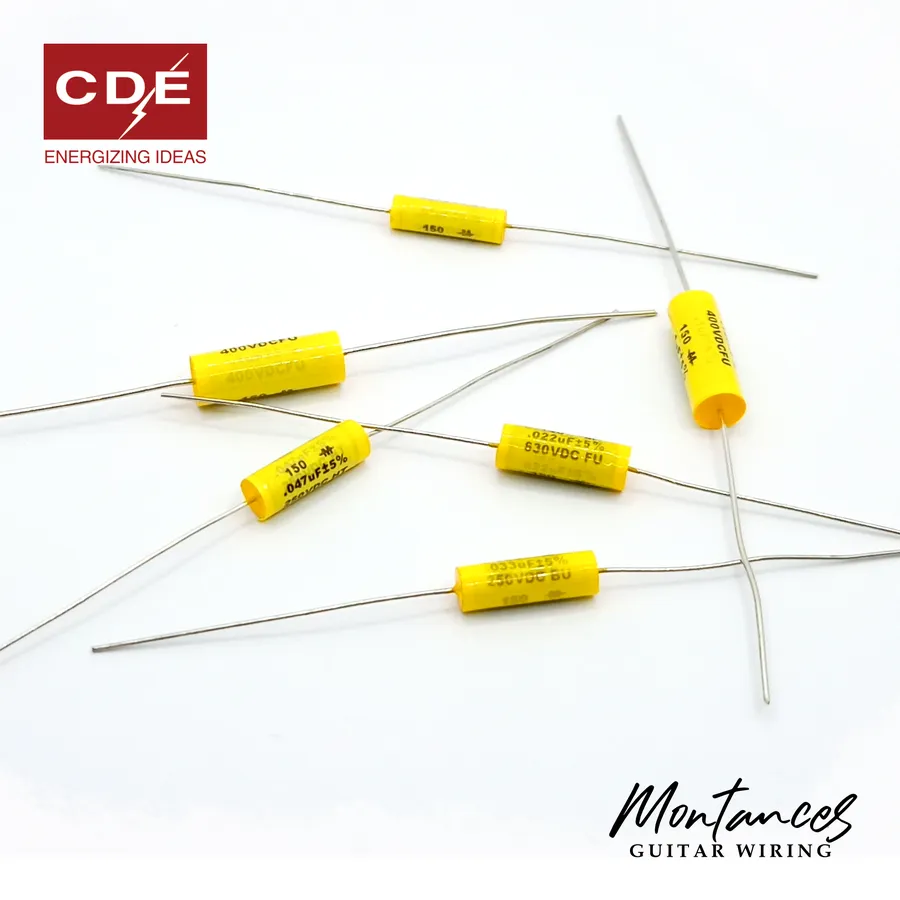
Mallory capacitors have gained considerable popularity among guitar and bass enthusiasts, particularly in the realm of vintage instrument restoration and custom builds. Their reputation for delivering a distinct tonal quality makes them a sought-after component for shaping audio signals in these instruments.
The application of Mallory capacitors extends beyond mere circuit function. They are valued for their perceived sonic characteristics which can impart a particular warmth, clarity, or responsiveness to the audio signal, often preferred by musicians and technicians alike who are seeking the classic tone of vintage instruments.
The selection of a Mallory capacitor for guitar or bass electronics is a deliberate choice that often stems from a deep understanding of how components affect tonal output. Many musicians are seeking to recreate the sounds of classic instruments and the use of components like Mallory capacitors is essential for that goal.
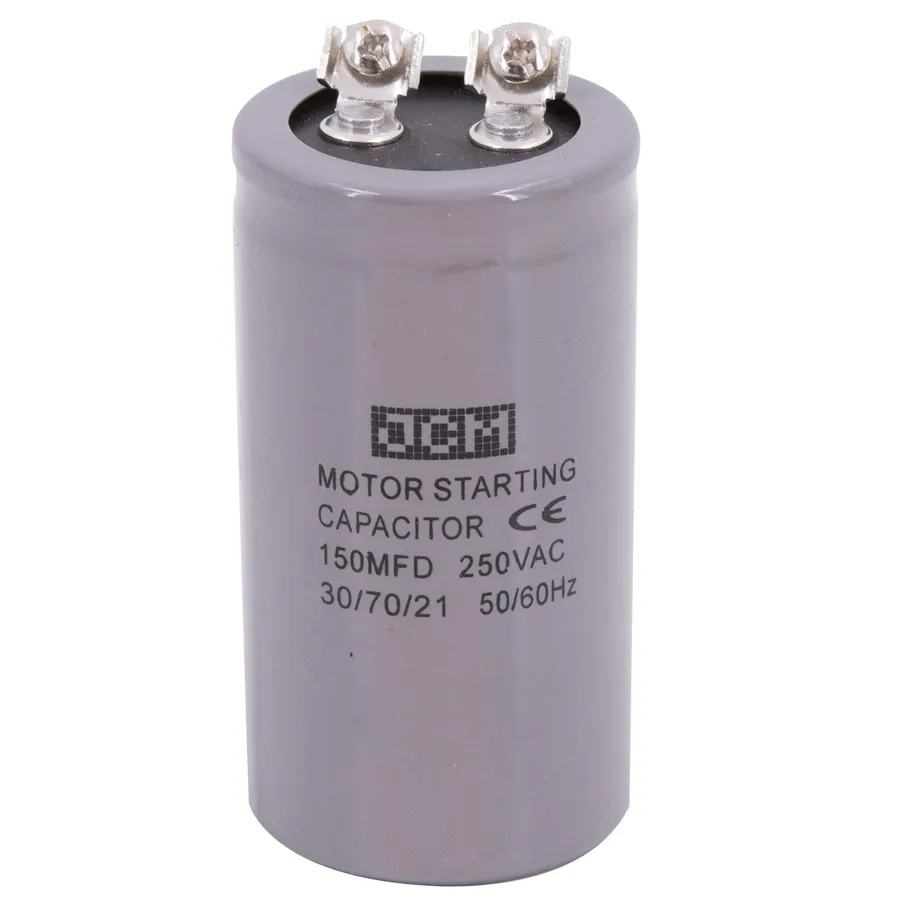
Mallory capacitors, particularly those designed for motor start applications, play a crucial role in providing the necessary surge of electrical energy to initiate the rotation of a motor. These capacitors are essential for applications such as HVAC systems, appliances, and industrial machinery. Their robust construction and specific electrical characteristics make them suitable for the demanding conditions encountered in motor starting circuits.
Motor start capacitors typically use non-polar designs, often employing electrolytic or film technologies, and are characterized by their ability to handle high peak currents during the brief motor start-up phase, after which the capacitor is typically disconnected from the circuit. In this capacity, Mallory capacitors are rated for specific voltage and capacitance values and their designs focus on reliability for this essential function in motor systems.
| Parameter | Typical Value Range for Mallory Motor Start Capacitors | Significance |
|---|---|---|
| Capacitance | 20 µF - 500 µF | Determines the energy storage capacity for motor start. |
| Voltage Rating | 110 VAC - 440 VAC | Indicates the maximum operating voltage, chosen to match the mains power supply. |
| Operating Temperature | -25°C to +85°C | Specifies the capacitor's performance range under various temperature conditions. |
| Type | Electrolytic or Film | Different materials have distinct trade-offs in cost and performance, the choice depends on the application. |
It's critical to select a Mallory capacitor with the appropriate capacitance and voltage ratings, and specifications for motor start applications to ensure reliable motor start-up and long-term operation. Incorrect selection can lead to motor start failures or capacitor damage.
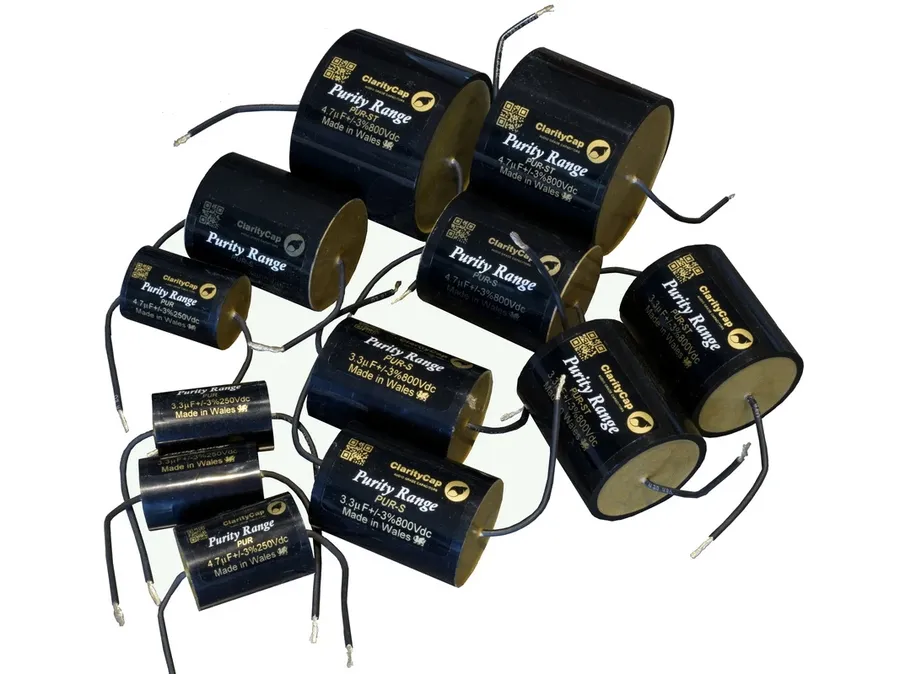
Finding suitable replacements for Mallory capacitors, particularly older or discontinued series, often requires careful cross-referencing and consideration of compatibility. This section provides guidance on navigating this process, ensuring reliable performance in your applications. While Mallory is now part of Cornell Dubilier (CDE), understanding the specifications of their legacy products is crucial when seeking replacements.
When cross-referencing, key parameters are capacitance, voltage rating, tolerance, physical size, and operating temperature range. Ensure these parameters of the replacement match or exceed those of the original Mallory capacitor.
| Mallory Series (Example) | Typical Application | Potential Replacements | Considerations |
|---|---|---|---|
| Mallory 150 Series | Audio Coupling, Filtering | Cornell Dubilier DME Series, Vishay MKT Series | Check for equivalent capacitance, voltage, and lead spacing. Ensure the new component's temperature range is suitable. |
| Mallory PVC Series | Motor Start | Cornell Dubilier Type MLS, Aerovox Z20 | Motor start capacitors are application-specific, ensure both capacitance and voltage ratings match. Physical size may also be a constraint. |
| Mallory FP Series | Power Supply Filtering | Modern electrolytic capacitors from Nichicon or Panasonic | Equivalent capacitance, voltage, ESR (Equivalent Series Resistance) and ripple current should be carefully considered. Physical size and lead style will likely differ. |
It's important to note that while exact replacements for some older Mallory series may not be readily available, modern capacitors from other manufacturers often offer improved performance and reliability. When selecting an alternative, carefully review datasheets to confirm all specifications meet or exceed your requirements.
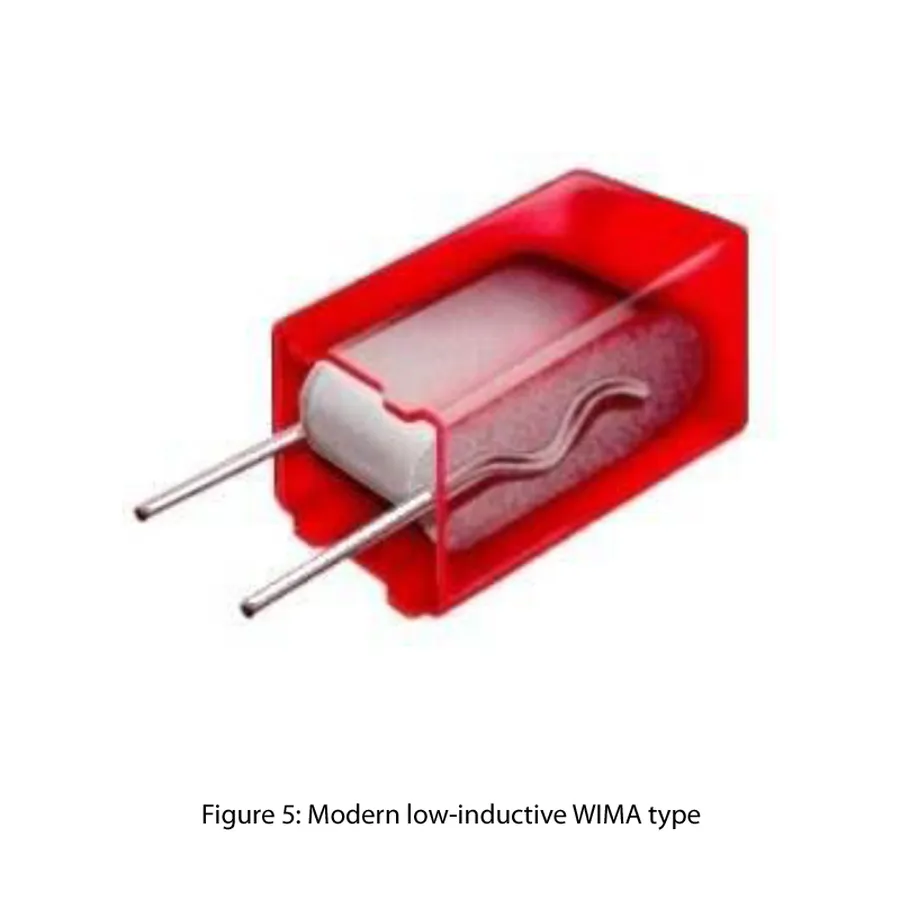
Mallory capacitors, while historically significant, face competition from modern capacitor technologies, each possessing distinct characteristics that suit different applications. This section contrasts Mallory's film capacitors with modern alternatives like ceramic capacitors (MLCC) and other film capacitor types, emphasizing their respective advantages and limitations.
| Feature | Mallory Capacitors (Film) | Ceramic Capacitors (MLCC) | Modern Film Capacitors |
|---|---|---|---|
| Construction | Metallized polyester or polypropylene film | Ceramic dielectric material | Various film materials (e.g., polyester, polypropylene) |
| Tolerance | Typically 5% - 10% | Can be as low as 0.5% to 20% depending on type | Typically 1% - 5% or better |
| Temperature Stability | Good, but can vary | Can vary significantly based on type | Excellent stability with some types |
| Voltage Rating | Wide range, up to several kV | Lower voltage ratings common | Wide range, including high voltage |
| Frequency Response | Good for audio and general-purpose use | Excellent for high-frequency applications | Good for audio and general-purpose use but may vary |
| ESR (Equivalent Series Resistance) | Generally low, good for filtering | Can be very low, but can increase with temperature/frequency | Low, depending on type |
| Size | Larger size | Very small sizes possible | Can vary based on voltage/capacitance |
| Cost | Moderate cost | Generally low cost | Moderate to high |
| Applications | Audio, general-purpose filtering, power supplies | High-frequency circuits, decoupling, bypass | High-performance audio, power, high-frequency where stable |
| Advantages | Good stability, durability | Small size, low cost, excellent high-frequency performance | High performance, stability and long life |
| Disadvantages | Larger size, limited in very high frequency | Can be less stable over temperature and voltage, possible piezoelectric effect | Larger size compared to MLCCs |
This section addresses common inquiries regarding Mallory capacitors, providing clear, concise answers based on engineering principles and industry practices. These FAQs cover key aspects, including manufacturer information, their suitability for AC circuits, the meaning of MFD, and failure considerations.
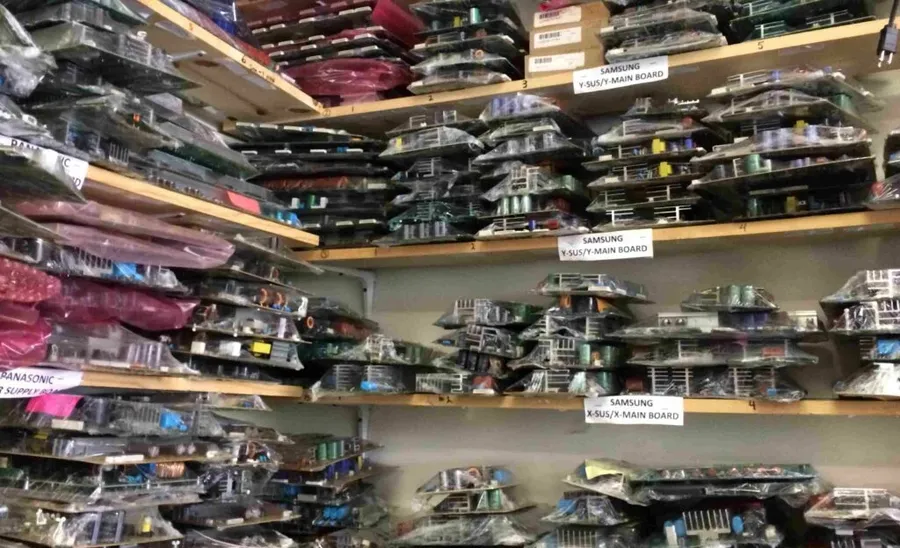
Locating genuine Mallory capacitors, a brand now under the Cornell Dubilier (CDE) umbrella, requires navigating both authorized distribution channels and reputable online retailers. Given their legacy status, it's crucial to verify authenticity and ensure the components meet the required specifications.
Mallory capacitors, with their rich history and diverse applications, continue to hold a significant place in the world of electronics. Understanding their characteristics, from metallized polyester film construction to specific motor start requirements, allows enthusiasts and professionals alike to make informed decisions. While modern alternatives exist, the legacy of Mallory remains, serving as a testament to the enduring impact of these essential electronic components, much like the foundational role of each individual mallory capacitor in electronic design. Whether restoring vintage equipment or designing new circuits, knowledge of Mallory capacitors ensures your projects benefit from a blend of time-tested reliability and quality.