In our daily lives, from the hum of our air conditioners to the spin of our washing machines, a small but vital component plays a pivotal role – the capacitor. Specifically, the C65R capacitor, a workhorse in many motor-driven appliances, ensures smooth and efficient operation. This guide will delve into the specifics of the C65R, exploring its function, selection, troubleshooting, and replacement to help you keep your appliances running flawlessly.
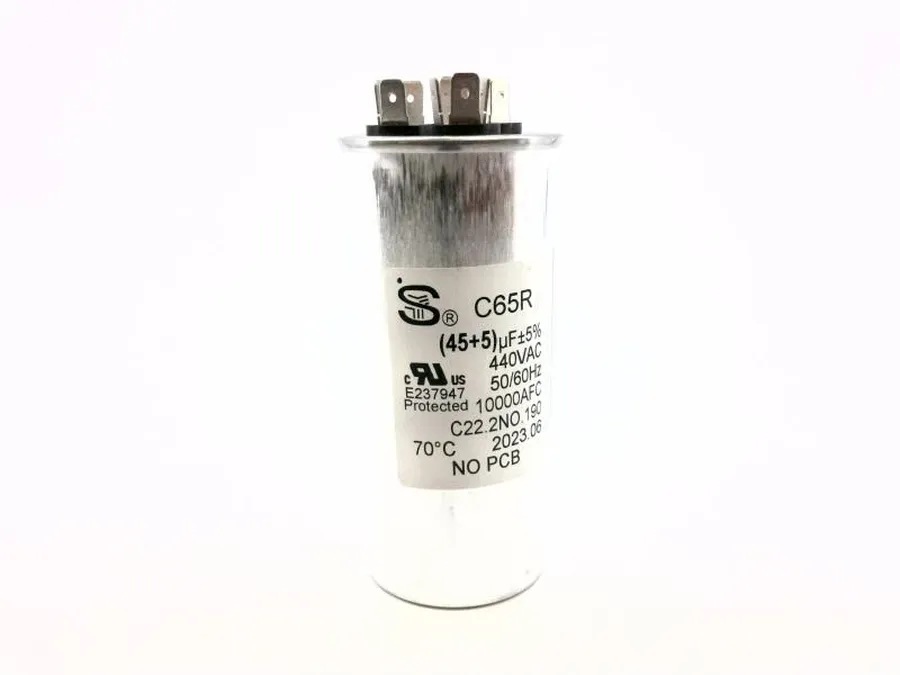
The C65R capacitor is a crucial component in single-phase AC motors, acting as a temporary energy storage device. It provides the necessary electrical boost to initiate motor rotation and maintain smooth, efficient operation. This is particularly vital in applications with frequent start-stop cycles, such as HVAC systems, air conditioners, washing machines, and other appliances where motors need a reliable starting torque to overcome inertia.
At its core, the C65R is a run capacitor, which means that it is in circuit and aiding the motor during normal operation, and not only during the start up. By storing energy, the capacitor shifts the phase of the current going to the start winding of the motor, creating a rotating magnetic field that makes the motor turn. Without this phase shift, single-phase AC motors cannot start on their own.
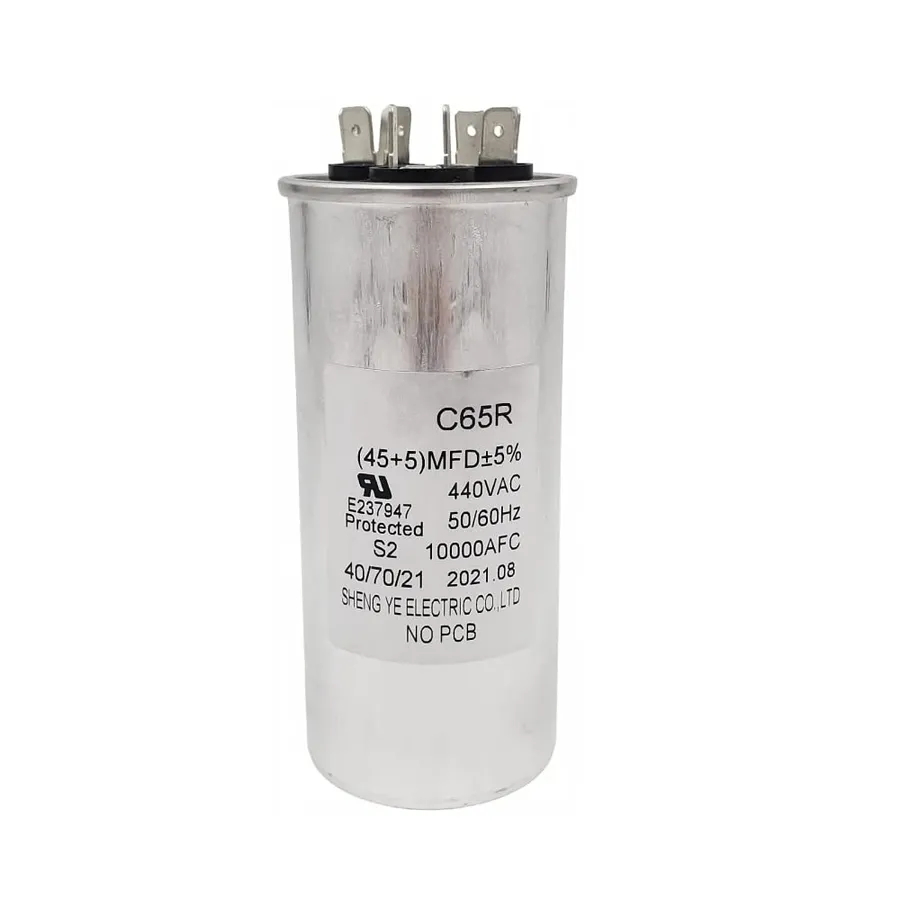
Understanding the specifications of a C65R capacitor is crucial for proper selection and function within AC motor systems. These specifications directly dictate the capacitor's performance, reliability, and compatibility with specific applications. Ignoring these parameters can lead to poor motor performance, damage, or even system failure. The key parameters include capacitance, voltage rating, frequency, and physical dimensions.
| Specification | Description | Typical Values | Impact on System |
|---|---|---|---|
| Capacitance | The amount of electrical charge the capacitor can store, measured in microfarads (μF). | Varies widely; e.g., 5μF, 10μF, 20μF, up to 80μF or more. Values such as 35+5 are also common in dual run capacitor designs. | Determines motor starting torque and running efficiency. Incorrect capacitance can prevent motor start or cause overheating. |
| Voltage Rating | The maximum voltage the capacitor can safely withstand, measured in volts AC (VAC). | Common ratings include 370VAC and 440VAC, and 250VAC. | Must be equal to or greater than the voltage of the electrical circuit. Using a lower rated capacitor can lead to failure. |
| Frequency | The frequency of the alternating current the capacitor is designed to operate with, measured in Hertz (Hz). | Typically 50/60Hz. | Essential for proper AC motor operation. Most capacitors are rated for both 50Hz and 60Hz use. |
| Physical Dimensions | The physical size and shape of the capacitor, measured in diameter and height. | Varies depending on capacitance and voltage ratings. Cylindrical shapes are common. | Ensures the capacitor fits properly in the existing space within the application. Affects mounting and installation. |
| Terminal Type | The design and number of terminals for electrical connections. | Common terminals include 1/4 inch male spade, or threaded studs. | Affects ease of installation and compatibility with existing wiring. Correct terminals must be selected to prevent incorrect connections. |
It's crucial to note that slight deviations in capacitance are sometimes acceptable, typically within a tolerance range specified by the manufacturer, often around ±5% or ±10%. However, the voltage rating should never be lower than the specified voltage rating for the equipment. Always consult the equipment's specifications or the original capacitor's label for the correct values.
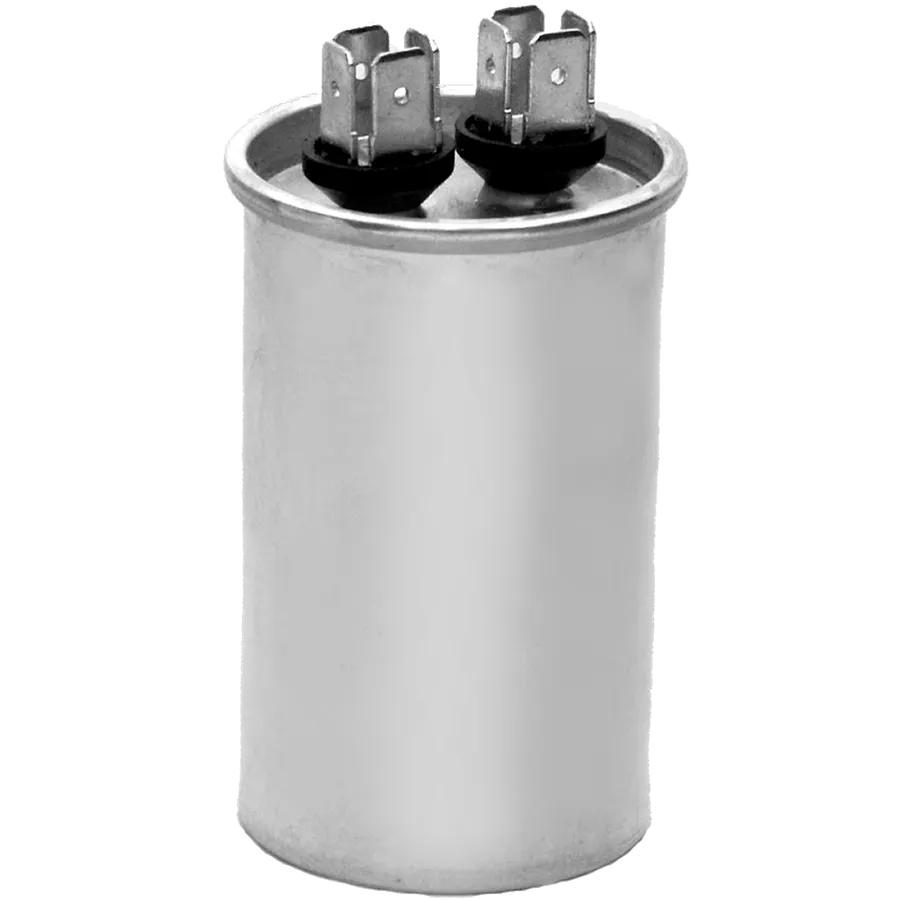
C65R capacitors are primarily categorized into two types: single run and dual run capacitors. The distinction lies in their application within motor systems. Single run capacitors are designed for single-speed motors, while dual run capacitors support motors with multiple speeds, offering greater flexibility in system design. Understanding these differences is crucial for selecting the correct capacitor for optimal performance and longevity.
| Feature | Single Run Capacitor | Dual Run Capacitor |
|---|---|---|
| Motor Type | Single-speed motors | Multiple-speed motors |
| Number of Capacitance Values | One | Two |
| Common Use | Basic appliances, single speed HVAC fans | Advanced AC units, heat pumps |
| Terminals | Typically two | Typically three or more |
| Function | Provides a start or run boost to the motor | Provides capacitance for both the compressor and fan motor |
The key difference is that a dual run capacitor contains two capacitors in one physical package, whereas a single run only contains one. This allows a dual run capacitor to provide the needed capacitance to two separate motor windings. For instance, the fan motor and the compressor motor within an AC unit. Each capacitor within a dual run will have its own microfarad (uF) and voltage rating, while a single run will only have one value for both.
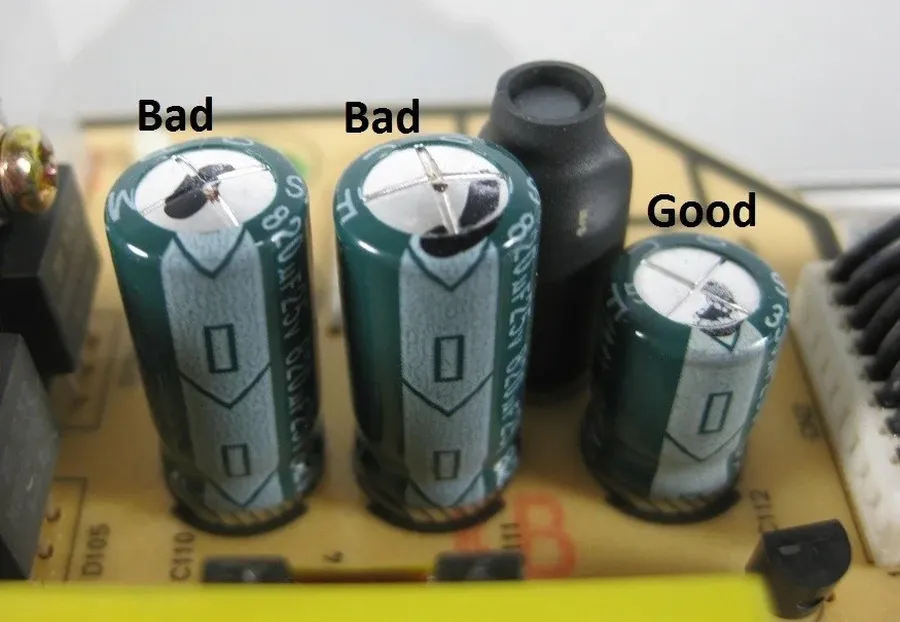
A failing C65R capacitor can manifest in several ways, often indicated by issues with the connected motor. Early detection of these symptoms can prevent more severe damage and costly repairs. Recognizing these signs, understanding common failure causes, and knowing how to test the capacitor are crucial for maintaining equipment.
Common causes of C65R capacitor failure include:
Testing a C65R capacitor with a multimeter can confirm if it is within its specified range. Here's how to perform a basic test:
A capacitor that shows signs of physical damage or significantly deviates from its rated capacitance value is a strong candidate for replacement. Proper diagnosis is crucial before proceeding with any replacement work to ensure that the component is indeed faulty.
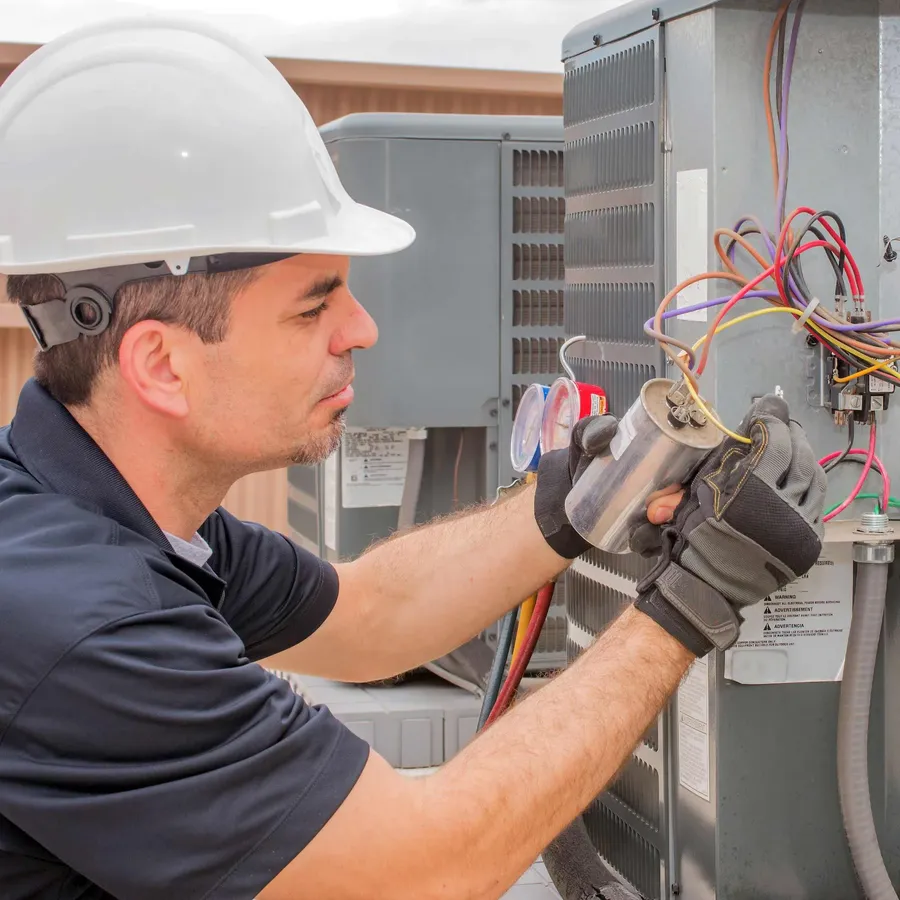
Replacing a C65R capacitor, while straightforward, requires careful adherence to safety protocols to prevent electrical shock. This step-by-step guide provides a comprehensive approach to safely and effectively complete the replacement process, ensuring correct installation and optimal operation of your equipment. Prior to starting, always ensure power to the equipment is fully disconnected.
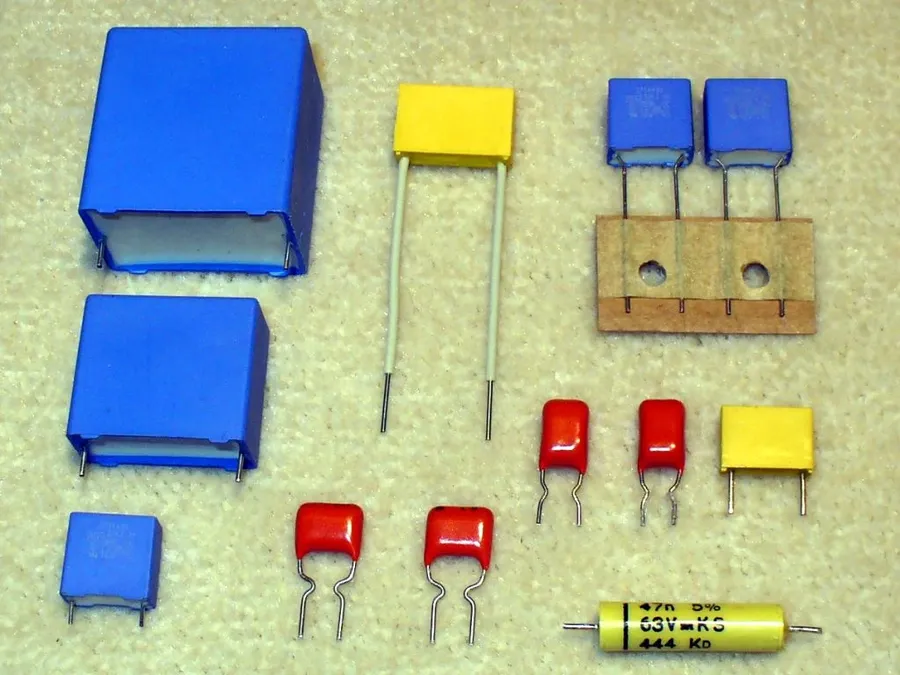
Choosing the correct replacement C65R capacitor is crucial for ensuring the reliable operation and longevity of your motor-driven appliances. Selecting a capacitor with specifications that do not match the original can lead to suboptimal performance, potential damage to the motor, and even premature failure. Therefore, a careful approach is essential.
The primary factors to consider when selecting a replacement are capacitance, voltage rating, and physical size. These parameters must match the original capacitor as closely as possible. Variations in these parameters can lead to severe issues.
| Parameter | Importance | Consequence of Incorrect Selection |
|---|---|---|
| Capacitance (µF) | Determines the amount of charge the capacitor can store, directly affecting motor starting and running torque. | Reduced motor torque, failure to start, overheating, and premature wear. |
| Voltage Rating (VAC) | Specifies the maximum voltage the capacitor can safely handle. | Capacitor failure, potentially explosive rupture, damage to connected components. |
| Frequency (Hz) | Frequency at which the capacitor is designed to operate effectively. | Inefficient operation, potential overheating, and reduced lifespan. |
| Physical Dimensions | Ensures the replacement capacitor will fit in the designated space and connect properly. | Installation difficulties, potential for physical damage, insecure mounting. |
| Terminal Type | Ensures the new capacitor can connect properly. | Installation difficulties, insecure mounting and unreliable connections. |
It is always best to use the exact specification when replacing a capacitor, and to verify this by carefully reading the information printed on the capacitor case. If an exact match is unavailable, a capacitor with a slightly higher voltage rating can be used, but never a lower rating, while the capacitance should be the same as the original. It is also very important to use a capacitor with the correct AC rating, a DC rated capacitor is not suitable and may fail catastrophically. Always refer to the original manufacturer's specifications and be cautious when sourcing parts from unverified sources.
Several resources are available to help you find compatible C65R capacitors. Online retailers, local electrical supply stores, and appliance part suppliers are common avenues for capacitor procurement. When purchasing, check product descriptions to verify they match your required specifications. Always ensure you purchase capacitors from reputable sellers to avoid the use of counterfeit parts.
Successfully replacing a C65R capacitor requires careful attention to compatibility, particularly when dealing with older or less common models. Cross-referencing using model numbers and industry standards is crucial for ensuring a proper and safe replacement. This section guides you through navigating these complexities.
Capacitor model numbers are often the most reliable way to identify a compatible replacement. However, these numbers can sometimes be cryptic or vary across manufacturers. Industry standards like those from organizations such as the Electronic Industries Alliance (EIA) or the International Electrotechnical Commission (IEC), while not always directly cross-referenced on the component, do specify rating requirements that assist in determining a compatible substitute. Utilizing these standards often assists in determining the critical requirements of the component.
| Cross-Referencing Factor | Description | Importance |
|---|---|---|
| Capacitance (µF) | The electrical charge storage capacity, measured in microfarads. | **Critical**: Must match the original for proper motor operation. |
| Voltage Rating (VAC) | Maximum alternating current voltage the capacitor can safely handle. | **Critical**: Must meet or exceed the original's rating to prevent failure. |
| Frequency (Hz) | The frequency of the alternating current the capacitor is designed for. Commonly 50/60Hz. | **Important:** Typically a standard rating, but confirm for your system. |
| Physical Dimensions | Physical size and shape of the capacitor. | **Important**: Ensure the replacement fits in the space available. |
| Terminal Type | Type of connectors: blade, screw, or wire leads. | **Important**: Ensure easy connection during replacement. |
| Operating Temperature | The temperature range the capacitor is designed to operate at. | **Important:** Critical for capacitors in extreme temperature environments. |
Common issues during cross-referencing include model number discrepancies across brands, the obsolescence of older models, and finding replacements with equivalent specifications when the original part is no longer available. When encountering such issues, it is important to understand that slight differences in microfarad (µF) ratings may be acceptable within a small tolerance range (typically ±5%), however, the voltage rating of the replacement capacitor must meet or exceed the original part.
Several resources can help in finding the correct C65R capacitor replacement. Reputable online parts retailers often provide cross-reference tools, along with datasheets and technical specifications. Local HVAC supply stores are also a good starting point. Consulting with a qualified HVAC technician or an electrical engineer is recommended when dealing with more complex situations or when precise compatibility is required for safety and optimal performance.
This section addresses common queries regarding C65R capacitors, providing clear and concise answers to ensure users have the necessary understanding for proper operation and maintenance of their appliances.
Extending the lifespan of a C65R capacitor involves implementing preventative maintenance measures that mitigate stress and ensure optimal operating conditions. Consistent care can prevent premature failure, ensuring reliable performance and minimizing costly repairs or replacements.
The C65R capacitor is a vital component in many household appliances and HVAC systems, and understanding its function, specifications, and replacement is essential to avoid inconvenient and potentially costly breakdowns. By following this guide, you can diagnose, replace, and maintain your C65R capacitor, ensuring smooth operation of your equipment for years to come. With the knowledge of proper care and maintenance, you're better equipped to handle the common issues related to capacitors and maintain your HVAC and other electrical systems.

