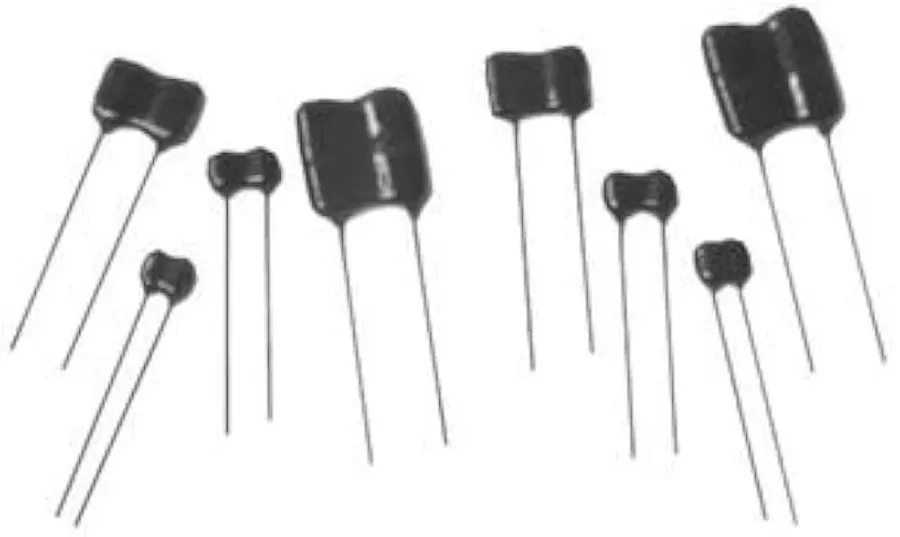
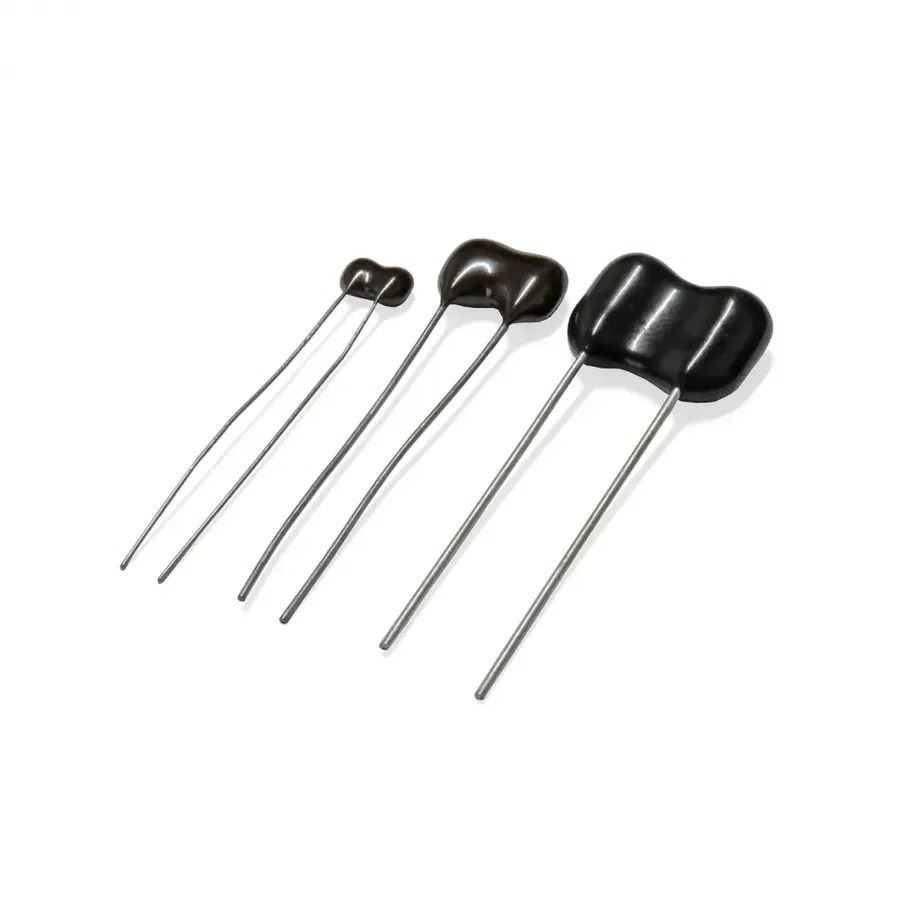
Silver Mica Capacitors: Precision, Stability, and High-Frequency Performance
2025.02.06
In the realm of electronics, the often-overlooked silver mica capacitor plays a pivotal role. Like a finely tuned instrument in an orchestra, it ensures precision and stability, particularly in high-frequency applications. From vintage audio equipment to cutting-edge RF transmitters, the reliability and unique characteristics of silver mica capacitors make them indispensable. This article explores the fascinating world of silver mica capacitors, discussing their construction, performance, diverse applications, and how they compare to other types of capacitors.
What is a Silver Mica Capacitor?
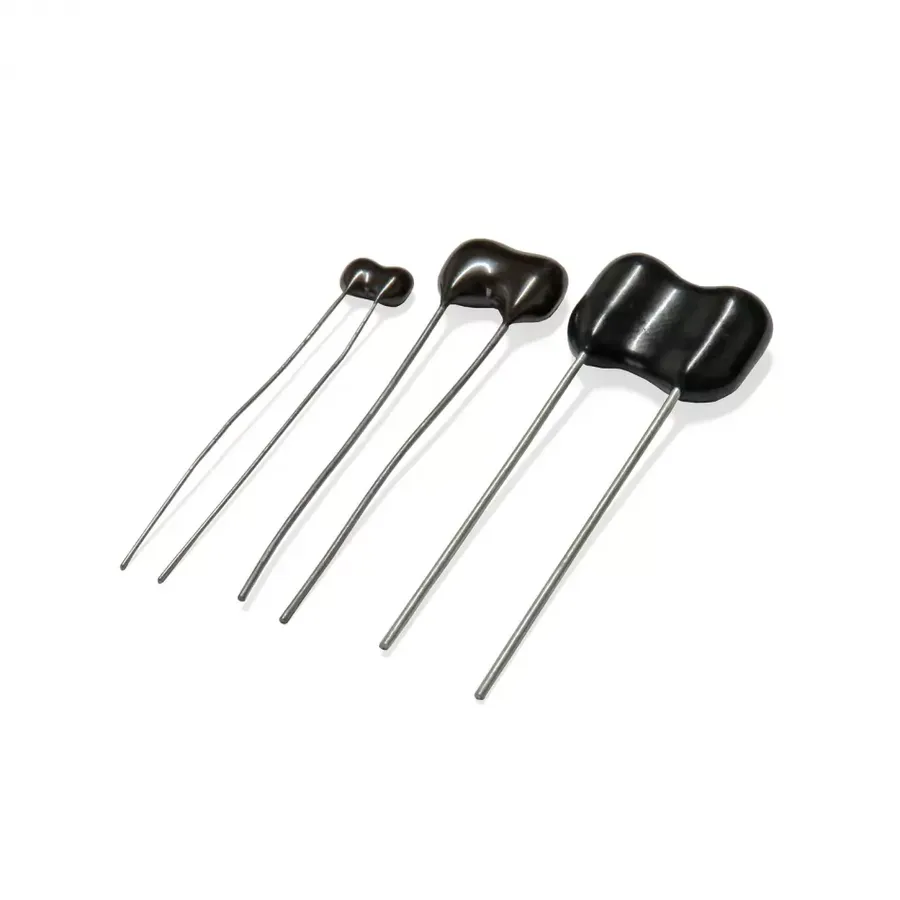
Silver Mica Capacitor
Silver mica capacitors are precision electronic components distinguished by their construction, which utilizes thin layers of mica as the dielectric material and silver as the electrode material. These capacitors are valued for their exceptional stability, accuracy, and reliable performance, especially at high frequencies. The unique layered structure and the inherent properties of mica and silver make them ideal for applications demanding tight tolerances and minimal variation with temperature or time.
At the core of a silver mica capacitor lies a meticulously engineered stack of alternating layers. The process begins with thin sheets of mica, a naturally occurring mineral renowned for its excellent dielectric properties. These sheets are carefully prepared to a precise thickness and then coated on both sides with a thin layer of silver, which acts as the conductive electrode. These layered structures are then compressed together, leads are attached, and the entire assembly is encased, usually in an epoxy resin or similar material, for protection and electrical isolation.
Key Characteristics of Silver Mica Capacitors
Internal Structure of Silver Mica Capacitor
Silver mica capacitors are distinguished by a set of key performance characteristics that make them suitable for specialized applications. These characteristics include exceptional stability, a low temperature coefficient, a high Q factor, minimal capacitance drift, and excellent high-frequency performance.
Exceptional Stability Silver mica capacitors exhibit remarkable stability in capacitance value over a wide range of temperatures and operating conditions. This stability is due to the inherent properties of mica, making these capacitors ideal for precision applications where capacitance drift cannot be tolerated.
Low Temperature Coefficient The temperature coefficient of silver mica capacitors is very low, meaning their capacitance changes very little with temperature fluctuations. This is crucial for maintaining circuit accuracy and stability in varying thermal environments, making them valuable in high-precision and timing circuits.
High Q Factor Silver mica capacitors exhibit a high Q factor, indicating low energy dissipation. A high Q factor signifies minimal energy loss in the capacitor and the circuit, making it highly efficient for high-frequency applications.
Low Capacitance Drift Capacitance drift, the change in capacitance value over time, is minimal in silver mica capacitors, ensuring long-term circuit stability and reliability. This makes them suitable for applications requiring long-term accuracy.
Excellent High-Frequency Performance Silver mica capacitors perform exceptionally well at high frequencies. Their low series inductance and low losses allow them to operate effectively in RF and microwave circuits. Their inherent physical structure and materials enable this superior high-frequency performance compared to other capacitor types.
Advantages of Silver Mica Capacitors
Silver Mica Capacitor in a High Frequency Circuit
Silver mica capacitors stand out in the realm of electronics due to their exceptional combination of precision, reliability, and stability. These attributes make them particularly suitable for demanding applications where performance consistency is paramount. Their key advantages stem from the unique properties of mica and the construction techniques employed.
High Precision: Silver mica capacitors are manufactured with tight tolerances, resulting in very accurate capacitance values. This precision is crucial in applications where even small deviations can impact circuit performance. They exhibit minimal variance from their specified value, which ensures consistent performance across different units and over time.
Exceptional Stability: These capacitors exhibit remarkable stability across a wide range of temperatures and operating conditions. The capacitance value changes negligibly with temperature variations, which is quantified by a low-temperature coefficient. This is particularly beneficial for circuits in environments with fluctuating temperatures.
High-Frequency Performance: Silver mica capacitors are known for their superior performance at high frequencies. They possess a high Q factor, which means they have low energy losses. Their parasitic inductances are minimal allowing them to function efficiently in high frequency resonant and filter circuits. The high resonant frequency of these capacitors enables their effective use in RF applications.
Low Loss Characteristics: The low dielectric losses of silver mica capacitors contribute to their high efficiency. A capacitor with low losses will store and release energy efficiently, thus minimizing unwanted heat generation and enhancing the capacitor's longevity. The low dissipation factor ensures signal fidelity.
Long-Term Reliability: Silver mica capacitors are known for their long-term reliability and stable performance over time. The materials used in their construction are resistant to degradation, ensuring that their electrical properties remain consistent throughout their operational life. This reliability reduces the need for frequent replacements or recalibrations.
Disadvantages of Silver Mica Capacitors
While silver mica capacitors excel in precision and stability, several limitations temper their widespread use. These drawbacks primarily stem from their construction and the materials involved, impacting cost, size, and robustness. Understanding these disadvantages is crucial for making informed decisions in circuit design.
High Cost The use of high-purity mica and silver electrodes in their construction results in a significantly higher production cost compared to other capacitor types like ceramic capacitors. This high cost often limits their application to situations where their superior performance is absolutely necessary.
Limited Capacitance Range Silver mica capacitors typically offer a limited range of capacitance values, usually from picofarads (pF) to a few nanofarads (nF). This narrow range makes them unsuitable for applications that require high capacitance values. For larger capacitance needs, other types of capacitors must be considered.
Larger Size Compared to ceramic capacitors, silver mica capacitors are typically larger for a given capacitance value, primarily because of the stacked layer construction. This size constraint can be a disadvantage in compact electronic devices where space is a premium. Their physical dimensions can also lead to increased parasitic inductance.
Susceptibility to Mechanical Stress The stacked structure of mica and silver layers makes these capacitors sensitive to mechanical stress and vibration. Physical stresses can cause changes in capacitance or even cause physical damage. Careful handling and proper mounting techniques are needed to avoid these problems, which can limit the range of environments they can be used in.
Applications of Silver Mica Capacitors
Silver Mica Capacitor on a Circuit Board
Silver mica capacitors, renowned for their precision and stability, are deployed in applications demanding high performance and reliability. Their unique characteristics make them suitable for a range of critical circuits where accuracy and minimal signal distortion are essential.
High-Frequency Circuits: Silver mica capacitors are frequently used in high-frequency applications due to their ability to maintain stable performance at elevated frequencies. This is attributed to their low equivalent series resistance (ESR) and minimal parasitic inductance.
RF Transmitters: In radio frequency (RF) transmitters, silver mica capacitors are used for impedance matching, tuning, and filtering because of their high Q factor and stable capacitance over temperature and frequency, which are crucial for signal integrity.
Resonant Circuits: Their high Q factor makes silver mica capacitors ideal for resonant circuits where minimal energy loss is required. This includes oscillator circuits and resonant tank circuits where low-loss performance is essential.
Filters: Silver mica capacitors are used in filter circuits due to their high precision and stability, allowing for accurate filtering of specific frequencies in signal processing applications.
Timing Circuits: Their low drift over time and temperature makes silver mica capacitors suitable for timing circuits in precision devices, where accurate timing intervals are important.
Precision Instrumentation: In precision instruments, the stable and reliable performance of silver mica capacitors is necessary for accuracy, making them components in calibration circuits and measurement devices.
Audio Equipment: Silver mica capacitors are used in high-quality audio equipment, especially in tone circuits and filters, where they help ensure clear and accurate sound reproduction by minimizing signal distortion.
Silver Mica Capacitors vs. Ceramic Capacitors
Silver Mica Capacitor and Ceramic Capacitor
Silver mica and ceramic capacitors are two common types of capacitors, but they differ significantly in their performance characteristics, making them suitable for different applications. Silver mica capacitors excel in high-precision and high-frequency applications, while ceramic capacitors are more widely used in general-purpose applications.
Feature
Silver Mica Capacitor
Ceramic Capacitor
Stability
High
Moderate to Low
Precision
High
Moderate
Frequency
Excellent (high frequency)
Good (lower frequency)
Temperature Coefficient
Very Low
Higher
Cost
Higher
Lower
Size
Larger
Smaller
Applications
High-precision, RF
General-purpose
The key differences stem from their construction and the dielectric materials used. Silver mica capacitors utilize thin layers of mica as the dielectric, sandwiched between silver electrodes, which contributes to their high stability and low losses. Ceramic capacitors use ceramic materials, offering smaller size and lower costs but generally poorer performance in terms of stability and temperature coefficient.
Frequently Asked Questions About Silver Mica Capacitors
This section addresses common questions regarding silver mica capacitors, focusing on their applications, cost factors, and limitations. We aim to provide clear and concise answers based on established engineering principles.
What are the primary applications of silver mica capacitors? Silver mica capacitors are predominantly used in high-frequency applications due to their excellent stability and low losses. These include RF transmitters, resonant circuits, filters, timing circuits, precision instrumentation, and audio equipment such as tone circuits and filters. Their precision and reliability make them suitable for applications where component stability is critical.
Why are silver mica capacitors more expensive than other capacitor types? The higher cost of silver mica capacitors stems from the materials and manufacturing processes involved. They utilize high-purity mica, which is a naturally occurring mineral, and silver electrodes, both of which are relatively expensive. The precision required in manufacturing to achieve tight tolerances also contributes to their increased cost compared to alternatives like ceramic capacitors.
What are the main limitations or disadvantages of using silver mica capacitors? Despite their advantages, silver mica capacitors have some limitations. These include a relatively high cost, a limited range of available capacitance values, a larger physical size compared to some other types, and a susceptibility to damage from mechanical stress. These limitations can make them less suitable for some mass-produced or space-constrained applications.
Can silver mica capacitors be replaced by other types? While alternatives exist, direct replacement depends greatly on the specific application requirements. Ceramic capacitors might suffice for less critical applications where cost and size are paramount, but for high-precision or high-frequency applications, film capacitors or other specialized types may be required to match the stability and performance of silver mica capacitors. Careful consideration of the electrical parameters and operating conditions is essential before substituting.
How do temperature variations affect the performance of silver mica capacitors? Silver mica capacitors exhibit a very low temperature coefficient of capacitance, meaning that their performance remains very stable across a wide range of temperatures. This low temperature coefficient is a key advantage and contributes to their suitability in applications where temperature stability is a critical design requirement. However, extreme temperatures, either very high or very low, will still slightly affect performance and longevity.
What is the typical lifespan of a silver mica capacitor? When properly used within their specified voltage and temperature ratings, silver mica capacitors exhibit an extremely long operational lifespan. Their robust construction and stable characteristics lead to minimal degradation over time, making them suitable for long-term applications. However, physical damage or exposure to extreme conditions can still affect longevity.
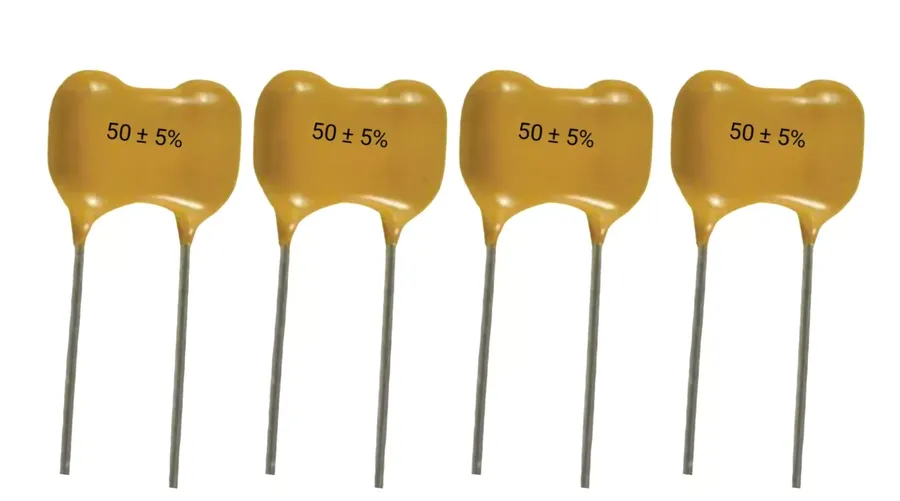
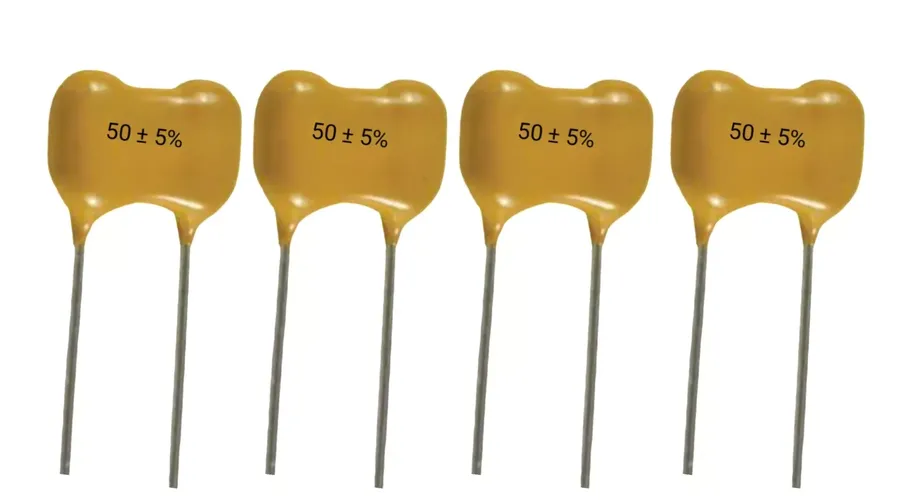
What are some common values and tolerances for silver mica capacitors? Silver mica capacitors are available in a variety of capacitance values, though generally with a limited range compared to other capacitor types. Common capacitance values may range from picofarads (pF) to nanofarads (nF). Tolerance values are typically very tight, often between ±1% and ±5%, ensuring high precision for critical applications. Selection should be based on the specific electrical parameters of the intended design.
Selecting and Sourcing Silver Mica Capacitors
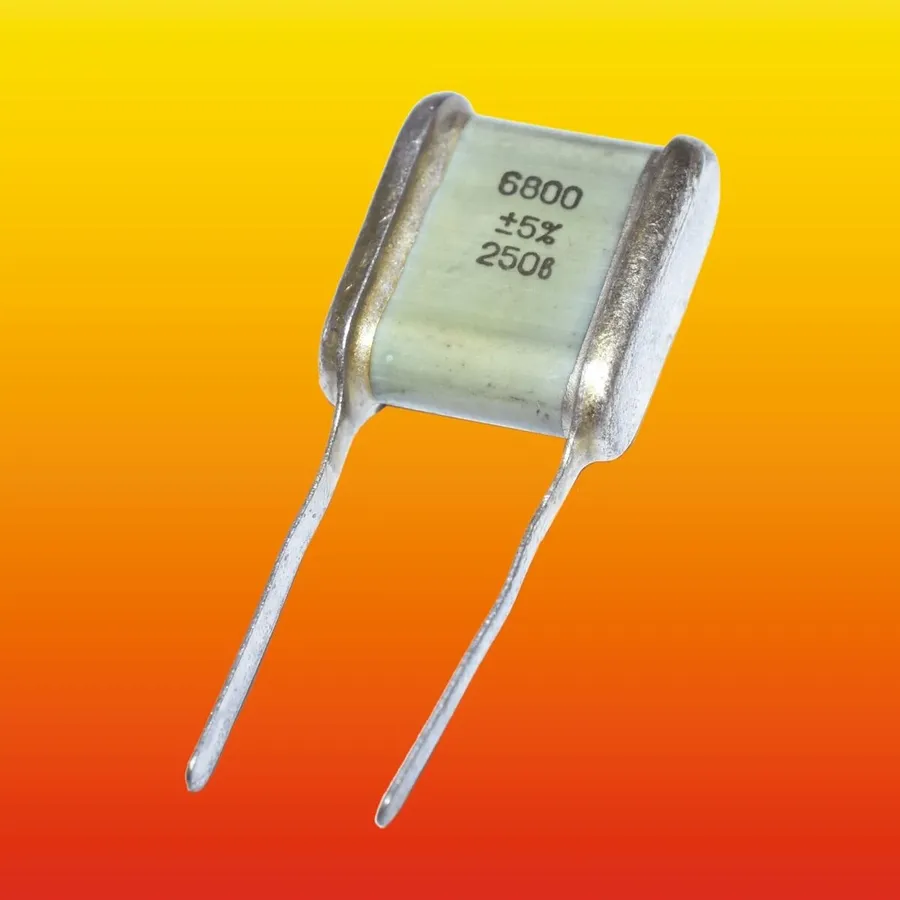
Different Packages of Silver Mica Capacitors
Selecting the appropriate silver mica capacitor for a given application requires careful consideration of several key parameters and sourcing from reliable vendors. This section outlines the critical factors in choosing these components and provides guidance on identifying reputable suppliers.
Capacitance Value Determine the precise capacitance required for your circuit. Silver mica capacitors are available in a limited range, typically from a few picofarads (pF) to a few nanofarads (nF), and it's essential to select a value that meets your circuit's needs.
Tolerance Consider the acceptable variation in capacitance. Standard tolerances for silver mica capacitors range from ±0.1% to ±5%. Tighter tolerance components are necessary for precision applications.
Voltage Rating Ensure the capacitor's rated voltage is significantly higher than the maximum voltage expected in your circuit to prevent failure. Silver mica capacitors often have high voltage ratings.
Temperature Coefficient Verify that the capacitor's temperature coefficient is suitable for the intended environment. Silver mica capacitors have a very low temperature coefficient, ensuring minimal capacitance change with varying temperatures.
Physical Size and Package Consider the capacitor's physical dimensions and lead configuration to ensure it fits within your circuit board and layout constraints. Silver mica capacitors are generally larger than ceramic capacitors for similar capacitance values.
Operating Frequency Silver mica capacitors are well suited for high frequency applications. Ensure the capacitor is designed for the intended frequency range of your system.
Reliability and Stability If high reliability and stability over time are crucial, verify the capacitor's specifications regarding drift and aging effects. Silver mica capacitors are renowned for their long-term stability.
When sourcing silver mica capacitors, it's essential to choose reliable suppliers. Consider the following:
Established Distributors Opt for well-known electronic component distributors with a proven track record of supplying authentic, high-quality parts. These distributors often provide certifications and quality assurance.
Manufacturer Direct Purchase directly from reputable manufacturers. This ensures you get genuine components and access technical support. However, direct sales may require larger order quantities.
Avoid Unverified Sources Steer clear of unknown or unverified online marketplaces that might sell counterfeit or substandard components. Verify supplier credentials and reviews before purchasing.
Certifications and Standards Check if the supplier provides relevant certifications (e.g., ISO) and adheres to industry standards, indicating adherence to quality manufacturing and testing processes.
Sample Testing Where possible, order sample quantities before committing to a larger purchase, allowing you to verify the capacitor’s performance characteristics in your specific application.
Silver mica capacitors, despite their higher cost and limited capacitance range, remain indispensable for applications requiring high precision, stability, and excellent high-frequency performance. From vintage audio gear where their unique sonic signature is valued to critical RF circuits, these capacitors continue to demonstrate their worth. As technology evolves, understanding their strengths and limitations is vital for engineers and hobbyists alike. The enduring legacy of the silver mica capacitor highlights the importance of material science in the foundation of modern electronics.