In the realm of electronics, the humble resistor plays a pivotal role, much like how the foundation supports a skyscraper. Among these, the 100R resistor, often represented as '100R', stands out for its versatile applications. This article delves into the intricacies of 100R resistors, exploring their significance in various circuits, their different forms, and how to choose the right one. Just as a 100r resistor offers precise control in electronic circuits, this article aims to provide clarity and practical guidance in understanding its role.
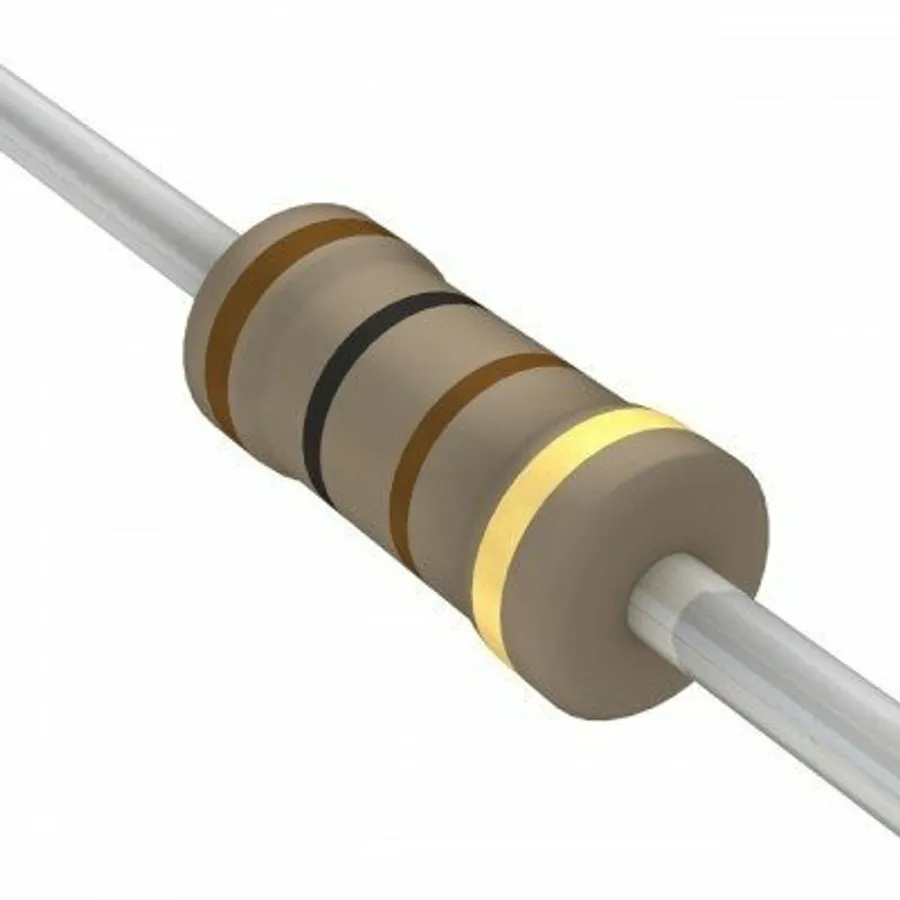
A 100R resistor is a fundamental electronic component that provides a fixed electrical resistance of 100 ohms. The notation '100R' is an engineering convention where 'R' signifies ohms and replaces a decimal point (e.g., 100.0 ohms) to prevent misinterpretations. This component is commonly employed in diverse electronic circuits to control current flow, establish voltage levels, and perform other essential functions. Its ubiquity makes it a staple in electronics design and development.
Key characteristics of a 100R resistor include:
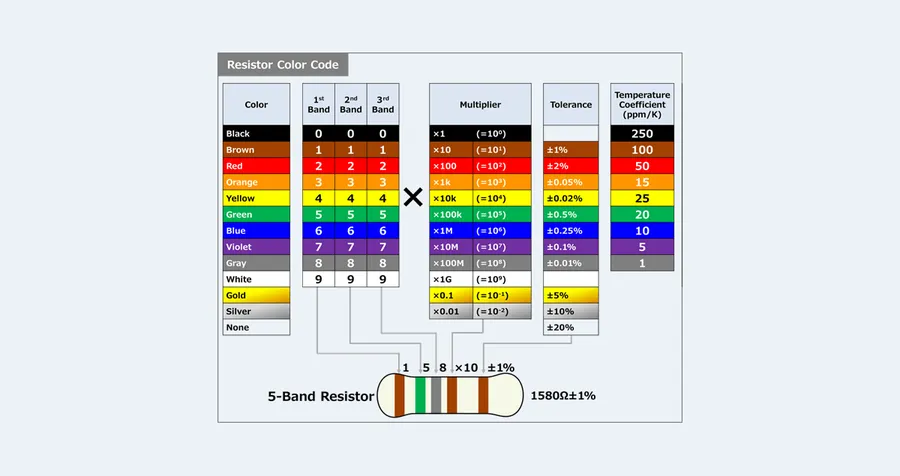
The color bands on a 100R resistor, and the numeric codes on SMD resistors, provide critical information about its resistance value and tolerance. These markings are standardized to ensure consistency and ease of identification. Understanding these codes is essential for proper component selection and circuit design.
| Band | Color | Digit Value | Multiplier | Tolerance |
|---|---|---|---|---|
| 1st Band | Brown | 1 | None | None |
| 2nd Band | Black | 0 | None | None |
| 3rd Band | Brown | None | x10 | None |
| 4th Band | Gold | None | None | ±5% |
| 4th Band | Brown | None | None | ±1% |
For a 100R resistor with a 5% tolerance, the color code sequence is typically brown, black, brown, gold. For a 1% tolerance, the sequence is brown, black, brown, brown. The first three bands denote the resistance value, and the fourth band represents the tolerance. SMD resistors use a numerical code that represent this.
The most common SMD code for a 100R resistor is '101'. In this case, '10' represents the numerical value of 10, and the trailing '1' is a multiplier, which is 10^1. Therefore, 10 * 10^1 = 100 ohms. More complex SMD resistor codes may be used for higher accuracy and precision.
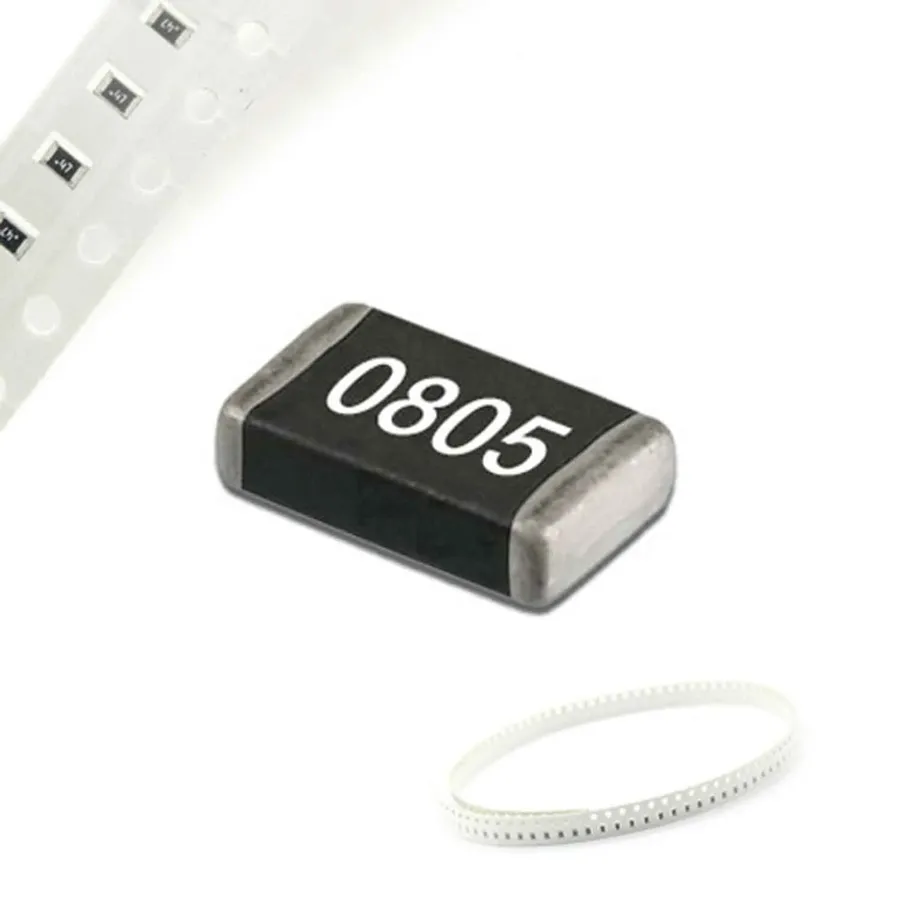
100R resistors are primarily available in two form factors: Surface Mount Devices (SMD) and through-hole. These differ significantly in their construction, mounting method, and application suitability, directly impacting design and manufacturing processes in electronics.
| Feature | SMD Resistor | Through-Hole Resistor |
|---|---|---|
| Mounting | Soldered directly onto the surface of a PCB | Leads inserted into holes in a PCB |
| Size | Smaller, compact footprint | Larger, more bulky |
| Applications | Modern, high-density electronics, mass production | Prototyping, DIY projects, breadboarding, legacy designs |
| Assembly | Automated pick-and-place machines, reflow soldering | Manual assembly, wave soldering |
| Lead Length | No leads, contact pads | Leads for through-hole mounting |
| Thermal Performance | Typically lower thermal resistance but can vary based on case size and design | Typically higher thermal resistance, often have better heat dissipation due to lead length and spacing |
| Cost | Generally lower cost for mass production | May be slightly higher cost or lower cost depending on specific use case |
The choice between SMD and through-hole resistors for a 100R value depends on the project's specific needs. Consider the project complexity, required size, assembly resources, and cost constraints.
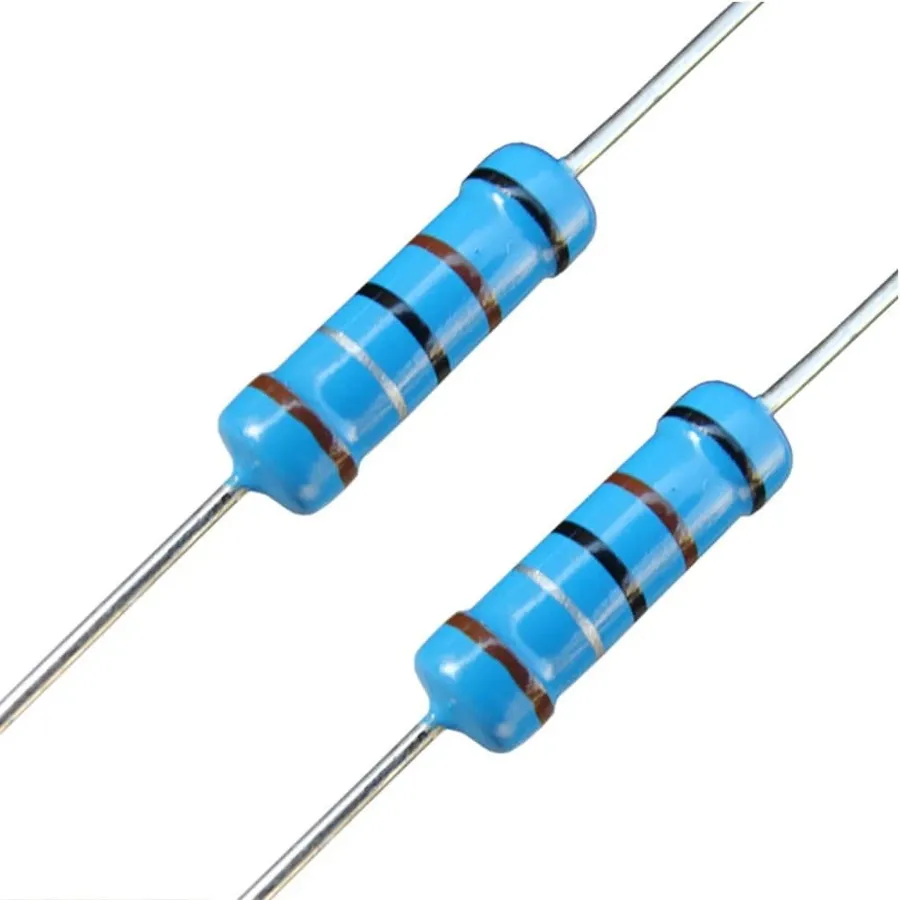
The power rating of a 100R resistor indicates the maximum power it can safely dissipate as heat, measured in watts (W). Selecting a resistor with an adequate power rating is crucial to prevent overheating and potential failure. Exceeding a resistor's power rating leads to increased resistance, which results in further heat generation and can ultimately damage the component and the circuit it's part of.
| Power Rating | Typical Application | Considerations |
|---|---|---|
| 1/4W (0.25W) | Low-power signal circuits, general electronics | Suitable for small circuits and battery powered applications with low current draw. |
| 1/2W (0.5W) | General purpose applications, moderate power requirements | A good balance for common circuits that need more power than the 1/4W resistors can handle. |
| 1W | Circuits with moderate to high power dissipation, higher current draw circuits | Can tolerate a significant amount of power without overheating. |
| 2W and higher | High power applications, power conversion circuits, motor controls | Used in applications where substantial heat dissipation is expected and/or high surge current conditions may be present. Generally larger and more expensive. |
To determine the appropriate power rating for a 100R resistor, calculate the power it will dissipate in your circuit using Ohm's Law (P = I²R) or (P=V²/R), where 'P' is power, 'I' is current, 'V' is voltage, and 'R' is resistance. Always choose a resistor with a power rating at least double, and ideally triple, the calculated power dissipation to provide a safety margin and account for unexpected power surges.
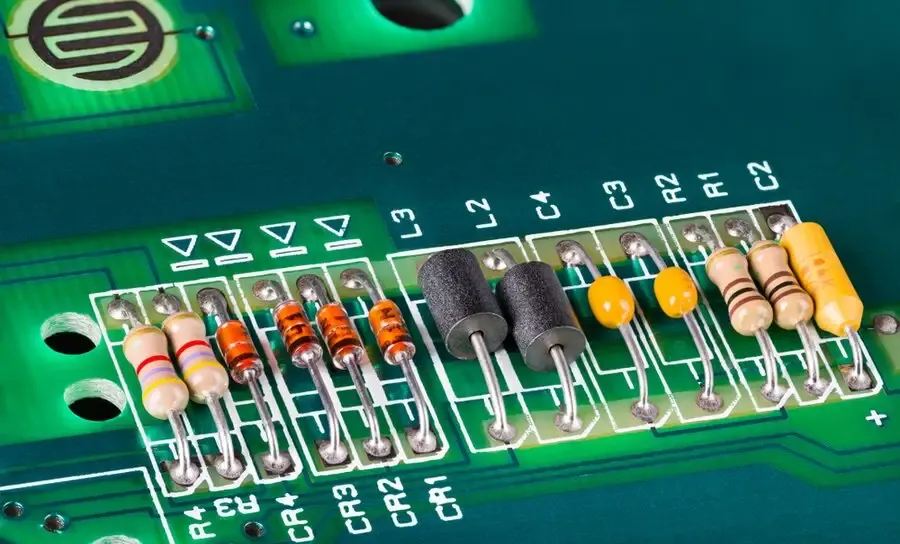
The 100R resistor, with its 100-ohm resistance, serves as a crucial component across numerous electronic circuits due to its versatile properties. Its applications are defined by its ability to control current and voltage, making it suitable for diverse purposes ranging from simple circuits to complex signal processing.
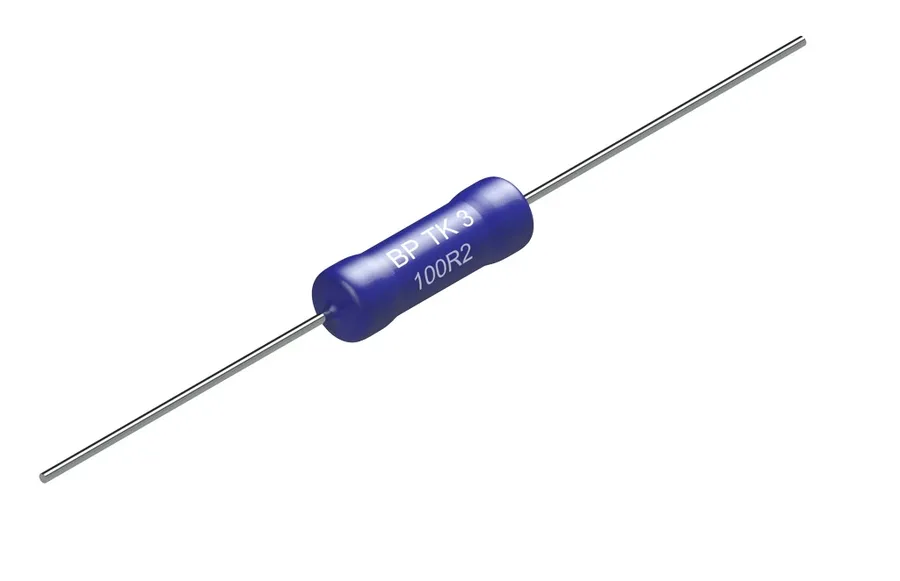
Resistor tolerance specifies the acceptable deviation of a resistor's actual resistance from its nominal or stated value. This variation is inherent in the manufacturing process and impacts the precision of electronic circuits. For a 100R resistor, understanding its tolerance is crucial, particularly in applications where accurate resistance is paramount.
| Tolerance Rating | Resistance Variation (for a 100R Resistor) | Typical Applications |
|---|---|---|
| ±5% | 95Ω to 105Ω | General purpose circuits, non-critical applications |
| ±1% | 99Ω to 101Ω | Circuits requiring moderate precision |
| ±0.5% or less | 99.5Ω to 100.5Ω (or narrower) | High-precision circuits, sensitive analog applications |
A lower tolerance percentage signifies higher precision and a more consistent resistance value. This is particularly important in circuits such as those used in instrumentation amplifiers and precision voltage dividers. While 5% tolerance resistors are adequate for many applications, 1% or lower tolerance is preferred for applications needing greater accuracy. The choice of tolerance should align with the specific requirements of your application.
This section addresses frequently asked questions about 100R resistors, providing clear and concise answers to common queries. These questions are specifically curated to eliminate confusion and offer practical information for anyone working with 100R resistors.
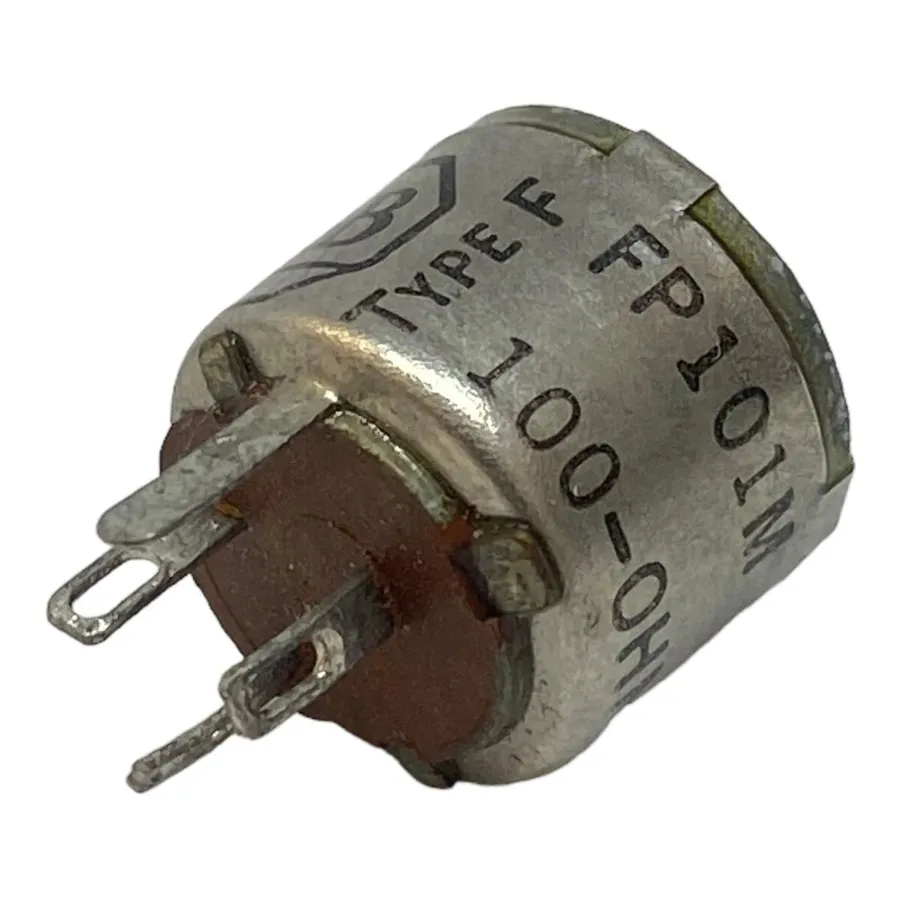
Selecting the optimal 100R resistor requires careful consideration of several key factors to ensure reliable circuit operation and prevent component failure. These factors include power rating, tolerance, physical form (SMD or through-hole), and the operating environment. A systematic approach to selection is crucial for project success.
The 100R resistor, a seemingly simple component, holds a crucial place in the world of electronics. Whether you're a seasoned engineer or a hobbyist, a solid grasp of the 100R resistor—its function, types, and applications—is essential for building reliable circuits. A 100r resistor, when properly understood and utilized, helps pave the way for innovative and functional electronics. Armed with this knowledge, you're ready to confidently incorporate the 100R resistor into your projects, enhancing both performance and efficiency.

