From the simple joy of building a blinking LED to the complexities of robotics, the world of electronics is captivating. An electronic hobby store is the gateway to this exciting realm. This article will guide you through everything you need to know to locate the best sources for parts, kits and expertise, turning your electronics dreams into reality. Whether you’re a seasoned maker or just starting your journey, we will illuminate where your creative ideas can take shape and where to find the perfect electronic hobby store.
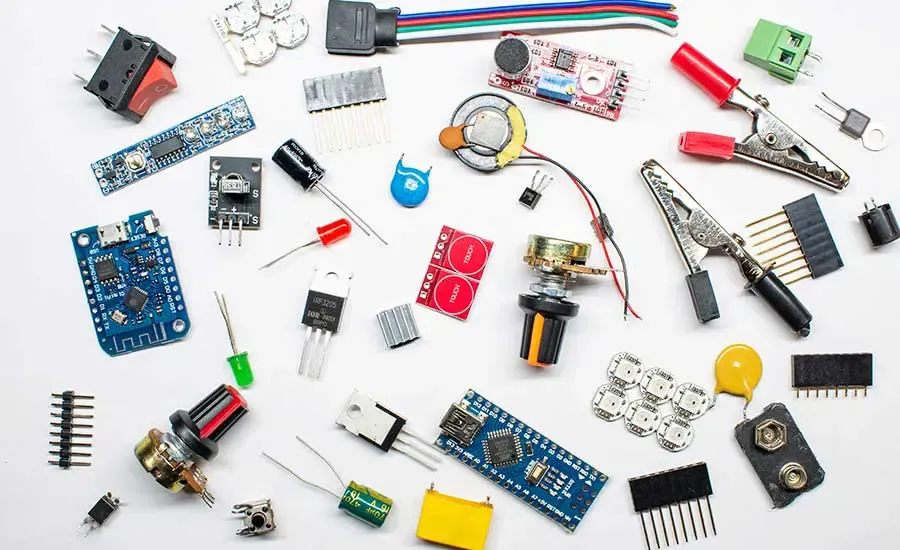
The spectrum of electronic hobbyist needs is broad, encompassing everything from fundamental components for beginners to sophisticated tools and specialized equipment for advanced projects. A well-equipped electronic hobby store should cater to this diverse range, ensuring that all hobbyists, regardless of skill level, can find the necessary resources to fuel their passion.
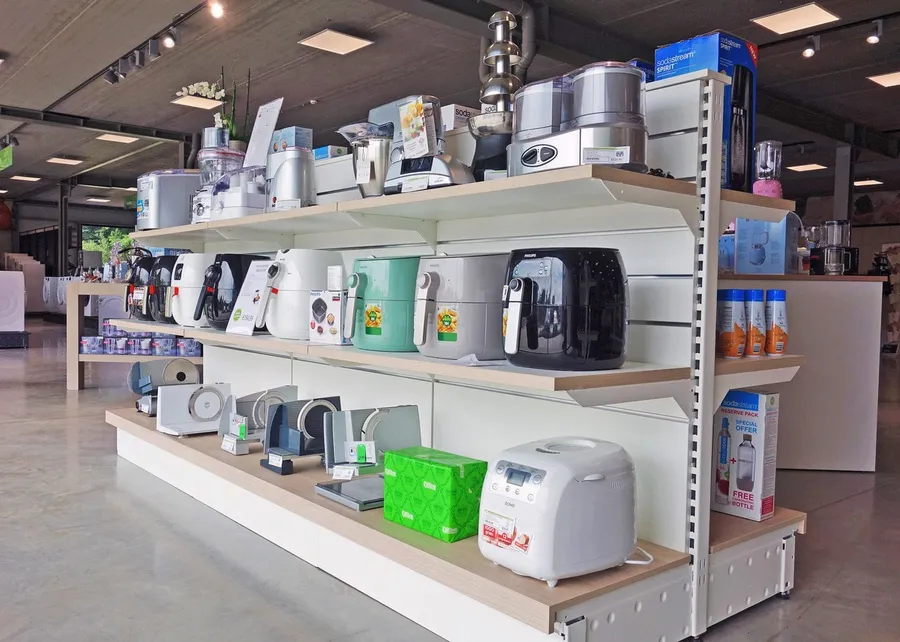
Selecting the right electronic hobby store is crucial for both beginners and seasoned enthusiasts. This choice significantly impacts project success, learning, and overall enjoyment of the hobby. A careful evaluation of several key factors will ensure you find a store that meets your specific requirements and enhances your electronic endeavors. These factors include product range, pricing, and customer support, among others.
| Factor | Description | Importance |
|---|---|---|
| Product Range | The variety and availability of components, tools, and kits offered. This includes the breadth (how many different types of items) and depth (how many of each item are in stock) of their inventory. | High. A broad range ensures you can find what you need for various projects, from basic to complex. A deep inventory ensures items are in stock and readily available. |
| Pricing | The cost of products and any shipping fees. It also includes the availability of discounts and sales. | Medium to High. Competitive pricing allows for more cost-effective project builds, allowing more frequent experimentation and more complex projects without excessive costs. |
| Customer Support | The availability and responsiveness of customer service. Includes the methods of contact (phone, email, chat) and their knowledge about electronics to assist customers with technical queries or order issues. | High. Responsive and knowledgeable support is essential for troubleshooting issues, resolving order problems, and getting expert advice. |
| Shipping Options and Costs | The speed and cost of shipping, including available shipping methods. Includes tracking availability and the store's shipping policies. | Medium. Fast and reliable shipping is necessary when working to a deadline or when project builds are time-sensitive. |
| Website Usability | The ease of navigation and search functions. Includes the clarity of product descriptions and website responsiveness. | Medium. A well-designed website facilitates efficient product discovery, and reduces the risk of ordering incorrect parts. |
| Store Location (for Physical Stores) | The physical accessibility and proximity of the store to the customer's location. Includes store operating hours and overall convenience of visiting the store. | Medium to High (for Physical Stores). A convenient location enables quick trips to purchase items and may allow for a hands-on experience with products |
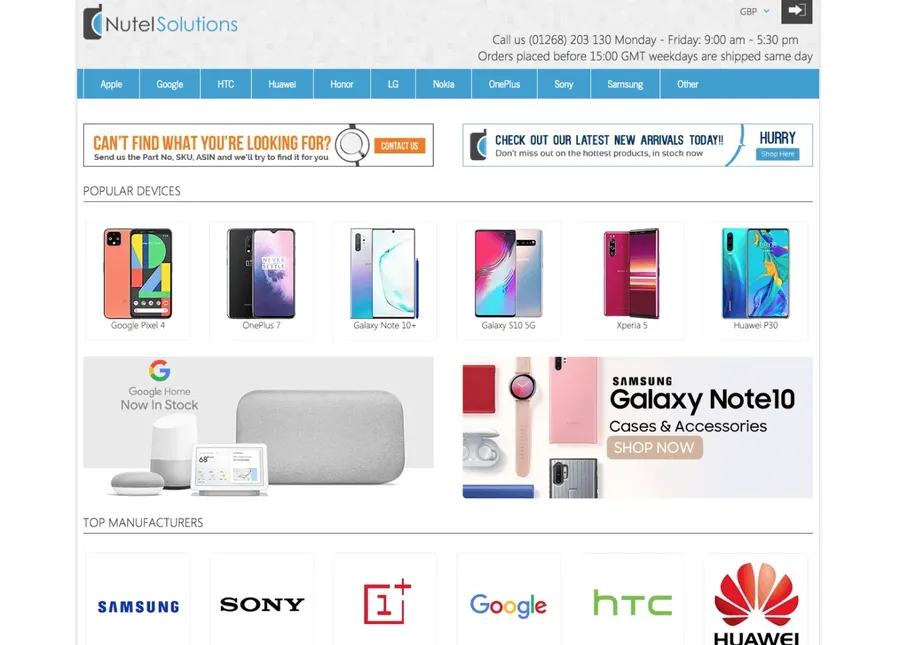
Choosing between online and local electronic hobby stores involves a trade-off between convenience and tangible experience. Online stores offer a vast selection and competitive pricing, while local stores provide immediate access to products and personalized assistance. Understanding these differences is crucial for hobbyists to make informed purchasing decisions.
| Feature | Online Stores | Local Stores |
|---|---|---|
| Product Range | Generally larger, access to wider variety and specialized items. | Often limited by physical space, may lack niche items. |
| Pricing | Usually more competitive due to lower overhead and direct sourcing. | May have higher prices to cover operational costs. |
| Shipping Costs | Variable, can be significant depending on order size, distance, and carrier. | No shipping costs, immediate access to purchase. |
| Product Availability | Requires shipping time; may be subject to stock availability and delays. | Immediate purchase, no waiting time, subject to local stock. |
| Customer Support | Primarily through email, chat, or phone; often lacks hands-on assistance. | Provides immediate and personalized assistance, expert advice. |
| Returns and Exchanges | Often involve return shipping; may have specific return windows and policies. | May be faster and simpler; direct returns and exchanges may be an option. |
| Personalized Experience | Limited to product descriptions and customer reviews. | Direct interaction with products and staff, hands-on experience. |
| Community Connection | Primarily via online forums and communities. | Offers opportunities for in-person interactions and local community building. |
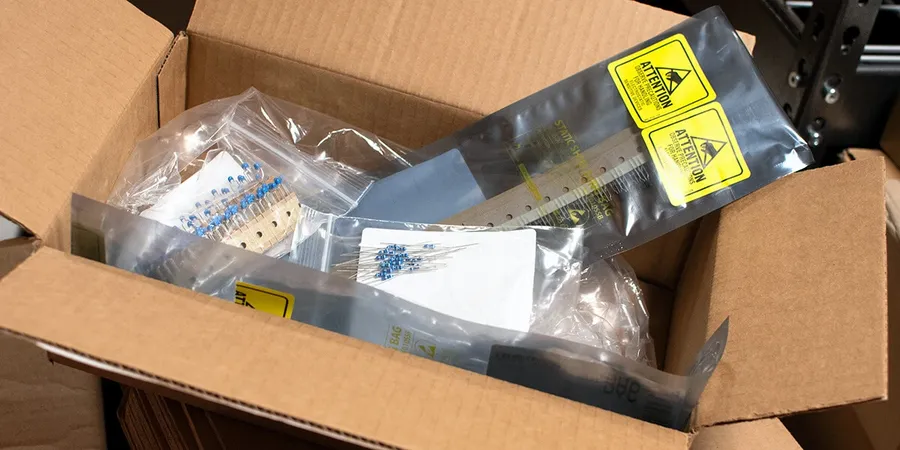
The landscape of online electronic hobby stores offers a diverse range of options, each with its unique strengths. This section provides a detailed overview of popular platforms like SparkFun, Jameco, and Amazon, highlighting their distinguishing features to help you make informed decisions.
| Platform | Product Focus | Pricing Strategy | Customer Feedback | Unique Features |
|---|---|---|---|---|
| SparkFun | Open-source hardware, development boards, sensors | Competitive pricing, frequent sales on components. | Strong community, excellent documentation, known for its educational resources and tutorials. | Emphasis on open-source hardware and educational resources. |
| Jameco | Wide variety of electronic components, tools, and equipment | Often offers bulk discounts, generally very competitive pricing on most electronic parts. | Well-established reputation for reliability, good for volume orders of common parts. | Known for its large inventory of diverse electronic components. |
| Amazon | A wide array of electronics, from basic components to finished kits | Varies significantly across vendors. Can range from budget-friendly to premium options. | Very broad review base, shipping times and customer service varies based on vendor. | Convenience, broad selection, and fast shipping |
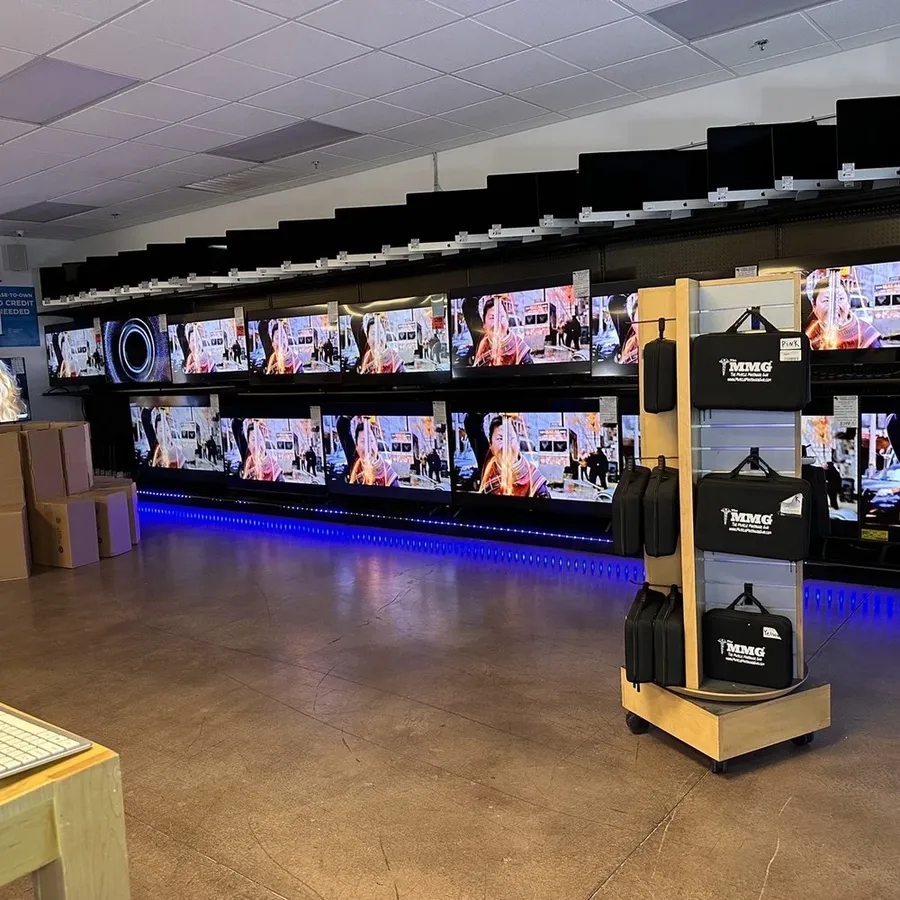
For hobbyists who value the tactile experience of browsing and the immediacy of acquiring components, local electronic hobby stores offer unique advantages. This section guides you on locating and evaluating the best local options, bridging the gap between online convenience and the hands-on nature of the hobby.
Finding the right local store can significantly enhance your hobby experience. Here are some strategies to identify and evaluate local electronic hobby stores:
By systematically using online tools and engaging with the local community, you can discover and benefit from the unique experience that local electronic hobby stores can offer.
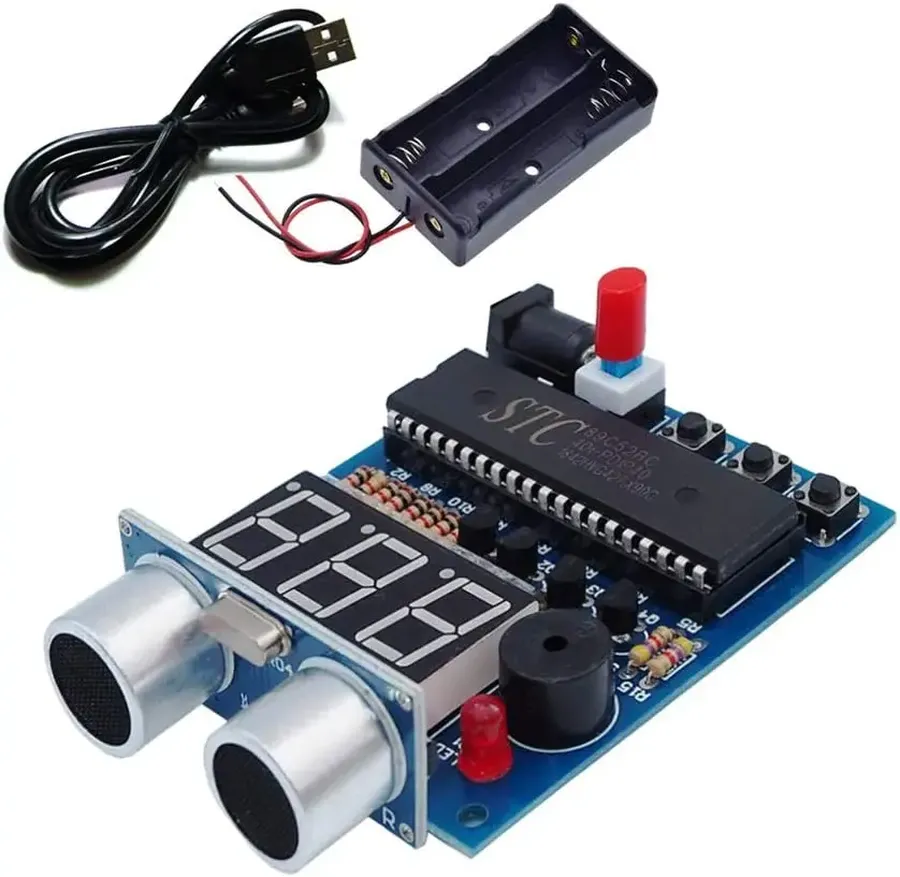
A solid foundation in electronics begins with understanding fundamental components. This section details essential parts that every hobbyist, whether novice or expert, should be familiar with and keep in their toolkit. These components serve as building blocks for a vast range of electronic projects.
| Component | Description | Beginner Relevance | Advanced Relevance |
|---|---|---|---|
| Resistors | Limit current flow; measured in ohms. | Essential for basic circuits; used to protect components. | Used in precision circuits, signal conditioning, and bias networks. |
| Capacitors | Store electrical energy; measured in farads. | Used in filtering, decoupling, and timing circuits. | Used in high-frequency circuits, power supplies, and energy storage. |
| LEDs | Light-emitting diodes; emit light when current passes through. | Simple to use for visual indicators and lighting projects. | Used in display technology, advanced sensing, and optical communication. |
| Microcontrollers | Programmable integrated circuits; the brain of many electronic devices. | Used in simple projects like controlling LEDs and sensors. | Used in complex embedded systems, IoT devices, and robotics. |
| Transistors | Amplify or switch electronic signals and electrical power. | Used in basic amplifier and switching circuits. | Used in advanced analog and digital circuit design. |
| Diodes | Allow current to flow in one direction only. | Used in basic rectifiers and voltage regulation. | Used in RF circuits, high-voltage circuits, and protection circuits. |
| Breadboards | Reusable solderless devices for prototyping circuits. | Essential for learning and experimenting with circuits without soldering. | Useful for rapid prototyping and testing new circuit designs. |
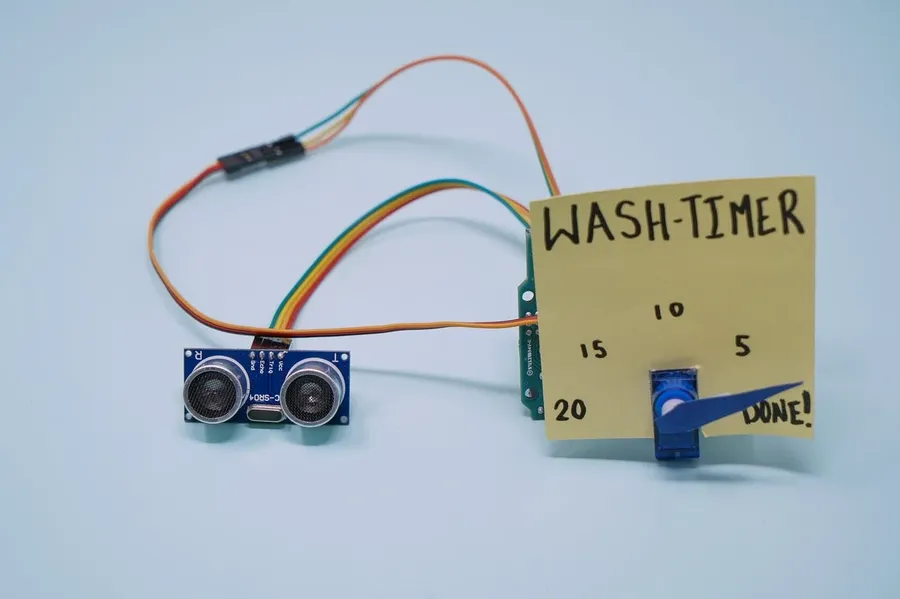
Electronic kits and projects serve as an excellent entry point for individuals eager to explore the world of electronics. These structured learning tools provide a hands-on approach to understanding circuit design, component functionality, and basic electronics principles, making them ideal for beginners and a valuable resource for more experienced hobbyists looking to expand their skill set.
Popular examples of electronic kits readily available from electronic hobby stores often include those focusing on basic circuit construction, simple robots, light-controlled devices, and introductory microcontroller platforms. These vary in complexity and can cater to individuals with different skill levels, allowing hobbyists to progressively build up their knowledge.
| Kit Type | Description | Learning Focus | Typical Components |
|---|---|---|---|
| Basic Circuit Kits | Simple circuits with resistors, capacitors, and LEDs. | Ohm's Law, basic circuit analysis | Resistors, capacitors, LEDs, breadboard |
| Simple Robot Kits | Small robots with motor, basic controls and sensors. | Basic robotics, motor control, sensors | Motors, gears, wheels, sensors, microcontrollers |
| Light-Controlled Device Kits | Kits that respond to changes in light level. | Phototransistors, light sensors, basic control circuits | Phototransistors, LEDs, op-amps |
| Microcontroller Platform Kits | Programmable kits using boards like Arduino or Raspberry Pi. | Introduction to microcontrollers, programming | Microcontroller board, USB cable, sensors |
Navigating the world of electronic components and tools can be challenging, especially when dealing with online or local hobby stores. This section addresses common queries regarding shipping, returns, warranties, and product availability to ensure a smooth shopping experience for all electronics enthusiasts.
Staying current in the ever-evolving world of electronics is crucial for hobbyists. This section provides guidance on how to track new trends, product releases, and leverage community resources to enrich your electronics hobby.
Finding the right electronic hobby store can significantly enhance your electronics journey, whether you're a beginner or a veteran. By carefully considering your needs, comparing the advantages of online and local options, and keeping up with trends, you can make informed choices that support your passion. Remember, every great project starts with the right parts and the right support, often found at a trusted electronic hobby store. Dive into the electrifying world of electronics, and let your creativity shine!

