In the world of electronics, the 22 ohm resistor plays a small but critical role, much like a hidden gear in a complex machine. From simple LED circuits to intricate audio equipment, this component is essential for controlling current and protecting sensitive parts. This article demystifies the 22 ohm resistor, exploring its various types, applications, and how it fits within the broader landscape of electrical engineering.
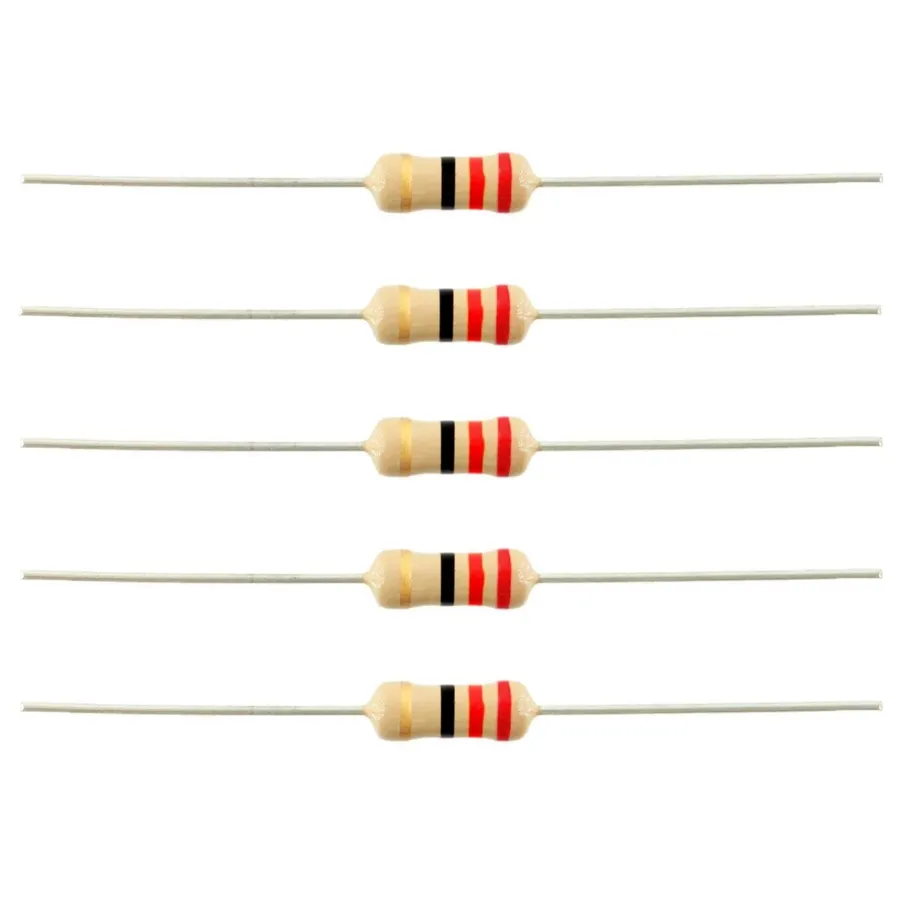
A 22 ohm resistor is a fundamental passive electronic component that opposes the flow of electrical current, exhibiting a resistance value of 22 ohms. This specific resistance value plays a critical role in various circuit functions, influencing current magnitude, voltage distribution, and overall circuit behavior. Its characteristics, such as color code, physical dimensions, power rating, and tolerance, are crucial parameters that directly affect its application and performance.
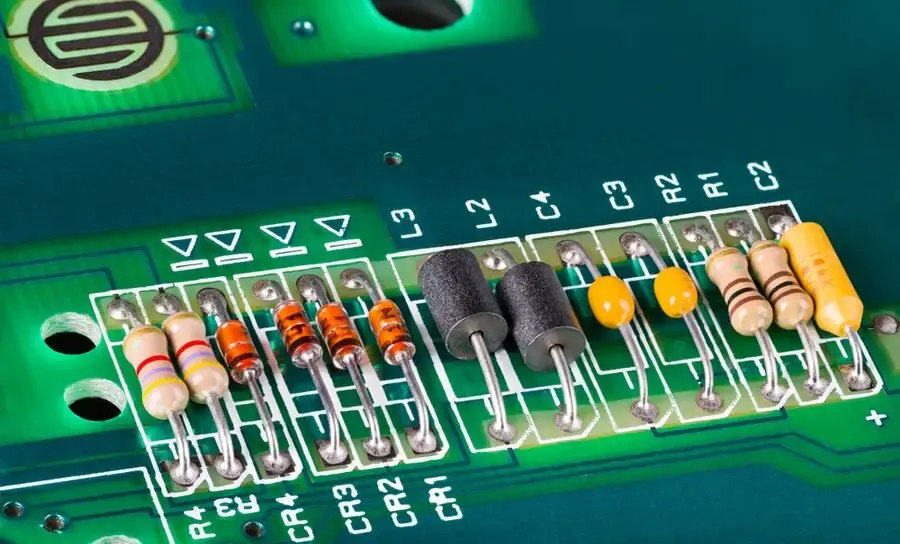
A 22 ohm resistor, like all resistors, fundamentally serves to impede the flow of electrical current within a circuit. This specific resistance value plays a crucial role in current regulation, voltage division, and creating controlled voltage drops, enabling precise circuit behavior and component protection.
The following sections provide a detailed explanation of how a 22 ohm resistor achieves these functions:
| Function | Description | Application Example |
|---|---|---|
| Current Limitation | Restricts current flow to protect components | LED current limiting circuit |
| Voltage Division | Creates a specific voltage drop | Biasing circuit for a transistor |
| Voltage Drop Creation | Provides a controlled voltage drop | Signal conditioning circuitry |
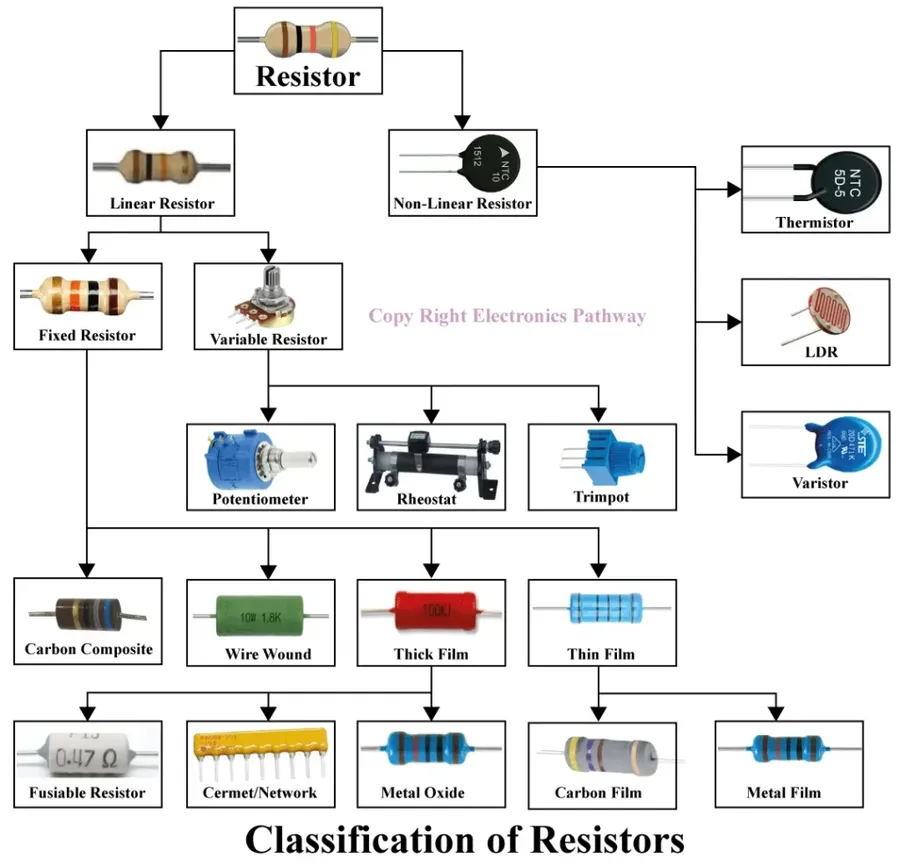
22 ohm resistors are not monolithic; they come in a variety of types, each engineered with specific materials and manufacturing processes to meet diverse application requirements. The choice of resistor type directly impacts performance parameters such as precision, temperature stability, and power handling capacity, all of which are crucial for optimal circuit design.
| Resistor Type | Material | Typical Tolerance | Temperature Stability | Power Handling | Applications |
|---|---|---|---|---|---|
| Carbon Film | Carbon film deposited on a ceramic substrate | ± 5% | Moderate | Low to Medium | General-purpose applications, hobby electronics |
| Metal Film | Thin metal film deposited on a ceramic substrate | ± 1% | Good | Low to Medium | Precision applications, audio circuits |
| Metal Oxide | Metal oxide film deposited on a ceramic substrate | ± 2-5% | Good to High | Medium | High temperature and high voltage circuits |
| Wirewound | Resistive wire wound around a ceramic or fiberglass core | ± 0.1-5% | Very Good | High | High power applications, current sensing |
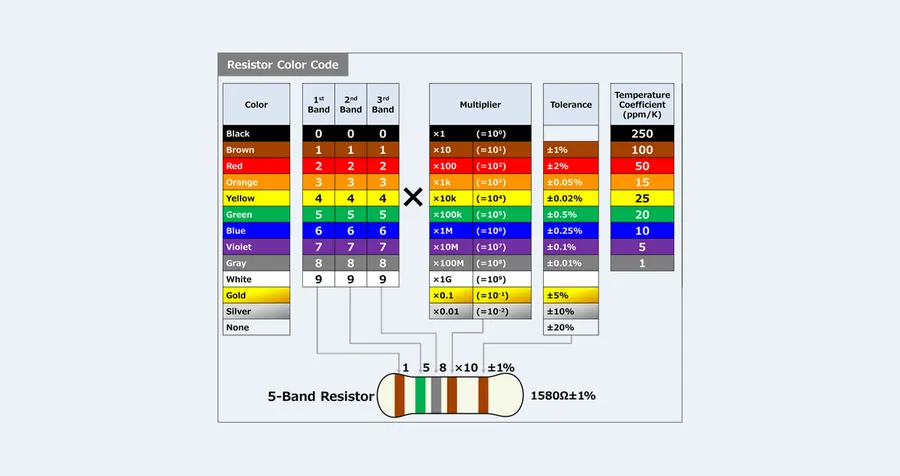
The color code on a 22 ohm resistor is crucial for quick identification, it is typically represented by a series of colored bands. These bands correspond to a numerical value. The standard for reading these bands is from left to right, with the first two bands representing the resistance value, the third band acts as a multiplier, and the fourth band usually indicates tolerance.
| Band | Color | Value | Multiplier | Tolerance |
|---|---|---|---|---|
| 1st Band | Red | 2 | - | - |
| 2nd Band | Red | 2 | - | - |
| 3rd Band | Black | - | 10^0 (or 1) | - |
| 4th Band | Gold | - | - | ± 5% |
| 4th Band | Brown | - | - | ± 1% |
For a 22 ohm resistor, the typical color bands are Red, Red, Black and either Gold (for 5% tolerance) or Brown (for 1% tolerance). The bands should be interpreted as follows: the first red band represents the digit 2, the second red band also represents the digit 2, and the black band indicates a multiplier of 1 (10^0). The gold band indicates a tolerance of ±5%, while the brown band indicates a tolerance of ±1%.
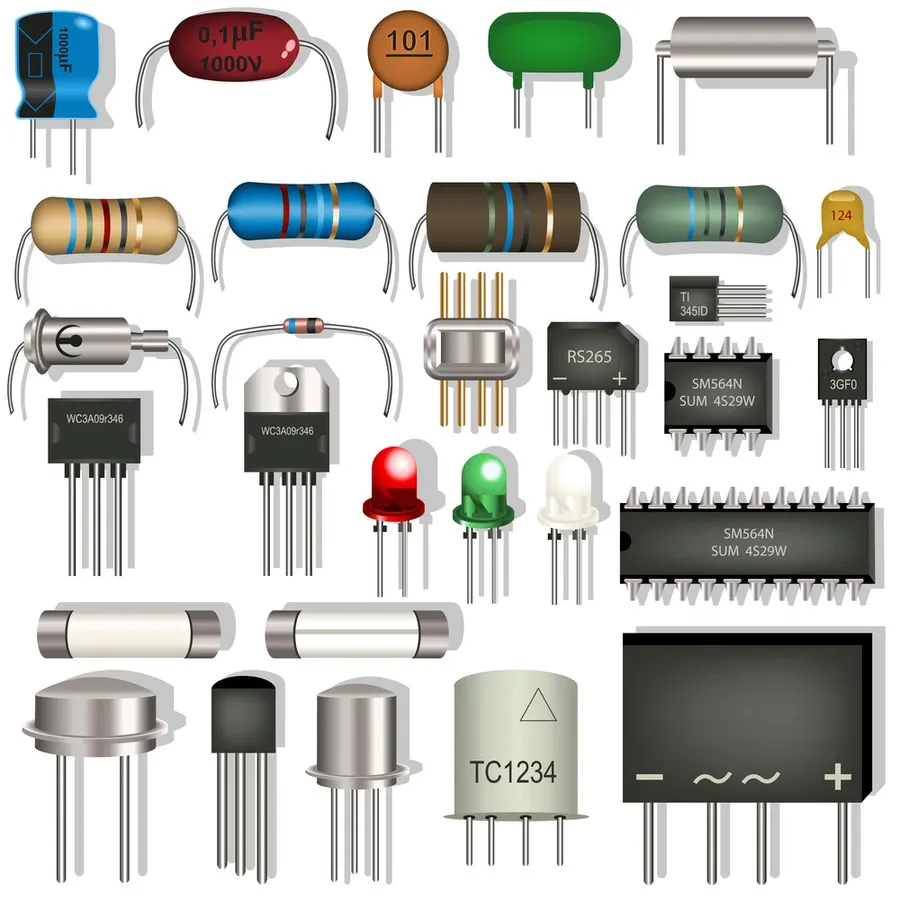
The 22 ohm resistor, with its specific resistance, is employed in a range of applications where controlled current flow and voltage manipulation are critical. Its precise value makes it well-suited for tasks like current limiting, transient suppression, and audio signal management.
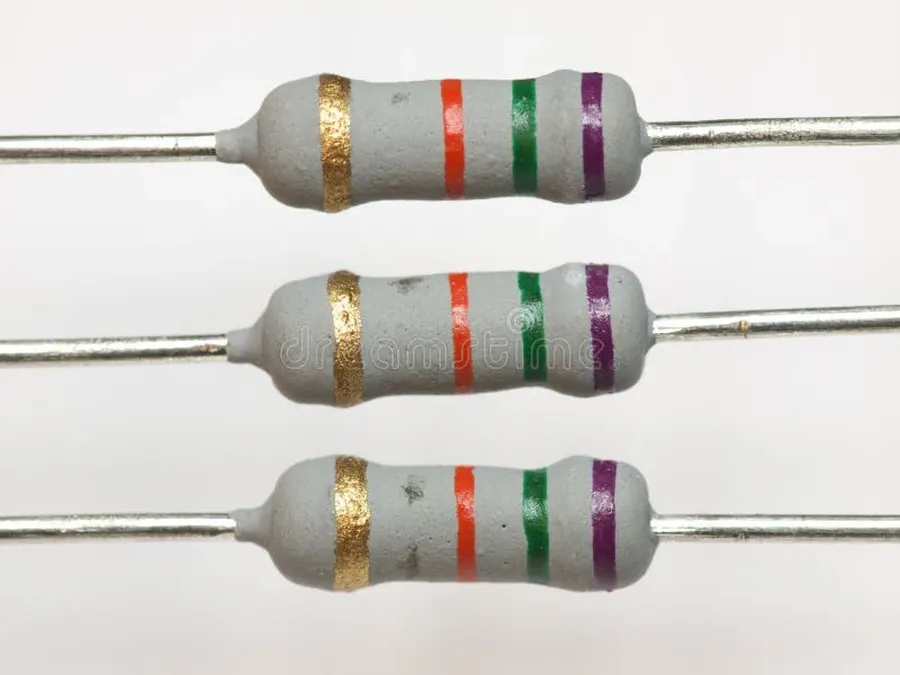
Selecting the correct 22 ohm resistor necessitates a thorough understanding of its power rating and tolerance, as these parameters directly influence the resistor's performance and reliability within a circuit. The power rating dictates the maximum power the resistor can dissipate without being damaged, while tolerance defines the allowable deviation of its actual resistance from the nominal 22-ohm value.
| Parameter | Description | Impact on Performance | Selection Considerations |
|---|---|---|---|
| Power Rating (Watts) | The maximum power a resistor can dissipate as heat without failure. | Insufficient power rating can lead to overheating, resistor failure, and potential damage to the circuit. A higher power rating will result in a physically larger and potentially more expensive component. | Calculate the maximum power dissipation in the circuit, and select a resistor with a power rating substantially higher, typically at least double the calculated power, to ensure a safety margin. |
| Tolerance (%) | The allowable percentage deviation of the actual resistance value from the nominal 22 ohms. | Higher tolerance (e.g., 5% or 10%) results in greater variability in the actual resistance, which might not be suitable for precision applications. Lower tolerance (e.g., 1% or 0.1%) ensures a more precise resistance value, which could be critical for highly accurate applications. | For applications requiring high accuracy and stability choose resistors with low tolerance. Common applications use 5% tolerance, but precise circuits might require 1% or even 0.1%. |
This section addresses common inquiries regarding 22 ohm resistors, focusing on their appropriate utilization in various circuits and the consequences of improper application. Understanding these aspects is crucial for effective circuit design and troubleshooting.
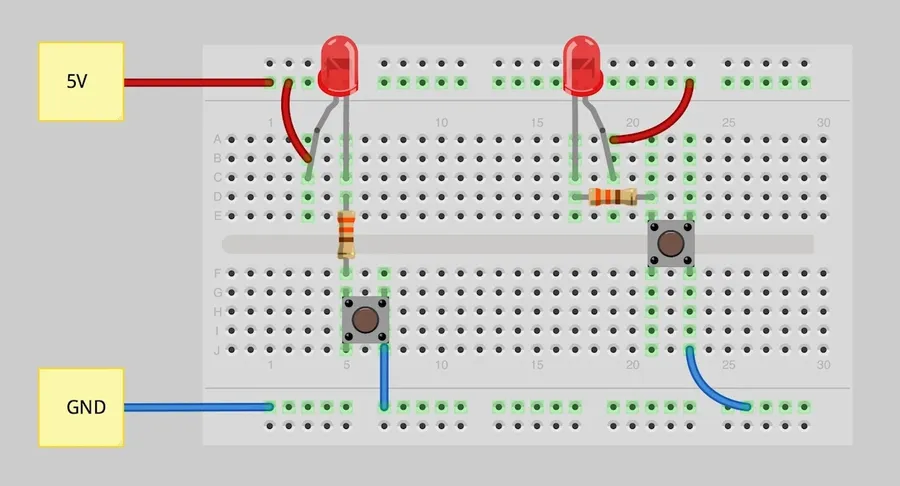
Selecting the appropriate 22 ohm resistor for a project requires a balanced approach considering the electrical demands and environmental conditions. This involves assessing the circuit's current, voltage, and the application's operating environment.
The selection of a resistor value is paramount in circuit design, with the 22 ohm resistor being a common but not universally applicable choice. This section delves into the distinctions between a 22 ohm resistor and other values, providing insight into when to utilize a 22 ohm resistor and when alternative values are more appropriate for optimizing circuit performance.
| Resistor Value | Typical Application Scenarios | Advantages | Disadvantages |
|---|---|---|---|
| 22 Ohm | LED current limiting, signal conditioning, snubber circuits | Precise current control, suitable for specific impedance matching | May not be ideal for high current applications due to lower resistance value. |
| 1 Ohm - 10 Ohm | Current sensing, low-value shunt resistors | Minimal impact on the circuit, can measure large currents with minimal voltage drop | May be insufficient for high current limiting requirements. |
| 100 Ohm - 1K Ohm | Pull-up/pull-down resistors, basic current limiting, voltage dividers | Versatile for basic digital logic and signal control applications. | May not provide enough precision for certain applications that require exact impedance matching. |
| 10K Ohm - 1M Ohm | Feedback resistors in op-amp circuits, bias resistors, high-impedance sensing | Low current consumption, high impedance for sensitive measurements | May not be suitable for high current applications or impedance matching in certain circuit types. |
| Values Above 1M Ohm | Extremely high impedance circuits, specialized sensor applications | Reduces current drain and allows for precise measurement of very low signals | Susceptible to noise, may not be suitable in high-noise environments. |
In summary, the 22 ohm resistor serves a specific purpose when moderate current control and impedance are required. It is crucial to evaluate your design requirements to choose the best value of resistor needed for your circuit.
The 22 ohm resistor is a workhorse in electronics, crucial for managing current, and voltage in a diverse range of circuits. Whether it's for lighting up LEDs or ensuring optimal audio quality, understanding its properties and applications is essential for anyone working with electronics. The correct selection of a 22 ohm resistor, like other electronic parts, is key to a successful project. From color codes to power rating, each aspect plays a role in the final circuit.

