In the world of electronics, even seemingly small components like a 1 ohm resistor play a significant role in controlling current and ensuring circuits function correctly. Just as a tiny valve can regulate the flow of water in a vast plumbing system, a 1 ohm resistor manages the flow of electrons in an electrical circuit. This article dives deep into the purpose, types, and applications of this often underestimated component, bridging the gap between theoretical concepts and their practical implementation in circuits you might encounter daily. Whether you are an experienced engineer or a curious beginner, this guide will illuminate the role of the 1 ohm resistor.
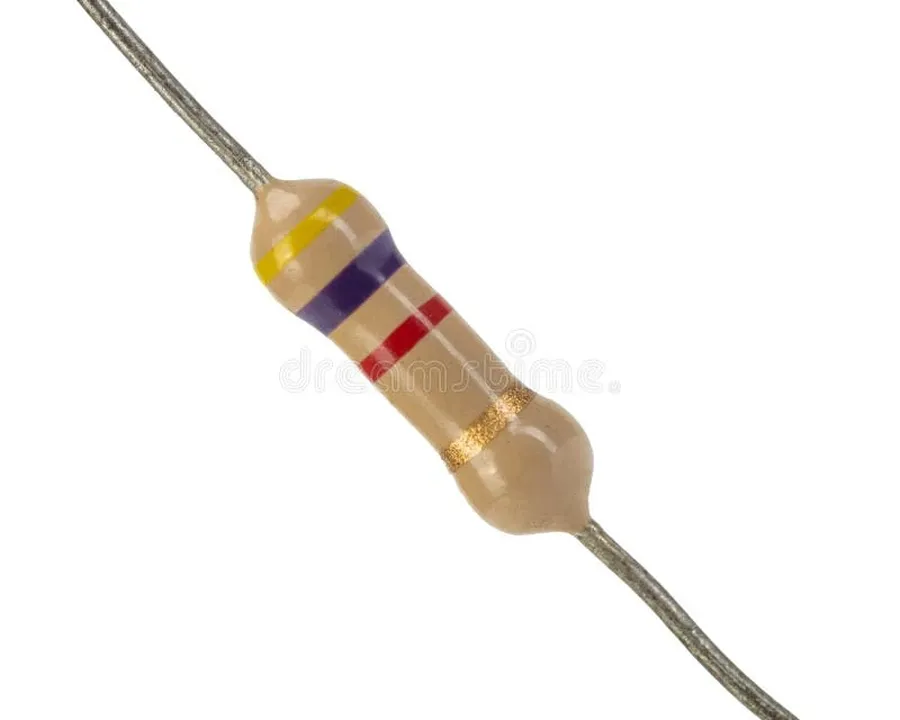
A 1 ohm resistor is a fundamental passive electronic component designed to impede the flow of electrical current, presenting a resistance of precisely 1 ohm. This specific value plays a crucial role in circuit design, directly influencing current flow and voltage distribution as defined by Ohm's Law. Understanding its basic function is essential for any electronics engineer or enthusiast.
Ohm's Law, expressed as V = IR, clearly illustrates the relationship between voltage (V), current (I), and resistance (R). In this equation, a 1 ohm resistor dictates that a voltage of 1 volt will produce a current flow of 1 ampere. This makes the 1 ohm resistor useful in applications where precise current control or measurement is required. It's neither a conductor nor an insulator, but rather a device that provides a specific, calibrated amount of opposition to the flow of electrons.
1 Ohm resistors, while seemingly simple, come in various types, each with unique characteristics that influence their suitability for different electronic applications. The primary differences lie in their construction materials and methods, leading to variations in power handling, precision, and temperature stability. Understanding these differences is crucial for selecting the appropriate resistor for a given design.
| Resistor Type | Construction | Power Rating | Tolerance | Temperature Coefficient | Typical Applications | Advantages | Disadvantages |
|---|---|---|---|---|---|---|---|
| Metal Film | Thin metal film deposited on a ceramic substrate. | Low to Medium (e.g., 1/8W to 2W) | Low (e.g., ±1% to ±5%) | Low (Stable with temperature) | General purpose, precision circuits, audio equipment | Good precision, low noise, good temperature stability | More expensive than carbon film. |
| Wirewound | Resistive wire wound around a ceramic core. | High (e.g., 1W to 10W or higher) | Medium (e.g., ±1% to ±10%) | Low (Good stability) | Power circuits, current sensing, high power applications | High power handling capability, good precision. | Can be large in size, inductive (not suitable for high frequency). |
| Carbon Film | Carbon film deposited on a ceramic substrate. | Low to Medium (e.g., 1/4W to 1W) | Medium (e.g., ±2% to ±10%) | Moderate (Temperature sensitive) | General purpose, non critical applications | Low cost, good pulse handling capability. | Higher noise, less precise, less stable over temperature. |
| SMD (Surface Mount Device) | Various materials, often metal film, in a surface mount package. | Low to Medium (e.g., 1/16W to 1W) | Low to High (e.g., ±0.1% to ±5%) | Low to Moderate (Depending on material) | Compact circuit designs, high density boards. | Small size, easy for automated assembly, good thermal performance. | Can be difficult to handle manually. |
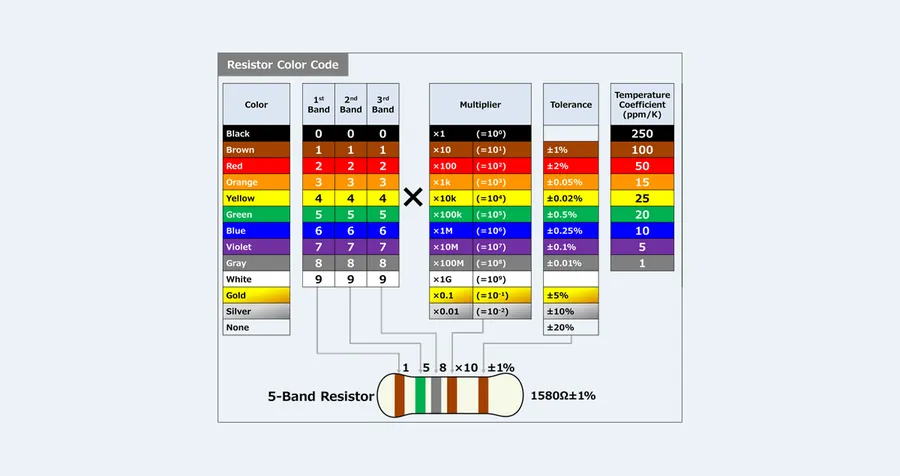
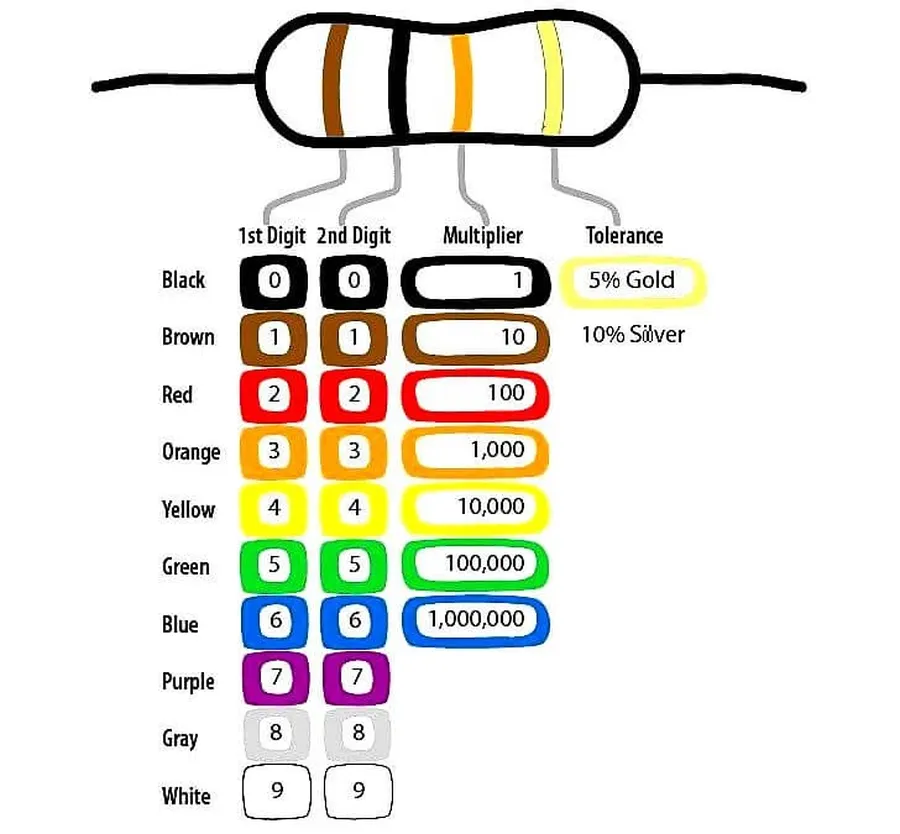
Identifying a 1-ohm resistor using its color code is a crucial skill for electronics work. The color bands on a resistor indicate its resistance value, tolerance, and sometimes its temperature coefficient. This section will clarify how to read these bands specifically for a 1-ohm resistor, addressing common confusion and the rare case of single-band markings.
The standard color code system uses a series of colored bands. Typically, a 1-ohm resistor will have four or five bands. For a four band resistor the first two bands represent significant figures, the third band is the multiplier, and the fourth band represents the tolerance. Five band resistors have three significant figure bands, followed by the multiplier and the tolerance band.
| Band | Color | Significance (4-Band) | Significance (5-Band) | Multiplier |
|---|---|---|---|---|
| 1st Band | Brown | 1st Digit | 1st Digit | - |
| 2nd Band | Black | 2nd Digit | 2nd Digit | - |
| 3rd Band | Black | Multiplier | 3rd Digit | 10^0 (1) |
| 3rd Band | Gold | - | - | 0.1 |
| 4th Band | Gold | Tolerance | Multiplier | - |
| 4th Band | Silver | Tolerance | Multiplier | - |
| 5th Band | Brown | Tolerance | Tolerance | - |
For a standard 1-ohm resistor with four bands, you will typically see these colors: * **Band 1:** Brown (1) * **Band 2:** Black (0) * **Band 3:** Gold (x 0.1 multiplier) * **Band 4:** Gold or Silver (tolerance of ±5% or ±10%, respectively) Reading the bands left to right, the combination of 'Brown, Black, Gold' translates to (10 * 0.1) = 1 ohm. The final band indicates the tolerance.
Five-band resistors are less common for low values like 1 ohm, but if encountered, the color bands would follow the same format but with three significant figures:. * **Band 1:** Brown (1) * **Band 2:** Black (0) * **Band 3:** Black (0) * **Band 4:** Gold (x 0.1 multiplier) * **Band 5:** Brown, Red, Green or Violet (tolerance). This combination, reading the bands left to right, is (100 * 0.01) = 1 ohm. The final band indicates the tolerance.
It's crucial to always verify the reading with a multimeter to ensure accuracy, particularly when dealing with components where color codes may be faded or hard to read. Single band resistors are generally not used for this value, and would be an unusual application
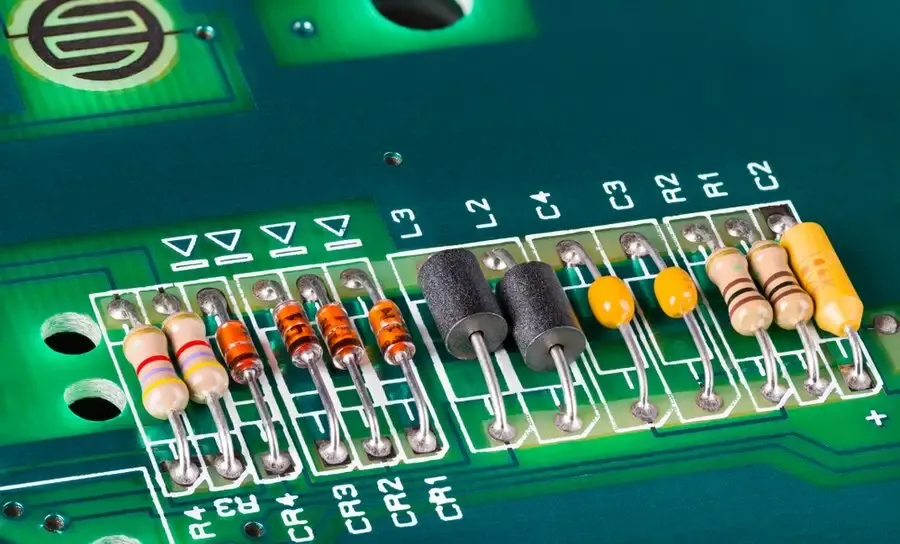
The 1 ohm resistor, while seemingly a very low resistance value, plays a critical role in various electronic applications where precise current control and measurement are paramount. Its applications range from limiting current to acting as a precision shunt for measuring high currents, and it's frequently found in scenarios that demand a balance between minimal voltage drop and accurate current regulation.
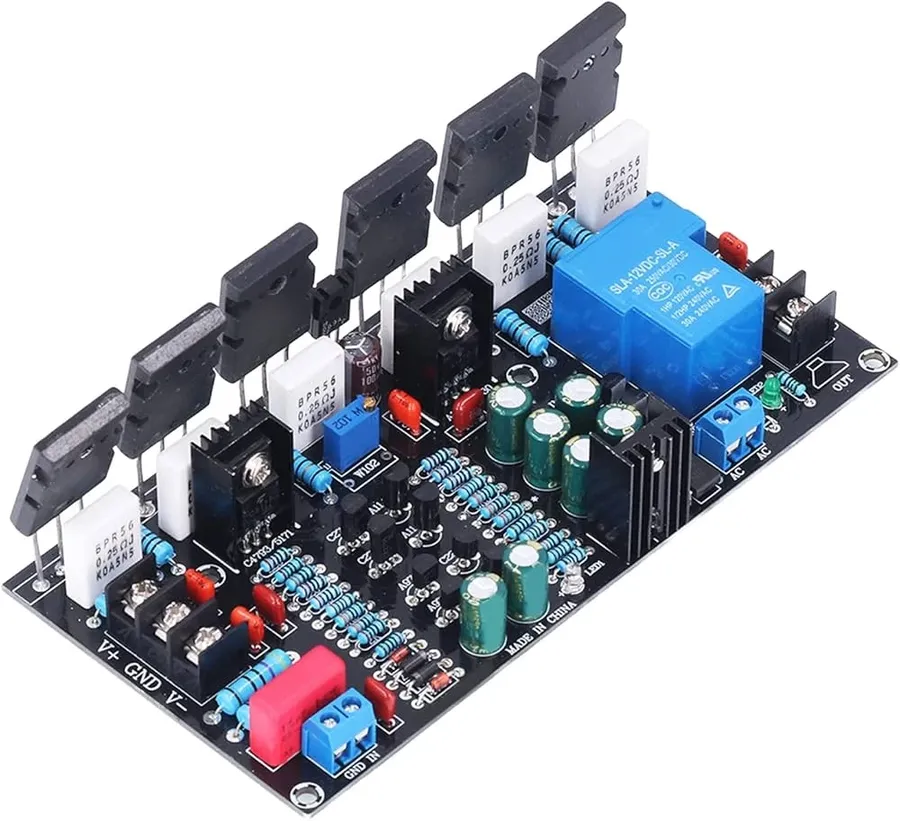
In audio equipment, 1 ohm resistors play a critical role in ensuring optimal performance, particularly where low impedance and high current handling are necessary. These components are integral to speaker systems, amplifiers, and other audio circuitry, serving to protect sensitive components and maintain signal fidelity.
The selection of a resistor value is a critical aspect of circuit design, directly impacting current flow, voltage drops, and signal integrity. A 1 ohm resistor, in particular, is chosen for very specific applications where its low resistance is crucial. Understanding when to use a 1 ohm resistor compared to higher values like 10 ohms, 100 ohms, and 1k ohms involves analyzing the delicate balance between current limiting and minimizing signal attenuation.
| Resistor Value | Typical Application | Current Limiting Effect | Signal Attenuation | Power Dissipation |
|---|---|---|---|---|
| 1 Ohm | Current sensing, precision measurement, very low impedance matching | Very low current limitation | Minimal signal attenuation | Low, but can be significant at high current |
| 10 Ohm | Current limiting in LEDs and other low-current circuits | Low to moderate current limitation | Slight signal attenuation | Moderate, depending on current |
| 100 Ohm | General-purpose circuits, pull-up/pull-down resistors | Moderate current limitation | Noticeable signal attenuation | Moderate, but lower than 10 ohm at same current |
| 1k Ohm | Signal biasing, feedback loops, higher-impedance circuits | Significant current limitation | High signal attenuation | Low, usually negligible |
The primary distinction lies in their opposition to current flow and their impact on voltage. A 1 ohm resistor allows relatively high current flow with a small voltage drop, making it suitable for current sensing and applications where minimal impedance is desired. Conversely, a 1k ohm resistor greatly restricts current flow, resulting in a higher voltage drop, which is advantageous for biasing or protection.
Here is a more detailed breakdown:
This section addresses common inquiries regarding 1 ohm resistors, providing clear and concise answers to ensure a thorough understanding of their properties, applications, and proper usage.
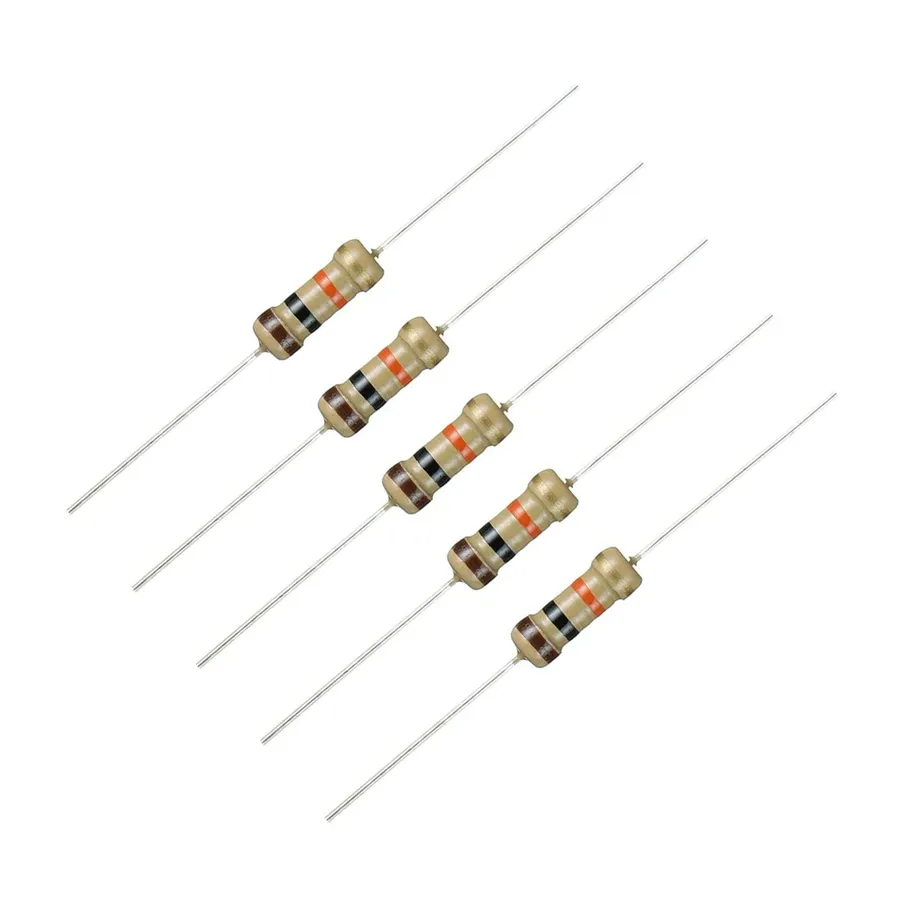
Choosing the appropriate 1 ohm resistor for a circuit requires careful consideration of both its power rating and tolerance. These specifications are critical to ensure the resistor operates reliably within the designed parameters, preventing failure and maintaining circuit integrity.
| Parameter | Description | Significance for 1 Ohm Resistor |
|---|---|---|
| Power Rating | The maximum power (in Watts) that a resistor can dissipate continuously without damage. | For a 1 ohm resistor, this value dictates the maximum current it can safely handle. Exceeding this rating can cause overheating and failure. Common ratings include 1/4W, 1/2W, 1W, 2W, and higher, with physical size typically scaling with power rating. |
| Tolerance | The permissible variation in the actual resistance value from the nominal (specified) value, expressed as a percentage. | A 1 ohm resistor with a 5% tolerance, could actually measure between 0.95 ohms and 1.05 ohms. Precision applications necessitate lower tolerance, while less critical applications may use higher tolerance. Standard tolerances are 1%, 2%, 5%, and 10%. |
The selection process should always begin with the worst case scenario in mind, considering not only the nominal operating condition but also any potential fluctuations.
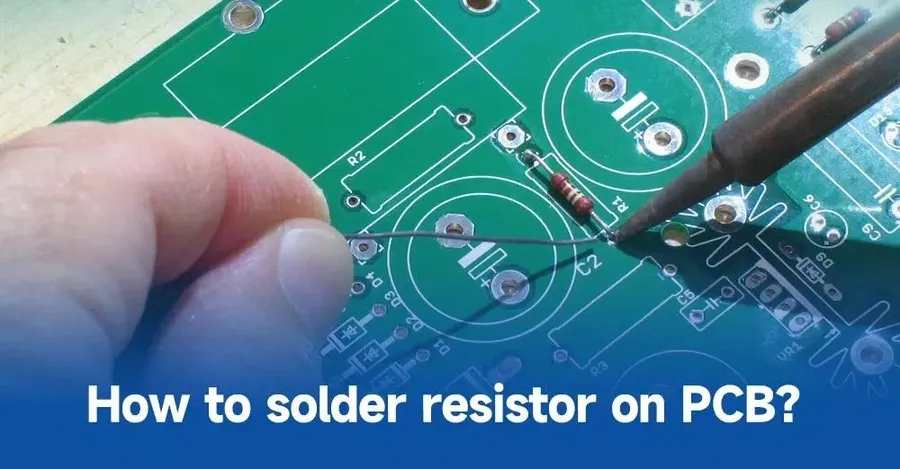
Effectively integrating a 1 ohm resistor into a circuit requires careful installation and measurement practices. These practices ensure the resistor functions as intended, maintaining circuit integrity and performance.
The humble 1 ohm resistor, like many unseen heroes of electrical engineering, is indispensable in modern electronics. Its precise value plays a critical role in current control, circuit stability, and signal integrity across countless devices. As we continue to push the boundaries of technology, understanding the proper use of components like the 1 ohm resistor—from a simple LED circuit to a precision audio setup—becomes increasingly important, reminding us that the foundation of great engineering often lies in mastering the basics. Whether you are building a simple hobby project or designing complex electronics, a solid understanding of the 1 ohm resistor's capabilities and limitations will ensure the success and reliability of your creations.

